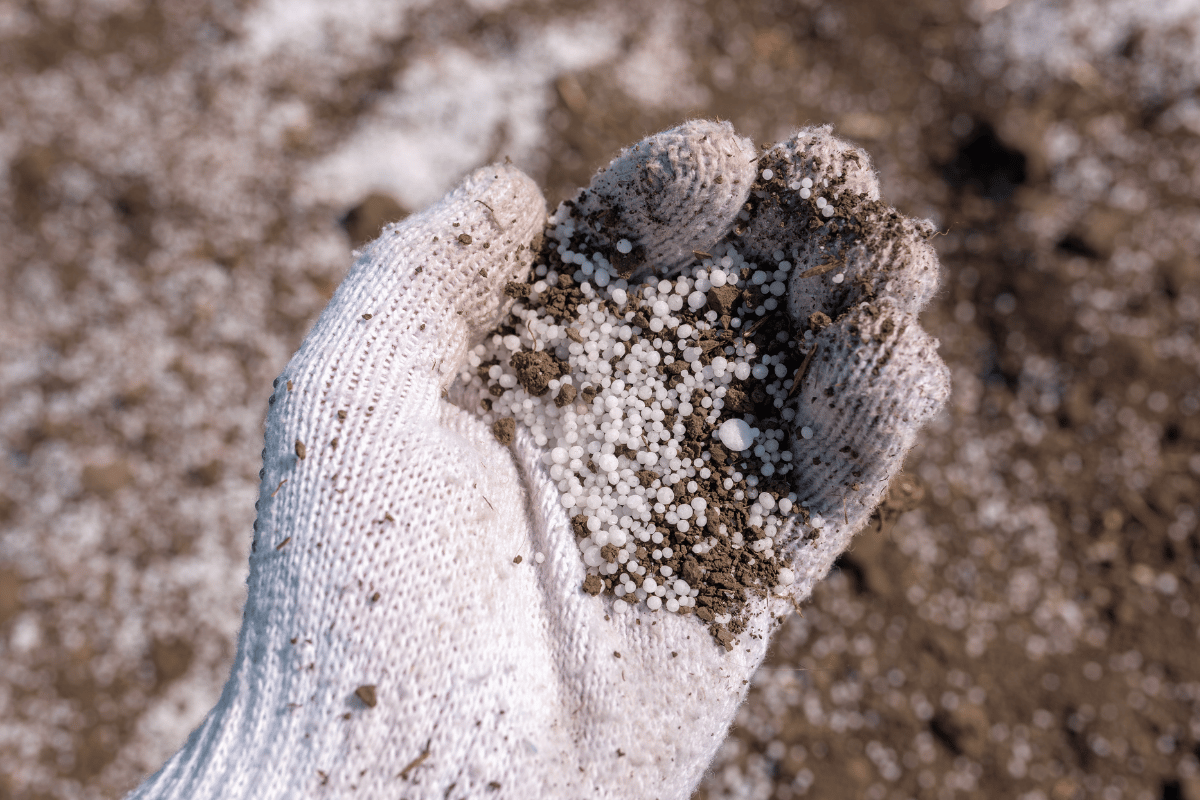
Compound fertilizers supply at once the three nutrients that plants need in the largest amounts, nitrogen, phosphorus, and potassium. The label's three numbers show the percentage of each, and reading them is the starting point for any sound fertilization programme.
What each nutrient does
Nitrogen drives vegetative growth, the formation of foliage, and the production of chlorophyll, which is why a shortage shows up as paling and limited growth. Phosphorus supports root development, flowering, and the transfer of energy within the plant. Potassium regulates water balance, strengthens tolerance to drought and disease, and improves fruit quality and ripening.
How to read the label
In a 15-15-15 all three nutrients are present in equal proportion, so it works as a balanced base fertilizer. In a 20-10-10 nitrogen dominates and serves the period of vigorous vegetative growth, while in a 12-12-17 the emphasis on potassium suits fruiting and ripening. Beyond the three main nutrients, many compound fertilizers also contain secondary elements such as calcium, magnesium, and sulphur, as well as micronutrients.
How to choose by crop and growth stage
Young plants benefit from nitrogen-rich fertilizers for growth, while bearing crops need more potassium, since large amounts are removed with the harvest. In the olive, for example, the most critical nutrients are nitrogen and potassium, with phosphorus needed in smaller amounts. The exact rate is not set at random but on the basis of analysis, and the amounts are adjusted to the annual leaf analysis.
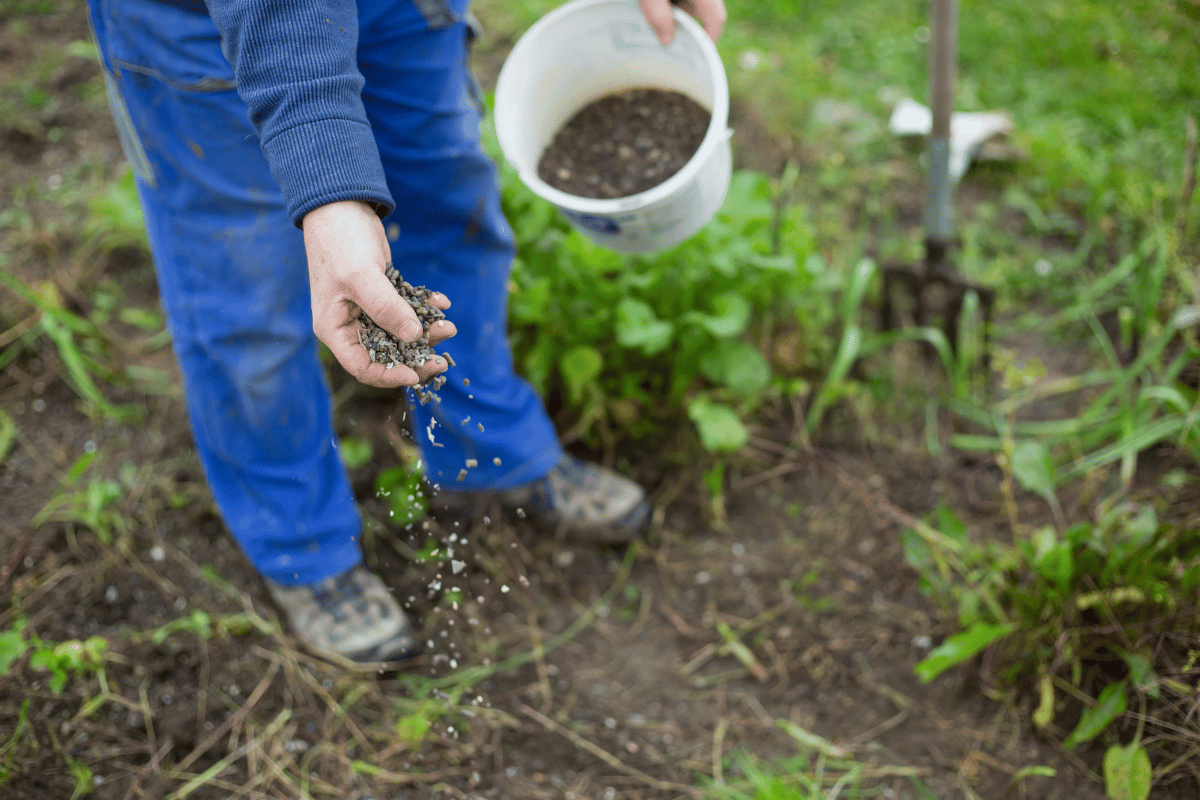
The choice and the dose are set by the crop, the stage, and the analysis.
Soil analysis, and Mediterranean conditions
The basis of any fertilisation programme is soil and tissue analysis, which shows what is actually lacking and prevents over-fertilisation. In the heavy, calcareous soils common around the Mediterranean, phosphorus is readily fixed and becomes less available, so placing the fertilizer near the root zone matters. A high pH also limits the availability of some micronutrients, which is taken into account when choosing the product. How to match fertiliser choices to specific crops is covered in our guide on choosing NPK fertilizers by crop.
Sources
- Olive mineral nutrition and leaf analysis, University of California Cooperative Extension.
- Fertilization guidelines for olives, California Department of Food and Agriculture.
- Guide to olive tree nutrition and tissue testing, University of Florida IFAS Extension.