

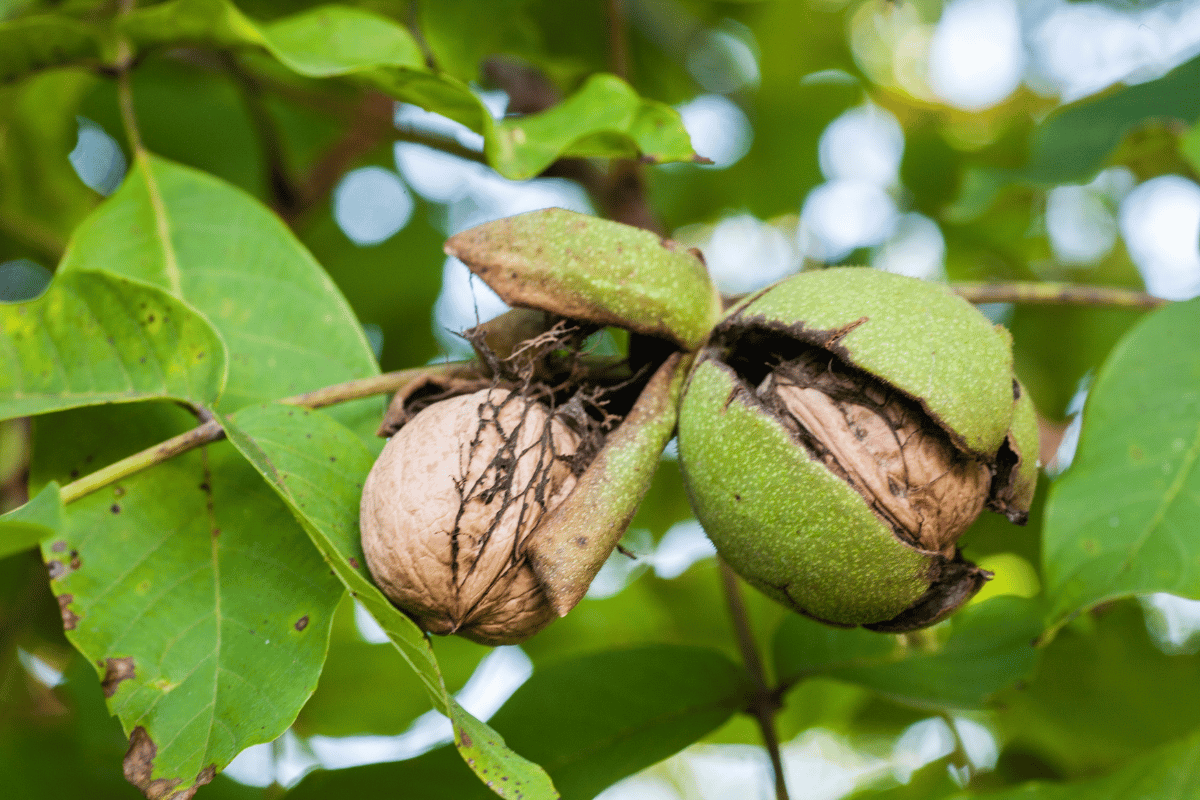
The second flight of codling moth (Cydia pomonella) began in the last ten days of June in pome fruit and walnut across northern Greece, with trap catches on the rise. Egg hatch of the young larvae, and the windows for intervention, fall in early July.
Biology and damage
Codling moth larvae enter the fruit soon after hatching and feed inside it, making it unmarketable. Sprays target the young larvae before they bore into the fruit, so timing is decisive. In pome fruit, a treatment against codling moth also controls the leaf miners (Phyllonorycter spp.).
| Region and crop | Situation | Indicative treatment window |
|---|---|---|
| Imathia, Pella, Pieria, pome fruit Thessaloniki bulletin |
Egg laying 30 June to 3 July, hatch 4-7 July | Treat at hatch, in orchards with a heavy history |
| Serres and Drama, pome fruit Bulletin 3 July |
Second flight underway since late June | Larvicide spray 6-9 July, repeat in 10-12 days |
| Serres, walnut Bulletin 3 July |
Second flight underway since late June | Larvicide spray 8-11 July |
When and how to intervene
The spray is applied during the hatch period and must be thorough, wetting the entire leaf surface and especially the tall parts of the trees, where infestations often concentrate. In pome fruit, a repeat application in 10-12 days covers the prolonged flight. Alternating active ingredients with different modes of action limits the risk of resistance. How the spray timing is set from trap monitoring is covered in our guide on codling moth spray timing in pome fruit.
Biological and integrated control
Within organic farming and integrated pest management, codling moth is also controlled with products containing macroorganisms and with approved biological products such as the Cydia pomonella granulovirus. Monitoring with pheromone traps remains the basis for the correct timing of any treatment.
Sources
- Regional Plant Protection Centre of Kavala, 2nd technical bulletin on codling moth in pome fruit and walnut (3 July 2026).
- Regional Plant Protection Centre of Thessaloniki, technical bulletin on codling moth in apple.