
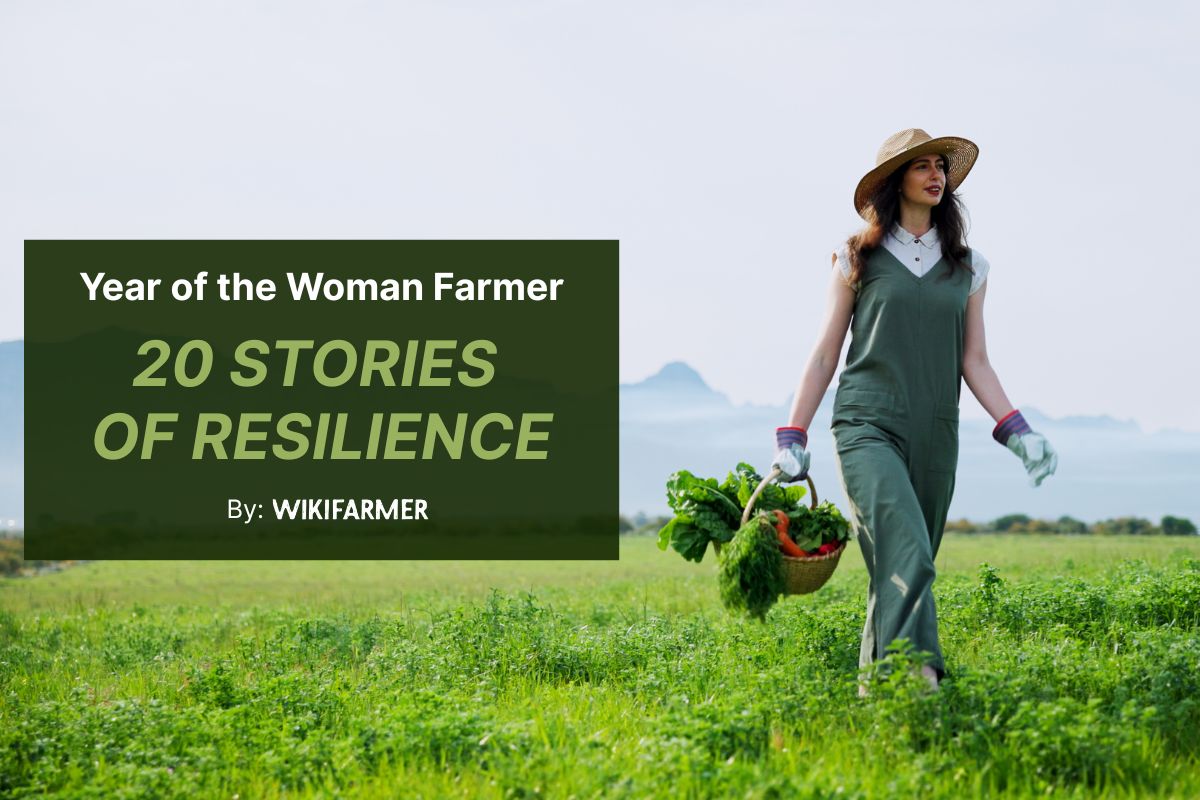
A collection of portraits for the UN International Year of the Woman Farmer (IYWF) 2026
The Food and Agriculture Organization (FAO) has designated 2026 as the Year of the Woman Farmer, recognizing the central role women play in shaping agrifood systems, sustaining rural economies, and advancing global food security. Yet many women in agriculture remain under-recognized, under-resourced, and underrepresented.
We spoke with 20 women farmers, agripreneurs, researchers, and agricultural leaders across continents. What emerges is not a single narrative of progress, but a range of lived realities—each shaped by constraint, adaptation, and achievement. Together, they show how women are not only working the land, but redefining what agriculture is: a system of science, business, culture, inheritance, and care.
1. Bridging academia and the field
Dimpho Moroaswi, Seedling producer and researcher — South Africa
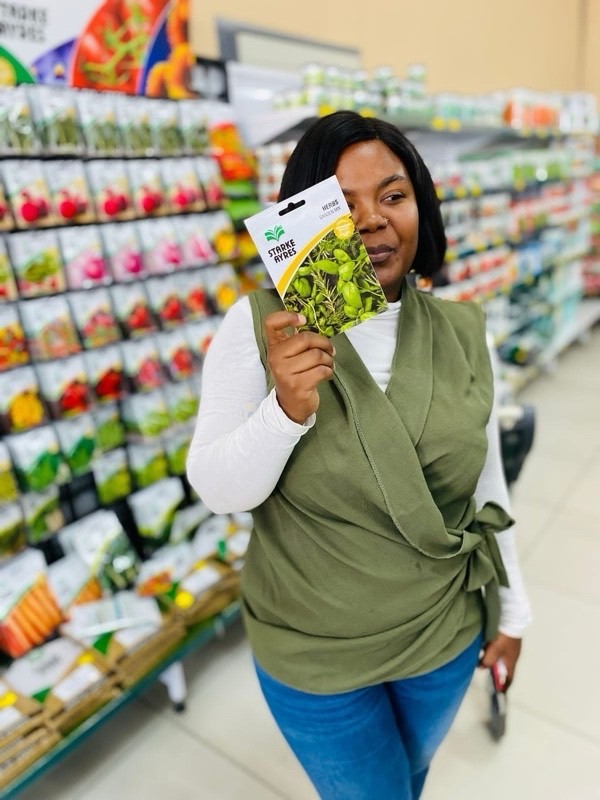
“My proudest achievement has been establishing a successful seedling production enterprise, while simultaneously pursuing an academic career.”
At 28, Dimpho Moroaswi operates between two worlds: supplying vegetable seedlings to farmers and retail chains such as SPAR, while completing a Master of Management in Entrepreneurship and New Venture Creation at Wits Business School.
She learned to farm at home, informally, before she knew it would become her profession — and the academic register came later, when her research at Wits Innovation Centre deepened her understanding of the agripreneurial ecosystem.
“Bridging research and practice has been especially meaningful—I can test ideas in the field while contributing to academic insights about entrepreneurship and rural development.”
She integrated practical knowledge and curiosity to build a viable agribusiness, proving that scholarly rigour and getting her hands dirty are not at odds with each other.
2. Modernizing what was inherited
Loli Gómez, Pepper grower — Almería, Spain
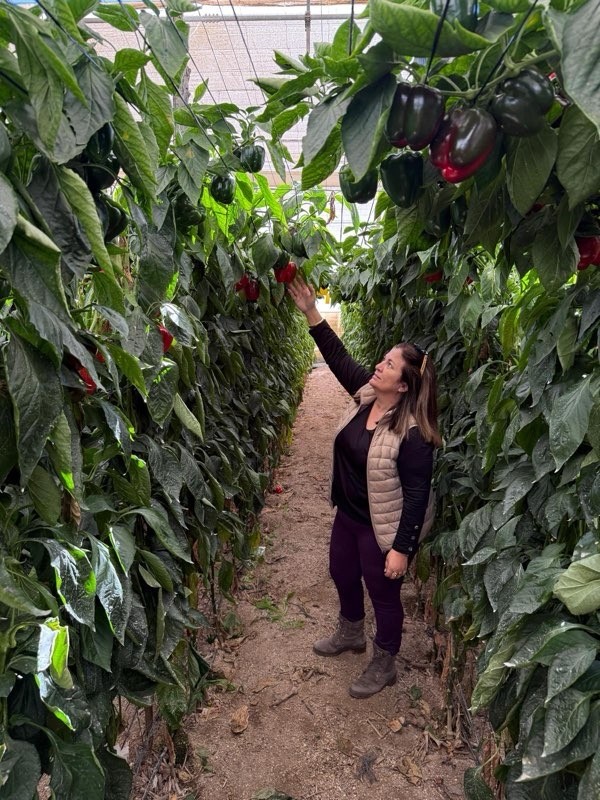
In Spain’s vast greenhouse region of Almería, Loli Gómez has modernized a production farm while maintaining its social and economic role in the community.
Working with Agrométodos, she has overseen the technological upgrade of the holding, the reorganization of its management, and the expansion of its workforce. For her, modernization is not rupture—it is continuity with improved tools.
"My greatest achievement," she says, "is having modernized the farm technologically, having managed it well so that today it gives work to many families and produces products of the highest quality, which many consumers have the chance to enjoy."
Her personal motto — Calidades de Almería, "The Qualities of Almería" — serves double duty, naming both a produce standard and a regional identity she is proud to represent.
3. Earning authority through hard work
Ainoa Doñas, Agricultural technician — Spain
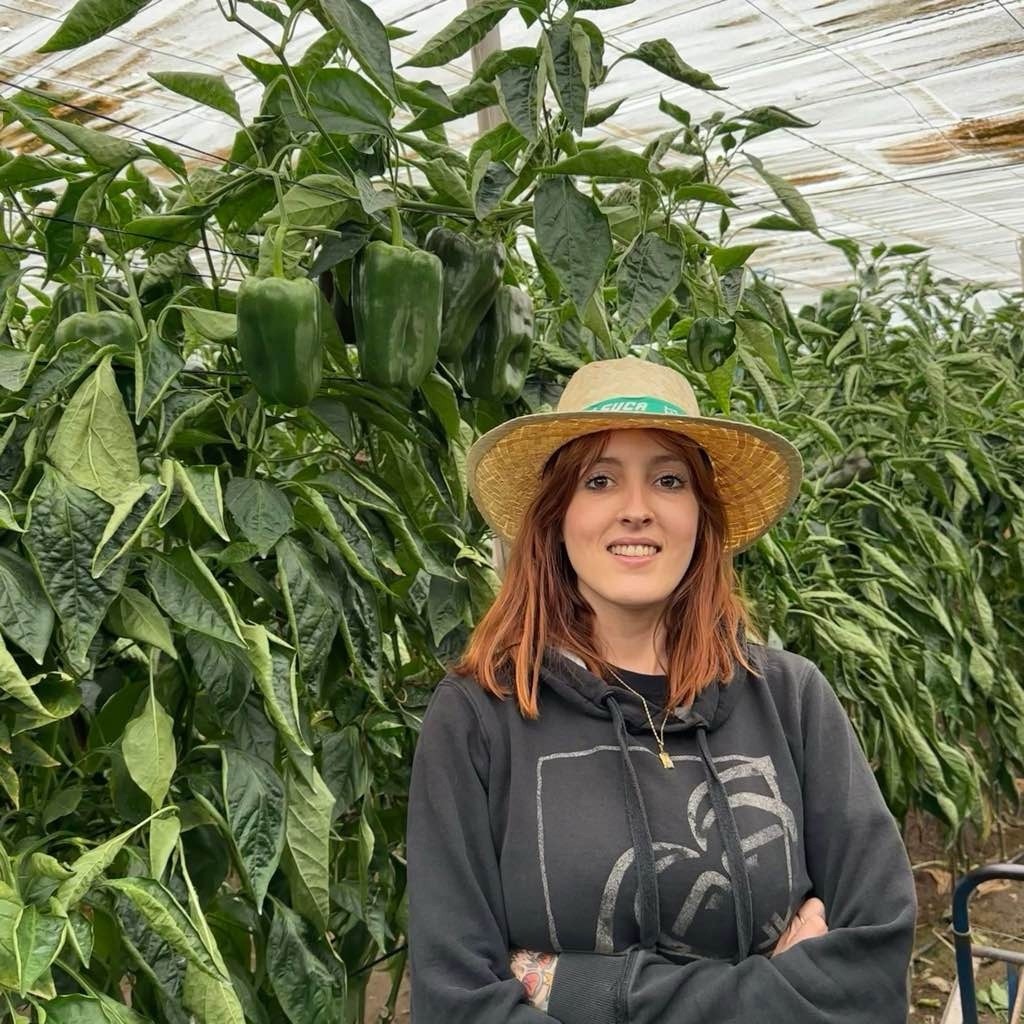
Ainoa Doñas grew up in agriculture alongside her father, but her identity in the sector is something she consciously built.
"Earning my own place has not been a question of inheritance," she says, "but of proving every day that I can handle everything, and more."
She does not want special treatment for being a woman, nor concessions for being young. Her pride comes from the competence with which she meets the farm's physical and operational demands.
"My value in the field is not measured by my gender, but by the seriousness and rigour with which I carry out my work."
4. Fusing tradition with innovation
María del Salz Medina Fortacín, Olive oil producer — Spain
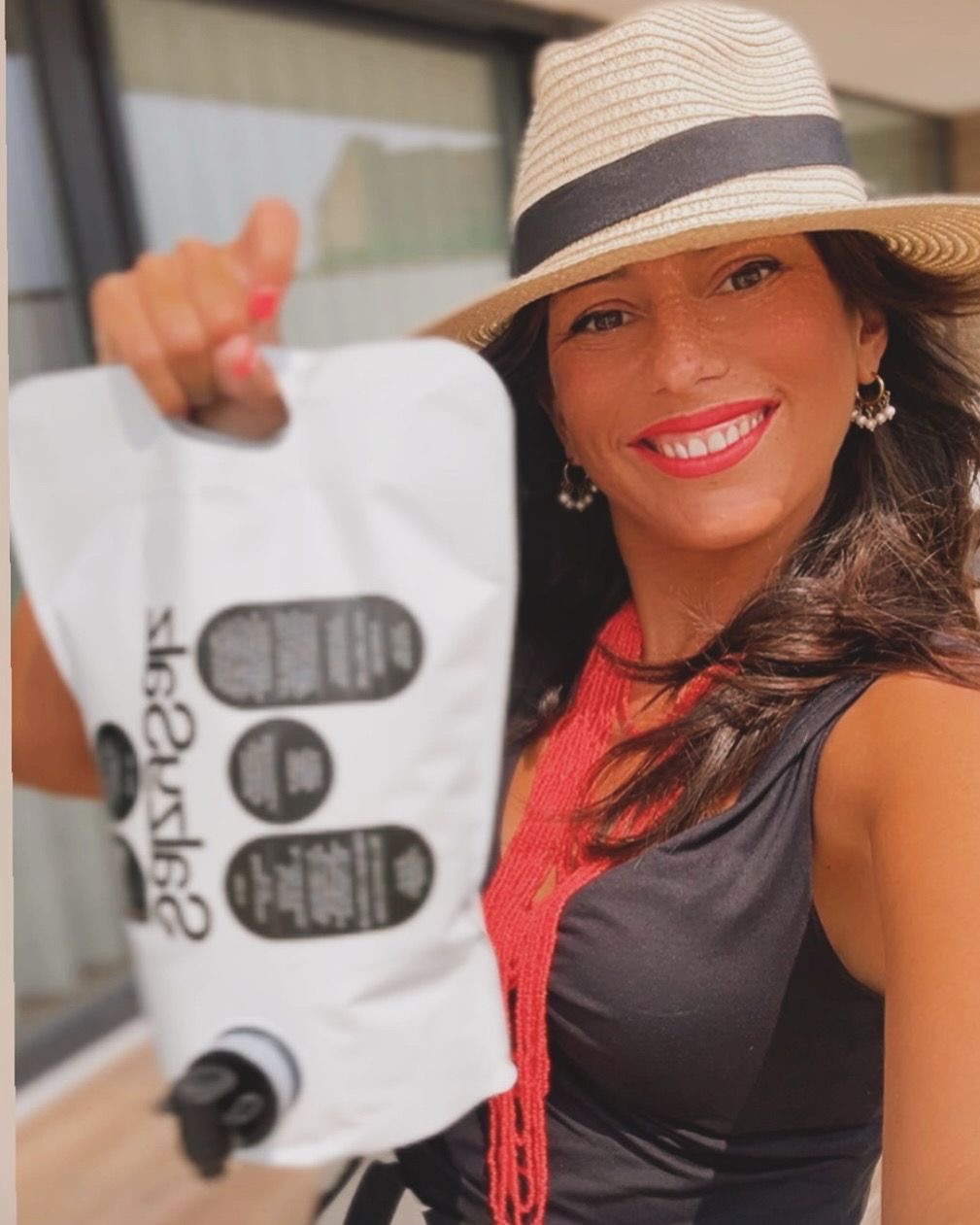
From her family's olive groves, María del Salz Medina Fortacín built SalzySalz, an extra virgin olive oil brand of native Aragonese varieties — empeltre and arbequina — cultivated with respect for the soil and the grove.
“My biggest achievement has been showing that it’s possible to combine tradition, innovation, and sustainability.”
She speaks most fondly about what lies beyond yield: the women she has mentored, the round tables she has joined, the workshops where she has encouraged other rural women to believe they can lead agricultural projects of their own.
"The agriculture of the future needs diversity, generational renewal, family farming, cooperation, and an integrating vision," she says.
5. Starting from zero
Alicia López Jiménez, Avocado grower — Campo de Gibraltar, Spain
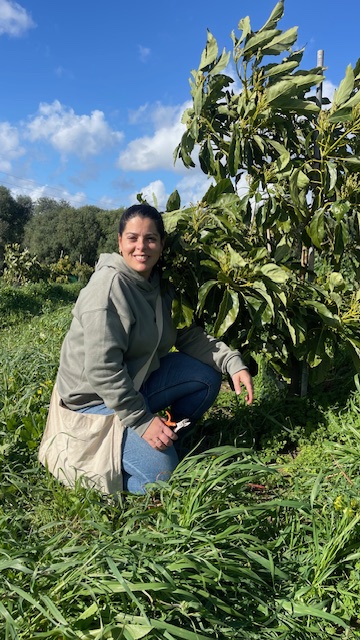
Alicia López Jiménez did not plan to be a farmer. She studied business, worked in tourism, and believed her family's agricultural history was a thing of the past. Her son's birth in 2018 changed her direction.
Two years later, she submitted a proposal to the Andalusian government's young-farmer incorporation program. When the funding came through, so did the conviction.
She founded Aguacates de la Villa, growing Hass and Bacon avocados on eleven hectares in the Campo de Gibraltar. Her days now begin at Agropeco, an agricultural consultancy, then she drops her son off at school and continues working in the orchard all afternoon. She also sits on the board of Aproaga, the region's avocado producers' association.
"My greatest achievement has been starting from zero," she says plainly. "I started Aguacates de la Villa with nothing, and now I am here."
A robbery last August and a run of storms tested her conviction to grow, but she pushed through. “The greatest challenge I’ve faced is balancing office work with working in the field and being a mom at the same time.”
"The limits are the ones you set yourself. You can go very far as a woman in agriculture if you keep surpassing them — even if it takes you a little longer."
6. Building an ecosystem
Nisa Nur Sukran Hapil, Pomegranate grower — Antalya, Turkey
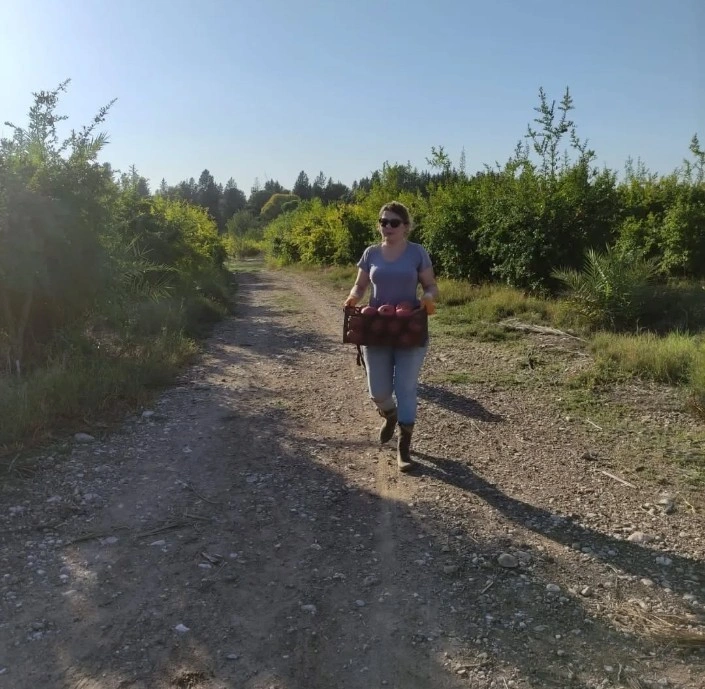
On 200 decares in Serik, Antalya, Nisa Nur Sukran Hapil manages around 8,000 pomegranate trees. She sells the fruit under Good Agricultural Practices certification, which in Turkey requires strict traceability and quality control.
“My greatest achievement has been founding and directing my own agricultural project. The work in the field is demanding. As a woman, leading this operation is an important achievement.”
She is now designing two business extensions: a line of natural pomegranate-based products and glamping sites that would allow visitors to experience the grove's seasonal rhythm firsthand.
"For me," she says, "success is building a solid, sustainable project over the long term." For her, success is long-term sustainability.
7. Continuing a family legacy
María Jesús Monzón Rodríguez, Farmer — La Puebla de Almoradiel, Toledo, Spain
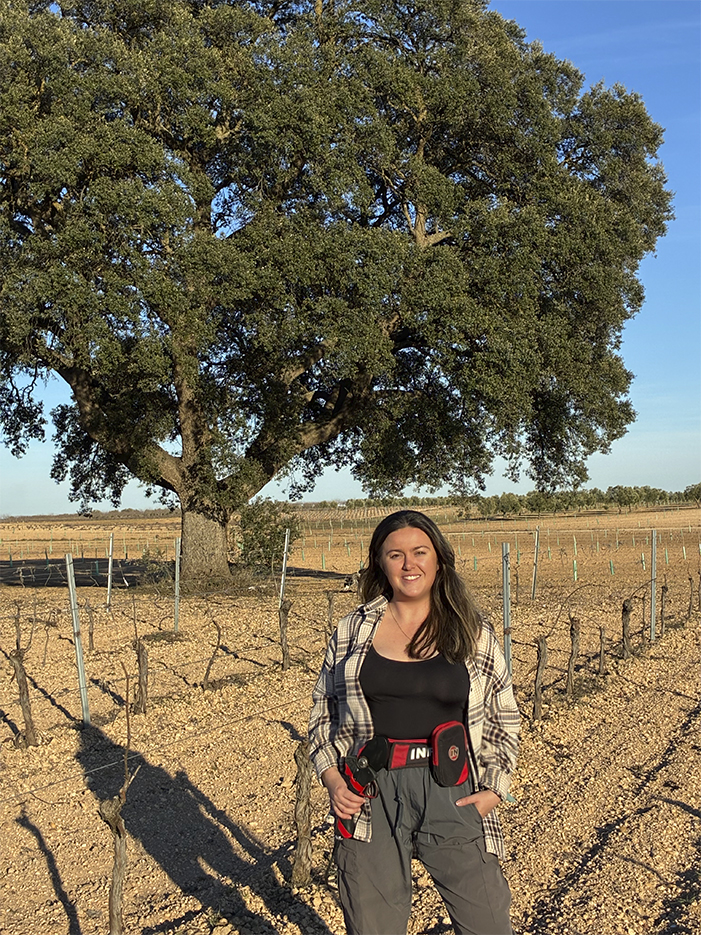
At twenty-nine, María Jesús Monzón Rodríguez has been officially registered as a farmer for only two years, but say she has been working the land with her parents for as long as she can remember.
After leaving the big city, she returned home and chose to continue living her family's farming legacy.
"It is very important to see that the countryside today needs young people who will take up the baton. Women, in this case, who feel the pride of working the legacy of their female ancestors — land that our grandmothers reaped and harvested."
She is adamant that women should not be viewed as additions but as integral parts to the system: "Women do not help in the countryside. We work it, and we make it grow, turning it into our way of life."
Her greatest achievement, she says, is carrying on the legacy of a mother as brave and capable as hers.
8. Turning science into practice
Rossana Porras-Jorge, Founder of Cultiva con Ciencia — Peru
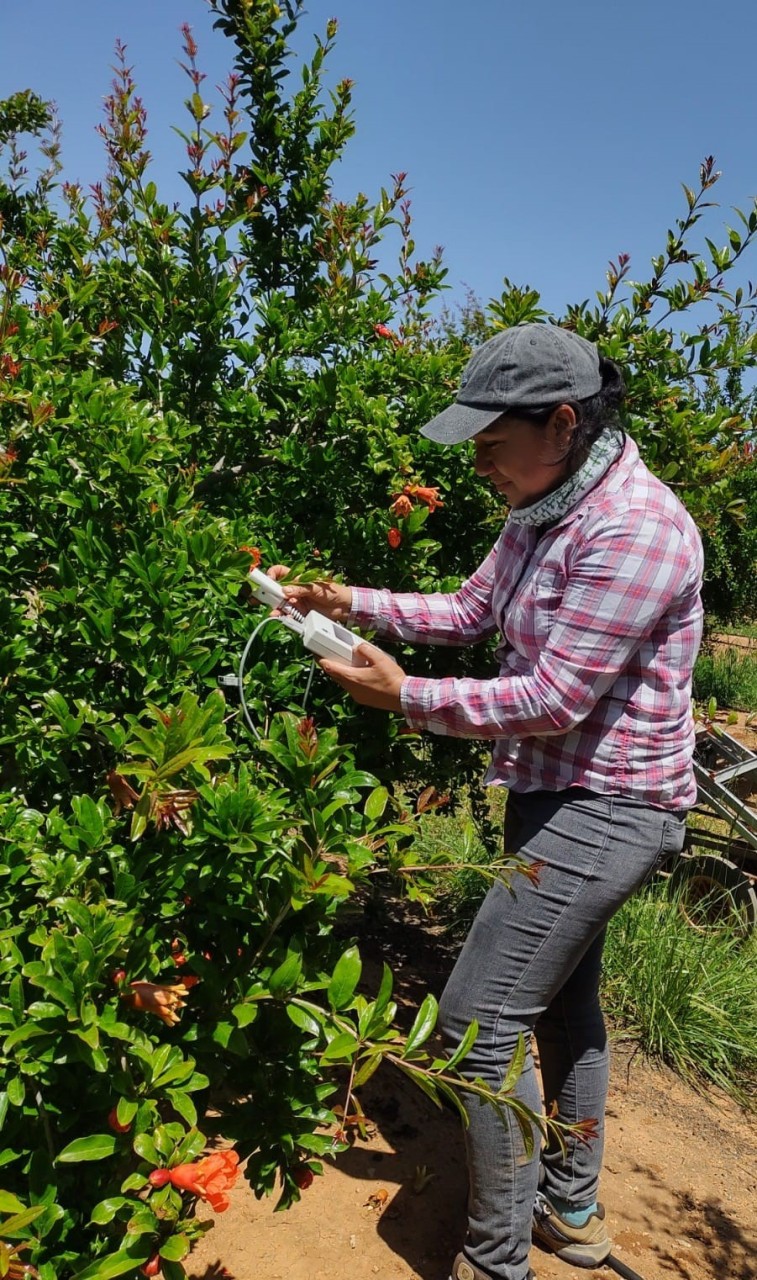
Rossana Porras-Jorge grew up farming with her parents, and the vocation that emerged there eventually carried her through a doctorate in precision agriculture.
When she returned to her native Peru, she found re-entry into the job market difficult—and turned that difficulty into a venture. She founded Cultiva con Ciencia, which integrates sustainable practices, efficient technologies, and data-driven decision-making for smallholders and rural communities.
“My greatest achievement has been proving that science, technology, and fieldwork can coexist.”
Today, she designs greenhouses, leads research on local food economies, and accompanies producers as they adopt new tools.
"Every project that drives sustainability and improves quality of life," she says, "reaffirms that women in agriculture can not only lead and innovate, but also open the way for many more who follow — building an agriculture that is fairer, more modern, and more humane."
9. Treating soil as a living system
Olivia Cerdeiriña, Regenerative farming consultant — Spain
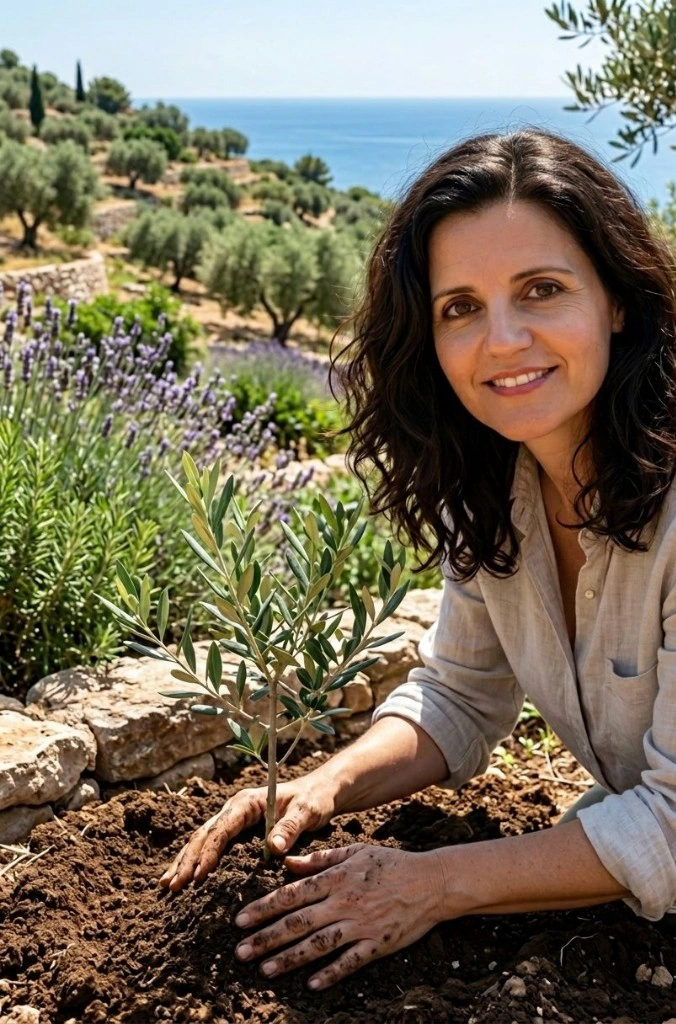
Olivia Cerdeiriña came to agriculture through biology and business management. Her work builds regenerative models on real farms. She challenges conventional soil management, believing in treating the soil as a living system rather than a support.
She says her greatest achievement has been building working models on real farms — with real budgets and real yield targets — that center soil regeneration, microbiology, and functional biodiversity while still producing, differentiating in the market, and improving the health of the landscape.
“I want to demonstrate that it is possible to produce while improving the land.”
Equally important, she says, is the human side: training farmers and teams to recover their own technical judgment, independence, and confidence.
"When you stop depending on external recipes and start reading the soil, the plants, and the landscape, something magical happens."
Her work, she argues, is a very feminine contribution to the sector — "practical, rigorous, cooperative, with long roots."
10. Leading a nature-centred enterprise
Stacy Baraka, Founder of The Greenanns Bloom by Pejan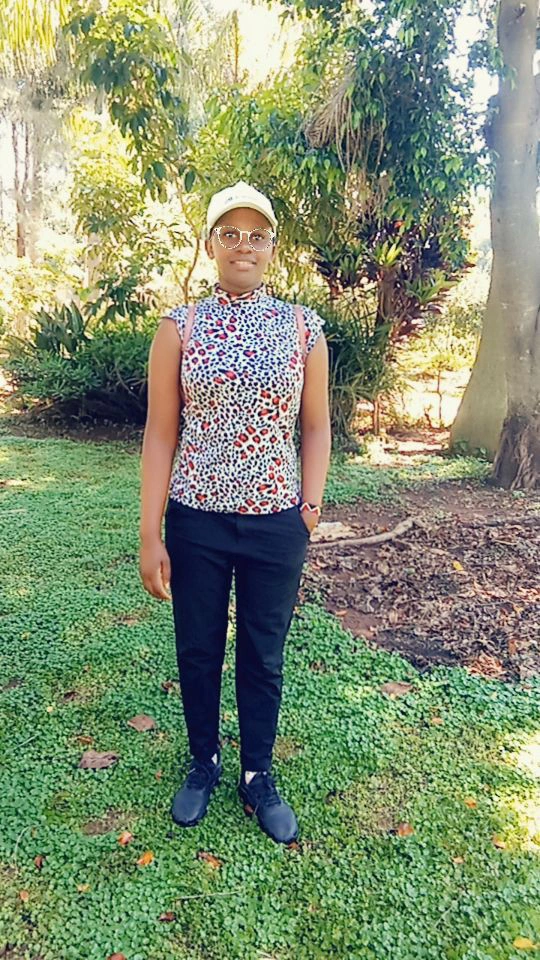
Stacy Baraka started small, with a nursery rooted in conservation practice and plants chosen for their ability to restore soil health, beautify spaces, and raise environmental awareness.
Every obstacle, in her telling, became evidence that agriculture could be a tool for transformation rather than merely a livelihood.
“My greatest achievement has been building a nature-centred venture rooted in sustainability and community impact.”
She adds that another meaningful success has been the confidence she has cultivated—both within herself and in other women.
She emphasizes resilience: “In an industry where women face limited access to land and capital, I chose to persevere.”
11. Creating work where it is needed most
Hannah Kalinde, Farmer — Malawi
Hannah Kalinde works on a farm in Malawi, and her greatest pride is her ability to use agriculture to help others, especially other women.
"Knowing I can offer employment to a single mother and her children in our village means more to me than any harvest ever could," she says.
The harvests, she hastens to add, bring their own particular satisfaction — "after all the back-breaking work, seeing the fruits of our labour piled high is a moment I never take for granted."
The path has been difficult in ways that are cultural as much as agronomic. Men in her village hold tight to traditional beliefs about who is in charge, she says, and even when they know the answer is her, the instinct is to defer to a man for the final word.
Over four years, she has turned a grassy field into productive farmland and shown other women in the community that they can farm too. “I’ve shown other women that farming isn’t just men’s work.”
Her plan now is to form a small cooperative so local women can sell their own produce, and her single success can lift more than one household.
12. Preserving memory through food
Anastasia Pasiali, Founder of Fruit Stories Edessa — Greece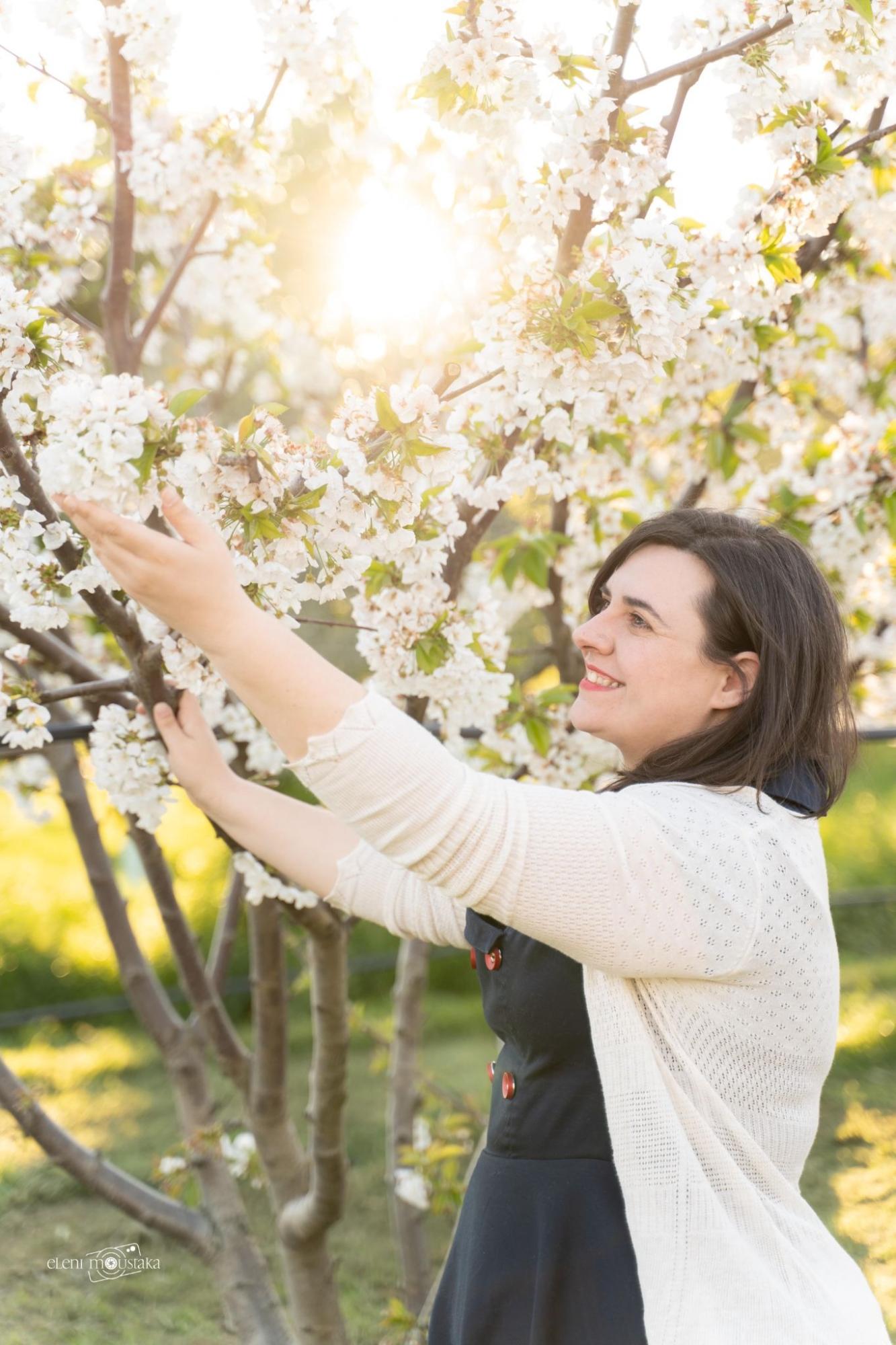
Anastasia Pasiali was a PhD candidate and decided to leave that path for farming.
She built instead a cottage industry of jams, spoon sweets, and syrups made from fruit grown on her family's fields in Edessa, based on old family recipes. "We make sweet preserves to preserve sweet stories," she says.
Her brand grew from a single jar of fig syrup into an industry, Fruit Stories.
For her, the brand is also a story of struggles and small triumphs, of childhood memories and long hours, of pandemic pauses and motherhood, and the slow decision to return.
“Fruit Stories is also my story—struggles, memories, love, and perseverance.”
13. Protecting food integrity
Faith Adeoluyo Moyinoluwa, Founder of Deluyo Honey — Nigeria
Faith Adeoluyo entered agriculture through Crop Science and a conviction that many of her peers had been taught to doubt — that farming is not only profitable but also prestigious when understood as systems leadership.
She founded Deluyo Honey in a Nigerian market notorious for adulteration, choosing to build the brand around purity, traceability, and climate-smart beekeeping.
“My achievement is founding Deluyo Honey, built on food integrity.”
Her bees do the ecological work of pollination; her business does the civic work of educating consumers about what authentic food looks like and why it matters.
"This achievement matters because it demonstrates that women farmers are not only feeding communities, but we are shaping sustainable food systems and redefining agricultural leadership for the next generation,” she says.
14. Practicing resilience
Mariam Shittu, Farmer — Nigeria
Mariam Shittu's story shows the resilience it takes to keep going when progress is slow and when the field does not always take women seriously.
"There were times when the work felt difficult, and progress seemed slow," she says, "but I reminded myself why I started and stayed focused on doing my best."
Her journey required patience, dedication, and the gradual accumulation of confidence. What she has learned, she says, is the value of tenacity and the importance of believing in oneself when things seem impossible.
“I have come to understand the value of hard work and persistence.”
15. Championing youth leadership
Daisy Makayi, Founder of Makayi Farms — Chilanga, Zambia 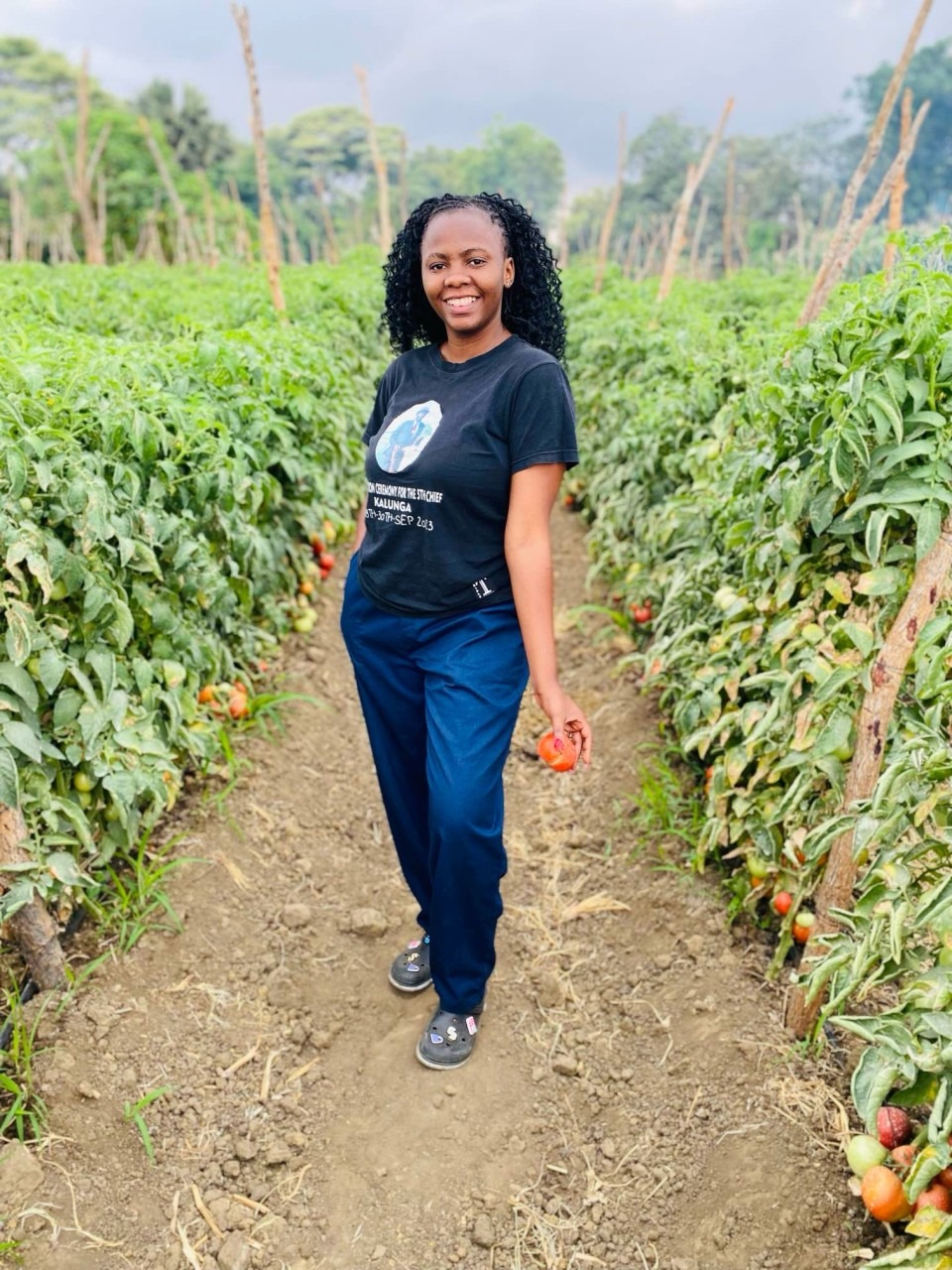
On the outskirts of Lusaka, eleven kilometres from the central business district, Daisy Makayi runs a pig farm and a horticultural operation. She is young and explicit about what her youth means in the sector.
"I am proud to be part of a generation that is redefining agriculture," she says. "We are embracing sustainable practices, innovative technology, and solutions that ensure food security while protecting the environment."
Each harvest, for her, produces more than food — it produces hope, empowerment, and change. Being a youth farmer, she insists, is not a stepping stone to something more respectable. It is a responsibility and a privilege, and one she means to use to recruit other young people into a vision of farming as leadership rather than labour.
“Farming has taught me that growth is not just about crops—it is about resilience, creativity, and hope.”
16. Mastering the full scope of farming
Rocío Ruiz Fernández, Farmer — Spain
Ten years into her career, Rocío Ruiz Fernández has built a comprehensive trajectory spanning both the physical and administrative sides of farming.
“The achievement has been building a full career in a male-dominated sector.”
She has operated machinery and participated in the daily operations of the holding; she has also managed subsidy applications, navigated regulatory requirements, and participated in planning and strategy.
"The achievement is not just having been there," she says, "but having demonstrated that a woman can bring a global vision of the sector — understanding the land, but also the management, the regulations, and the strategy that modern agriculture demands."
She is quick to share the credit with her mother, who worked the land through decades when women in such roles were quietly — and sometimes loudly — judged.
"We have had to prove twice as much to get half as far," she says, and yet she counts being a reference for even one younger woman as an immense achievement.
17. Telling the story of the land
María José Gómez Pineda, Olive farmer and communicator — Toledo, Spain
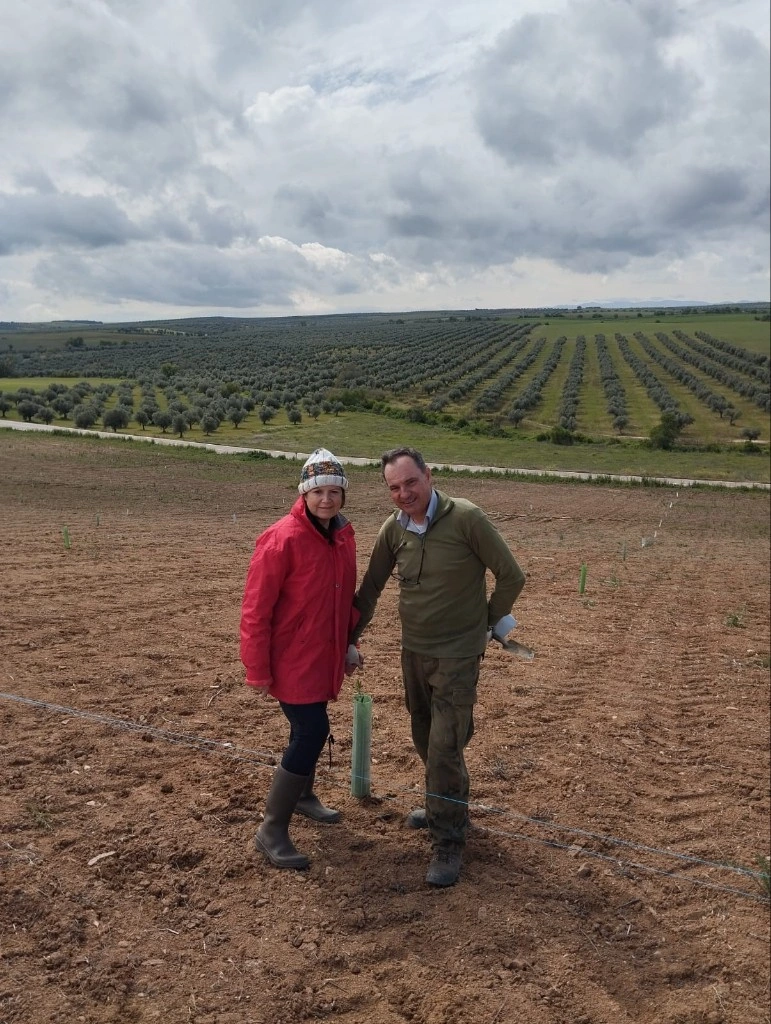
A licensed journalist before she became a farmer, María José Gómez Pineda launched Vides y Olivos in 2009 to bring to market the first organic olive oil — Tierra Sana — from a group of producers in the Torrijos and Talavera de la Reina areas and the Montes de Toledo.
Her distinct contribution was communicational. She brought a journalist's instincts to the work of explaining a culture, a variety, and a milling tradition to the consumers her group reached.
“My greatest achievement has been communicating about agriculture and bringing visibility to what we produce,” she says.
Her second greatest pride is becoming the head of a family holding that had been undivided for thirty years. "Everything done with sacrifice, love, and delight is worth it."
18. Proving regenerative systems at scale
Mònica Gómez Ferrero, Regenerative farmer — Barcelona metropolitan area, Spain
On a single hectare in the Barcelona metropolitan area, Mònica Gómez Ferrero set out to demonstrate that soil health is the real driver of productivity and health. She believes the case has been made on her land.
“My greatest achievement has been demonstrating that soil health is the key to the agroecosystem.”
"There is still a great deal to discover in terms of respectful practices," she says, "and I am convinced that soil health will be the spearhead in these times of climate change — because fertile, well-structured soil exponentially increases its water-retention capacity."
Her toolkit is deliberately modest: small tractors, motocultors, the occasional spade, entering the field only at the right moments of moisture, disciplined crop rotation. The message is that regenerative agriculture does not require vast capital. It requires attention.
19. Evolving inherited farms
Sonia Martínez Camacho, Farmer — Spain
Sonia Martínez Camacho registered as a self-employed farmer at eighteen, after a lifetime of helping on family land. She comes from a farming lineage, and her father has been central to the generational handover.
Drawing on her father's expertise in earthworks and reservoir construction, she has led the design of new plantings in which technological efficiency is the absolute priority.
"My greatest pride is having led this transition — moving from the traditional agriculture of my ancestors to a model of precision in which we optimize every drop of water and every handspan of land."
Competing in today's markets while keeping faith with her roots is, for her, the substance of the work.
"Being a woman in this sector means, for me, contributing that strategic and detailed vision that guarantees the countryside not only survives but prospers into the future."
20. Integrating science and creativity
Claudia Barriga Carrera, Agronomist and AgroTech advisor — Chile
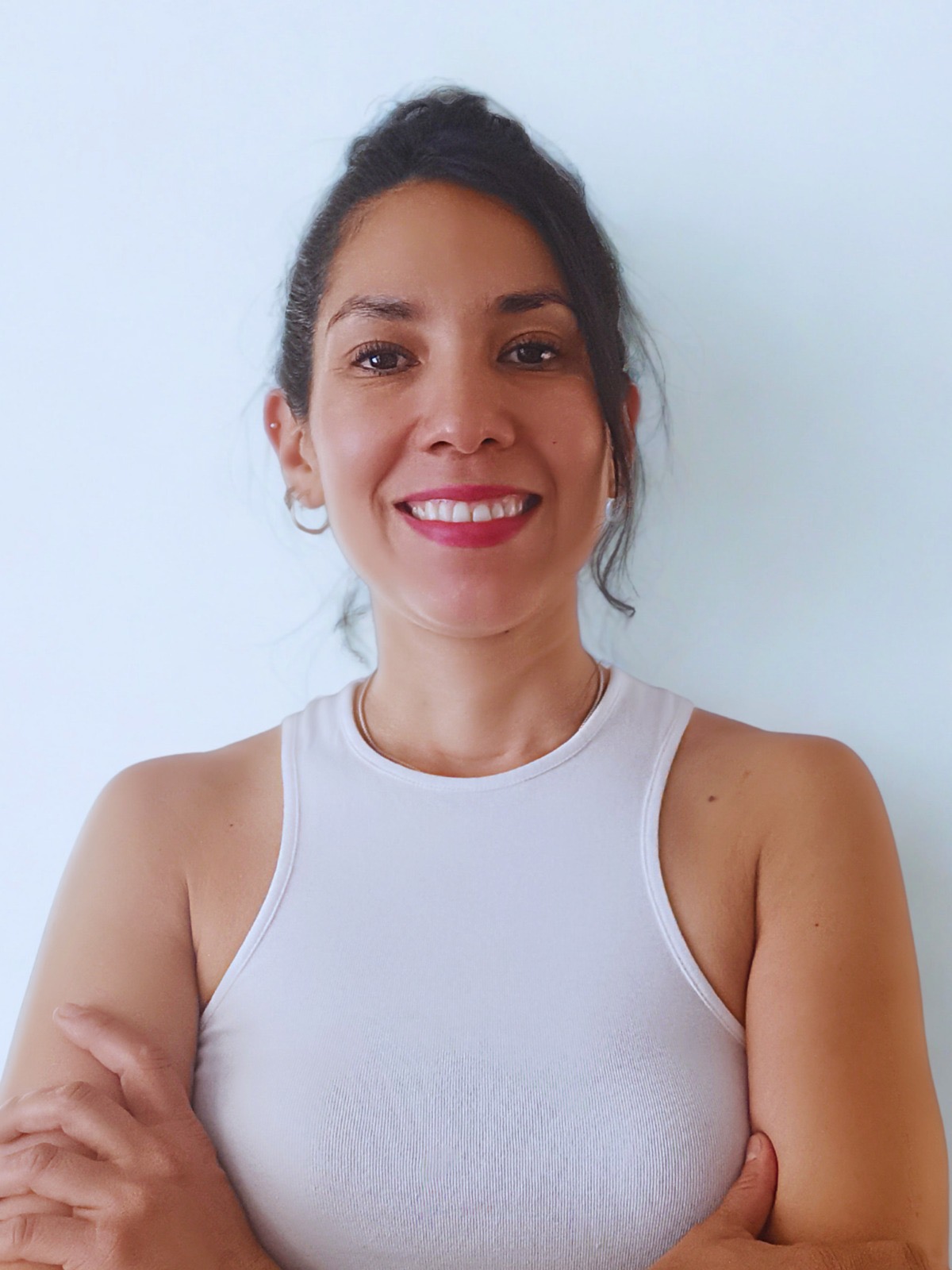
Before she chose agronomy at the Pontificia Universidad Católica de Chile, Claudia Barriga Carrera wanted to be an artist, possibly a theatre actress. The pivot came when she realized the university would allow her to combine agronomy coursework with electives in art.
Her biggest achievement, she says, is funding Fundación Proyecto Huerto, a nonprofit that has, for more than a decade, connected hundreds of people with urban agriculture and sustainability education. She teaches entrepreneurship and innovation at her old faculty, and she serves on the advisory committee of AgroTech Chile, where she works to bring digitalization and artificial intelligence into the sector in ways that actually reach producers.
"I believe firmly in collaboration between men and women," she says. "It is in teamwork that we can harness our talents, complement each other, and generate the structural changes the sector needs."
She invokes an older lineage, too — the foresters and gatherers of antiquity whose attention to detail, she suggests, lives on in the analytical minuteness many women bring to modern agricultural challenges. What she sees as her underlying achievement is coherence: integrating every part of herself, and doing so in public, so that the next cohort of women can skip the step of apologizing for their range.
“Women are not the exception in agriculture; we are a driving force for change.”
Conclusion
Across these twenty women, agriculture emerges as a field of commitment and perseverance. They choose to remain in it, despite real challenges, building their place within a sector that spans production and research, inheritance and innovation, and local markets and global systems. What connects these stories is agency in practice. Each woman defines achievement in her own terms—whether rebuilding farms, developing new enterprises, advancing scientific methods, or creating opportunities for others in their communities.
As 2026 marks the International Year of the Woman Farmer, these stories reflect an ongoing shift already underway: women are not only part of agriculture’s future, they are actively shaping its present.