


The European Union's food safety landscape witnessed significant turbulence during the first week of September 2025 (Week 36), with 102 food safety alerts reported through the Rapid Alert System for Food and Feed (RASFF). The data reveals concerning patterns that demand immediate attention from farmers, wholesale buyers, and supply chain operators across Europe.
Highlights at a glance
Critical Statistics for Week 36 (September 1-7, 2025):
- Total recalls: 102 notifications across the EU
- Fresh produce alerts: 35 incidents (34% of all recalls)
- Countries involved: 43 nations globally
- Leading contaminants: Pesticide residues (38 incidents), mycotoxins (30 incidents), and bacterial pathogens (19 incidents)
Most problematic origins: Turkey leads with 11 alerts, followed by China (9 alerts) and India (8 alerts)
Top product categories affected
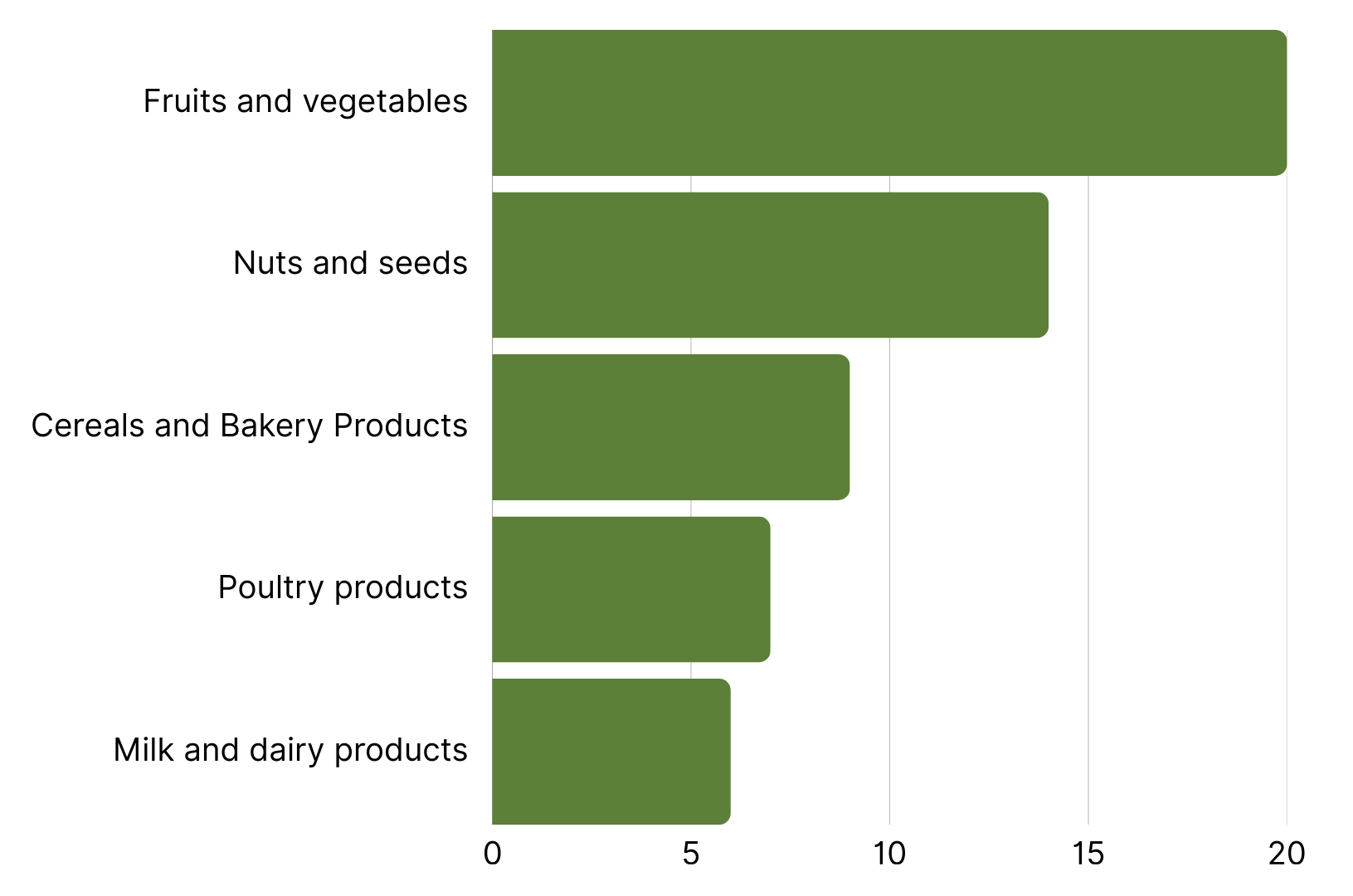
Graph 1: Top 5 Product Categories with the Most RASFF Alerts (Week 36)
Fresh produce dominated the recall landscape, with fruits and vegetables accounting for 20 alerts - nearly 20% of all recalls. The distribution reveals systemic vulnerabilities across agricultural supply chains:
- Nuts, nut products, and seeds: 14 recalls (primarily aflatoxin contamination)
- Cereals and bakery products: 9 recalls (pesticide residues and mycotoxins)
- Poultry meat products: 7 recalls (Salmonella concerns)
- Meat products (other than poultry): 6 recalls
- Milk and dairy products: 6 recalls
- Herbs and spices: 6 recalls (heavy pesticide contamination)
The concentration of alerts in fresh produce categories reflects inherent vulnerabilities, including environmental exposure, intensive pesticide applications, and post-harvest handling challenges that continue to plague international trade.
Fresh produce focus: European food recalls breakdown
The following fresh produce items were subject to recalls during Week 36, organized by risk level and contamination type:
Fruits and Vegetables
- Baby zucchini (South Africa): oxamyl, unauthorized substance
- Black-eyed peas (India): chlorpyrifos, an unauthorized substance
- Brown organic lentils (Italy): foreign body contamination
- Dried figs (Turkey): ochratoxin A contamination (6 separate incidents)
- Drumstick/Moringa oleifera (India): monocrotophos, an unauthorized substance
- Fresh rocolla baby (Israel): bifenthrin and pyridalyl residues
- Mangoes (Egypt): multiple pesticide residues, including imidacloprid
- Okras (Jordan): oxamy, an unauthorized substance
- Pears (Turkey): acetamiprid residues
- Peppers (Albania & Turkey): acetamiprid and formetanate
- Pickled grape leaves (United Arab Emirates): 16 different pesticide residues
- Plums (Poland): foreign body contamination (metal fragments)
- Raisins (United Kingdom): multiple pesticide residues
- Yard-long beans (Sri Lanka): metalaxyl residues
Cereals and Grains
- Buckwheat flour (France): aflatoxin B1 contamination
- Organic linseed (France): dangerous cyanide levels
- Organic wheat grass (Belgium/Germany): mineral oil contamination
- Pearl barley (China): lead contamination
- Rice (India & Pakistan): pesticide residues and propiconazole
- Sesame seeds (India): Salmonella contamination
Herbs and Spices
- Cumin (India): extreme pesticide contamination - up to 16 different residues
- Cumin (Turkey): documentation failures
- Frozen lemongrass (Vietnam): Salmonella chester contamination
Geographic risk patterns

Graph 2: Top 5 Countries with the Most RASFF Alerts (Week 36)
The geographic distribution of alerts reveals critical insights for international sourcing decisions and risk management strategies:
High-Risk Origins (Non-EU)
Turkey emerged as the most problematic source with 11 alerts, representing 10.8% of all notifications. The country's violations were heavily concentrated in dried fruits, particularly figs, with dangerous ochratoxin A levels exceeding EU limits by up to 800%. Turkey's persistent issues with mycotoxin control in warm, humid growing regions have created systematic compliance failures affecting multiple product categories.
China contributed 9 alerts (8.8% of total), spanning diverse categories from cereals to food-contact materials. Notable violations included lead contamination in pearl barley and unauthorized dairy imports via Hong Kong.
India generated 8 alerts (7.8% of total), with particular concentration in spices and cereals. The country's cumin exports faced severe restrictions due to extreme pesticide contamination, with some samples containing up to 16 different unauthorized substances.
South American concerns
Argentina accounted for 7 alerts, exclusively related to aflatoxin contamination in groundnuts and peanuts. The consistent pattern suggests systematic mycotoxin control failures in the country's nut processing facilities.
EU internal food recalls
Several EU member states contributed significantly to the alert statistics:
- Netherlands: 6 alerts (including Salmonella in poultry and premature fermentation in dairy)
- France: 6 alerts (mycotoxins in cereals and foreign body contamination)
- Poland: 5 alerts (Salmonella in poultry products and foreign body issues)
- Belgium: 4 alerts (Listeria in meat products)
Insights from our team of experts
Mycotoxin in Mediterranean dried fruits
The data reveal a persistent mycotoxin crisis affecting dried fruits from Mediterranean origins, particularly Turkish figs with ochratoxin A contamination. Six separate incidents involved Turkish figs exceeding EU limits, with some samples showing contamination levels of 61.41 μg/kg - more than seven times the maximum permitted level of 8 μg/kg. This pattern reflects broader climate-related challenges in mycotoxin control across warm, humid growing regions.
Pesticide overuse in the asian spice trade
Indian spice exports, particularly cumin, demonstrate alarming pesticide overuse patterns. One sample contained 16 different pesticide residues, including multiple unauthorized substances like chlorpyrifos and fipronil. This suggests either inadequate regulatory oversight or farmer desperation to control persistent pest problems, creating serious risks for European consumers.
Seasonal vulnerability patterns
These Week 36 alerts coincided with peak harvest season across multiple regions, supporting research indicating that contamination risks intensify during harvest periods. The Mediterranean region's contribution of multiple serious violations reflects seasonal stress on food safety systems during critical agricultural periods.
Supply chain documentation failures
Several alerts involved regulatory and documentation failures rather than contamination, including unauthorized imports and insufficient paperwork. These administrative violations indicate broader compliance challenges affecting international trade flows, particularly for processed products from China and Turkey.
Emerging Contaminant Concerns
The detection of mineral oil aromatic hydrocarbons (MOAH) in organic wheat grass and pyrrolizidine alkaloids in herbs represents emerging contamination patterns requiring enhanced analytical capabilities and regulatory attention. These sophisticated contaminants challenge traditional testing protocols and may indicate broader environmental contamination issues.
The Week 36 data underscores the critical importance of robust pre-shipment testing, enhanced supplier verification, and diversified sourcing strategies for European fresh produce buyers. The concentration of alerts in specific geographic regions and product categories provides clear guidance for risk-based supply chain management decisions.