

European farmers, traders, and buyers operate in a market where food safety is not only a regulatory requirement but also a competitive advantage. Week 33 of the European Rapid Alert System for Food and Feed (RASFF) once again highlighted how vigilance and compliance directly shape market opportunities.
Weekly highlights at a glance
A total of 77 notifications were filed in the RASFF system between 11 and 17 August. While this is in line with previous summer weeks (although fewer recalls have been reported), the composition of the alerts tells an important story.
- Germany, Poland, France, and the Netherlands were the most active in issuing notifications. Their role as key entry points for imports means that suppliers targeting these markets must expect strict scrutiny and strong enforcement.
- The most affected categories were dietetic foods & supplements, fruits & vegetables, nuts & seeds, meats, and cereals & bakery products. Together, these categories account for the majority of consumer staples and high-growth export commodities.
- The leading risks remain consistent: heavy metals, unauthorized pesticides, mould toxins, and microbiological hazards. Each of these carries implications for both domestic producers and exporters seeking EU market access.
Product categories most affected
Dietetic foods and supplements once again led with 11 notifications, but the real story lies in fresh produce. Fruits, vegetables, cereals, herbs, and nuts together accounted for over a third of all reports—demonstrating that raw agricultural commodities remain the most exposed to safety breaches.
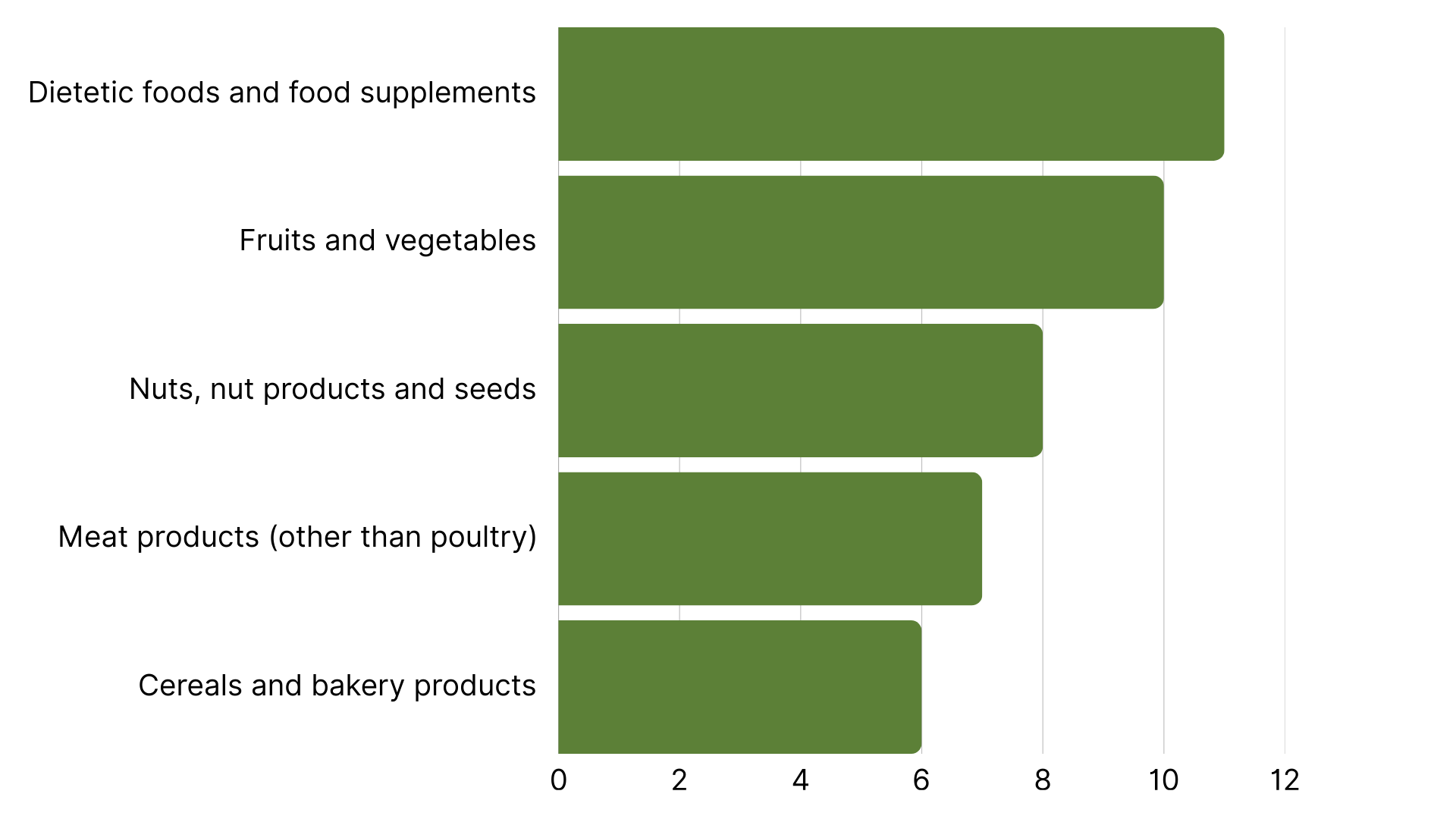
Graph 1: Top 5 Product Categories with the Most RASFF Alerts (Week 33)
Fresh produce recalls are especially concerning during late summer, when pesticide applications peak and storage conditions for cereals and nuts create opportunities for mould toxins to develop.
Fresh produce focus
The week’s alerts highlighted a broad spectrum of risks:
- Pesticide residues: Turkish fruits (methoxyfenozide, phosmet), Bangladeshi produce (carbendazim), and North Macedonian exports (formetanate) were all flagged for unauthorized substances. This reflects ongoing gaps between EU pesticide regulations and local farming practices in key export regions.
- Cereals and grains: Multiple mycotoxins and alkaloids were detected, including alternaria toxins from China, ergot alkaloids from Germany, aflatoxins from Pakistan, and ochratoxin A from France. These underline the importance of careful drying and storage to avoid contamination.
- Heavy metals: Cadmium was reported in fruits from China and Senegal, as well as herbs from China, while lead was also detected in Chinese herbs. Such cases usually point to long-term soil or irrigation water contamination.
- Microbiological hazards: Tunisian dates tested positive for norovirus, while Italian produce faced suspicion of botulinum toxin—two reminders that hygiene and traceability remain critical weak points in supply chains.
List of all fruit, vegetable, cereal, and herb recalls in Europe (Week 33, 2025)
The following entries include every notification for fruits, vegetables, cereals, and herbs/spices recalled or reported in the RASFF system from 11–17 August 2025, in the requested format:
- Peaches (Turkey): methoxyfenozide, phosmet (unauthorised substance)
- Lychees (Bangladesh): carbendazim
- Sunflower seeds (China): alternariol, alternariol monomethyl ether (AME), tenuazonic acid
- Passion fruit (Unknown origin): chlorfenapyr
- Peppers (Republic of North Macedonia): formetanate
- Wheat bran (Germany): ergot alkaloids
- Turmeric powder (Germany): chlorpyrifos (unauthorised substance)
- Organic rice (Pakistan): aflatoxin B1, aflatoxin total
- Coriander (Morocco): linuron (unauthorised pesticide)
- Frozen ceps (China): cadmium
- Dates (Tunisia): norovirus
- Mango (Senegal): cadmium
- Dehydrated ground ginger (China): cadmium, lead (high content)
- Lupins (Peru): insufficient labeling
- Frozen strawberry (Egypt): oxamyl (unauthorised substance)
- Frozen buns (Denmark): risk of pieces of rubber (length 5 cm)
- Wheat (Czech Republic): deoxynivalenol (DON)
Geographic risk patterns
Most cited origin countries
China topped the list with 8 notifications, followed by the Netherlands, Germany, Poland, and France. Turkey, the UK, and the US also featured prominently. This reflects both import volumes and recurring safety challenges.
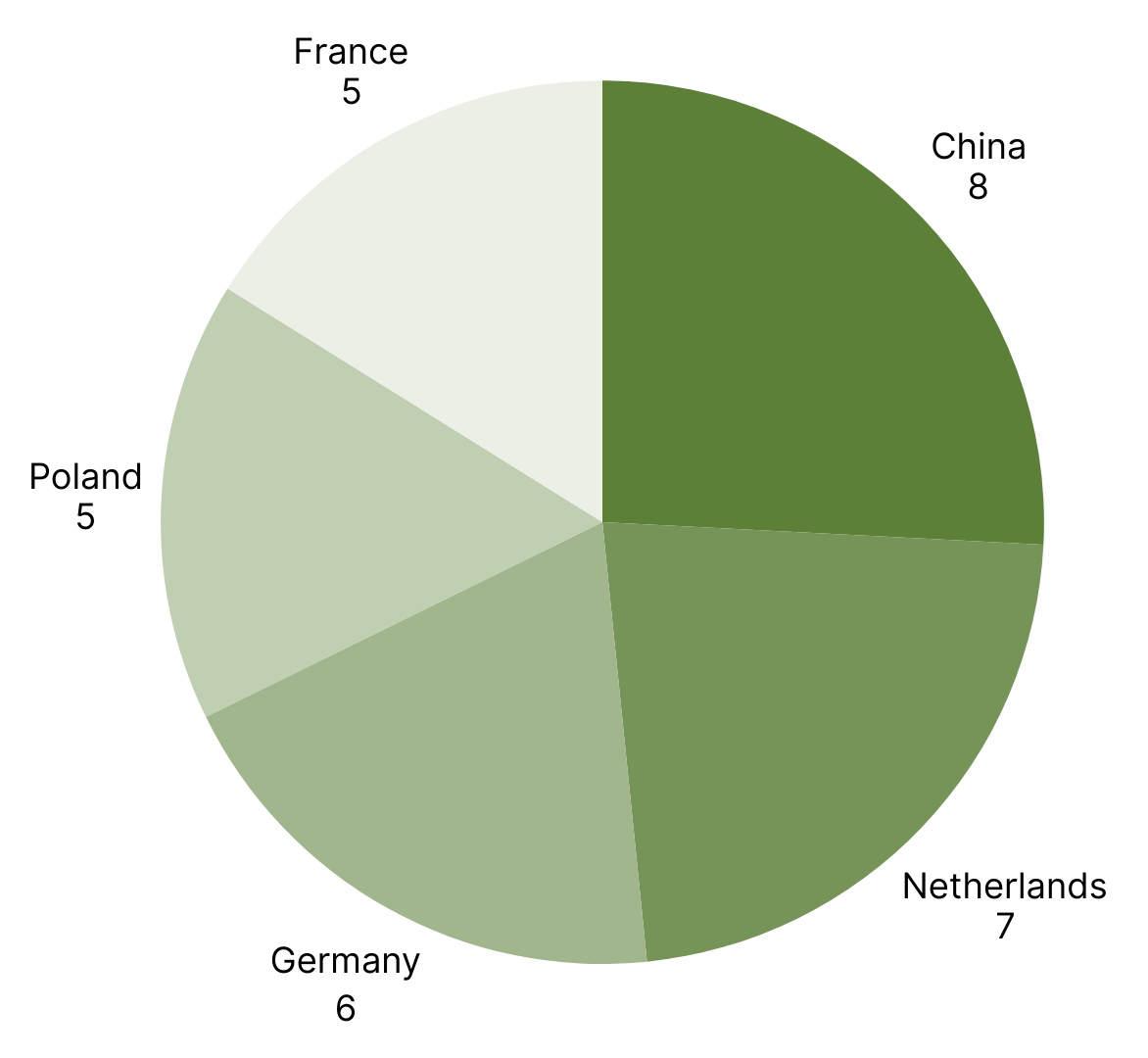
Graph 2: Top 5 Countries with the Most RASFF Alerts (Week 33)
For buyers, this means that imports from China, Turkey, and certain African suppliers require heightened due diligence in testing and documentation.
Key trends emerging
- Heavy metals: Cadmium continues to appear across multiple commodities and origins. Monitoring soil and irrigation water quality is becoming essential for farmers targeting export markets.
- Pesticide residues: Substances long banned in the EU, such as chlorpyrifos, linuron, and phosmet, are still showing up. This reinforces the need for exporters to align farm practices with EU standards rather than local approvals.
- Toxins in cereals: Alternaria toxins, ergot alkaloids, aflatoxins, and ochratoxin A underline how storage and post-harvest handling remain as important as crop protection.
- Microbiological risks: Norovirus and botulinum toxin cases remind us that food safety is not only chemical but also biological and failures can quickly erode consumer trust.
- Documentation: Several recalls were linked to improper or missing analytical reports. For suppliers, this is often the difference between market access and border rejection.
Actionable insights for farmers and buyers
- Invest in monitoring: Regular testing of soil, water, and produce for heavy metals should become a standard practice, especially in high-risk regions.
- Use only approved inputs: Align pesticide use with EU maximum residue limits (MRLs) and banned lists to avoid rejection.
- Secure post-harvest handling: Grain, nut, and seed producers should strengthen drying, storage, and transport practices to prevent mould and toxin development.
- Demand stronger documentation: Buyers should verify certificates and analytical reports from suppliers, particularly in high-notification origins like China and Turkey.
- Integrate RASFF alerts: Treat weekly updates as strategic intelligence to adjust sourcing and strengthen traceability systems.
Conclusion
Week 33 confirms a broader trend: European food markets are rewarding vigilance. Farmers and exporters who align with EU standards on pesticide residues, heavy metals, and microbiological safety are not only reducing their risk of recalls but also positioning themselves as reliable suppliers in high-value markets. For buyers, integrating food safety intelligence into procurement strategies is no longer optional but a decisive factor in securing resilient and trusted supply chains.