Genetically modified organisms explained: the science, the safety consensus, the economics, and how they are affecting the agriculture sector
Genetically modified organisms (GMOs) are plants, animals, or microorganisms whose DNA has been altered in order to confer desired traits that do not occur naturally. This is done through genetic engineering, modern biotechnology, gene technology, or recombinant DNA technology.
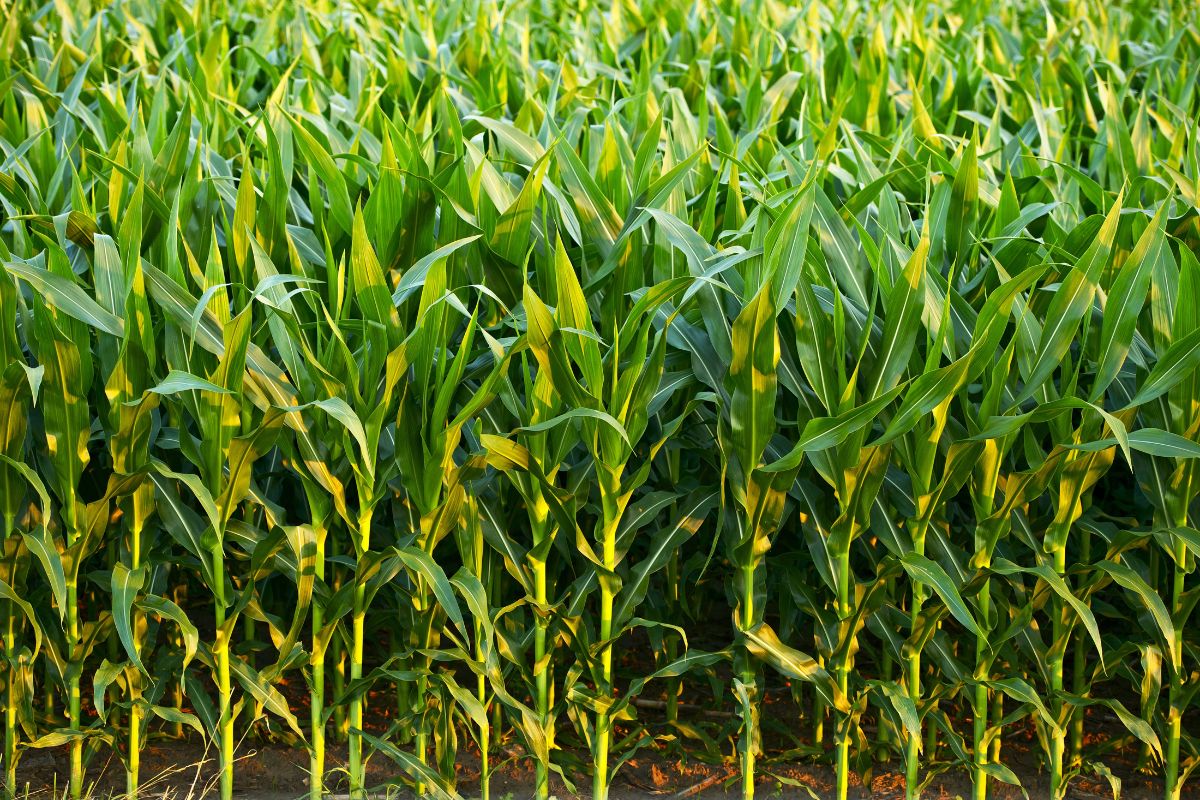
In agriculture, the goal of genetic modification is to give a crop a desirable trait it would not otherwise have, such as tolerance to a pesticide or resistance to specific insect pests. The most widely grown GMO crops worldwide are soybeans, corn (maize), cotton, and rapeseed (canola).
Here are the 3 key terms:
● GMO or GM crop: A plant genetically modified with biotechnology, usually by inserting a gene, sometimes from another species, into the plant's genome.
● GE (genetically engineered): Interchangeable with GMO; the term the U.S. Department of Agriculture uses in its data.
● Gene-edited or NGT crop: A plant that's undergone precise genetic edits using advanced technologies such as CRISPR-Cas9, usually without inserting foreign DNA. Different from classic GMOs.
How common are GMOs in agriculture?
Genetically modified crops are now a huge part of agriculture worldwide. Globally, about 190 million hectares of genetically engineered crops are planted. Herbicide-tolerant and insect-resistant traits dominate.
The United States leads the world in GM crop area, with about 74.4 million hectares reported in 2023. In this country, more than 90% of soybean, corn, and cotton acreage is planted with genetically engineered varieties.
Next is Brazil, with over 66.5 million hectares and continuing to expand, especially GM soybean and corn acreage, thanks to regulations supporting biotech cultivation.
Are GMOs safe to eat?
Studies conducted by major scientific and regulatory bodies, including the World Health Organization, the U.S. FDA, and the U.S. National Academies of Sciences, have found no evidence that approved GMO foods pose unique risks to human health.
According to the World Health Organization, GM foods available on the international market have passed safety assessments and are not likely to pose risks to human health, and no effects on human health have been observed from consuming GM foods in countries where they have been approved.
In the United States, the FDA, the Environmental Protection Agency (EPA), and the USDA jointly maintain that approved GMOs are safe for human and animal consumption. The FDA assesses GMOs through its Plant Biotechnology Consultation Program before they are sold. The U.S. National Library of Medicine's MedlinePlus reports that there are no known side effects from consuming approved GMO foods.
A key principle of GMO regulation is substantial equivalence, meaning that if a GM food is the same as its non-GM counterpart in terms of nutrition, ingredients, and safety, regulators treat it as equally safe to eat. In agriculture, organizations such as the European Food Safety Authority and the U.S. Food and Drug Administration compare GM crops with conventional crops to assess differences before approval.
A 2016 report by the U.S. National Academies of Sciences, Engineering, and Medicine reviewed more than 1,000 studies and found no significant differences in health outcomes between populations that consume GMO foods and those that do not.
A 2016 letter signed by over 100 Nobel laureates urged Greenpeace to end its campaign against GMOs, endorsing the safety of GM crops and foods, and calling on governments worldwide to accelerate farmers' access to biotechnology.
GM crops approved for sale have been tested and found to be as safe as normal crops. There is debate over how long safety studies should last; however, most major scientific and regulatory organizations agree that approved GM foods are safe for consumption.
Why is there concern surrounding GMOs?
A 2015 Pew Research Center survey found that 57% of U.S. adults considered GM foods unsafe, while 37% considered them safe. GMO risk perceptions may be shaped by negative social media influence, media coverage, or long-held biases. The idea of genetically modifying foods and crops may sound worse than it actually is, and labels that say ¨contains GMO¨ may still scare people.
Despite scientific assessments, GMO crops are still questioned over their impact on biodiversity, such as potential herbicide resistance in weeds, and have been criticized for corporate control of seed markets.
What are the benefits of GMO crops?
GMOs have accumulated lots of farm-level evidence over the last y thirty years of use. A 2014 meta-analysis in PLOS ONE pooled data from 147 studies on GM soybean, maize, and cotton. The findings were that GM technology adoption reduced chemical pesticide use by 37%, increased crop yields by 22%, and increased farmer profits by 68%. Yield gains and pesticide reductions were larger for insect-resistant (Bt) crops than for herbicide-tolerant crops. Yield and profit gains were higher in developing countries than in developed ones.
Regarding environmental analyses, it is estimated that insect-resistant and herbicide-tolerant traits reduced pesticide spraying worldwide by hundreds of millions of kilograms and reduced associated environmental impacts by almost 20%.
Herbicide-tolerant crops have enabled more no-till and reduced-till farming, which has also reduced fuel use and helped sequester soil carbon, lowering greenhouse gas emissions from farming. However, benefits depend heavily on the crop, trait, and region.
What is CRISPR and gene editing?
GM crops have been around for a while; the new story is the rise of gene editing, especially CRISPR-Cas9, which won a Nobel Prize in Chemistry in 2020.
Classic genetic modification usually inserts foreign DNA (a transgene) into a plant's genome, often in a random location. On the other hand, CRISPR makes precise, targeted edits to the plant's own DNA, without introducing any foreign genetic material. This makes gene editing more efficient, less costly, and in many cases indistinguishable from the products of conventional breeding.
This has caused a regulatory split. The USDA has not regulated certain gene-edited crops SDN-1 and SDN-2, which do not contain foreign DNA and do not exhibit pesticidal properties, treating them as equivalent to normal plants. Various other countries have adopted a similar approach: if the edited plant has no transgene and no new combination of genetic material, it may be classified as non-GMO.
There is debate over this because gene editing can insert foreign DNA, cause unintended edits, allergenicity, and possibly have adverse ecological effects.
EU gene-editing regulations
A 2018 ruling by the Court of Justice of the EU classified gene-edited crops as GMOs, blocking their cultivation. In 2023, the European Commission proposed easing those rules for "New Genomic Techniques" (NGTs).
In 2025, the Council and Parliament reached a provisional agreement on a new NGT framework. In 2026, the Parliament's environment committee (ENVI) endorsed it, and the Council adopted the regulation, with the new framework expected to apply from around mid-2028.
The new framework holds two NGT plant categories.
● Category 1 (NGT-1): Plants considered equivalent to conventionally bred varieties, which are exempt from GMO legislation and labelling (except seeds and plant reproductive material and herbicide-tolerant plants)
● Category 2 (NGT-2): Complex modifications subject to GMO assessment, authorization, and labelling.
All NGT plants must be listed in a public database and are banned from organic production.
GMO labelling
The WHO states that there is no worldwide consensus on GMO labelling. In the U.S., since 2022, GMO foods must be disclosed under the National Bioengineered Food Disclosure Standard, using the term, a symbol, or a scannable code. In the EU, GMO products are required to be labelled.
Disclaimer: The information provided on this website, including insights on GMO safety, is for general informational purposes only. While we strive to ensure accuracy and timeliness, we make no guarantees regarding the completeness, reliability, or suitability of the information presented. It is informational and not a substitute for guidance from health, agricultural, or legal professionals. Users are solely responsible for independently verifying the data and assessing its relevance to their specific circumstances before making any decisions. Wikifarmer and its operators shall not be held liable for any losses, damages, or consequences arising from the use of the information provided herein.