Key takeaways
What the science shows
- Europe had its 10th warmest April on record, at +0.50°C above the 1991–2020 mean. Spain saw anomalies up to +4°C, with record highs across much of northern, southern, and western Europe. Eastern Europe ran about 1°C below normal.
- April was drier than average across most of the continent. Parts of France, Italy, Slovakia, Hungary, and Finland posted record-low precipitation. Southeastern Europe and parts of Russia were the wet exceptions.
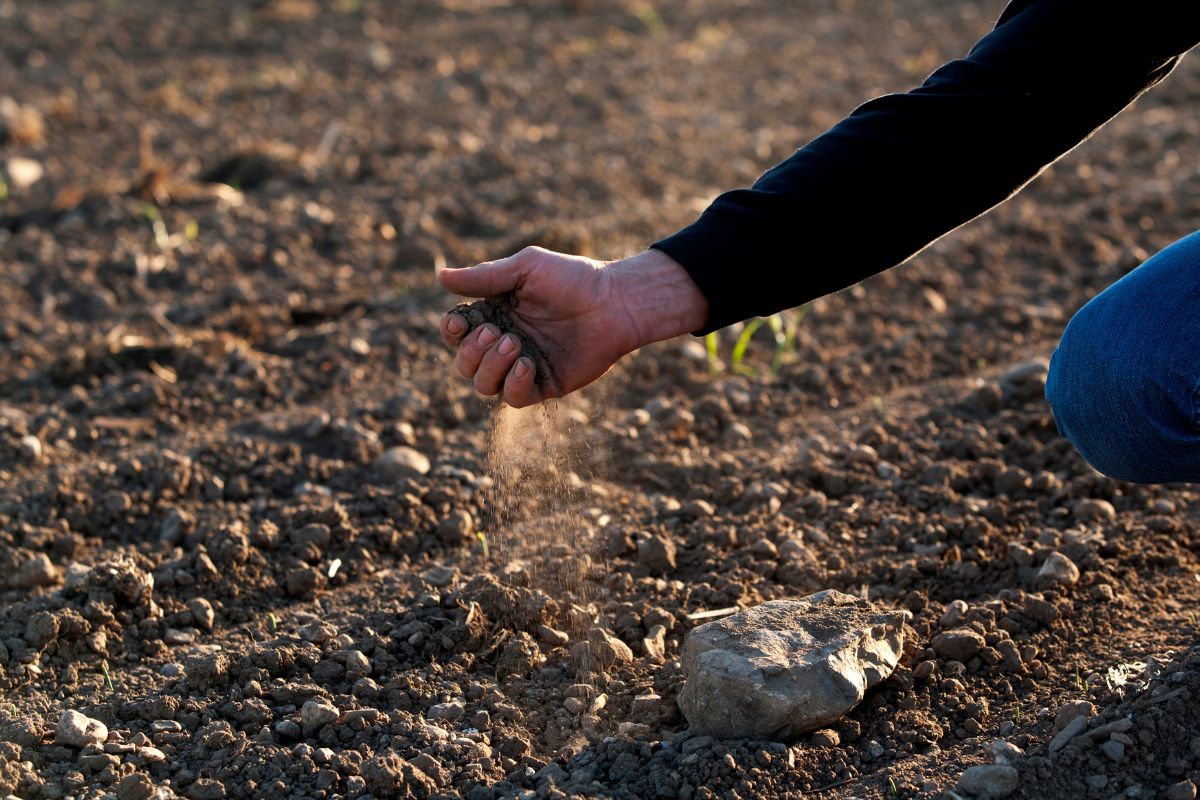
- Soils have flipped back to deficit. As of May 1st, Eastern Europe, the UK, and France are severely dry. Most of central Europe is moderately dry.
- Summer (June through August) is warm everywhere (+0.5°C to +2.0°C, locally above +1.5°C in the east). Only southern Europe and the Mediterranean get a positive precipitation signal (up to +30%). The rest of Europe trends weakly drier.
What farmers should do
- Plan for water stress now, not later. The deficit is already in place. Summer demand will meet a depleted supply.
- For southern Europe, the +30% summer rainfall signal is the season's bright spot. Plan to capture and store water, not let it run off baked surfaces.
- Advance irrigation scheduling. Don't wait for visible crop stress. Soil moisture probes will provide a more accurate reading than crop appearance.
- Protect heat-sensitive growth stages. Pollination, fruit set, grain fill, and tuber bulking are where yield is won or lost under summer heat.
What does the latest outlook indicate for summer 2026?
The picture has changed sharply over the past two months. In March, most of Europe entered spring with soil moisture at or near full capacity after a record-wet February. By May 1st, much of that recharge is gone. April was warm and dry across most of the continent, and the summer outlook keeps the warmth in place while offering only patchy relief from precipitation.
April was Europe's 10th warmest on record, averaging +0.50°C above the 1991–2020 mean. The continental average hides a striking regional split. Many parts of northern, southern, and western Europe recorded record-high temperature anomalies. Spain saw anomalies of up to +4°C, an exceptional reading even for a region that has run warm recently. Eastern Europe went the other way, sitting about 1°C below normal.
This analysis is based on seasonal climate data from the Augures project. The full climate outlook, including regional forecasts and interactive maps, is available in the Seasonal Climate Outlook for Europe – May 2026.
Precipitation broke records in the opposite direction. Parts of France, Italy, Slovakia, Hungary, and Finland posted record-low rainfall for April. Southeastern Europe and parts of Russia were the only major exceptions, with record-high precipitation anomalies.
The soil moisture field has caught up with these conditions. Eastern Europe, the UK, and France now show severely dry conditions. Most of central Europe runs moderately dry. The gains banked by February's heavy rain have been spent on the warm, dry April that followed.
The summer outlook (June through August) keeps temperatures above normal everywhere. Positive anomalies of +0.5°C to +2.0°C are projected for all of Europe, with the east locally exceeding +1.5°C. Precipitation is more divided. Southern Europe and the Mediterranean show a strong positive signal of up to +30%. The rest of the continent trends weakly drier (around –10%). Negative soil moisture anomalies are projected to persist across most of Europe through the summer.
Why a warm, dry April changes the summer management equation
The shift from the March outlook is worth noting directly. Two months ago, the question for farmers was how to manage abundant moisture without compacting wet soils. Today, in most of Europe, the question is how to ration limited moisture amid a season that will demand more. The same farmers who were waiting for fields to drain in March are now watching topsoil bake.
Severely dry soils before summer matter because they remove the buffer that field crops typically draw on through July and August. In a normal year, deep soil moisture acts as a reservoir that crops tap as surface layers dry. With root-zone reserves already depleted in major arable regions, that buffer is largely gone. The first sustained heat wave will move crops into water stress faster than usual.
The forecast warmth compounds the problem. Higher temperatures increase evapotranspiration, thereby increasing crop demand. Crops at peak demand stages, like flowering in cereals, fruit fill in tree crops, and tuber bulking in potatoes, will pull harder against soils that have less to give.
The Mediterranean precipitation signal is the bright spot, and the planning question there is how to use it well. A summer rain forecast of +30% can either recharge depleted soils or run off them, depending on residue cover, surface structure, and irrigation timing. Captured, that water can carry crops through the rest of the season. Lost to runoff, it does little for yield.
.jpg)
Climate outlook for the upcoming June-August period in Europe based on the seasonal forecasts issued in May 2026. Multi-model mean 2m-temperature anomaly.
Where the risks and opportunities land by region
Iberian Peninsula and western Mediterranean
Spain's April was exceptional. Temperature anomalies of up to +4°C, combined with record-high readings across much of the country, pushed evapotranspiration well above seasonal norms. Portugal and southern France ran warm as well. The wet-winter gains in Iberia have eroded faster than the March recharge pattern suggested.
The summer forecast brings the surprise. Southern Europe and the Mediterranean are projected to receive positive precipitation anomalies of up to +30% through June, July, and August. After two years of dry summers, that is a meaningful shift, even with the usual uncertainty in summer precipitation forecasts.
The practical question is moisture capture. Dry, compacted topsoil sheds rainfall rather than absorbing it. Maintaining residue cover, controlling weeds before they exhaust deeper reserves, and timing irrigation to keep surface structure receptive will determine how much summer rain reaches the root zone. For perennial systems, the season may turn out better than the spring start suggested, provided the rain materializes and infiltrates.
Southeastern Europe and the Balkans
Southeastern Europe was one of the wettest regions in April, posting record-high precipitation. Romania, Bulgaria, Serbia, and parts of Greece carried that moisture into May.
The summer outlook splits the region. Greece, southern Italy, and the southern Balkans fall into the Mediterranean +30% precipitation zone. The northern and central Balkans sit in the weakly drier band that covers most of Europe. All of southeastern Europe sees positive temperature anomalies, with the eastern parts approaching +1.5°C.
Where soils still hold spring reserves, the focus is on conservation. Maintain ground cover, keep weeds from pulling from deeper layers, and time field operations to limit moisture loss. Heat stress on maize during pollination is the leading risk; spring planting decisions will determine whether silking lands in the hottest window. For sunflower and sugar beet, watch for heat-induced stomatal closure during midday peaks.
Northeastern Europe
The northeast is now in a tougher position than the March outlook suggested. April ran about 1°C below the European mean, and Finland recorded record-low precipitation. Soil moisture remains severely dry across eastern Europe and runs moderately dry through the Baltic region.
The summer outlook brings the warmth that did not arrive in April. Eastern Europe carries the highest summer temperature anomalies on the continent, locally above +1.5°C, with precipitation tilting weakly negative. Crops that were tracking near-normal in April will face accelerated demand once summer warmth settles in.
For winter cereals already at heading or grain fill, the dry, warming combination is the worst for yield. Nitrogen and other inputs should be timed to crop stage rather than calendar dates; warmer summer conditions will push development forward faster than in recent seasons. Spring-sown crops should be assessed for stand uniformity and root development now, before summer heat compounds any establishment weakness.
Central and western Europe
Central and western Europe took the sharpest hit on moisture. Record-low April precipitation in parts of France, Italy, Slovakia, and Hungary, combined with record-high temperatures, drained soils that had been comfortably above average two months earlier. The UK and France now sit in the severely dry band; Germany, Benelux, and Italy run moderately dry.
Summer keeps warming and drying. Precipitation tilts weakly negative (around –10%) on the multi-model mean, and temperature anomalies fall in the +0.5°C to +1.5°C range. For winter wheat and barley reaching grain fill, the next four to six weeks will determine yield more than any other decision.
Irrigation scheduling should be advanced. Where irrigation is available, the deficit is already in place, and waiting for visible stress will arrive at lost yield. For rainfed systems, the priority is protecting whatever moisture remains. Conservation tillage, residue cover, and aggressive weed control all matter more this year than in a normal one.
.jpg)
Climate outlook for the upcoming June-August period in Europe based on the seasonal forecasts issued in May 2026. Multi-model precipitation anomaly.
What to watch in specific cropping systems
Winter wheat, barley, and oilseed rape are entering grain fill or already in grain fill across most of Europe. Dry soils and forecast summer heat are the worst possible combination for the reproductive window. Yield potential built up through winter and early spring can be lost quickly in May and June if grain fill compresses under stress. Disease pressure may decrease in dry regions, but nutrient uptake will slow as soils dry. Any late top-dressings risk sitting on the surface and becoming unavailable in severely dry regions.
Perennial crops (vineyards, olive groves, deciduous fruit) face mixed conditions. Mediterranean systems may benefit from the projected +30% summer precipitation if it falls evenly. Central and western European perennials carry more risk. Stone fruit and pome fruit at fruit fill, vines at flowering and berry set, and olives at flowering are all known to be sensitive to combined heat and water stress. Frost is well past as a concern; the watch shifts to extreme heat events and the timing of any irrigation pulse.
Spring-sown crops (maize, sunflower, sugar beet, potatoes, vegetables) face the heaviest exposure. These crops have their peak water demand ahead of them, in July and August, when both soil moisture and forecast precipitation are limited across most of Europe. For maize, the silking window is the single most sensitive stage to combined heat and drought. Where planting was delayed into a warmer May, silking may land squarely in the hottest summer weeks. Sugar beet and potato yields are particularly sensitive to root-zone moisture during bulking; rationing decisions may be needed if irrigation supply tightens.
What to do now
The conditions facing European farmers in mid-May 2026 are different from those facing them in mid-March. The opportunity to manage wet soils carefully has passed. The work now is to manage limited soil moisture against a warm, demanding summer.
In dry regions (eastern Europe, UK, France, much of central Europe), conserve every drop of remaining moisture. Maintain residue cover, control weeds aggressively before they draw down deeper reserves, and advance irrigation scheduling based on soil moisture probes rather than crop appearance. Where irrigation is unavailable, prioritize the highest-value crops and growth stages.
In wet regions (southern Europe, the Mediterranean, parts of the southeast), prepare for the projected summer rainfall. Keep the surface structure open so rain infiltrates. Maintain ground cover to slow evaporation between rain events. Where irrigation is available, time it to complement forecast rain rather than duplicate it.
Everywhere: monitor heat-sensitive growth stages closely. Pollination, fruit set, grain fill, and tuber bulking all carry yield penalties under combined heat and water stress that cannot be recovered later. Watch local forecasts for extreme heat events; the seasonal forecast does not resolve those, but field-level decisions can be adjusted in the days before they arrive.
Working with what we know and what we do not
Seasonal forecasts give the most likely average conditions over months, not the daily weather that determines whether a crop comes through a critical window. The summer 2026 outlook signals warmth with high confidence and precipitation deficits with moderate confidence across most of Europe. The Mediterranean precipitation signal is unusual and warrants serious attention. Still, summer precipitation forecasts carry more uncertainty than winter ones, and the +30% figure is a multi-model mean rather than a guarantee.
The fast reversal from March to May is itself a reminder. Two months ago, the warning was that wet-winter gains could draw down quickly under a warm spring. That has happened, faster than expected, in some regions. The lesson is how short the window can be between favorable and unfavorable conditions when seasonal trends accelerate.
Soil moisture, irrigation readiness, and stage-based input timing are the levers farmers can still pull through summer. The weather and the forecast are no longer favorable for most of the continent. The variables that remain under control are worth pulling well.
Note: This article provides guidance based on the latest seasonal outlook data available. Farmers should monitor local weather conditions and consult with regional agricultural extension services for location-specific recommendations.