
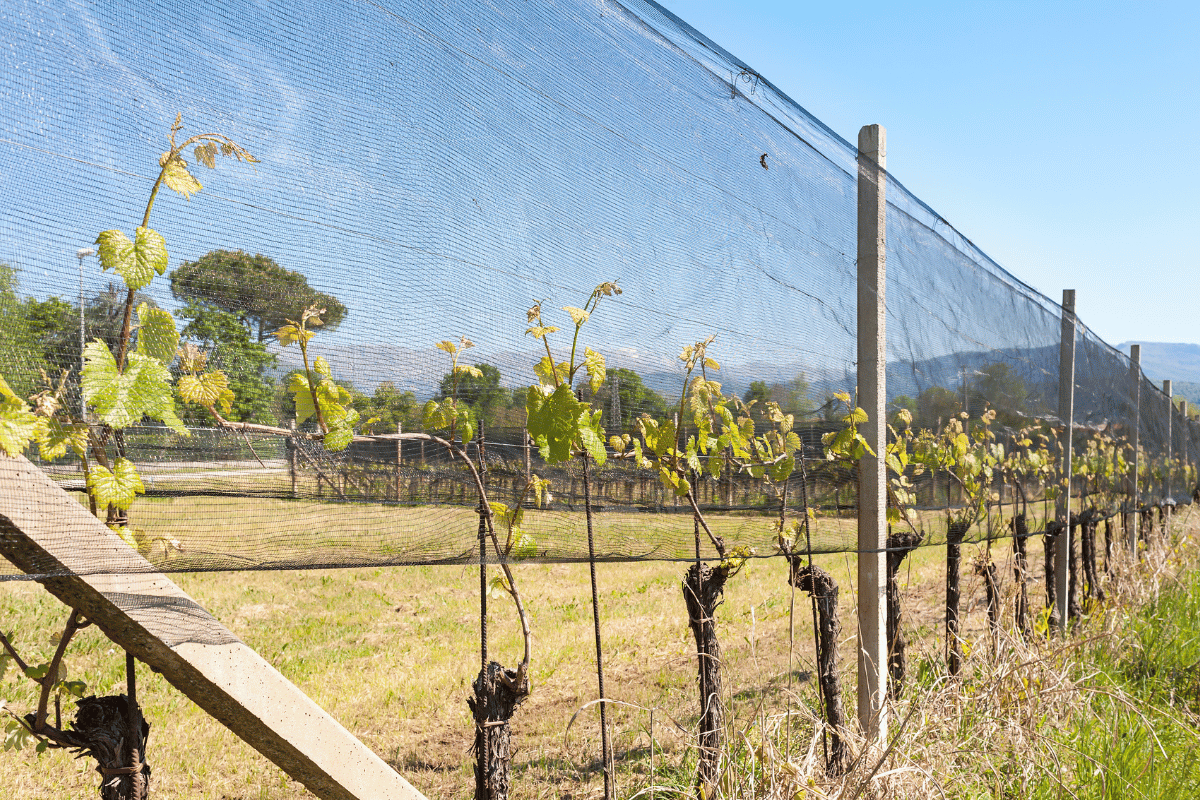
On Sunday 24 May 2026 a severe hailstorm, accompanied by heavy rain, struck vineyards in parts of the Tyrnavos region of central Greece, leaving serious damage on the young growth. The emergency bulletin issued straight afterwards by the Volos Regional Plant Protection Service is clear about timing. The intervention has to happen fast, within 24 to 48 hours, and the reason lies in what is happening on the wounded vine during those first hours.
Why can't the spray wait
Hail does more than the visible damage of broken shoots and torn leaves. It leaves countless small wounds across the canopy, and those wounds are exactly where fungi and bacteria find their way into the plant. They need only two things to establish themselves, injured tissue and moisture, and after a hailstorm, there is plenty of both, since the rain that comes with hail keeps the wounds wet for hours.
The longer it lasts, the farther the infection spreads from the damaged areas into the healthy parts of the vine. A spray within the first twenty-four hours protects the tissue before infection takes hold, while after the second day the infection has usually already begun and the benefit of spraying drops sharply. That narrow window largely decides whether the vineyard recovers cleanly or slips into a cycle of successive infections.
What to spray
The basis of protection after hail is copper-based products. Copper forms a protective layer over the injured tissue and blocks fungi and bacteria from entering the canopy. Because the damaged inflorescences are among the most vulnerable points, it makes sense to combine the copper with a product against botrytis, which finds everything it needs in wounded floral tissue and whose infection now can carry consequences all the way to harvest. Downy mildew and powdery mildew are the other constant threats in a wet spring, and a broader look at common grapevine diseases helps put the season's pressure in context.
The biggest risk at this stage is phytotoxicity. The growth is already tender and wounded, and copper at the wrong dose or the wrong time of day can scorch it instead of protecting it. For that reason, stick strictly to the label rates and avoid spraying during the hottest hours of the day.
Don't overlook powdery mildew
One scenario catches many growers off guard, and it is the weather that follows the storm. When the unsettled, wet and windy spell gives way to hot, dry conditions, the setting becomes ideal for powdery mildew. If the vineyard has a history of infection, it is wise for the post-hail treatment to cover that risk from the start, so a second pass is not needed just a few days later.
Removing the destroyed growth
The shoots, leaves and inflorescences that took the worst of the hail will struggle to recover, and as long as they stay on the vine or fall to the vineyard floor, they too become sources of infection for the rest of the healthy plant. Collecting and removing them from the vineyard is part of the intervention itself, not a job to be left for later.
Frequent checks in the days that follow
After the first treatment, the vineyard needs close watching. At this time of year, an infection develops quickly, and the sooner it is spotted, the more cheaply and effectively it is dealt with. A few regular walks through the vines, every two or three days, are worth more than any spray applied blindly.
Choose a copper product and a botrytis product approved for grapevine, and cross-check the active ingredient against the national register of approved plant protection products before applying.
Every plant and growing environment is unique. Conditions vary considerably with region, exposure, water quality, soil pH and overall plant health.
If you suspect a serious nutrient deficiency or disease that doesn't respond to basic practices, consult a qualified agronomist for accurate diagnosis.
Plant protection products must be used with care and responsibility. Always try non-chemical methods first (cultural practices, insecticidal soap, summer oil). When chemical intervention is necessary, use only approved products and follow label instructions.