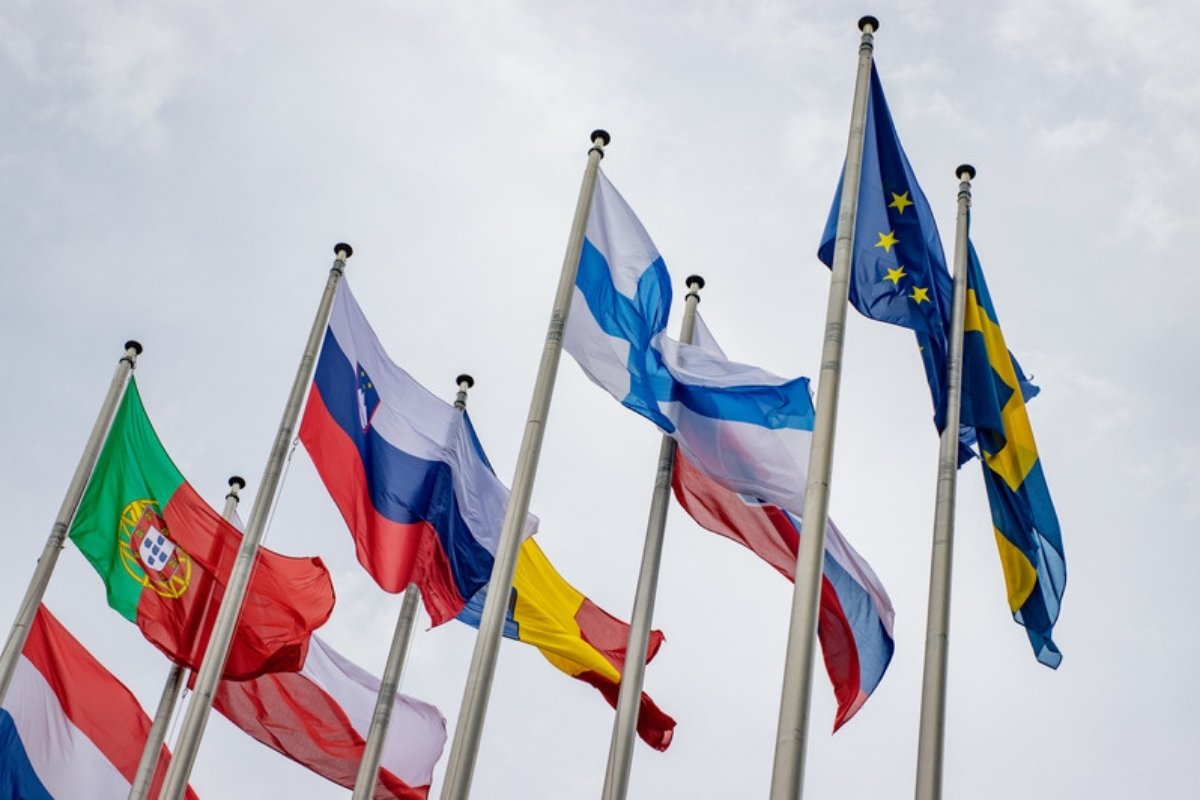
EU agriculture ministers unanimously agreed on 26 October in Luxembourg the Council's position on the regulation for the 2028-2034 Common Agricultural Policy (CAP), after a 12-hour meeting according to the Spanish agriculture ministry. The position is partial, because it leaves out financial issues such as the size of the budget, capping and the gradual reduction of payments, which will be settled in the negotiations on the EU's next multiannual budget, according to the Council. With this position the Council opens negotiations with the European Parliament.
What the ministers agreed
According to the Council, the position aims at simpler and better-targeted support, focused on active farmers, meaning those engaged in a minimum level of agricultural activity, on young farmers and on small farmers, with better tools for risk and crisis management and more flexibility for member states. The two CAP funds would be merged into one structure within the National and Regional Partnership Plans, a definition of active farmer becomes mandatory, young farmers would receive a mandatory higher direct payment and the mechanism for redistributing support becomes optional. The text also refers to farmers' working conditions and work-life balance.
Among the last changes to the text, according to Agence Europe, are transitional national aid, the option for member states to pay insurance schemes or mutual funds directly on farmers' behalf, and clarifications on coupled support for oilseeds. The debate matters directly for Greece, as the Eurobarometer on what Greeks expect from the CAP shows, with 77% naming reasonable food prices as the first objective.
The money is left to the budget negotiations
The total CAP funding and the budgetary elements of the text have not been settled, and will be decided by heads of state and government as part of the overall agreement on the 2028-2034 budget. The Commission has proposed to ring-fence about EUR 300 billion for farmers' income support, but that figure is a proposal and not part of the agreement. According to the Spanish agriculture ministry, the financial chapter has to be closed in the European Council within the next two months.
Greece asked for support for farmer-led processing
Greece asked that investments in the processing and marketing of agricultural products, when made by farmers themselves, be eligible for CAP funding, according to Agence Europe. Bulgaria welcomed the retention of transitional national aid, Slovakia repeated its reservations about capping, Romania regretted the lack of flexibility on risk management and Poland asked for CAP investments to be exempted from the principle of doing no significant environmental harm. France regretted that its requests on land eligibility and sectoral interventions had not been accepted, and Italy the absence of any reference to social conditionality, but the Presidency recorded unanimous support for the text.
The Commission wanted more mandatory tools
Agriculture Commissioner Christophe Hansen noted that the Commission had wanted certain tools to be mandatory, while the Council preferred more optional measures. He argued that organic farming targets should stay mandatory and come with financial instruments, and stressed the importance of agricultural insurance and risk management. On the environmental side, BirdLife criticised the position for favouring fewer conditions and more flexibility in CAP spending.
The next step is trilogue negotiations between the Council, Parliament and Commission on the final shape of the regulation, as the Irish Presidency noted. Earlier, on 19 October, the Council had agreed its position on the regulation for the common organisation of agricultural markets in the same way.
Sources
- Council of the EU. (2026). MFF 2028-2034, Council secures negotiating position for a strong and future-oriented common agricultural policy. 26 October 2026.
- Council of the EU. (2026). Agriculture and Fisheries Council, 26 October 2026, main results.
- Council of the EU. (2026). The common agricultural policy explained.
- Irish Department of Agriculture, Food and the Marine. (2026). Minister Heydon secures unanimous agreement on Council position for the Common Agricultural Policy post-2027. 27 October 2026.
- Spanish Ministry of Agriculture, Fisheries and Food. (2026). Luis Planas valora el acuerdo sobre la PAC. 27 October 2026.
- Agence Europe. (2026). European ministers reach common position on 2028-2034 CAP. 27 October 2026.
- BirdLife. (2026). EU agriculture ministers choose fewer conditions and more flexibility for CAP spending. 27 October 2026.