










Lavender Pruning
Pruning is one of the most critical practices for maintaining healthy lavender plants, whether you're cultivating them for ornamental purposes or commercial essential oil production. Understanding the proper techniques and timing can significantly impact your plant's longevity, flowering capacity, and overall vigor.
A Comprehensive Guide for Optimal Growth and Essential Oil Production
Pruning is necessary for the development and protection of our plants. Many farmers cut the flowering stems when the first buds open during the first growing season, so as to help the plants develop. After this, we can say that lavender plants need pruning once a year. Some very experienced farmers prune their plants during spring, but late summer or early autumn pruning (after harvest) is more common. Especially when we grow lavender for essential oil, in most cases we harvest only the flowering tops, and we leave the stems untouched. In this case, after the harvest we must prune every lavender plant to half of its size (leaving 1/3 of each year's growth), so as to encourage new growth. Pruning woody parts of the plants must be avoided.
Timing Considerations for Commercial Operations
The optimal pruning window is critical for commercial success. Late summer pruning should occur at least 6 weeks before the first frost to allow new growth to harden off for winter protection. This timing ensures plants develop sufficient protective growth while avoiding the risk of frost damage to tender new shoots.
For farmers in colder climates, spring pruning offers better winter survival rates, though it may reduce the current year's flowering potential. Wait until you see green growth emerging from the base before spring pruning to avoid cutting living tissue.
Equipment and Efficiency
Hand Tools for Small Operations
- Sharp bypass pruning shears for individual stems and precise cuts
- Curved sickles with serrated blades for efficient stem cutting
- Hedge shears for shaping and bulk pruning of established plants
Mechanical Solutions for Large Farms
Commercial operations increasingly use specialized lavender harvesters that can simultaneously harvest and prune. These machines can reduce harvesting time from 8 hours per 600-foot row to just 15 minutes, while providing the pruning cut at the optimal height for plant health.
Critical Success Factors
Visual Indicators for Proper Cutting
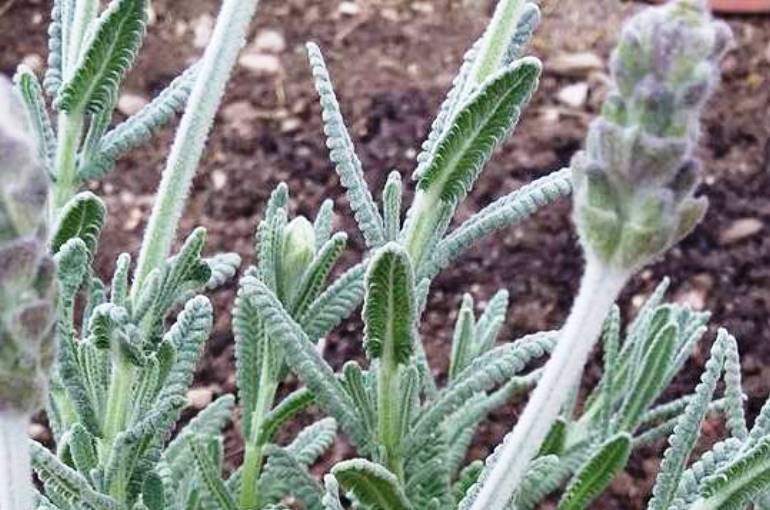
Always ensure green leaves remain visible on stems after cutting. The plant's ability to regenerate depends entirely on maintaining living tissue above the cut. Never cut into brown, woody stems as lavender cannot produce new growth from these areas.
The "Handful Method"
Many experienced farmers use the practical approach of grasping stems by the handful and cutting back to where green growth begins. This method naturally follows the plant's growth pattern and ensures cuts remain in viable tissue.
Economic Impact of Proper Pruning
Essential Oil Production Benefits
Proper pruning directly affects essential oil yield and quality. Well-pruned plants produce more uniform flower spikes, which are essential for consistent oil concentration. Commercial farms report that consistent annual pruning extends productive plant life from 6-8 years to 15-20 years, significantly improving long-term investment returns.
Labor Efficiency
Pruning immediately after harvest combines two operations, reducing labor costs and equipment passes through the field. This approach is particularly valuable when using mechanical harvesters that can be configured to leave stems at the optimal pruning height.
Common Pitfalls to Avoid
Over-Conservative Pruning
Many farmers, concerned about plant survival, prune too lightly, leading to woody, unproductive plants. Research from commercial lavender farms shows that harder pruning actually extends plant life and improves productivity.
Late Season Pruning
Avoid pruning after August in temperate climates as this stimulates tender growth vulnerable to frost damage. Plants need adequate time to develop cold-hardy tissue before winter dormancy.
Regional Adaptations
Mediterranean-Style Climates
In areas with mild winters, more aggressive pruning is possible, with some commercial operations cutting plants back to 9 inches (~23 cm) high immediately after flowering.
Temperate and Cold Climates
Conservative fall pruning with more extensive spring cleanup works better where winter damage is common. Focus fall pruning on removing spent flowers and light shaping, saving heavier pruning for spring when winter damage is visible.
Maintenance Schedule for Commercial Success
Year 1: Remove all flower buds to encourage root development
Year 2+: Establish annual pruning routine immediately after harvest
Every 3-4 years: Assess plants for excessive woodiness and consider renovation pruning
Every 15-20 years: Plan for field renovation or replanting cycle
1.) Lavender Plant Information
2.) How to grow Lavender at home
3.) Growing Lavender for Profit
4.) Lavender Growing Conditions
5.) Sowing Lavender - Seeding Rate - Number of Lavender Plants per Hectare
6.) Lavender Water Requirements
7.) Lavender Fertilizer Requirements
8.) Lavender Pruning
11.) Lavender Essential Oil Yield
Do you have experience in Lavender cultivation? Please share your experience, methods and practices in the comments below. All the content you add will be soon reviewed by our agronomists. Once approved, it will be added to Wikifarmer.com and it will influence positively thousands of new and experienced farmers across the world.