

How to grow and maintain jade plants
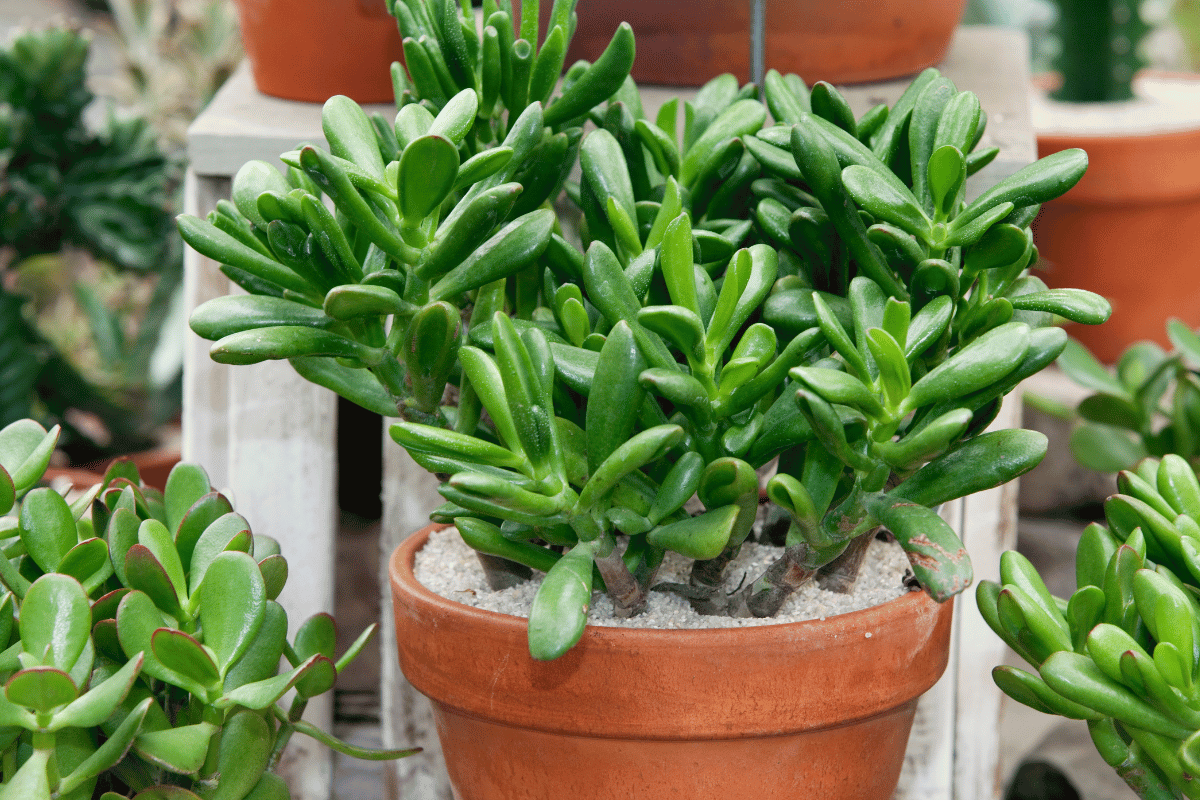
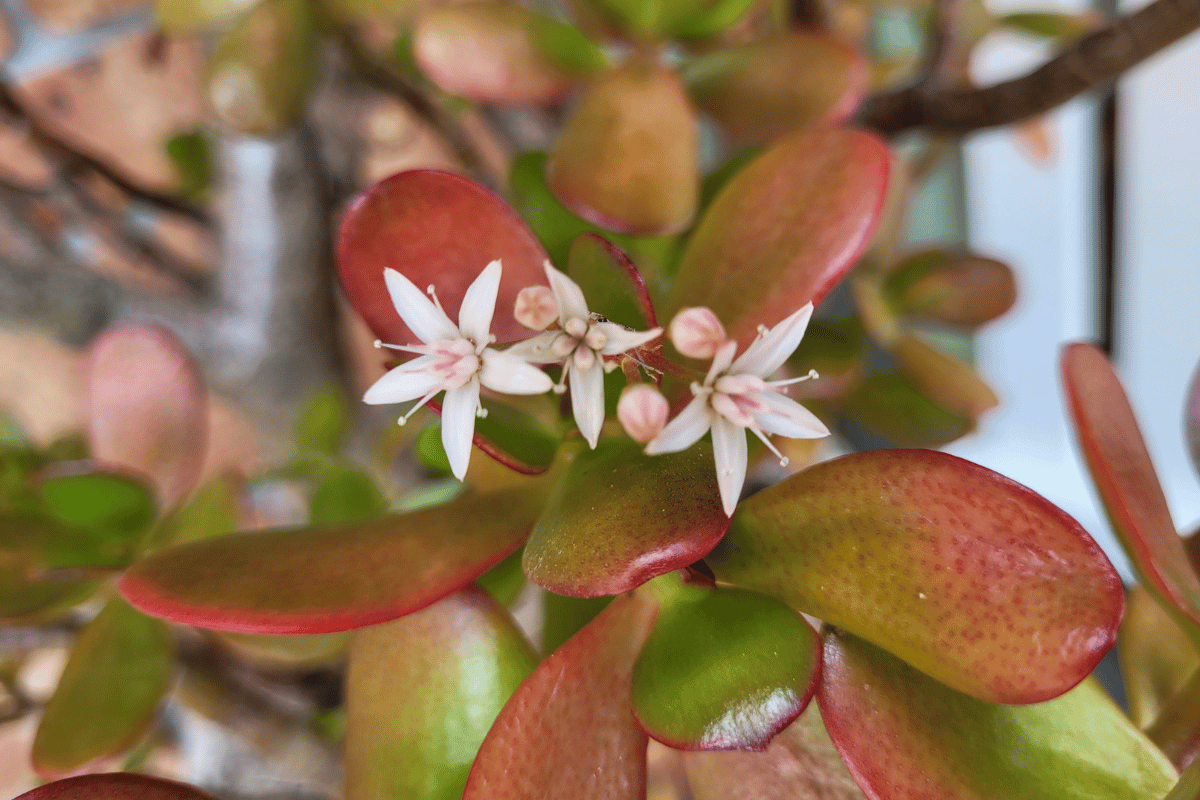
The jade plant (Crassula ovata), also called the money plant or friendship tree, is one of the most popular indoor succulents. Native to Southern Africa and Mozambique, this hardy plant is loved for its plump, glossy, oval leaves and its ability to thrive for decades with the right care. Jade plants can grow up to 1–2 meters (3–6 feet) tall in warm regions, but when grown in containers, they stay smaller and often develop a tree-like or bonsai form. Small clusters of star-shaped pink or white flowers may appear in winter under the right conditions.
Jade plant symbolism
In many cultures, the jade plant symbolizes prosperity and good luck, making it a common housewarming or gift plant. Beyond its symbolism, jade is a low-maintenance houseplant that fits perfectly into both beginner and advanced gardeners’ collections.
Light requirements
Light is the most important factor in successful jade plant care. Indoors, place the plant near a south- or west-facing window where it can receive 4–6 hours of bright light daily.
- In low light, jade plants grow leggy and lose their compact form.
- Bright light helps leaves develop a red tint on the edges, which many gardeners find attractive.
- If natural light is limited, use a full-spectrum grow lamp for 10–12 hours a day.
When moving jade plants outdoors in summer, acclimate them gradually to prevent sunburn. Always bring them indoors before temperatures drop below 10 °C (50 °F), as they cannot survive frost (University of Wisconsin Extension).
Temperature & Humidity
Jade plants prefer warm, dry conditions. Daytime temperatures around 60–75°F (15–24°C) are ideal, and they handle typical indoor humidity and even hot dry air well. They can tolerate a wide range of temperature and relatively low humidity. We should avoid cold drafts or prolonged exposure below about 40°F. Jade is not frost-hardy – it may survive a light winter frost, but full freezes will kill it.
Regional notes
- In Mediterranean climates (e.g., southern Europe), jade can grow outdoors year-round if protected from occasional frost.
- In temperate regions, jade should be overwintered indoors.
- In subtropical climates, they can thrive outdoors with light shade during the hottest months.
Jade plant soil and potting mix
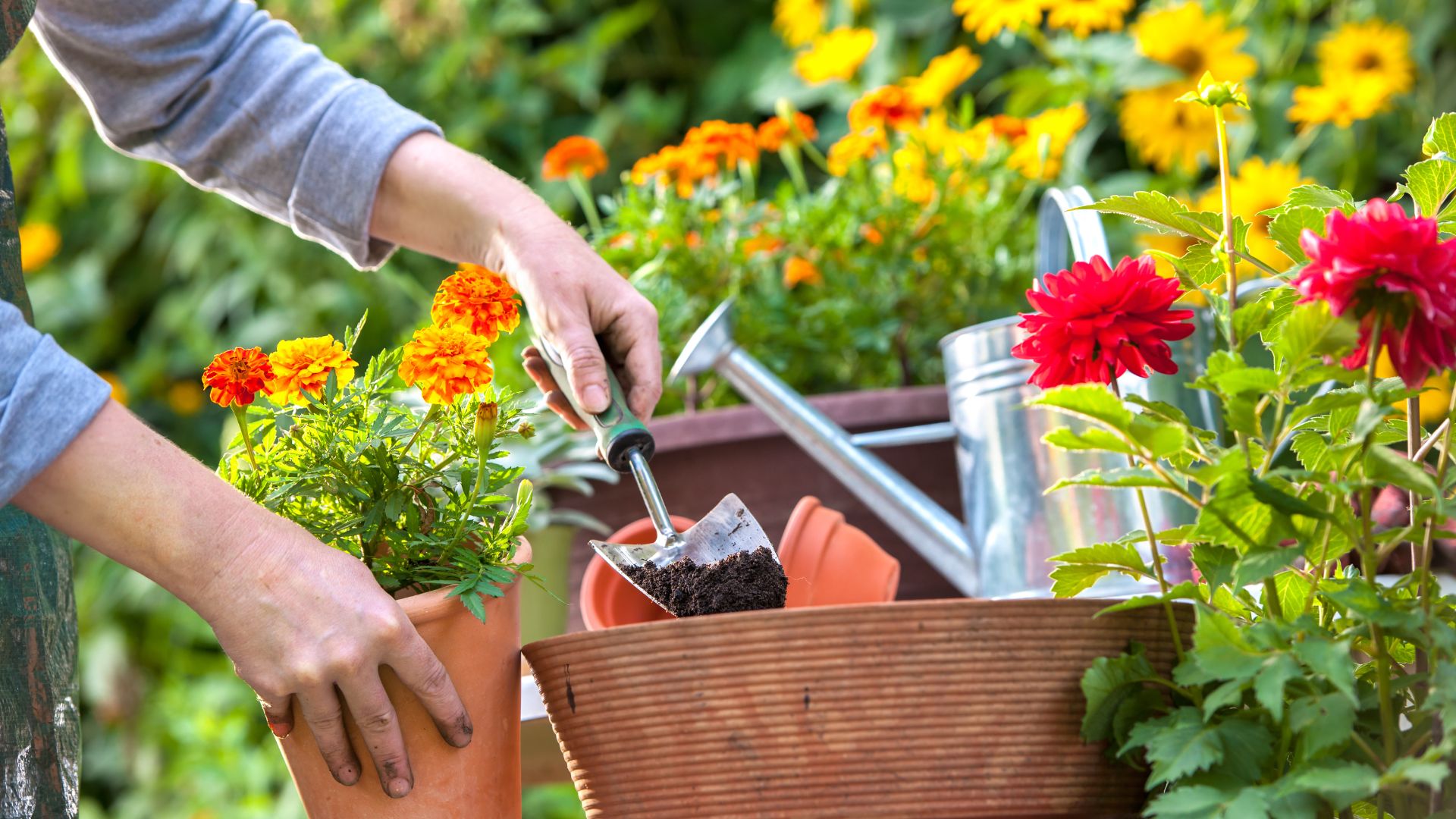
Use a well-draining soil mix formulated for succulents. A commercial cactus/succulent mix is ideal, or blend regular potting soil with coarse sand, perlite, or small gravel. The goal is a mix that dries quickly so the roots never sit in water. Clay or terra-cotta pots are preferred (they are porous and help soil dry faster). Jade has a relatively small root system and actually likes to be slightly root-bound, so we should avoid plant it in an overly large container. If roots start circling the pot or the plant becomes top-heavy, we should repot in spring into the same size or just one pot size larger. When repotting, it is best to prune any rotted roots and trim stems as needed to keep the plant’s shape. After repotting, we should wait a month or so before fertilizing, and water sparingly until the plant re-establishes.
Watering Jade Plants
Watering is the most common challenge in jade plant care. As succulents, jade plants store water in their leaves and stems, making them tolerant of drought but very sensitive to overwatering.
- General rule: It is recommended to water only when the top 2–3 cm (1 inch) of soil is completely dry.
- Growing season (spring–summer): Watering more frequently is best, but always allow the soil to dry between waterings.
- Dormant season (fall–winter): We should reduce watering to once a month or less, and keep the soil on the dry side to mimic winter rain pattern.
Over-watering is the most common mistake. Succulent roots will rot in wet soil, causing yellowing, soft or “squishy” leaves, and eventual collapse. You've likely overwatered if leaves are dropping or the stem is mushy.
Conversely, too little water shows as shriveled or wrinkled leaves and slowed growth. In spring and summer (active growth season), you can water more generously (but still allowing drying between waterings). Hard water salts can build up in soil; using rainwater or filtered water (or letting tap water sit overnight to dissipate chlorine) can prevent leaf tip burn.
Watering Tips
- Always err on the dry side. Jade tolerates drought much better than wet feet.
- Good drainage is a must – never let a jade sit in a saucer of water.
- Yellow translucent leaves or leaf drop usually mean overwatering.
- Wrinkled, thin leaves mean underwatering.
Fertilization
We should feed jade plants lightly during the growing season (spring and early summer). A balanced, water-soluble houseplant fertilizer at half strength once or twice in spring is sufficient. Some agronomists recommend fertilizing every 2–3 months during active growth. We should avoid fertilizing in fall or winter when the plant is resting. Over-fertilizing can force soft, leggy growth, so lean towards dilute solutions.
"Pollinator-Friendly Gardening: A Beginner’s Guide"
Check this useful online course
Pruning & Propagation
Jade responds well to pruning, which keeps it compact and encourages branching. The best time to prune is in spring as new growth begins. Using clean, sharp shears, we should cut back stems just above a leaf node or “ring” on the stem. If it is crossed, it is best to remove broken or old woody stems to open up the plant. Pinching or trimming leggy tips will stimulate side shoots and give a fuller shape. Pruned stems and leaves will callus over in a few days and then sprout new growth. Bonsai-style shaping is popular with jade – with judicious cuts, you can create a thick “trunk” with tiered branches.
Jade is very easy to propagate from cuttings. Both stem tips and even single leaves can root. Snip a 2–4 inch (~5-10 cm) stem cutting (or gently twist off a leaf) and let it dry (callus) for a few days. Then insert the cut end into dry, well-draining soil. Keep the cutting warm and the soil barely moist – roots should form in a few weeks. In fact, in the wild, any fallen leaf or stem that touches soil will often root quickly. Cuttings root fastest in warm summer, but can be done year-round. (Propagation by seed is also possible but less common.)
Common Problems & Pests
Jade plants are relatively trouble-free, but watch for these issues:
- Overwatering/Root Rot: As noted, too much water will turn leaves yellow and fall off, and the stem will rot. Always let soil dry fully between waterings.
- Underwatering: If leaves are shriveled or falling, try slightly more frequent watering.
- Sunburn: Direct midday sun on an unacclimated jade (especially outdoors) can scorch leaves. Leaves that have turned brown and crispy are sunburned. If moving outdoors, increase light gradually.
- Pests: Mealybugs are the most common pest – look for white cottony patches at leaf joints. Treat by dabbing them off with a cotton swab dipped in rubbing alcohol. Scale insects and spider mites can also occur; again, gently wiping leaves with alcohol or soapy water often controls them. (Avoid oil-based sprays on succulents as they can damage the leaves.)
- Diseases: Rare in jade if kept dry, but overwatering can invite fungal rots and powdery mildew. Discard any rotten cuttings or plants promptly to prevent spread.
- Leaf Spots or Dropping: Apart from watering issues, sudden leaf drop can occur if the plant is shifted from one light level to another (they drop leaves during stress). Yellow leaves on lower stems are normal with age. Tiny white or black speckles on leaves are actually hydathodes (water pores) and not a problem.
Repotting & Maintenance
Jade plants like being slightly pot-bound, but repotting every 2–4 years keeps them healthy. Spring (new growth onset) is best for repotting. Use a fresh cactus/succulent soil and a clean pot with drainage holes. You can trim roots moderately or leave them root-bound if the plant is small. After repotting, water sparingly at first and then resume normal watering once new growth appears.
Over time the trunk will thicken and bark peels in rings. Some gardeners let older jades develop a gnarled “bonsai” trunk by annually pruning the roots and top to force a thick stem. Long-term jade care is simple: keep it dry between waterings, give it bright light, and prune occasionally. With these practices, a jade plant can thrive as a low-maintenance indoor plant for many years, returning year after year with healthy foliage.
Practical tips for gardeners
- Rotating the pot every few weeks is helpful for maintaining even growth.
- Wiping the leaves occasionally with a damp cloth keeps them free of dust and may improve photosynthesis.
- Small stakes provide extra support for heavy branches when the plant becomes top-heavy.
- Moving jade outdoors during summer often encourages stronger growth, though it is better to introduce it gradually to direct sun to avoid scorching.
References
- South Dakota State University – Jade Plant: Houseplant How-To
- Wisconsin Horticulture Extension – Jade Plant, Crassula ovata
- PennState Extension – Jade Plant, A No Fuss Houseplant