A sustainable agricultural innovation
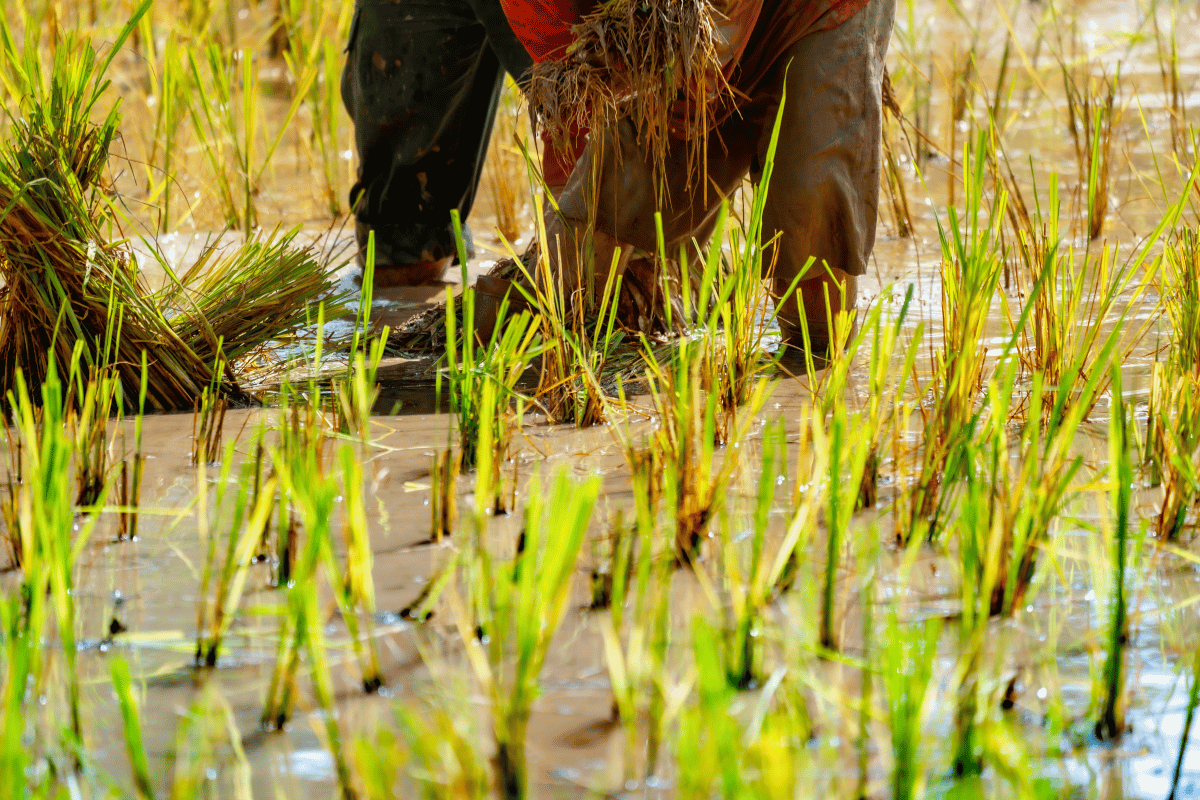
The integration of freshwater crabs into rice cultivation systems represents one of the most innovative approaches to sustainable agriculture practiced today. This rice-crab coculture system, predominantly developed in China over the past three decades, demonstrates how traditional farming practices can evolve to meet modern agricultural challenges while maintaining environmental harmony. The practice involves introducing small freshwater crabs, primarily the Chinese mitten crab (Eriocheir sinensis), into rice paddies to create a mutually beneficial ecosystem that enhances both crop production and aquaculture yields.
The science behind rice-crab coculture
Biological Foundation
The rice-crab coculture system operates on principles of ecological symbiosis, where both species benefit from their shared environment. Research has demonstrated that crabs obtain 16.0-50.2% of their food from naturally occurring organisms within rice fields, including weeds, macro-algae, and phytoplankton. This dietary pattern establishes crabs as effective biological control agents, naturally managing pest populations while reducing the need for chemical interventions.
The Chinese mitten crab has proven particularly well-suited for this application due to its omnivorous feeding habits, adaptability to paddy environments, and ability to coexist with rice plants without causing damage to the crop itself. Juvenile crabs are typically released into rice fields approximately one week after rice transplanting, with densities ranging from 3,000 to 12,000 crabs per hectare depending on management objectives.
Ecosystem Dynamics
The rice-crab system creates a complex ecosystem where energy and nutrient cycling occurs between multiple organisms. Crabs contribute to this system through several mechanisms:
- They consume pest insects and weeds that compete with rice for nutrients
- Their metabolic waste provides organic fertilization for rice growth
- Their burrowing activities improve soil aeration and water circulation.
This biological activity enhances soil nutrient content, including improvements in organic carbon, macronutrients (nitrogen, phosphorus, potassium, and magnesium), and essential micronutrients.
Pest control benefits
Natural pest management
One of the most significant advantages of introducing crabs into rice fields is their effectiveness as biological pest control agents. Studies have demonstrated that crabs can significantly control populations of invasive species such as the golden apple snail (Pomacea canaliculata), a major rice pest in many regions. Juvenile crabs show particular preference for smaller snails, effectively suppressing pest populations at their source and reducing crop damage.
The pest control capabilities extend beyond snails to include various insects, weeds, and other small aquatic organisms that can damage rice crops. Field experiments have shown weed reduction rates of 45.3-51.9% in rice-crab systems compared to rice monoculture without herbicide use. This natural pest control mechanism reduces the need for chemical pesticides, contributing to more environmentally sustainable farming practices.
Disease prevention
Beyond direct pest control, crabs contribute to disease prevention in rice fields by consuming diseased plant material and reducing the habitat available for pathogen development. Their constant movement through the paddy fields helps prevent the establishment of conditions that favor plant disease outbreaks, though supplementary disease management may still be necessary for optimal crop protection.
Agricultural and environmental benefits
Enhanced rice productivity
Research consistently demonstrates that rice-crab coculture systems produce higher grain yields compared to rice monoculture. Field experiments have shown rice yield improvements ranging from 14.7% to 22.0% in various crab density treatments. These improvements result from multiple factors including reduced weed competition, enhanced nutrient availability through crab waste, and improved soil conditions from crab activities.
The system also improves rice quality indicators, with studies showing increases in filled grains per spike, seed setting percentage, and thousand-grain weight. Additionally, grain nutrient content improves significantly, with increases in nitrogen, phosphorus, potassium, calcium, magnesium, and zinc concentrations compared to monoculture rice.
Environmental sustainability
Rice-crab coculture systems demonstrate substantial environmental benefits compared to conventional rice farming. The most significant environmental advantage is the reduction in greenhouse gas emissions, with studies showing decreases of 30-38.8% in global warming potential compared to rice monoculture. Methane emissions specifically can be reduced by more than 40% in high-density crab-rice systems.
The system also improves water quality management and reduces agricultural pollution. Crabs help control nutrient runoff and water pollution by consuming excess organic matter and algae. The reduced need for chemical fertilizers and pesticides further minimizes environmental impact, contributing to cleaner water systems and reduced chemical residue in agricultural products.
Economic Advantages
From an economic perspective, rice-crab coculture offers multiple revenue streams for farmers. In addition to rice production, farmers harvest marketable crabs, with yields typically ranging from 0.52 to 2.57 tons per hectare. The dual production system can significantly improve farm income, with some studies reporting benefit-cost ratios of 0.51 and net farm income increases of up to 16,231 yuan per hectare (about 2200 $).
The premium pricing of products from integrated systems further enhances economic returns. Both crab-field rice and crabs from these systems typically command higher market prices due to their perceived quality and environmentally friendly production methods.
Implementation Considerations
System design and management
Successful rice-crab coculture requires careful system design and management. Fields must be modified with appropriate water management infrastructure, including ditches approximately 4 meters wide and 1.5 meters deep to provide refuge areas for crabs. Escape prevention facilities and proper drainage systems are essential components of the infrastructure.
Crab stocking densities must be optimized based on specific production goals and environmental conditions. Research indicates that 6,000 crabs per hectare with supplemental feeding often provides the optimal balance between rice and crab production. Feed management is crucial, with feeding rates typically starting at 3-5% of crab body weight and increasing by 3% every 10 days.
Timing and seasonal management
The timing of crab introduction is critical for system success. Parental crabs are typically introduced before rice harvest in August-September, or juvenile crabs after harvest in September-October. The system operates on a cycle where rice growing seasons coincide with crab growth periods, maximizing the mutual benefits between species.
Water management throughout the growing season must balance the needs of both rice and crabs, maintaining appropriate water levels for rice growth while providing adequate aquatic habitat for crab survival and development.
Challenges and Solutions
While rice-crab coculture offers numerous benefits, several challenges must be addressed for successful implementation. Higher initial investment costs for infrastructure development and increased labor requirements for managing two species simultaneously can present barriers to adoption. Additionally, technical expertise in both rice cultivation and crab aquaculture is necessary for optimal system performance.
Disease management remains a concern, as restrictions on pesticide use to protect crabs may require alternative approaches for controlling rice diseases. Integrated pest management strategies that combine biological control with selective, crab-safe treatments provide solutions to this challenge.
Global applications and future prospects
While rice-crab coculture originated and is most extensively practiced in China, similar integrated rice-aquaculture systems are being explored globally. Countries with significant rice production are increasingly interested in these sustainable intensification approaches as alternatives to conventional monoculture systems.
The success of rice-crab systems has contributed to broader interest in rice-aquatic animal integration, including rice-fish, rice-shrimp, and other combinations that provide similar ecological and economic benefits.
Conclusion
The use of freshwater crabs in rice fields represents a successful application of ecological principles to modern agriculture, demonstrating how traditional practices can be enhanced through scientific understanding to address contemporary challenges. This integrated approach achieves the dual objectives of increased food production and environmental sustainability, providing a model for sustainable intensification of agricultural systems.
Sources
The implementation of rice-crab co-culture system to ensure cleaner rice and farm production