
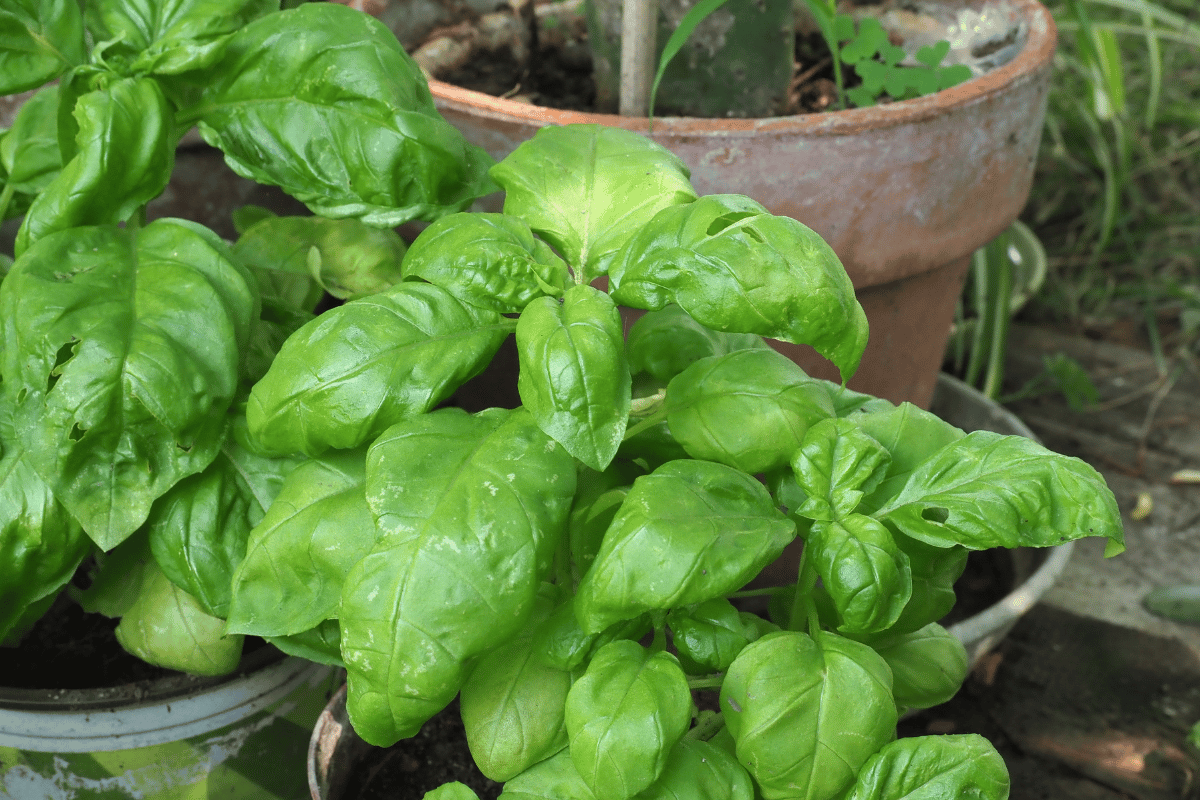
Basil (Ocimum basilicum) is a beloved tender annual herb, prized for its fragrant leaves and versatile culinary uses. It thrives in warm weather and plenty of sunshine. In fact, basil grows best in full sun (6–8 hours per day) and well-drained, fertile soil. Because basil is frost-sensitive, wait to plant or transplant it outdoors until after the last spring frost. With proper care (especially regular water and routine pruning), we can enjoy a continual harvest of healthy basil all season long.
How to harvest basil for continuous growth
We can begin harvesting basil once the plant is established (around 6–8 inches or ~15-20 cm tall) and has plenty of leaves. We can start snipping or pinching leaves as needed from that point onward. We should use sharp kitchen shears or clean hands to cut stems just above a pair of leaves or a leaf node. For example, it is best to clip the top 2–3 inches (~5-7.5 cm) of the stem, making sure to leave at least two to four leaves on the plant beneath our cut. This careful cutting above a leaf node encourages new side shoots to form, so we encourage more leaves to grow. Individual leaves can also be plucked for small uses, but cutting whole stems yields larger bundles.
- Harvest regularly: It is best to pick basil often (about once a week) instead of letting it grow unchecked. Frequent harvesting prevents the plant from flowering and becoming woody. Each time we remove a stem or pinch off a top, the plant responds by producing more shoots and leaves at the cut point within about a week.
- Prune for bushiness: Whenever we harvest, leave some green stem below each cut so the plant has leaves left to photosynthesize. As a rule of thumb, we should never remove more than one-third of the plant at once. Pinching or cutting just above a leaf node will also remove any developing flower buds.
Note: If basil does flower, it is best to clip off the flower stalk – flowering shifts energy into seeds and makes leaves bitter.
- Best time of day: It is recommended to harvest basil when the leaves are cool and dry, ideally in the morning after dew evaporates or in the early evening. Cooler temperatures and dry leaves help preserve the herbs' volatile oils and fragrance.
Tip: It is best not to wash basil leaves before storing or using; excess moisture can lead to rotting.
Since we harvest stems and pinch-cut tops regularly, we effectively prune the plant, keeping it compact and productive. Over time, we will have a steady supply of tender, flavorful leaves, just what home gardeners want!
How often to water basil?
Healthy basil needs consistent moisture. Plan to water deeply about twice per week (providing roughly 1 inch or ~2.5 cm of water), and increase frequency to every other day or even daily during hot, dry spells. Potted basil will dry out faster, so check the container soil often and water a bit more frequently than in-ground plants. We should water early in the day at the soil level (with a watering can or hose) to keep foliage dry and minimize disease. Mulching around the plants (2–3 inches or ~5-7.5 cm of straw, compost, or grass clippings) helps retain soil moisture and suppress weeds. We should avoid overwatering (which causes root rot) or letting the soil dry out completely; basil prefers evenly moist soil but never soggy.
Storing and Preserving Basil
Fresh basil is most delicious soon after harvest, but we can keep it for a few days or preserve it longer-term with proper methods. For short-term use, we can treat basil like cut flowers: we should place freshly cut stems upright in a jar of water (room temperature is best) on our counter. This ‘basil bouquet’ can stay fresh for 1–2 weeks.
Extra tip: We can also wrap the cut ends in a moist paper towel and refrigerate the bunch in a plastic bag, but we should avoid very cold temperatures. Basil is tropical, and too much chill will blacken the leaves.
For longer storage or when we have a bumper harvest, drying or freezing works well:
- Drying: We can air-dry whole basil stems in small bundles in a warm, dark, well-ventilated place (like an attic or warm kitchen corner) for about a week. Once brittle, we can strip the dry leaves off and store them whole or crushed in an airtight container. Properly dried basil can keep for up to a year, but be aware that the leaves will lose some green color and potency (dried basil tends to brown).
- Freezing: Freezing retains more of basil's fresh flavor. We can simply remove leaves from stems, chop if desired, and freeze them. We can spread leaves or chopped basil on a tray to flash-freeze, or pack them loosely in freezer bags. Another popular trick is to mix chopped basil with a little water or olive oil and freeze it in ice cube trays. Once frozen solid, we should transfer the basil cubes to a bag. We can then add one or two cubes directly into sauces, soups, or pesto. Use frozen basil within about a year for the best taste.
Pro insight: Unlike drying, freezing keeps the aromatic oils intact, making it a better method for flavor.
In summary, we should enjoy basil as fresh as possible, but for times when we have more than we can use, drying and freezing are both effective. Just pick leaves before any frost hits (harvest well before a freeze), and we’ll have a supply of basil to enjoy throughout the winter.
Growing Basil Indoors
We don't need a big garden to enjoy basil – it grows readily in pots on a windowsill or under lights. Indoor basil needs similar care to outdoor plants, with a few special considerations. First and foremost, we should provide plenty of light. Basil is a sun-loving herb: place it in a bright south- or west-facing window where it can get at least 6–8 hours of direct light each day. In winter or darker locations, we can use a grow light for about 10–12 hours a day. Without enough light, indoor basil will grow leggy and pale.
Other indoor tips: We can use a pot with good drainage (4–6 inches or 10-15 cm deep for a start plant) and a high-quality, well-draining potting mix. We should keep the indoor temperature warm (ideally around 70 °F or ~21 °C or higher) and away from cold drafts or air conditioners. Basil also likes a bit of humidity: if our home is very dry, mist the plant occasionally or set the pot on a tray of damp pebbles.
Watering indoor basil often requires more vigilance. Container plants dry out quickly, so check the soil and water as soon as the top inch feels dry. Still, we should avoid soggy soil; as with outdoor plants, water deeply and let excess drain away. Since we're continuously harvesting leaves, we can apply a half-strength liquid fertilizer about once a month to keep it growing vigorously.
We can prune indoor basil just as we would outside. We can pinch or cut back the tips regularly to keep it bushy and prevent flowers. If overwintering an outdoor plant indoors, cut it back, repot if needed, and give it bright light – it may not get as large as in the summer garden, but we can keep it alive and producing leaves until spring.
With these simple steps—ample light, warm temperatures, moisture, and occasional feeding—home growers can have fresh basil year-round.
Sources
Lincoln County UGA Extension: Growing Herbs in the Southeast
University of Minnesota Extension: Growing basil in home gardens
University of Illinois Extension: Flavor Your Summer with Backyard Basil
West Virginia University Extension: Growing Basil