Papaya is one of those fruits that sparks curiosity the moment people come across it. How do you know when it’s ready to eat? Can the seeds be used for anything? And what’s the trick to growing one at home? Our agronomists have put together clear, practical answers to these and other common questions so that both growers and consumers can get the most out of this tropical fruit.
How can you tell if a papaya is ripe?
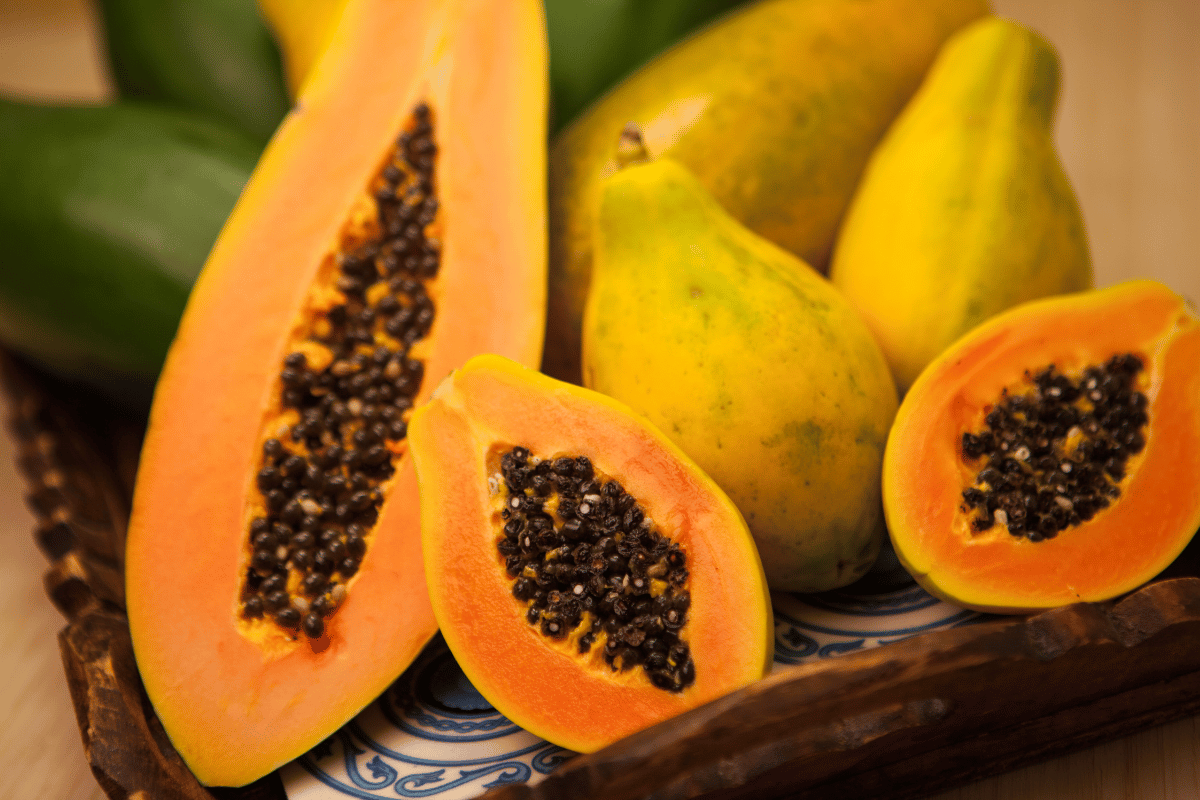
A ripe papaya’s skin color and feel give it away. Unripe papayas are mostly green. As they ripen, the skin turns yellow or orange (often starting at the blossom end). A ripe fruit will be mostly yellow and yield slightly when you press it gently. You can also detect a sweet, tropical aroma at the stem or blossom end when it’s ripe.
- Color: Look for a papaya that is largely yellow or orange. Green means it’s not yet mature.
- Texture: Ripe papaya yields a little under gentle pressure (especially near the blossom end). If it’s rock-hard, it needs more time; if very soft or mushy, it’s overripe.
- Smell: A faint sweet, fruity scent through the skin is a good indicator of ripeness.
Note: The flavor is best when papayas are allowed to turn yellow on the plant. Overripe fruit loses sweetness and can be mealy.
.png)
How do you ripen papaya?
Papaya is a climacteric fruit, meaning it will continue to ripen after picking when exposed to ethylene gas. To ripen a green papaya at home, try these steps:
- Paper bag and ethylene: Place the papaya in a brown paper bag (or wrap in newspaper). Paper allows airflow but traps ethylene gas that the fruit naturally emits. For an extra boost, add a ripe banana or apple to the bag, since these fruits give off ethylene too.
- Warmth: Keep the bag at room temperature (around 20–25 °C). Warmth accelerates ripening, while cold (e.g. refrigeration) will slow it and can encourage fungal growth.
- Ventilation: Do not seal in plastic. Plastic traps moisture and can cause rot. Paper or cloth bags “breathe” and help prevent mold.
- Check daily: Open the bag each day to remove any moisture or mold and to check ripeness. A partly yellow papaya should ripen in a few days using this method.
Using a paper bag prevents moisture buildup and reduces mold risk. This simple technique safely ripens papaya by concentrating ripening gas (ethylene) while avoiding the damp environment that leads to fungus.
Where is papaya from?
Papaya (Carica papaya) is native to the tropical Americas. Most evidence points to the lowlands of eastern Central America (southern Mexico through Panama) as its origin. From there, 16th-century explorers spread its seeds to the Caribbean, the Philippines, India, and beyond. Today, papaya grows throughout tropical and warm subtropical zones worldwide.
When is papaya season?
Papaya is a tropical fruit with an almost year-round growing season in warm climates. In many countries, papaya trees produce continuously or in multiple batches, often peaking in warm, wet seasons. Many commercial varieties see harvest peaks in summer or fall, but local seasonality varies by region. In practice, papaya often fruits year-round in tropical markets, though some areas have one or two main harvest peaks each year.
How do you germinate papaya seeds?
Papaya seeds germinate easily under warm, moist conditions. To start seedlings:
- Extract seeds: Scoop out the black seeds from a fully ripe papaya.
- Clean seeds: Rinse them well to remove the jelly-like coating. Spread them on a towel to dry for a day or two (this helps avoid rot).
- Sow seeds: Plant the seeds about 0.5–1 cm (~1.5-2.5 inches) deep in a warm seed or potting mix. Keep the soil moist but not waterlogged.
- Warmth and light: Place the planted seeds in bright light and keep the temperature around 25–30 °C. Under these conditions, papaya seeds typically sprout in about 1–2 weeks.
- Thin seedlings: If multiple seedlings appear in one pot, select the healthiest and remove the others after a few weeks.
Germination is usually accomplished in roughly two weeks under sunny, warm conditions. No special cold treatment is needed; fresh papaya seeds just need consistent warmth and moisture.
Can you eat papaya seeds?
Yes – papaya seeds are edible, but they have a strong flavor and should be eaten sparingly. The seeds are small, round, and black with a peppery-bitter taste. Common ways to eat them include:
- Raw: Chew a few fresh seeds like peppercorns. (They taste quite bitter and peppery.) Some people swallow small amounts directly for digestive aid.
- As a spice: Dry and grind the seeds into a powder. Then sprinkle this on salads, yogurt or other dishes to add a peppery kick.
- Blended: Mix a teaspoon of fresh seeds into smoothies or dressings; the other ingredients tame the bitterness.
Papaya seeds also contain nutrients and the enzyme papain. However, they are potent: it’s best to limit intake (for example, about 1 teaspoon per day) to avoid stomach upset.
Does papaya have fiber?
Yes. Ripe papaya is a good source of dietary fiber. For example, one cup (100 g) of raw papaya provides about 1.7 grams of fiber. This fiber (mainly soluble) supports healthy digestion. In addition to fiber, papaya is very high in vitamins A and C and other antioxidants, making it both a nutritious and fibrous choice of fruit.
Sources:
Texas A&M University Extension: Papaya