


European fruit prices, harvest trends & market outlook
As autumn peaks in Europe, the fresh fruit market is characterised by the harvest of late-season staples, such as apples, pears, and grapes, while the critical citrus season begins with a challenging outlook. The sector is poised for growth, driven by consumer health trends, but remains under significant pressure from climate change and rising production costs.
Stay up to date with our weekly Fresh Market Digest
Fruits in season
- Pip fruit: It is peak season for apples and pears, with a volume expected to be similar to last year's. Quince is in harvest.
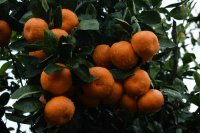
- Citrus: Oranges, grapefruits, lemons, and mandarins are just beginning, but adverse weather is affecting production.
- Grapes: The harvest is winding down, with good quality reported in major producing regions, although some areas saw low yields due to weather challenges.
- Kiwis: The harvest is underway, but Greece anticipates a decline in production compared to the previous year due to adverse weather conditions.
- Pumpkins & squash: In harvest.
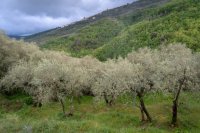
- Olives: Early harvest has started.
- Tropical fruits: Pomegranates, persimmons, and early avocados are being harvested. Mango harvest is winding down. Bananas remain a year-round crop in the Canary Islands.
Kiwi harvest update: Quality over quantity this season
While demand is high, Europe's kiwi harvest is being tempered by volatile weather, a trend seen across many European fruit sectors this year.
"The yield this year is slightly higher than in 2024, although it is less than expected," says Silvia Santisteban, Communication Director at Cool Fruit Company, a Spain-based kiwi producer.
Climatic challenges drive down yields
She attributes the moderated yield primarily to two climatic factors:
- Pollination problems: The crucial pollination period coincided with rainy days, which reduced the movement of bees and led to less effective pollination. This directly impacted the number and size of the final fruits.
- Summer heat: "The first weeks of summer were very hot and affected the normal development of the plants and the fruits."
Despite these challenges, Cool Fruit Company is projecting a solid performance for their developing orchards: "We expect to harvest between 15 and 20 tonnes per hectare this year, which is a good production for our farms that are in their second and third productive year."
Premiumization as an advantage
Cool Fruit Company reports increased demand and slightly higher prices this year despite moderate yields, demonstrating how quality is helping the farm navigate a challenging harvest.
Santisteban explained that the quality of their fruit gives them market strength: "Our fruit stands out for its quality, achieving Brix levels above 13 and dry matter over 14%. This gives them a very good flavour and allows for a longer shelf life. The kiwis have a uniform ovoid shape, making them visually appealing, an intense green flesh colour, and come in different sizes for various markets."
The race against rain
Currently, the company is under logistical pressure, racing to complete the harvest before the weather turns.
"We are now in the days of harvest, which have unfortunately coincided with rainy days. Because of this, we must pick the kiwis as quickly as possible, only when the fruit is dry. This is important so they are better preserved during storage in our cold rooms, ensuring good quality for our customers."
Wholesale fruit prices by country
Spain
In the Spanish wholesale market, kiwi prices showcase the premiumization trend, with the sweeter Kiwigold commanding a significant 26% premium over the standard Green flesh variety. In the starting citrus season, mandarin Oronules nearly double the price of the early low-cost Satsumas, reflecting consumer willingness to pay more for high-flavour, easy-peel mandarins. The Navelina orange—the first variety to launch the primary Navel season—is currently priced low, typical of the seasonal influx of early volume, while the later Navel orange still fetches a higher price ahead of its major harvest window. Exotic and premium fruits, such as avocados and mangos, maintain strong mid-range pricing, consistent with resilient year-round demand.
|
Fruit |
Variety |
Prevailing Price (€/kg) |
|
Avocados |
Hass |
3.50 |
|
Persimmons |
Rojo brillante |
2.50 |
|
Pomegranates |
|
1.60 |
|
Kiwi |
Kiwigold |
4.80 |
|
|
Green flesh |
3.80 |
|
Lemons |
Eureka |
1.12 |
|
|
Primafiori |
1.48 |
|
Mandarins |
Satsumas |
1.06 |
|
|
Oronules |
2.00 |
|
Mangos |
|
2.11 |
|
Apples |
Golden |
1.70 |
|
|
Royal Gala |
1.60 |
|
Quince |
|
1.40 |
|
Oranges |
Navel |
1.25 |
|
|
Navelina |
0.75 |
|
Pears |
Conference |
2.00 |
|
|
Doyan de Comice |
2.25 |
|
Bananas |
|
1.74 |
|
Grapefruit |
Red |
1.50 |
|
Grapes |
Red Glober |
1.50 |
|
|
Victoria |
1.60 |
Italy
In the Italian wholesale market, apples exhibit competitive pricing despite differences in consumer profiles: the tart Granny Smith is priced slightly lower than the sweet, crisp Fuji, which often commands a marginal premium globally. The lowest prices are seen in the hyper-seasonal pumpkin category, which is in harvest. The flavorful Violina pumpkin and the widely popular Delica pumpkin are heavily supplied following ideal climatic conditions throughout the summer, making them excellent value for money as market volumes peak.
|
Fruit |
Variety & Size |
Price Range (€/kg) |
|
Apples |
Granny Smith 70+ |
0.50-0.60 |
|
|
Fuji 70+ |
0.67-0.77 |
|
Pumpkins |
Delica |
0.85-0.95 |
|
|
Violina |
0.70-0.80 |
France
In the French wholesale market, the premium Muscat Hamburg grapes command a significant premium over Italian imported grapes, signalling French consumer preference for high-flavour, locally sourced varieties as the season concludes. In the pear category, the high-quality Doyenné du Comice fetches a price well above the earlier-harvested Williams Green, driven by the Doyenné's reputation as a top-tier dessert fruit. Meanwhile, prices for the new citrus crop—notably Spanish lemons and the early Oronules clementines—are starting the season at a high point, reflecting industry forecasts of reduced Spanish citrus yields and elevated procurement costs.
For real-time price updates, visit Price Insights – Rungis International Market
|
Fruit |
Variety & Origin |
Average Price (€/kg) |
|
Grapes |
Italy, cat. I |
1.70 |
|
|
Muscat Hamburg, France |
3.00 |
|
Pears |
Doyenné du comice, France, cat. I, 80-85 mm |
2.66 |
|
|
Williams Green, France, cat. I, 70-75 mm |
1.80 |
|
Apples |
Gala, France, cat. I, 201/270g |
1.52 |
|
|
Golden, France, cat. I, 201/270g |
1.60 |
|
Lemons |
Spain, cat. I 4, 58-67 mm |
2.20 |
|
Clementines |
Oronules, Spain, cat. I 1 |
2.60 |
|
|
Oronules, Spain, cat. I 2 |
2.50 |
|
Mango |
Osteen, Spain |
1.88 |
Greece
In the Greek wholesale market, the latest varieties of table grapes, particularly Crimson and Sultana, show significant price variance, with the upper end reflecting high-quality, export-ready volumes amid reports of generally lower national grape yields this season. Apples display a moderate range, with the popular red Starkin Delicious commanding a price premium over the green Granny Smith, reflecting stronger consumer preference for red-skinned apples in key export markets. Meanwhile, the early Valencia orange and lemons maintain low, competitive prices at the start of the citrus harvest, contrasting with the higher prices seen in import-reliant European markets further north.
For real-time price insights, visit Price Insights – Athens Central Market
|
Fruit |
Variety |
Prevailing Price (€/kg) |
|
Kiwis |
|
1.30-2.40 |
|
Pears |
Krystalia |
1.60 |
|
|
Santa Maria |
1.20-1.80 |
|
Quince |
|
1.00-1.50 |
|
Lemons |
|
1.20 |
|
Apples |
Granny Smith |
0.80-1.40 |
|
|
Starkin Delicious |
1.00-1.75 |
|
Bananas |
|
0.80-1.20 |
|
Oranges |
Valencia |
0.95 |
|
Pomegranates |
|
1.00-2.50 |
|
Grapes |
Crimson |
1.30-1.80 |
|
|
Sultana |
1.30-2.50 |
Germany
In the German wholesale market, domestic staples like Elstar and Jonagold apples and Conference pears are priced competitively, reflecting the strong storage volumes available from the successful harvest. In contrast, the imported convenience segment commands high prices. Italian Crimson seedless grapes and general light seedless varieties are significantly more expensive than average fruit, highlighting the high demand for easy-to-eat seedless fruit among German consumers as the season draws to a close. Meanwhile, the early arrivals of Spanish lemons and Italian Gold Kiwis are priced firmly at the higher end, signalling the market's response to the widely forecast reduced Southern European citrus and kiwi yields this season.
For real-time price updates, visit Price Insights – Germany Market
|
Fruit |
Variety & Origin |
Price Range (€/kg) |
|
Apples |
Elstar, Germany |
1.15 |
|
|
Jonagold, Germany |
1.14-1.60 |
|
Pears |
Conference, Germany |
1.36-1.60 |
|
|
Williams Christ, Germany |
1.34 |
|
Grapes |
Crimson seedless, Italy |
3.40 |
|
|
Light seedless varieties, Italy |
2.01-3.33 |
|
Kiwis |
Greece & Italy |
2.40-3.59 |
|
|
Gold, Italy |
2.96-3.67 |
|
Satsumas |
Italy & Spain |
1.78-1.99 |
|
Mandarins |
Itaky & Spain |
1.74-2.50 |
|
Lemons |
Spain |
1.46-2.01 |
Market outlook
Price and volume:
- The forecast for citrus suggests higher prices due to the sharply reduced domestic harvest, which necessitates an increased reliance on imports.
- Staple apples and pears are expected to experience more stable pricing, as total production volumes remain steady.
- The increasing demand for fresh produce, driven by health consciousness, is expected to maintain the sector's strong position in the global food industry.
Growth drivers:
- Spain is becoming Europe's central hub for fresh fruit and vegetables because it exports more than any other EU country.
- The market is experiencing sustained growth in demand for premium categories, such as organic, local, and sustainable produce, as well as exotic fruits like kiwis, avocados, and blueberries, which are increasingly reliant on international imports to meet consumer demand.
Resilience and innovation:
- The industry is addressing weather and supply challenges through technological investment: producers are increasingly adopting precision agriculture, climate-resilient crop varieties, and enhanced cold storage capacity to ensure future sustainability.
Stay ahead of market trends with Wikifarmer's Price Insights: Track real-time wholesale fruit prices, compare regional markets, and plan purchases with confidence.
Disclaimer: The information provided on this website, including market prices, insights, and projections, is for general informational purposes only. While we strive to ensure accuracy and timeliness, we make no guarantees regarding the completeness, reliability, or suitability of the information presented. Users are solely responsible for independently verifying the data and assessing its relevance to their specific circumstances before making any decisions. Wikifarmer and its operators shall not be held liable for any losses, damages, or consequences arising from the use of the information provided herein.
Sources
European Commission Agri-Food Data Portal
European Commission Agriculture and Rural Development