France's new pesticide import ban
What France changed on January 7, 2026
On January 7, 2026, France issued an emergency decree banning imports of any food (fresh or processed) containing detectable residues of five specific pesticides. The substances – mancozeb, thiophanate-methyl, carbendazim, benomyl, and glufosinate – are all long banned for use in the EU, but until now, EU rules have allowed tiny trace residues on imports. Paris argues that even those trace levels are unacceptable.
Officials say the ban is aimed at protecting French public health and the environment, and at giving EU farmers a level playing field. Agriculture Minister Annie Genevard put it bluntly: products removed from sale at home “must not be allowed to come back in through the back door”. Prime Minister Sebastien Lecornu likewise said it’s a “first step to protect our supply chains and consumers and fight unfair competition…justice and fairness for our farmers.
The five forbidden pesticides
The five pesticides are four fungicides and one herbicide. Broadly, mancozeb (a dithiocarbamate fungicide) and carbendazim/benomyl (benzimidazole fungicides) have been used on fruits, vegetables and grains. Thiophanate-methyl is a systemic fungicide (turning into carbendazim in plants). Glufosinate is a non-selective herbicide (often used on soybeans, cereals, and potatoes). All five were phased out of EU agriculture after safety reviews. For example, EFSA and the EU’s chemicals agency have classified mancozeb as an endocrine disruptor and toxic to reproduction, glufosinate as damaging to fertility, and carbendazim as a Category 1B mutagen and reproductive toxin. In short, all five chemicals carry serious toxicity warnings (see table below).
|
Pesticide |
Chemical Type / Use |
Common Uses |
Health Risk (EU findings) |
|
Mancozeb |
Dithiocarbamate fungicide |
Fungicide on potatoes, fruits, and vegetables (berries, tomatoes, bananas) |
Endocrine disruptor; toxic to reproduction. |
|
Thiophanate-methyl |
Benzimidazole fungicide |
Systemic fungicide (wheat, fruit trees, vegetables) |
Endocrine disruptor (T modality); mutagenic/reprotoxic |
|
Carbendazim |
Benzimidazole fungicide (metabolite of thiophanate/benomyl) |
Fungicide on fruit trees, hops, and tobacco |
Classified Category 1B mutagen and reproductive toxin. |
|
Benomyl |
Benzimidazole fungicide (metabolizes to carbendazim) |
Broad-spectrum fungicide on seeds, vegetables, fruits |
Metabolizes to carbendazim (thus the same high toxicity). |
|
Glufosinate |
Phosphinic acid herbicide |
Non-selective herbicide (soy, cereals, potatoes, rice) |
Presumed reproductive toxin (fertility damage). |
Legal basis and timeline
By law, this measure is an SPS-type safeguard at the national level. France invoked the EU Food Law’s “safeguard clause” (Article 53 of Regulation 178/2002) to set all affected import MRLs (maximum residue limits) to the analytical “limit of quantification” – essentially zero. Legally, it applies only to the French market; other EU states still formally follow EU-wide MRLs. However, France says it will push the Commission and other Member States to adopt similar rules at the EU level, aiming for harmonisation. The European Parliament itself has already called for the same idea – requiring imported food to meet “the same standards” as EU produce - so France’s action reflects a long-standing consumer/MP concern about “double standards.”
Impact on farmers
EU farmers generally cheered the ban. France’s largest farm union (FNSEA) and smaller groups like Coordination Rurale have long complained that cheaper imports grown under laxer rules undercut domestic producers. “Imports of foreign goods…don’t respect standards imposed on French farming,” said FNSEA vice-president Damien Greffin after driving a tractor protest to Paris. By banning the five pesticides' residues on imports, the government aims to prevent that perceived unfair competition. Farmers say it helps protect livelihoods: they cannot use these chemicals themselves, so they argue they shouldn’t have to compete with any food that did.
It’s also a boost for farmers in the rest of the EU who likewise can’t use the five pesticides (all are banned EU-wide). Many EU growers already follow stricter safety checks (often set by retailers). In practice, however, French imports of affected foods now face stricter rules than other EU members (since only France set its MRLs to zero). This divergence has caused concern in the trade community: agricultural stakeholders note that it breaks the single-market rule of free circulation.
Non-EU exporters stand to lose market access unless they can comply. The FAS/USDA estimated that about $130 million of U.S. soybeans, fruits and veggies shipped to France use four of the five banned pesticides, so those exports could be disrupted. Similarly, major fruit suppliers like Morocco, Peru, Brazil and South Africa will need to clean up. The decree applies globally (“whatever their origin,” according to the French Agriculture Ministry), so exporters from Latin America and elsewhere face the same ban. In fact, U.S. and Latin American markets use most of these chemicals: four of the five are still legal in the U.S., and in Mercosur countries, all five except two were in use.
Agricultural economists note that the advantages mainly go to compliant producers: EU farmers should gain slightly from reduced import competition in France, especially for fruits such as citrus, grapes, and berries, and for certain staples such as potatoes and tomatoes. The ban does not directly affect farmers of grains or soy inside the EU, as none of those use these chemicals domestically. In fact, France has more restrictive rules on bee-harmful neonicotinoids than some neighbours, so some farmers perceive an overall EU bias against domestic producers. But on this five-chemical issue, all EU farmers are in the same boat (none may use them), so they mostly see fairness in extending the ban to imports.
Highest-exposure products
France’s decree lists dozens of specific commodities and requires “absence of any quantifiable residue” of the five pesticides. The items span many fruits, vegetables and grains. In practice, the highest-risk crops are those for which the banned substances were commonly used abroad. Case studies and trade data suggest the biggest impacts will be on tropical and subtropical fruits plus certain field crops:
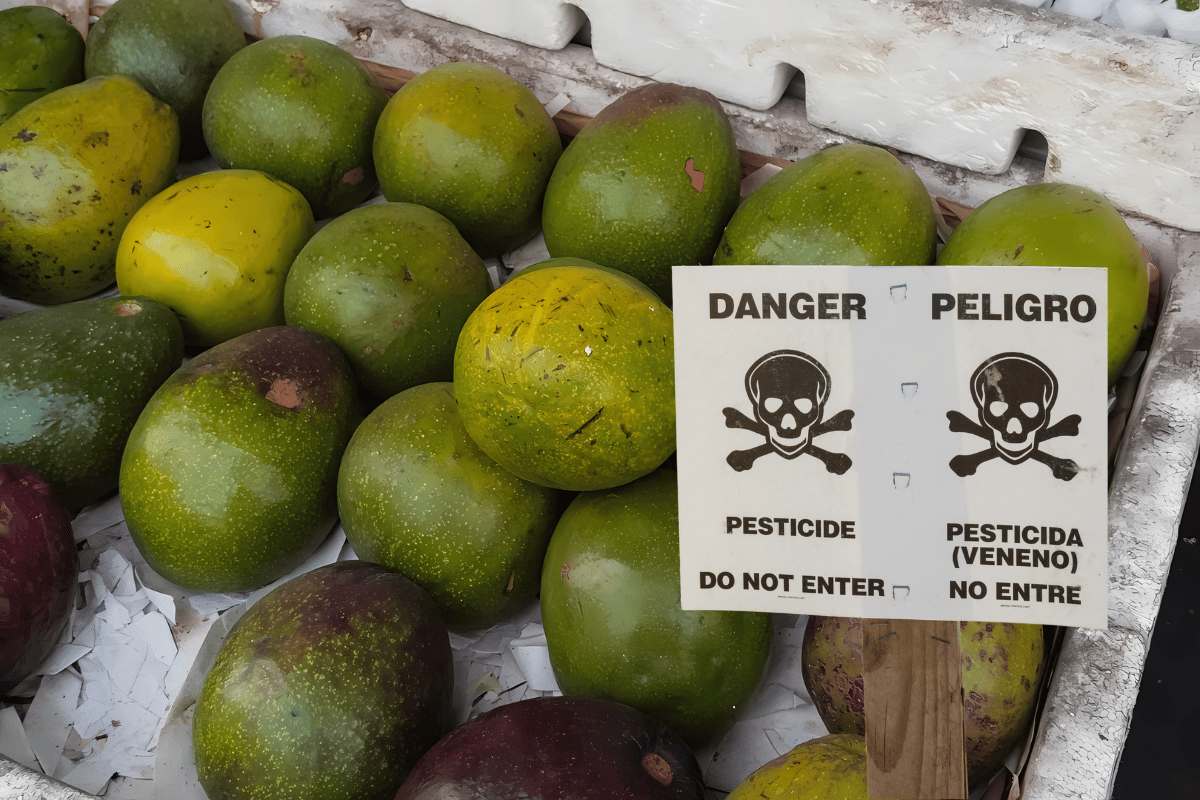
- Tropical fruits & stone fruits: Avocados, mangoes, guavas, papayas, and bananas often carry residues of mancozeb and thiophanate. French officials explicitly mentioned avocados and mangoes in the announcement. Berries like strawberries and fruit such as melons and apricots were added to the decree scope.
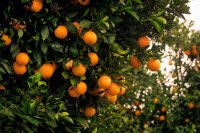
- Citrus: Oranges, lemons, limes, mandarins and clementines were identified in FAS tables. Citrus growers in countries like Morocco (which already bans the chemicals domestically) and Israel will have to ensure zero residues.
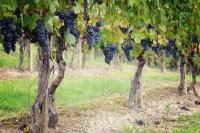
- Pip fruits & grapes: Apples, pears, quinces, grapes (table and wine) appear on the list. (In fact, carbendazim was traditionally used on grapes and apples before its EU ban.)
- Vegetables: Tomatoes and eggplants show up in the thiophanate column. Potatoes are especially notable for being grown and cultivated under glufosinate (a common herbicide on potatoes); France even block-posted potato exporters recently as a precaution.
- Grains and oilseeds: The decree covers “grains, soybeans” generically. In practice, mancozeb and thiophanate-methyl have been used on cereals (e.g. wheat) and glufosinate on soybeans (especially where glyphosate-tolerant soy is grown).
Many of these imports come from South America and North Africa. For example, trade data show Morocco is France’s largest supplier of these potentially affected fruits, followed by Israel, Peru, Brazil, and South Africa (other countries lik Montenegro, Dominican Republic, and Ivory Coast may also be significant for exotic fruits).
Overall, 56% of France’s third-country fresh fruits and vegetables (by volume) fall under the ban – roughly 20% of France’s total fresh produce intake. In raw terms, the USDA charted tomatoes (18% of the impacted imports), avocados (11%), oranges (7%), grapes (6%) and soybeans (5%), among others, as the biggest categories.
|
Crop/Product |
Likely Affected Pesticides |
Major Export Sources |
|
Tropical fruits (mango, avocado, papaya, guava) |
Mancozeb, Thiophanate-methyl (fungicides) |
Peru, Mexico, Brazil, Ivory Coast, Ecuador |
|
Citrus (oranges, lemons, mandarins, etc.) |
Carbendazim, Thiophanate-methyl, Mancozeb |
Morocco, Israel, Turkey, South Africa |
|
Grapes (table/wine), apples/pears |
Carbendazim, Benomyl, Thiophanate-methyl |
Italy, Egypt (grapes), South Africa (grapes), Tunisia (citrus), Poland (apples) |
|
Tomatoes, eggplant, strawberries, melons |
Thiophanate-methyl, Carbendazim |
Morocco, Spain, Egypt, Turkey |
|
Soybeans (and soybean products) |
Glufosinate (herbicide), Mancozeb (seed treatment) |
USA, Brazil, Argentina |
|
Potatoes |
Glufosinate, Mancozeb |
Netherlands, Belgium (but few imports), some from S. America |
Will there be food shortages and price increases?
Will consumers see empty shelves or higher prices? Possibly in the short term.
French retailers note that a sudden ban on any imported mango or avocado containing old residues could tighten supply. A big supermarket chain recently halted orders from some South American suppliers to avoid risk, which could squeeze availability in January.
Seasonality matters: January is the prime mango/avocado season in Europe so any hiccups could push fresh prices higher. On the other hand, most producers shipped fruit that met existing EU MRLs; traces above those very low limits are relatively rare. Industry contacts point out that any large-scale shortage would likely be temporary, as exporters revise their pre-shipment testing or source from countries where those pesticides were already banned (for example, Morocco already bans all five, so Moroccan citrus is unaffected).
Alternatives exist for French buyers. Many fresh fruits are also grown within the EU or imported from countries with compatible standards (e.g. South Africa, Israel, North African nations). The French government notes that imports can still come from any country if residue levels are zero, so suppliers have an incentive to switch to safer chemicals or harvest differently. Some consumer groups even see a potential benefit: reducing contaminant risk may improve public health and trust in the food chain. In sum, analysts expect limited supply disruptions. There could be some price pressure on a handful of items in the first months, but nothing like a major shortage is foreseen. Retailers are likely to absorb most costs themselves (by tightening internal testing) to avoid passing on significant hikes to shoppers.
Double standards and “mirror clauses”
A key controversy is the “double standard” question: EU officials and farmers argue that food produced to EU pesticide-free standards should also be allowed to enter with those standards intact. Under EU law, substances banned in the EU are permitted only trace import tolerances (MRLs) if the Commission issues import tolerances after risk review. In practice, the EU has let some residues in, which critics say undermines the rulebook. The European Parliament has repeatedly demanded that imported goods “follow the same standards” as EU-grown ones. MEPs even voted down recent Commission proposals that would have set nonzero MRLs for carbendazim, benomyl or thiophanate in some fruits, arguing that allowed residues of banned pesticides “jeopardise citizens' health” and put EU farmers at a disadvantage.
France’s decision goes further by acting alone. It effectively applies a “mirror clause,” meaning imports must fully comply with EU bans, not just meet residue limits. Critics argue this could clash with EU single-market rules or even WTO principles if seen as protectionist. France responds that there is no domestic double standard to protect: all five pesticides are already banned across the EU, so no EU farmer uses them. The only difference was what was tolerated on imports, and France says it is simply closing that gap.
Trade lawyers note that WTO rules do allow import restrictions if they are backed by solid health evidence. France points to EFSA risk assessments and national reviews that raise concerns about substances such as carbendazim, especially in fruits like citrus and mango. The EU Commission itself tried to tighten residue limits in 2024, but those efforts were blocked politically. France is expected to notify the WTO, and while challenges from exporters are possible, the measure may be defended as a precautionary health action.
Consumer and environmental groups broadly support the ban, arguing that allowing any residue of substances linked to cancer or endocrine disruption is unacceptable. They also note that zero tolerance already exists for some chemicals, such as neonicotinoids. Trade groups, however, warn that unilateral measures like this could encourage retaliation or inspire similar restrictions elsewhere.
Overall, France’s move is shaping up as a test case. If adopted at the EU level, it could signal a broader shift toward stricter import standards. If it remains national policy, it may trigger legal and trade friction.
Either way, it underscores a growing global question: should countries enforce their domestic food standards on imports, even at the risk of trade disputes?
Global implications
France’s action has put the global spotlight on pesticide rules and trade. It may encourage other countries to consider “mirror clauses” (e.g., the UK has debated stricter import rules post-Brexit, and Canada is under pressure over its exports of banned pesticides).
Public health experts see it as a possible breakthrough: one commentary notes this “finally acknowledges” the irreversible health impacts of certain chemicals. Conversely, trade experts warn that if many nations start insisting on zero-tolerance imports, it could disrupt supply chains and reignite battles at the WTO or in trade deals (the EU-Mercosur agreement already carries tension over such standards).
So far, no country has formally announced a similar unilateral ban. Some developing countries are watching closely; those that export large volumes of fruit to the EU will likely have to adapt quickly. If nothing else, France’s move raises the stakes in ongoing global talks on pesticides. The EU’s Commission has pledged to update its export regulations (with a plan to stop EU firms exporting their banned pesticides) and to review import MRLs. Any ripple effect will depend on whether other governments follow France’s lead or push back diplomatically.
In short, France’s January 2026 pesticide import ban is a landmark blending health policy with trade strategy. It may serve as a test case of whether safety concerns can override free-trade norms. The coming months will show if this sparks new EU-wide rules or becomes a one-off national measure – and whether exporters find workarounds or diplomatic recourse. For French farmers and consumer advocates, the hope is that it will clear the market of even trace residues of the most harmful chemicals. The rest of the world will be watching whether French supermarkets remain stocked with the fruits and vegetables consumers want – or if they too must change the way they farm and trade their food.
Sources
- Harmful fungicide Mancozeb to be banned in the EU
- Objection to an implementing act: Maximum residue levels for carbendazim and thiophanate‐methyl - Wednesday, 18 September 2024
- USDA | French decree on pesticides threatens over USD 130 million of US exports
- Pesticides: No residues of EU-banned products in imported food | News | European Parliament
- French farmers stage new Paris protest in effort to halt Mercosur deal | Reuters
- France bans food containing EU-prohibited pesticides