

November was a busy month for food safety authorities in Europe. The RASFF system recorded 519 food and feed notifications, many of which directly impacted fresh produce supply chains and ingredients that farmers and wholesale buyers work with every day.
Below is a practical breakdown of what happened in November, including the main risks and their implications for producers, cooperatives, and buyers who want to avoid being included on the next recall list. The structure follows the same monitoring approach we use in our weekly recall trackers.
Highlights at a glance
- Total notifications: 519 alerts recorded across all categories
- Fresh-produce-related categories (fruits and vegetables, herbs and spices, nuts and seeds, cereals and bakery products): 218 alerts, roughly 42.0% of all notifications.
- Fruits and vegetables alone (119 notifications) accounted for nearly 23% of all food safety incidents this month.
- Top hazard: Mycotoxins (aflatoxin and ochratoxin A) have surged, particularly in dried figs and pistachios, signalling critical post-harvest storage failures.
- Chemical watch: Chlorpyrifos remains the most frequently detected banned pesticide, causing rejections from multiple origins, including Ecuador and non-EU European partners.
Fresh produce focus
Dried figs and mycotoxins
Within fruits and vegetables, 53 alerts in November were linked to mycotoxins or plant toxins. Of these, 47 alerts involved fig products, mostly dried figs from Turkey, sometimes in cubes or mixed products.
- This means about 88.7% of mycotoxin-related fruit and vegetable alerts were linked to figs.
- Hazards were dominated by ochratoxin A and aflatoxins (B1 and total).
For producers and exporters of figs and similar dried fruits, these numbers suggest a structural issue rather than a few unlucky lots. Risk points include:
- Inadequate sorting of damaged or mouldy fruit before drying.
- Non-uniform drying conditions that allow fungal growth.
- Poor protection from moisture reabsorption during storage.
- Long storage or transport under warm and humid conditions.
Operations that invest in orchard hygiene, early sorting, controlled drying and strict mycotoxin testing, lot by lot, are likely to be viewed as lower-risk partners by buyers who are watching these trends closely.
Nuts and seeds: Aflatoxins and Salmonella
In nuts, nut products, and seeds (49 alerts in November):
- Aflatoxin combinations such as “Aflatoxin B1 and total aflatoxins” account for at least 18 alerts, with additional single-toxin findings.
- Salmonella appears in 6 alerts, mainly in nuts and nut mixes.
- Other issues include cyanide in linseed and cadmium in certain products.
For farmers, cooperatives and shelling plants, this confirms that:
- Moisture control, rapid drying and clean storage remain essential for reducing aflatoxin risk in nuts.
- Good hygiene and pest control in shelling and packing facilities are key for limiting Salmonella contamination.
Pesticide residues in everyday fruit and cereals
Pesticide residues formed the second most important hazard group in fresh-produce-related categories, with 38 alerts in November.
Within these:
- Grapes (table grapes and white grapes) appear in at least 6 alerts.
- Raisins are mentioned in 4 alerts, often with substances like acetamiprid or chlorpyrifos.
- Rice appears in 3 alerts, with substances such as imidacloprid or combinations of chlorpyrifos and tricyclazole.
- Single alerts highlight peppers in brine, spinach, green celery, limes, sesame seeds, mandarins and persimmons with MRL exceedances or unauthorised active substances.
This pattern is important for growers because it shows that:
- The problem is not limited to “exotic” produce. Every day, crops such as grapes, leafy vegetables and rice are under close scrutiny.
- Residue issues often involve older actives (for example, chlorpyrifos) that are no longer authorised in the EU but may still be used or present in import supply chains.
Aligning plant protection programs with EU MRLs, respecting pre-harvest intervals and keeping detailed spray and field records increasingly becomes a commercial advantage, not just a legal requirement.
The top product categories affected
If we look at the 519 November alerts by product category, five groups stand out:
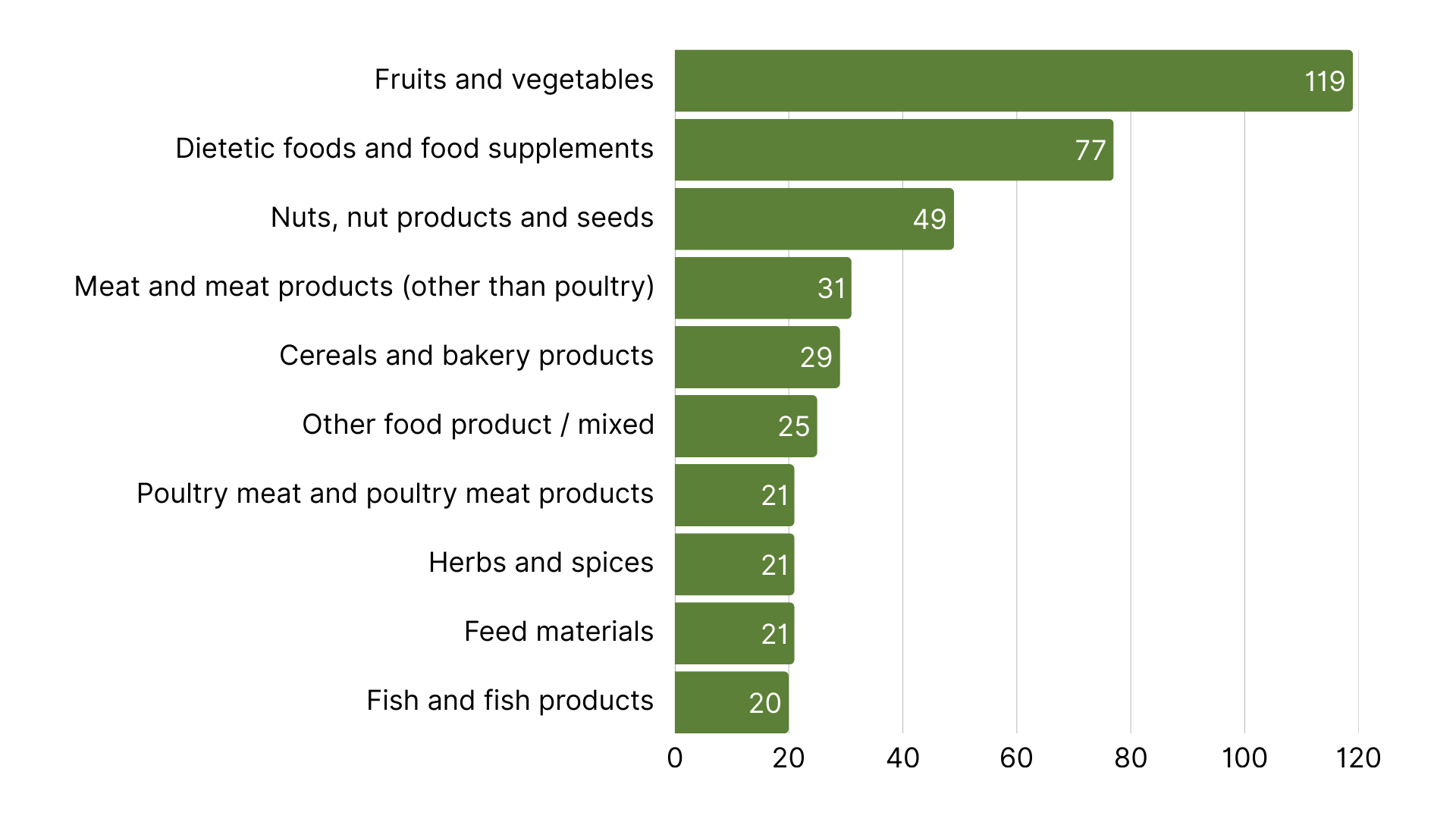
Graph 1: Top product categories in food recalls in the EU in November
1. Fruits and vegetables – 119 alerts (22.9%)
- Strong concentration of dried figs, plus issues in leafy greens, citrus and grapes.
2. Dietetic foods, food supplements and fortified foods – 77 alerts (14.8%)
- These include novel food ingredients, unauthorised substances and composition issues. While less relevant for primary farmers, they matter for processors and retailers supplying added-value products.
3. Nuts, nut products and seeds – 49 alerts (9.4%)
- Combination of mycotoxins and microbiological hazards such as Salmonella.
4. Cereals and bakery products – 29 alerts (5.6%)
- Mycotoxins (for example, T-2 toxin), pesticide residues in rice, and foreign body issues in some products.
5. Herbs and spices – 21 alerts (4.0%)
- Repeated findings of pyrrolizidine alkaloids, MOAH (mineral oil aromatic hydrocarbons), novel food ingredients and microbiological contamination.
For fresh produce professionals, the key takeaway is that plant-based products and their ingredients are central to the recall landscape, especially when they are dried, concentrated or used as minor ingredients with a strong risk profile.
Where do the recalled products come from?
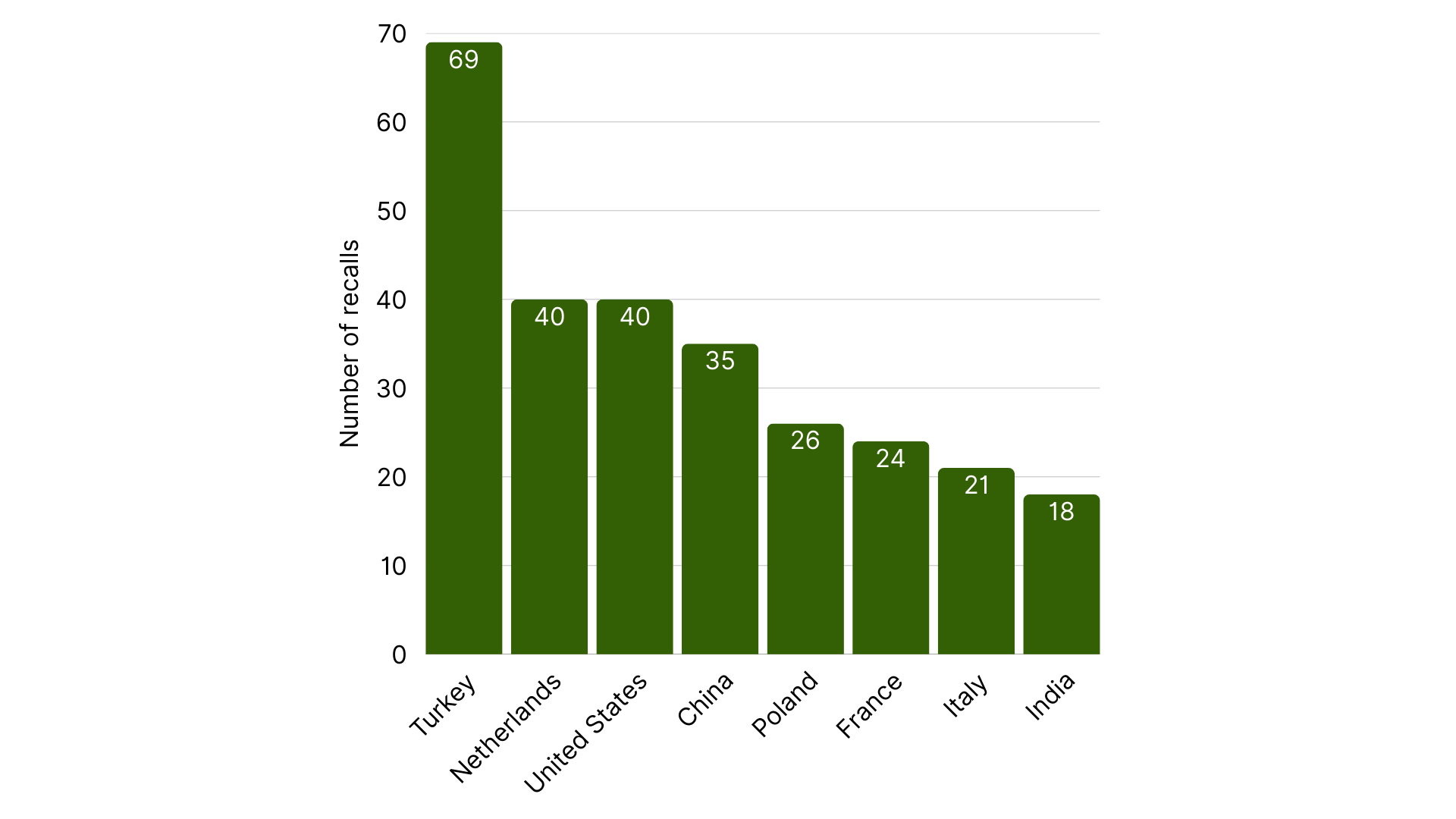
Graph 2: Top countries responsible for food recalls in the EU in November
Overall origins
Across all 519 alerts:
- Non-EU origins account for 298 notifications (57.4%).
- EU origins account for 202 notifications (38.9%).
- Unknown origin appears in 19 cases (3.7%).
The most frequently mentioned origin countries are:
- Turkey: 69 alerts
- Netherlands: 40 alerts
- United States: 40 alerts
- China: 35 alerts
- Poland: 26 alerts
- France: 24 alerts
- Italy: 21 alerts
- India: 18 alerts
Results for the Netherlands often reflect its role as a trade and logistics hub, where imported products are repacked or re-exported.
Origins for fresh-produce-related categories
When we narrow down to fruits and vegetables, herbs and spices, nuts and seeds, cereals and bakery products (218 alerts):
- Non-EU origins rise to 171 alerts (78.4%).
- EU origins drop to 44 alerts (20.2%).
Within this group:
- Turkey appears as the origin in 62 fresh-produce-related alerts, roughly 28.4% of all fresh notifications.
- India and Argentina each appear in 11 alerts.
- Italy appears in 10 alerts, followed by the Netherlands, United States and China with 9 alerts each.
For fruits and vegetables alone (119 alerts):
- Turkey is the origin in 58 notifications, equal to 48.7% of all fruit and vegetable alerts in November.
These figures do not mean that certain countries are “unsafe”. They reflect:
- High trade volumes for specific products.
- Focused official controls on known high-risk commodities, such as dried figs or certain nuts.
For buyers, the message is that imports from high-volume and historically high-risk origins usually require:
- Stricter supplier approval,
- Higher sampling frequencies,
- And clear contractual expectations on testing and documentation.
Hazard patterns behind the recalls
Looking at all 519 alerts from November, the overall picture shows a few dominant risk groups that regularly shape the European market. The distribution is as follows:
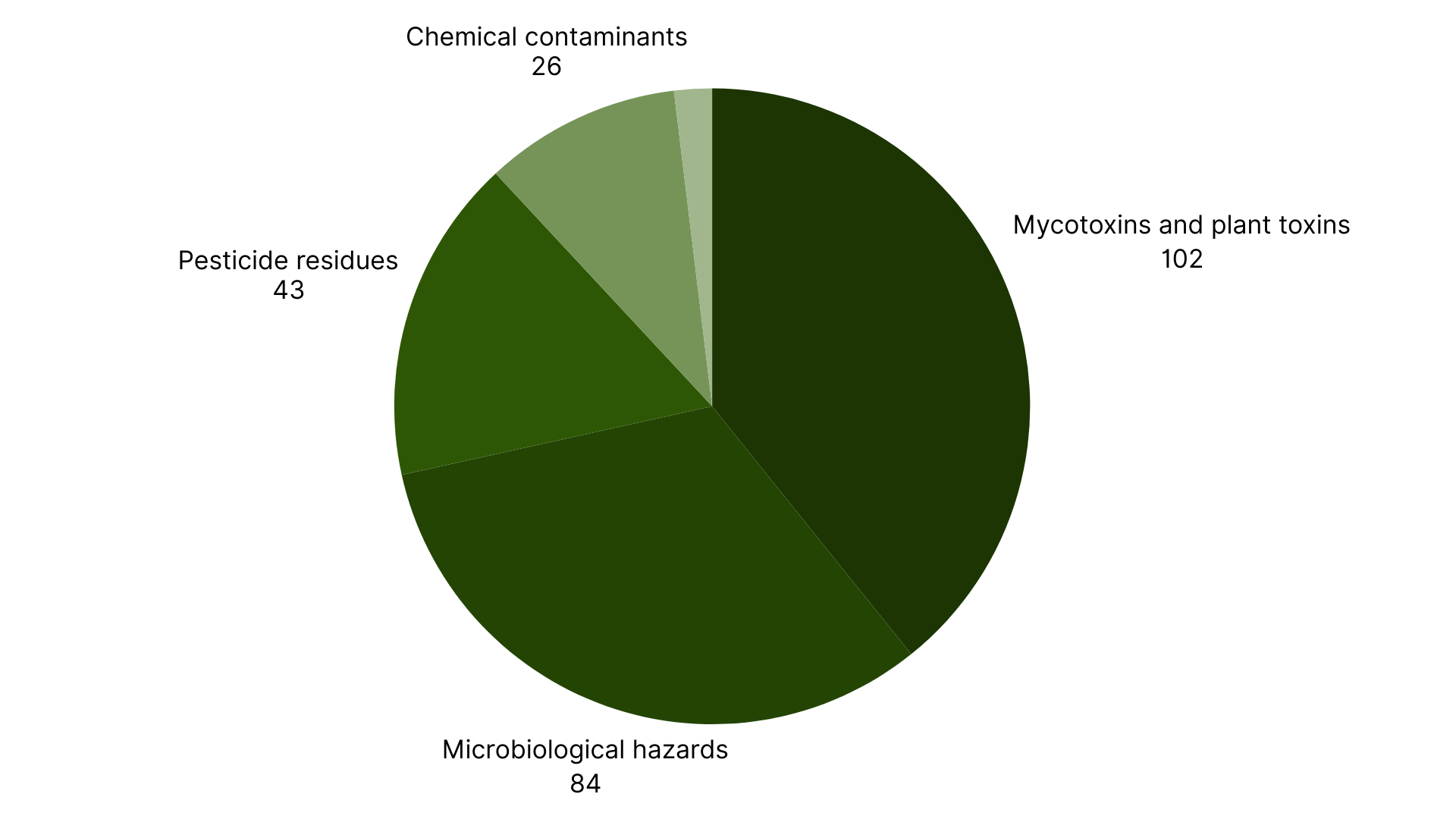
Graph 3: Top hazards related with food recalls in the EU in November
Mycotoxins and plant toxins
- 102 alerts (19.7% of all notifications).
- Within fresh-produce-related categories, 96 alerts (44.0%) fall here.
- The bulk comes from dried figs, nuts, cereals, and herbs, where warm climates and long storage are ideal conditions for toxin-forming fungi.
This group continues to be the most persistent challenge for dried and stored plant products.
Microbiological hazards
- 84 alerts (16.2%), including Salmonella, Listeria monocytogenes, STEC and Vibrio.
- In fresh produce, these mainly affect nuts, seeds, and a smaller number of vegetables and herbs.
These issues often reflect weaknesses in hygiene, moisture control or cross-contamination during processing.
Pesticide residues
- 43 alerts (8.3%).
- Repeated findings have been reported in grapes, raisins, rice, peppers, leafy greens, citrus, and oilseeds.
Many cases involve non-approved substances or MRL exceedances, often linked to imported products or mixed production systems where old actives are still present.
Chemical contaminants
- 26 alerts (5.0%), covering heavy metals, dioxins, MOAH and related chemicals.
- These appear in a wide range of products, especially those exposed to environmental pollution or complex processing.
Turning weekly alerts into everyday decisions
Based on the November recall data, several practical lessons stand out for farmers, cooperatives and buyers.
Small issues upstream can become big problems downstream
The concentration of alerts in dried figs, nuts and herbs shows how early steps in the chain have long effects. Poor drying conditions, moisture creeping back into storage rooms, or weak sorting early in the season can push an entire lot into the risk zone. Strengthening these first steps often removes most downstream hazards.
Verification is becoming as important as production
Pesticide-related alerts in grapes, leafy vegetables and rice reveal something important. Even when farming practices are solid, documentation and verification increasingly influence market acceptance. Many buyers now treat spray records, internal test results and certification as part of the product itself. Producers with clear evidence of compliant practices usually enjoy smoother market access.
Origin trends highlight where checks tighten
The strong presence of Turkey, India, Argentina and China in November's alerts does not point to poor quality across the board. It reflects where inspection efforts are focused and where historical risks exist. Buyers working with suppliers in these regions should plan for slightly higher sampling frequencies and transparent testing agreements. Producers from these origins benefit when they communicate test results early and reduce uncertainty for buyers.
Better data means fewer surprises
When producers, cooperatives, and buyers treat recall trends as a regular monitoring tool, rather than a once-a-year review, it becomes easier to anticipate problems. The most resilient supply chains are typically those that combine effective agronomy with straightforward, consistent data sharing, including records, analyses, and timely communication.