

September marks the peak of fig harvesting season across the Mediterranean, presenting both opportunities and challenges for farmers. With temperatures still elevated and the main crop reaching maturity, this period demands careful attention to timing, techniques, and post-harvest management to achieve optimal quality and market returns.
Current harvest conditions across Europe
The 2025 fig season has been characterized by earlier-than-usual ripening due to persistent high temperatures across the Mediterranean. In Spain's primary fig-producing regions, Elche and Albatera, the harvest began a full week earlier than usual, in mid-July rather than the traditional late-July start date. Similar patterns are evident across Italy, Greece, and other major European fig-producing areas, where the combination of winter rains followed by intense summer heat has created unique growing conditions.
Current harvest activity varies significantly by region and variety. In Italy, early crops experienced significant challenges with more than 50% production losses due to frost damage and fruit drop. However, the main crop harvest from mid-August through September shows more promising prospects, particularly where adequate irrigation has been maintained.
Critical ripeness indicators for commercial harvest
Primary ripeness signals
The most reliable indicator of fig readiness is the softness of the neck or stem area. Figs ripen from bottom to top, making the neck the final area to achieve proper ripeness. When gently squeezed, a ripe fig's neck will yield to slight pressure without being mushy.
Visual assessment criteria
Mature figs exhibit several key visual characteristics:
- Drooping posture: Ripe figs hang heavy on branches, no longer pointing upward or perpendicular to the stem.
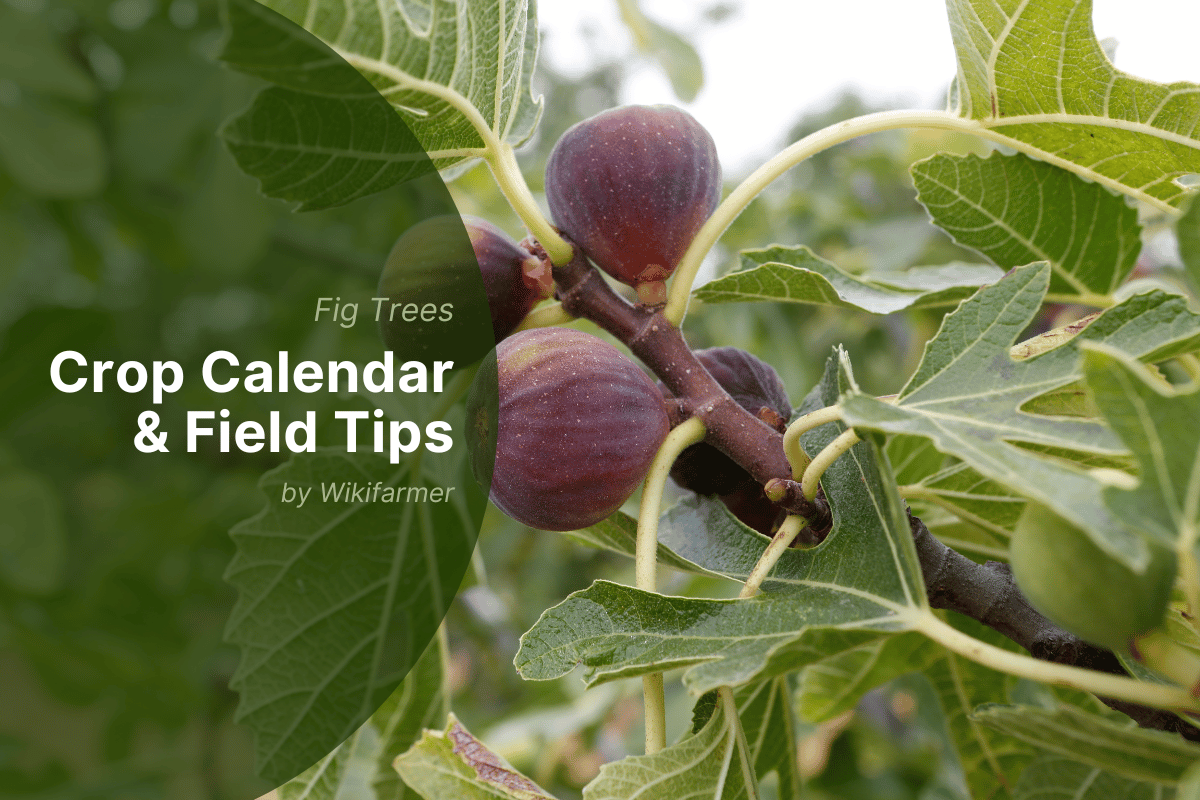
- Color development: Varieties achieve their characteristic mature colors - Black Mission figs should display light to dark mauve rather than pure black, while Calimyrna varieties show firm, yellowish-white to light yellow coloration.
- Skin characteristics: The epidermis becomes more translucent, often showing slight wrinkling or natural sugar spots.
- Natural indicators: A small drop of clear nectar or "honey" may appear at the ostiole (eye) of fully ripe figs.
Commercial vs. tree-ripe standards
European farmers must distinguish between commercial maturity and tree-ripe stages. Commercially mature figs yield slightly when touched and maintain firmness suitable for transport and storage. Tree-ripe figs, while offering superior consumer acceptance and higher sugar content, have reduced shelf life and require immediate local marketing.
Learn how to cultivate figs step by step
Optimal harvesting techniques
Timing and frequency
September harvesting requires daily monitoring as figs can progress from under-ripe to overripe within 24-48 hours. Professional operations typically harvest:
- Every three days during early ripening phases.
- Daily during peak harvest periods.
- Every third day as production tapers off.
Harvest best practices
Given figs' extreme perishability, proper harvesting techniques are crucial:
- Early morning collection: Harvest during cooler morning hours to preserve fruit quality and extend shelf life. This practice minimizes heat stress and maintains optimal firmness for handling.
- Gentle handling: Figs bruise easily and their delicate skin requires careful manipulation. Use shallow containers to prevent compression damage and avoid stacking multiple layers.
- Stem management: For commercial markets, select varieties that part readily from branches without tearing the neck, as damaged stems significantly reduce marketability.
- Personal protection: Fig trees produce latex sap that can cause skin irritation. Wearing gloves during harvest and pruning operations protects workers from contact dermatitis.
Quality assessment and grading
Commercial quality standards
European fresh fig standards classify produce into three categories: Extra Class, Class I, and Class II. Key quality parameters include:
- Firmness levels: Maintain adequate firmness for transport while ensuring eating quality.
- Defect tolerance: Extra Class figs must be essentially defect-free, while lower classes permit minor skin imperfections.
- Size uniformity: Consistent sizing improves marketability and consumer acceptance.
- Stem integrity: Intact stems are required for Extra Class designation.
Critical quality indicators
- Sugar content: Soluble solids concentration (SSC) typically ranges from 12-20°Brix, with higher values indicating superior eating quality.
- Acidity balance: Optimal figs maintain titratable acidity between 0.15-0.30%, providing balanced flavor profiles.
- Flesh characteristics: The pith (area just inside the skin) should appear yellowish rather than bright white, indicating proper maturity.
Disease and pest management during harvest
Primary harvest-period threats
September's warm conditions create ideal environments for several fig problems:
- Aspergillus contamination: High humidity and fruit damage increase the risk of Aspergillus species infection, which can produce dangerous mycotoxins. Careful handling to minimize wounds and immediate cooling are essential preventive measures.
- Insect pressure: Fruit flies (Bactrocera spp.) and insects are particularly active during harvest periods. Damaged or overripe fruits attract these pests, potentially spreading infestations throughout orchards.
- Bird damage: Starlings and other birds significantly impact ripe fig crops, particularly in larger commercial operations. Bird pressure intensifies as fruits reach peak ripeness, requiring protective measures during critical harvest windows.
Management strategies
- Sanitation: Remove fallen or damaged fruits immediately to reduce pest breeding sites and disease inoculum.
- Monitoring: Regular orchard inspection allows early detection of pest populations and disease symptoms.
- Biological control: Maintain beneficial insect populations through reduced pesticide applications during harvest periods.
Post-harvest handling and storage
Immediate cooling requirements
Figs have a limited shelf life at ambient temperatures, lasting only 2-3 days. Immediate refrigeration to 1-2°C extends storage life significantly:
- Commercial maturity figs: Can be stored 7-14 days under optimal conditions.
- Tree-ripe figs: Can be stored for a maximum of only 3-5 days, even with refrigeration.
Modified atmosphere packaging
Recent research demonstrates that controlled atmosphere storage significantly extends fig shelf life. Optimal gas compositions include:
- Oxygen levels: 10-15%.
- Carbon dioxide: 5-10%.
- Storage temperature: 1-2°C.
Sealed packaging without gas regulation can cause CO₂ accumulation exceeding 30%, leading to anaerobic conditions and off-flavors.
Quality Preservation Techniques
- Calcium Treatments: Post-harvest calcium chloride applications (1% solution) can improve firmness retention and extend storage life. However, heat treatments (45°C) may negatively impact consumer acceptance.
- Packaging Innovations: Breathable packaging systems with selective gas permeability maintain optimal atmospheres while preventing moisture loss, extending marketable life to 21 days at 2°C.
Stay up-to-date with fresh price insights
Market preparation and timing
European market dynamics
September represents peak supply periods for European fig markets, creating both opportunities and pricing pressures. Figs can reach premium prices at €4.50-6.50/kg, which is typical for this fruit during its brief but intense harvest window. Turkey's dried fig exports influence fresh market dynamics, with early harvest timing affecting price structures.
Value-added opportunities
Current market trends favor:
- Organic certification: Commands 20-25% price premiums.
- Local marketing: Reduces transport stress and allows tree-ripe harvesting.
- Direct sales: Farmers' markets and farm-gate sales capture maximum value.
Export Considerations
For farmers considering export markets, harvest timing becomes critical. Commercial maturity harvest allows longer transport times but requires careful coordination with shipping schedules to ensure optimal arrival conditions.
Climate adaptation strategies in fig cultivation
Managing heat stress
September's elevated temperatures present ongoing challenges for fig quality:
- Irrigation management: Adequate soil moisture prevents fruit drop and maintains size consistency. However, excessive irrigation near harvest can cause fruit splitting.
- Harvest timing adjustments: Earlier morning harvests and potential night harvesting during extreme heat events protect fruit quality and worker safety.
- Variety selection: Long-term orchard planning should consider heat-tolerant varieties (like brown Turkey, Black Mission, Kadota, Celeste, and Smith) and those with compressed harvest windows that avoid peak heat periods.
Economic optimization
Cost-benefit analysis
September harvest operations require balancing labor costs against quality premiums:
- Frequent harvesting: Increases labor costs but significantly improves average fruit quality.
- Selective picking: Higher-skilled labor requirements but reduced waste and improved market acceptance.
- Post-harvest investments: Cooling facilities and proper storage can justify premium pricing.
Market timing
Understanding local and export market demand patterns helps optimize harvest timing. Early September often commands higher prices due to limited competition, while late September may require processing or dried fig markets.
Technology Integration
Monitoring Systems
Modern fig operations increasingly utilize remote monitoring for:
- Soil moisture: Preventing water stress during critical ripening periods.
- Temperature tracking: Optimizing harvest timing decisions.
- Pest monitoring: Early warning systems for fruit fly and other pest pressures.
Harvest Efficiency
While figs require hand harvesting, improved container design and transport systems can reduce handling damage and improve worker productivity.
Fig harvesting in September demands intensive management, combining traditional horticultural knowledge with modern post-harvest technology. Success requires daily attention to ripeness indicators, immediate quality preservation measures, and strategic market timing. European farmers who master these critical September operations position themselves for optimal returns from this high-value specialty crop.
The combination of climate challenges, market opportunities, and quality requirements makes September fig harvesting both demanding and potentially rewarding. Attention to detail in timing, handling, and post-harvest management directly translates to market success and sustainable production profitability.
References
The effect of calcium chloride and thermal postharvest treatments on storage ability and quality of fig fruit
Figs: Postharvest Quality Maintenance Guidelines
Fresh Figs — UNECE quality standard
Evaluating Quality Attributes of Four Fresh Fig (Ficus carica L.) Cultivars Harvested at Two Maturity Stages