Tomatoes are a kitchen essential and a favorite at farmers' markets around the globe, known for their vibrant colors, rich flavors, and versatility. Not only are they delicious, but they are also packed with nutrients. Tomatoes are an excellent source of vitamin C, potassium, folate, and vitamin K. They are also high in antioxidants, especially lycopene, which supports heart health and may lower the risk of certain cancers. With their low calorie and high water content, tomatoes make a healthy addition to any meal.
With thousands of varieties available, selecting the right tomato can elevate your dish from ordinary to extraordinary. Our guide will introduce you to the most popular types of tomatoes found at your local farmers' market, their best culinary uses, nutritional benefits, and tips for keeping them fresh longer at home.
Seasonality and Flavor: Why Summer Tomatoes Are the Best
The best time to buy tomatoes at farmers' markets is during the summer, typically from June through September in most regions. Cherry tomatoes often appear first in June, followed by medium-sized and beefsteak tomatoes in July and August.
While modern farming techniques and greenhouse cultivation make tomatoes available all year, their flavor truly peaks in summer. Warm temperatures and abundant sunlight allow tomatoes to ripen fully on the vine, developing their signature sweetness and complexity. Off-season tomatoes, especially those grown in greenhouses or shipped long distances, may be less flavorful, but careful selection and storage can still yield good results.
Tomato growing: Techniques for cultivation
- Greenhouse Cultivation:
Tomatoes grown in greenhouses benefit from controlled environments, allowing for higher yields, extended growing seasons, and consistent quality. Greenhouses protect plants from pests, diseases, and weather extremes, making it possible to harvest tomatoes nearly year-round.
- Open Field Cultivation:
Traditional outdoor growing relies on natural weather patterns. Tomatoes grown this way are typically harvested in summer, when conditions are ideal. These field-grown tomatoes often have exceptional flavor, especially when picked at peak ripeness.
- Low-Coverage/High Tunnel:
These are temporary structures that extend the growing season by protecting plants from early spring or late fall weather. While not as controlled as greenhouses, they help farmers produce tomatoes outside the main summer season.
Understanding Tomato Hybrids: Not the Same as GMOs
Many consumers are wary of the term "hybrid," sometimes confusing it with genetically modified organisms (GMOs). Here’s the difference:
Hybrid Tomatoes are created by naturally cross-pollinating two different tomato varieties to combine desirable traits, like disease resistance, uniform size, or improved shelf life. This process is done by plant breeders and has been used for centuries. Hybrids are not GMOs and do not involve gene splicing or transferring genes between unrelated species.
Another commercially available type of fresh tomato is the heirloom tomato. Open-pollinated varieties are passed down through generations, prized for flavor and genetic diversity. Although they may be more susceptible to disease, they are valued for their unique flavor characteristics.
Top types/varieties you'll find at the farmers’ market this summer
- Beefsteak Tomatoes
Large, juicy, and meaty, beefsteaks are the classic choice for sandwiches and burgers. Their mild flavor and firm texture also make them great for salads, grilling, and sauces.
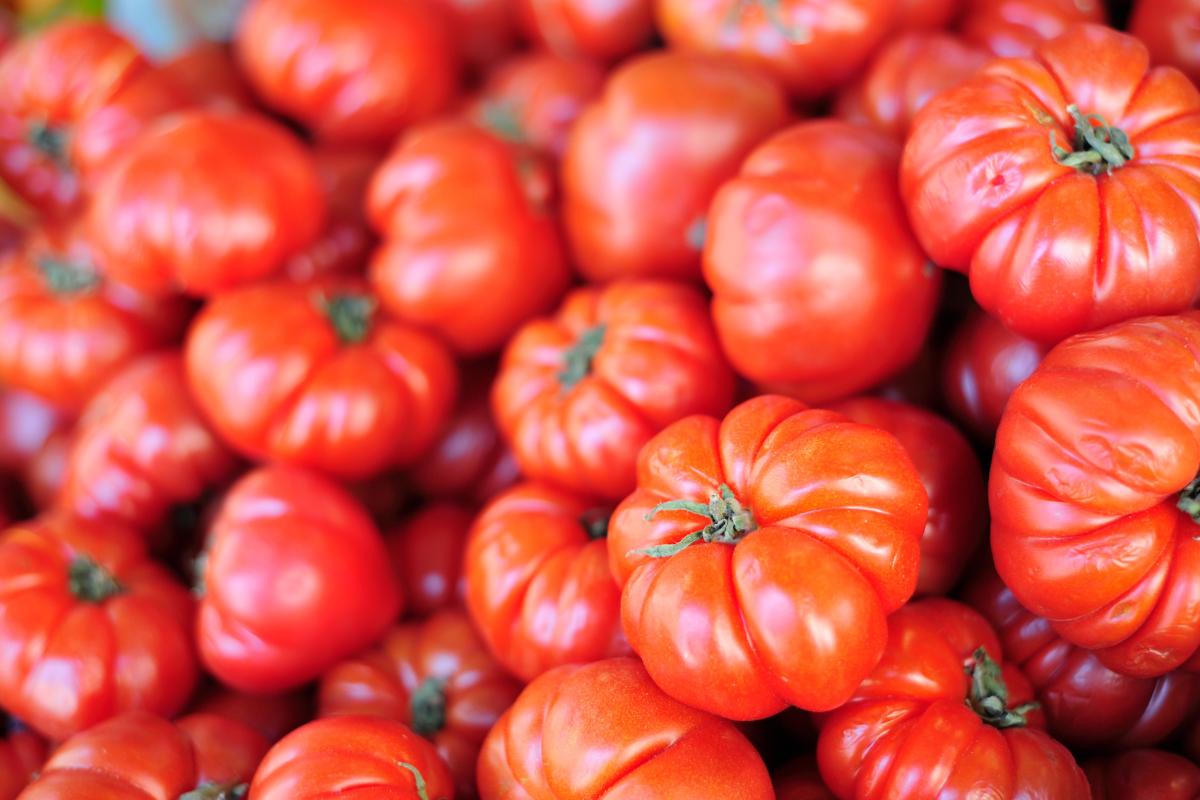
- Heirloom Tomatoes
Heirlooms come in all shapes, sizes, and colors, often with unique, rich flavors. These include Brandywine, Cherokee Purple, Green Zebra, Black Krim, and Marvel Stripe. They’re best enjoyed raw in salads or as a showpiece in tarts, letting their natural taste shine. Look for them at farmers' markets in summer for peak flavor.
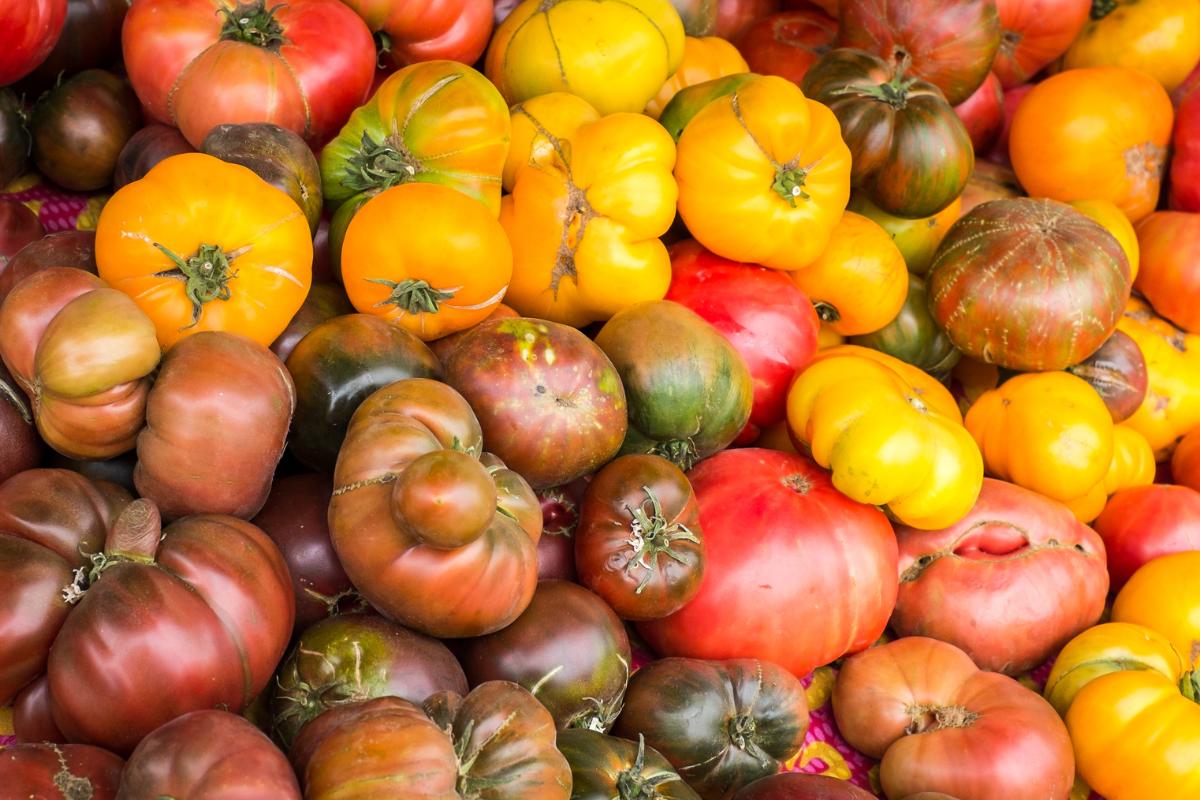
- Cherry and Grape Tomatoes
Small, sweet, and snackable, these tomatoes are perfect for salads, appetizers, roasting, or just eating out of hand. Their concentrated sweetness intensifies when roasted or grilled.
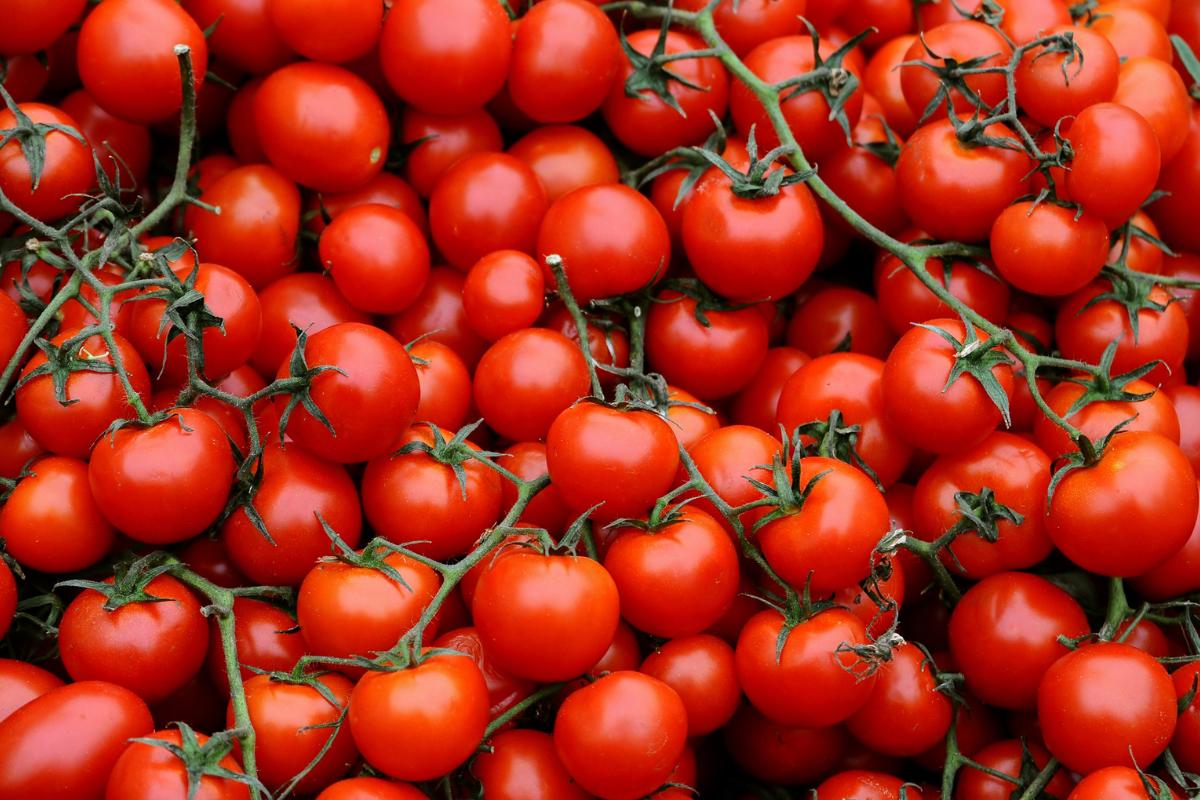
- Plum (Roma) Tomatoes
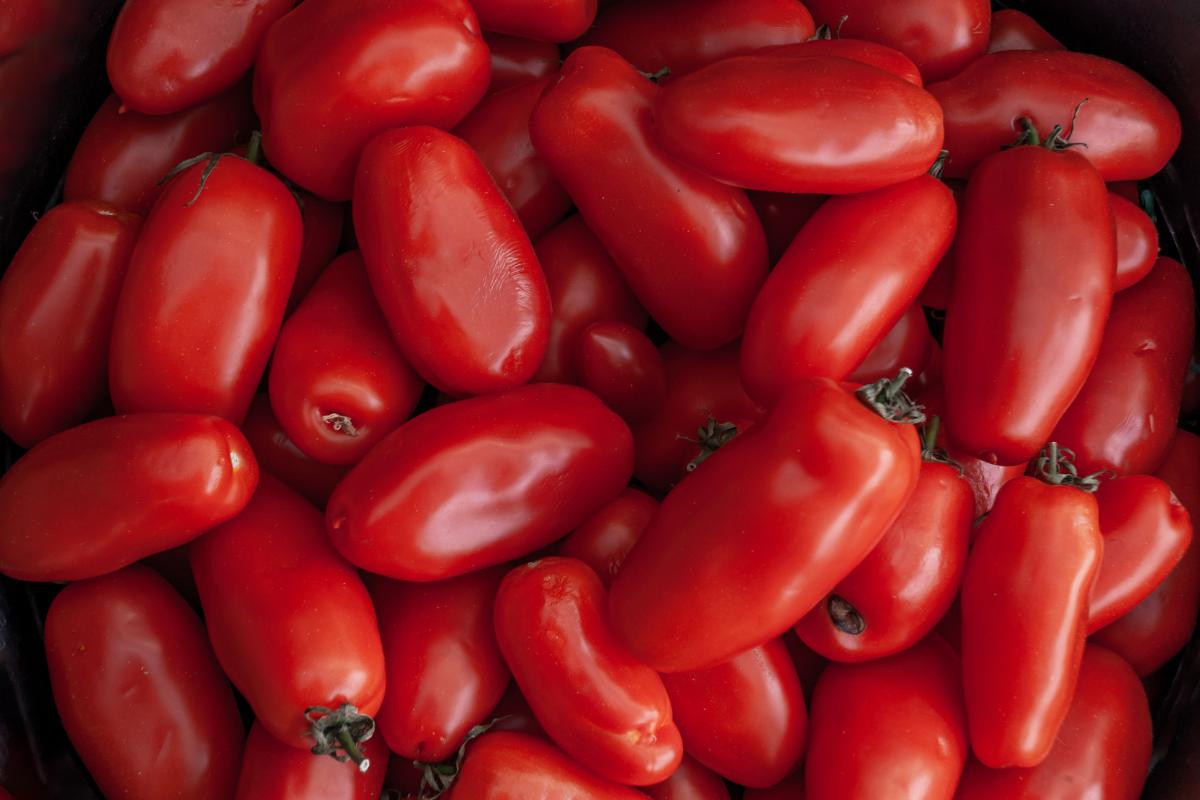
Oval-shaped with dense flesh, plum tomatoes are ideal for sauces, canning, and roasting. Their low moisture content means they cook down into thick, flavorful sauces—think Italian classics like marinara or pomodoro.
 Tomatoes .jpeg)
- San Marzano Tomatoes
A prized Italian plum variety, San Marzanos are sweet, low in acid, and renowned for making the world’s best pasta sauces and pizzas.
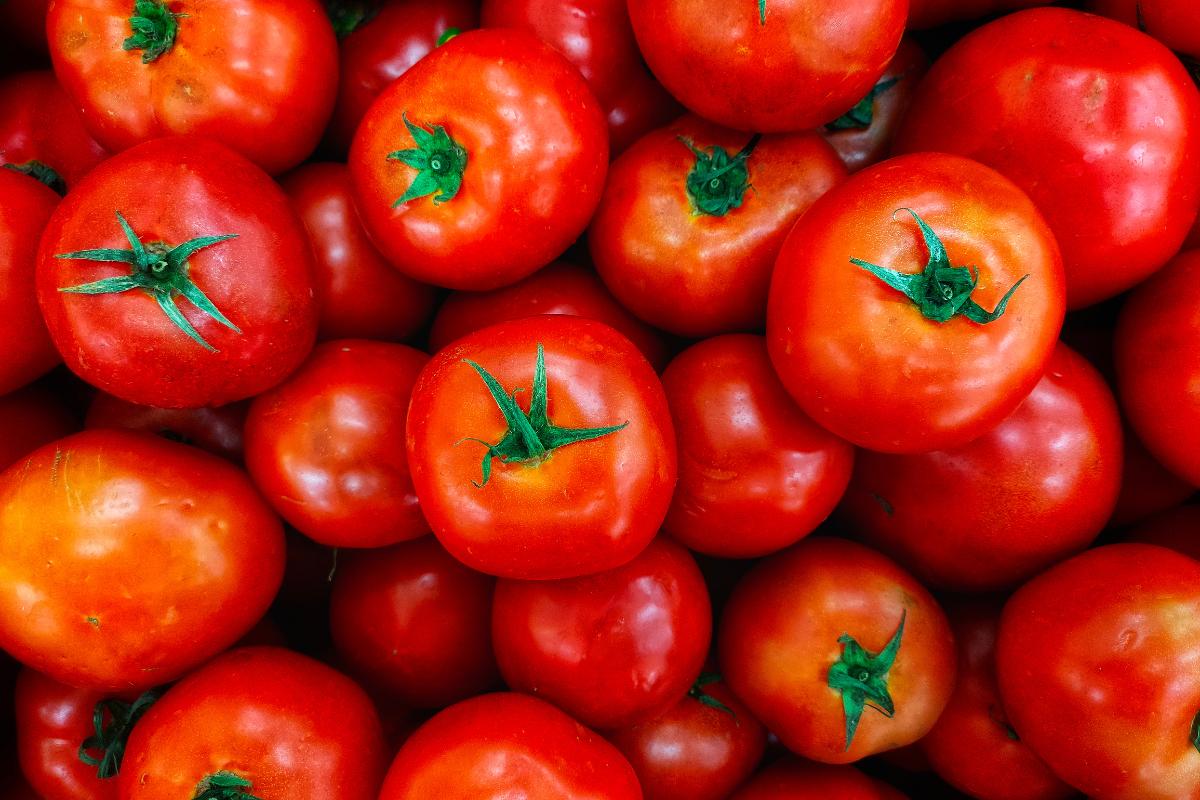
- Globe Tomatoes
The standard supermarket tomato, globe types are round, medium-sized, and versatile—good for slicing into sandwiches, salads, or quick-cooked sauces.
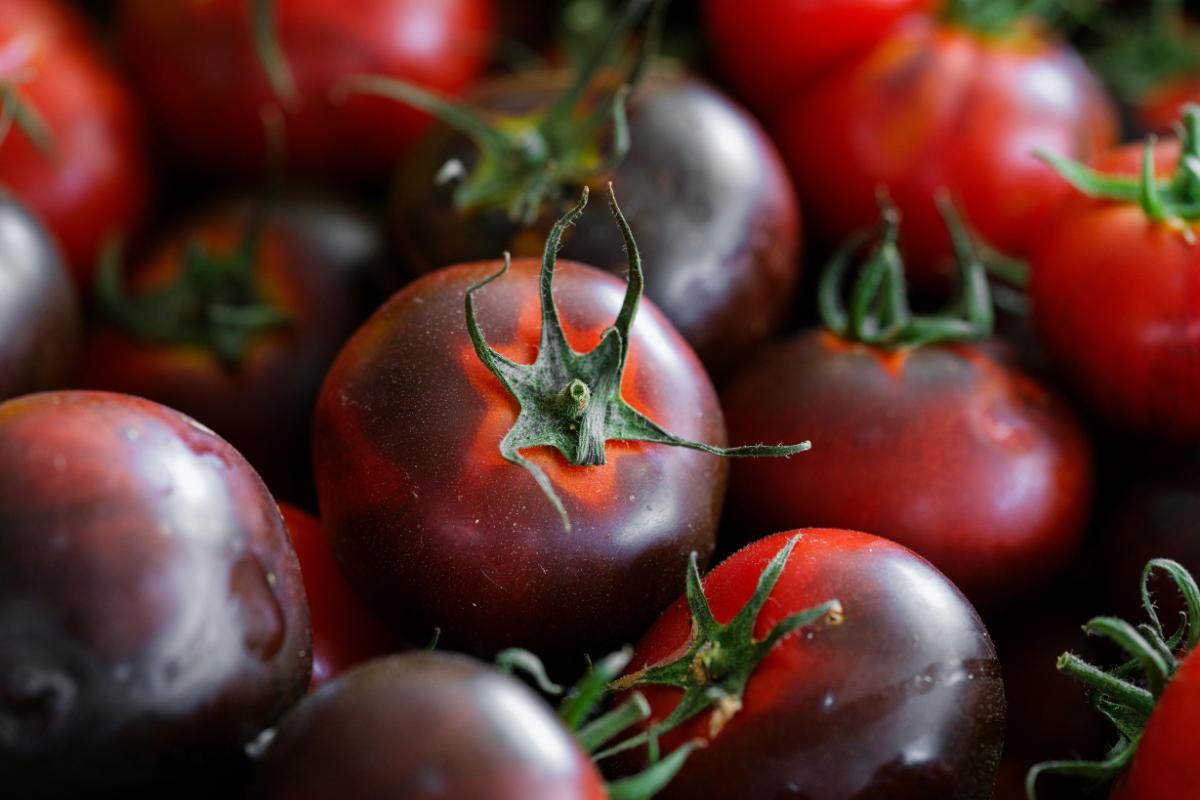
- Purple, Black, and Green Tomatoes
Unique varieties like Cherokee Purple (heirloom) or green tomatoes offer earthy, tangy flavors. Purple and black tomatoes are excellent raw in salads, while green tomatoes are famously fried or pickled.
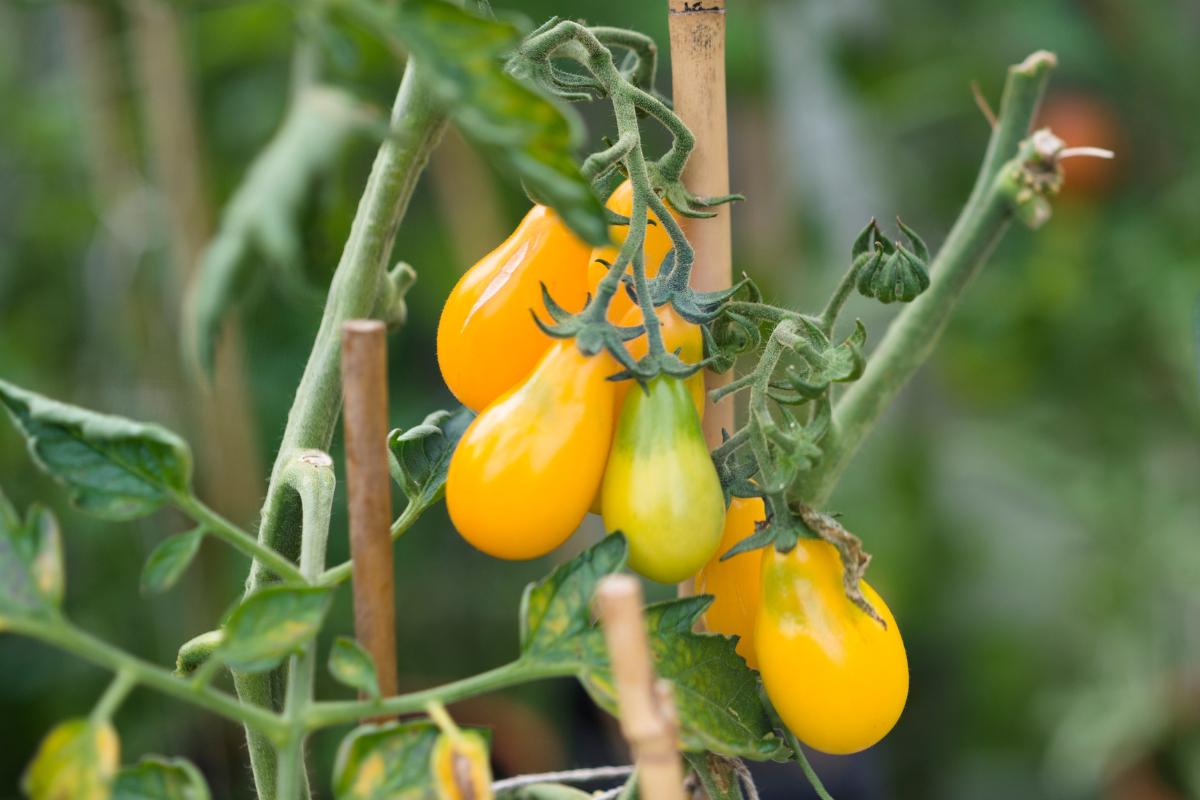
- Pear or Teardrop Tomatoes
Tiny and sweet, these are great for salads and snacking, with red, yellow, and orange varieties available.
Extra tips to choose the perfect tomatoes for your dishes
- Pick by ripeness and aroma: Choose tomatoes that are vibrant in color and have a slight give when gently squeezed. A fragrant aroma is a good sign of ripeness and flavor.
- Shop early in the season for cherry tomatoes and later for larger varieties: Cherry tomatoes arrive first, followed by medium and beefsteak types as the season progresses.
- Ask farmers about the variety, how they’re grown, and the best way to enjoy them.
5 Easy & Delicious Ways to Use Fresh Tomatoes
Fresh tomatoes are a summer staple—juicy, vibrant, and bursting with flavor. Here are five simple ways to make the most of them in your kitchen:
- Caprese Salad: Slice heirloom or beefsteak tomatoes and layer them with fresh mozzarella and basil. Drizzle with olive oil and a sprinkle of salt for a classic Caprese salad.
- Roasted Tomato Side:Toss cherry or grape tomatoes with olive oil and garlic, then roast until they’re sweet and caramelized. Serve as a side or toss with pasta.
- Simple Tomato Sauce: Simmer chopped San Marzano or Roma tomatoes with garlic and olive oil for a quick, flavorful sauce—perfect for pasta or pizza.
- Fried or Pickled Green Tomatoes: Try frying green tomato slices for a crispy snack, or pickle them for a tangy treat that’s great on sandwiches.
- Fresh Tomato Toppings: Add sliced tomatoes to sandwiches, burgers, or toast for a burst of summer flavor with every bite.
Tomato storage tips for longer freshness and flavor
To keep tomatoes fresh and flavorful, pay attention to their ripeness, storage location, and handling. Here are some expert tips to maximize their shelf life and taste:
1. Store Unripe Tomatoes at Room Temperature
- Keep unripe tomatoes on the kitchen counter, out of direct sunlight, in a single layer with stems facing down. This allows them to ripen evenly and prevents bruising.
- Avoid refrigerating unripe tomatoes, as cold temperatures halt the ripening process and can negatively affect flavor and texture.
2. Once Ripe, Use or Refrigerate Promptly
- Eat ripe tomatoes as soon as possible for the best flavor.
- If you need to extend their life by a few days, place fully ripe tomatoes in the refrigerator (preferably in a breathable bag in the crisper drawer). This slows spoilage but may dull flavor and texture.
- Before eating refrigerated tomatoes, let them return to room temperature for at least an hour to help restore some of their flavor and aroma.
3. Special Tips for Cherry Tomatoes
- Store cherry tomatoes at room temperature in an open container or bowl. For longer storage, place them in a glass jar with a lid in the refrigerator after they’re fully ripe.
- Always keep tomatoes in a single layer to avoid crushing and bruising.
4. Washing and Handling
- Wash tomatoes only before eating or using them to prevent excess moisture, which can lead to mold.
- For a deeper clean, you can use a vinegar rinse (¼ cup distilled white vinegar in 10 cups of water, soak for 2 minutes, then dry thoroughly).
5. Freezing for Long-Term Storage
- Tomatoes (any variety) can be frozen whole, halved, or as a sauce. If desired, freeze, blanch and peel, then store in airtight freezer bags or containers. Frozen tomatoes are best used for cooking after thawing and can last up to 12–18 months in the freezer.
6. Additional Tips
- Avoid storing tomatoes near bananas or apples, which release ethylene gas and can speed up ripening and spoilage.
- If you have overripe tomatoes, consider freezing them for later use in sauces or stews.
Conclusion
Fresh tomatoes bring vibrant color and unbeatable flavor to your kitchen, but choosing the right variety makes all the difference. Juicy heirlooms and beefsteaks are perfect for slicing into salads and sandwiches, while sweet cherry and grape tomatoes shine in roasting and snacking. If you’re making sauces or canning, reach for Roma or San Marzano tomatoes, prized for their dense flesh and rich taste. By matching the tomato type to your recipe, you’ll enjoy the best texture and flavor every time. So next time you’re at the market or harvesting from your garden, select the variety that suits your dish—and savor the full potential of fresh tomatoes in every bite!
Further information on tomatoes:
Interesting Facts about Tomato
How to easily grow tomatoes in your backyard
Sources
Apr 7 2018 March Heirloom Tomatoes (PDF)