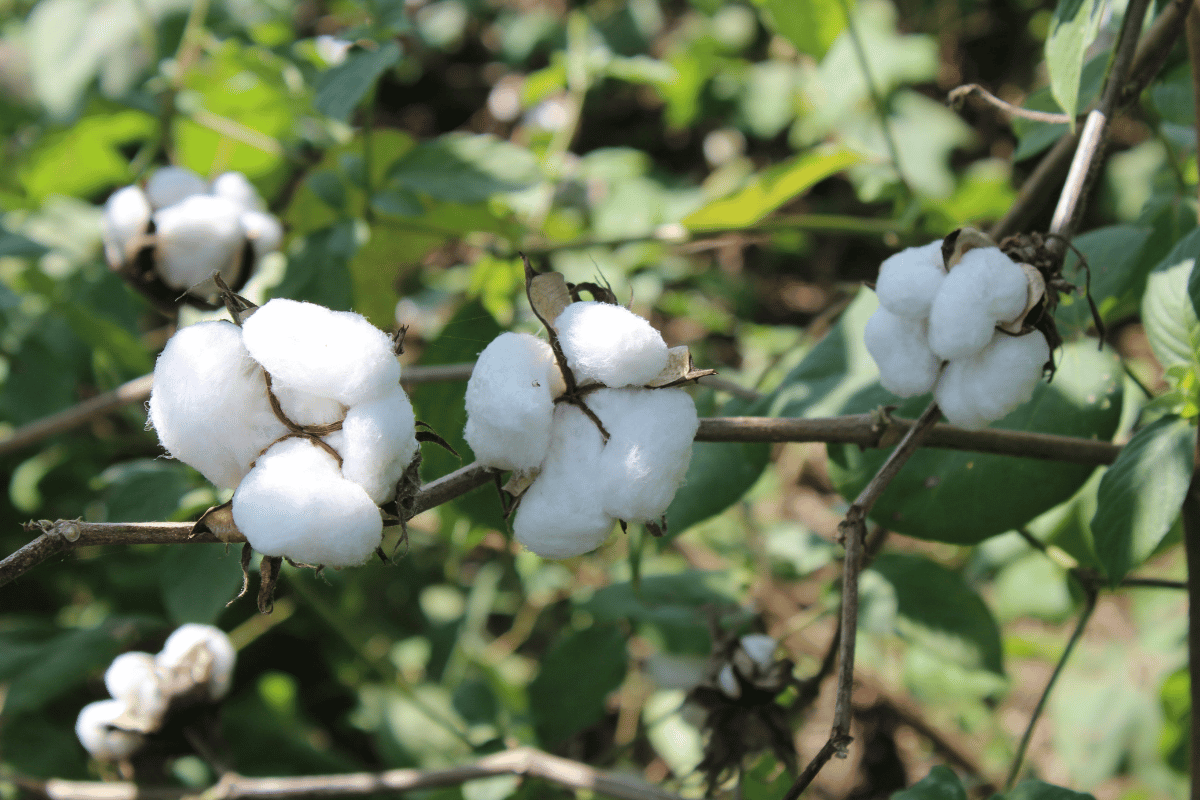
Cotton fields in northern Greece are at the squaring stage (BBCH 51-55) and the June generation of the cotton bollworm is beginning. The crops are generally in good condition and populations of natural enemies are already established, which shapes the management choices for this period.
Cotton bollworm and natural enemies
The current June generation of the cotton bollworm (Helicoverpa armigera) is not considered dangerous. Fields show established populations of natural enemies, such as ladybirds, predatory bugs of the genera Orius and Nabis, lacewings, and hoverfly larvae, whose presence is decisive for controlling the bollworm and other pests. Spraying is not advised for Lygus, leafhoppers, or the current bollworm generation. Any shedding of fruiting structures is more often physiological, caused by hormonal imbalance under adverse conditions, and at this stage the plants have a high capacity to compensate. Any decision to intervene is taken only after field scouting and once the thresholds set by the ministry's integrated pest management guide are exceeded.
| Region | Situation | Recommendation |
|---|---|---|
| Drama Bulletin 30 June |
Squaring (BBCH 53-55), good condition, established natural enemies | No plant-protection treatment, balanced fertilisation and foliar biostimulants for heat stress |
| Serres Bulletin 1 July |
Squaring (BBCH 51-55), zero to low trap catches, beneficials present | Avoid unnecessary sprays, moderate nitrogen fertilisation and irrigation |
| Thessaloniki Bulletin 2 July |
Squaring to flowering, low catches, rising numbers of beneficials | Regular scouting, no sprays as long as thresholds are not exceeded |
Balanced fertilisation and avoiding excess nitrogen
Excessive nitrogen fertilisation and irrigation promote a continuous flush of tender tissue that attracts pests and delays maturity. Balanced fertilisation is advised, and where vegetation is out of balance a foliar phosphorus and potassium application helps the crop use up the excess nitrogen. Where growth remains too vigorous, mepiquat chloride-based growth regulators may be needed.
Supporting the crop under heat stress
To ease the strain of high temperatures during the critical reproductive stages, from squaring through flowering, and to support photosynthetic activity, foliar biostimulants such as amino acids and mannose are recommended, together with micronutrients, namely zinc, boron, cobalt, and molybdenum. In fields with a known history of premature senescence syndrome, and especially in cotton hybrids, a foliar phosphorus and potassium application at the start of flowering supports the crop through fruiting.
Sources
- Regional Agricultural Directorate of Drama, 2nd cotton pest bulletin (30 June 2026).
- Regional Agricultural Directorate of Serres, cotton pest bulletin (1 July 2026).
- Regional Agricultural Directorate of Thessaloniki, 2nd cotton pest bulletin (2 July 2026).