How breeding, storage, and global trade changed the fruit
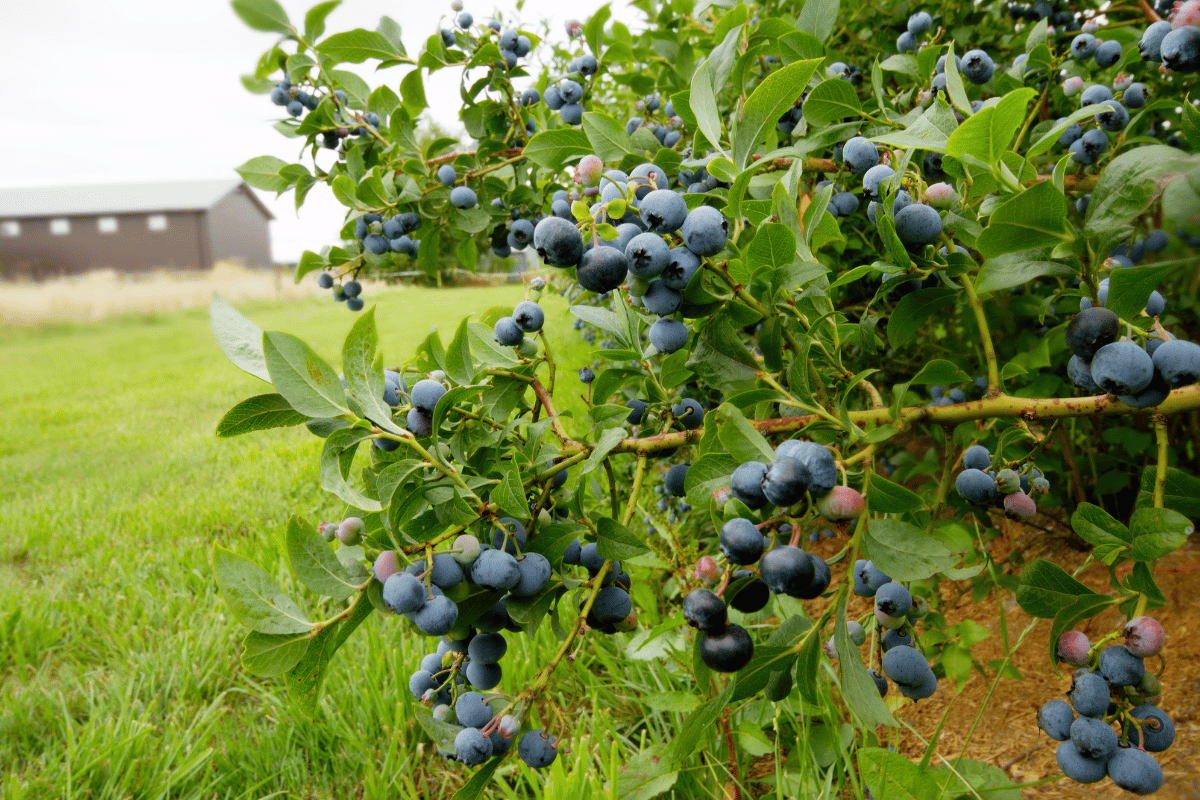
In the 1980s, blueberries were still a seasonal pleasure. In the Northern Hemisphere, fresh berries meant summer. Outside that short window, people turned to frozen fruit. Not because demand was missing, but because the berries simply did not travel well.
Under refrigeration, growers often had a week at best before softness and mold took over. Thin skins, delicate flesh, and an open stem scar made blueberries vulnerable from the moment they were picked. Long-distance shipping was risky, and long storage was not part of the plan.
That reality shaped the early blueberry economy. Fresh fruit stayed close to home. Anything that had to move farther was frozen, dried, or processed. Most people accepted this as normal. Blueberries were good, but fragile. A summer fruit with clear limits.
Then Florida challenged the calendar.
Breeding for low chill and earlier harvest
In the late 1980s and 1990s, Florida growers started asking an uncomfortable question. What if blueberries showed up in April, not June?
This was not curiosity. It was timing economics. Early fruit sells into an empty market. Prices are high, shelves are bare, and buyers are willing to take risks. But there was a biological problem. Blueberries evolved to need winter chill. Florida winters did not really count as winter.
The workaround was breeding. Researchers crossed northern highbush blueberries with southern species that needed far fewer chill hours. On paper, it made sense. In practice, it was rough. Early selections were small, sour, seedy, and inconsistent. One breeder later described them as “borderline inedible.”
That detail matters because it shows how unglamorous the transition was. Years of selection, rejection, and quiet failure. Growers waited. Investors hesitated. But eventually, southern highbush types improved enough to work. When they did, Florida moved fast. An April harvest could pay for a lot of uncertainty.
The trade everybody made
As production expanded through the 1990s and 2000s, breeding priorities shifted in a very practical direction. Farms needed high yields, early harvests, and berries that could be packed, shipped, and still look good days later. Flavor mattered, but it was no longer the first filter.
A variety like Duke became a standard because it checked the right boxes. Reliable yields. Firm fruit. Early timing. Its flavor was usually described as mild to slightly tart, not remarkable, but consistent enough for large programs.
At the same time, the cold chain matured. Faster pre-cooling, better handling protocols, clamshell packaging, and storage research pushed shelf life far beyond what growers had known before. By the early 2000s, with good temperature and humidity control, blueberries could last close to four weeks.
That single change reshaped global trade. Sea freight became viable, not just air shipments reserved for premium fruit. Distances that once ruled blueberries out entirely were suddenly acceptable.
Health messaging also played a role. In the late 1990s, antioxidants entered mainstream media, and blueberries gained a reputation as a “healthy” fruit. Consumption rose, and people started buying blueberries more often, not just as a summer habit.
The business grew fast. But a tension became hard to ignore. A berry that survives shipping well is not always the berry people remember enjoying.
Why flavor became inconsistent in the 2000s
If you bought blueberries regularly in the 2000s, inconsistency was common. One clamshell is sweet and satisfying, the next watery or flat. Part of that came down to how blueberries were sold.
Unlike apples, blueberries were rarely marketed by variety. Retail packs often mix cultivars with different flavor profiles and textures. That meant uneven eating quality, even when the fruit looked identical.
Then there was the more uncomfortable finding from taste panels.
Breeders noticed that many consumers preferred mild sweetness and low acidity. Strong or distinctive flavors did not always score well. One University of Florida breeder recalled a selection with rich, jam-like notes losing out to a milder berry that eventually became Meadowlark. She later described it bluntly as a “bland-ass water bean.” The panel preferred its subtle profile, even calling it a “faint whiff of violets.”
That is not a joke or a failure of breeding. It is a market signal. If most buyers reward mild berries, those are the varieties that get planted. Over time, that becomes the flavor profile people associate with blueberries in general.
The numbers that changed global trade
There is one number that explains almost everything.
In the 1980s, fresh blueberries typically held for about a week under refrigeration. By the 2000s, good handling could extend that to roughly a month. Later, as controlled atmosphere storage and new genetics came together, trials showed that blueberries could be held for up to seven weeks under carefully managed conditions, with limited quality loss in some cases.
Seven weeks changes what “local” even means.
It allows fruit to move by sea instead of air. It allows production to shift across continents. It allows retailers to plan year-round programs instead of seasonal ones.
Expansion of production regions and the Peru model
Genetics pushed the map even further. Low-chill and near-no-chill varieties made production possible in regions that would have seemed unrealistic a few decades earlier.
Peru is the clearest example. Large-scale plantings expanded rapidly, even in coastal desert areas, using drip irrigation and tightly managed systems. The key was varieties that could flower and fruit with minimal chill.
Winter blueberries became normal not because nature changed, but because people redesigned the crop to fit a global schedule.
What we gained and what got diluted
It would be easy to call this pure progress, but agriculture rarely works without trade-offs.
Older berries, including wild lowbush types, tend to be smaller and more intense in flavor. One reason is their higher skin-to-pulp ratio. That matters because much of the pigment and phenolic content sits in the skin. Wild blueberries have been reported to contain two to three times higher total phenolics than cultivated highbush types.
That does not mean modern blueberries are inferior or unhealthy. It means the industry selected first for size, firmness, and transportability, and intensity sometimes came second.
The good news is that this started to change in the 2010s. Breeding programs and marketers became more direct about repeat purchases. People buy blueberries again only if they taste good and stay firm. Industry surveys from that decade consistently ranked flavor and texture among the top breeding priorities.
Coming back to that winter clamshell
Sources
Breeding blueberries for a changing global environment: a review
Southern Highbush Blueberry Cultivars from the University of Florida
New blueberry varieties require no cooling and offer longer shelf life