Africa consumes just 9.1 kg of aquatic animal food per person each year, against 26.3 kg in Asia and a global average of 21.3 kg. The gap is the widest of any region, and it sits alongside a second figure that makes it harder to accept. Aquatic foods supply around 19% of the continent's animal protein, the second-highest reliance of any region in the world. Africa depends on fish more than almost anywhere, yet has the least of it to eat. The 2026 edition of The State of World Fisheries and Aquaculture, the FAO flagship report on the sector, frames this as the clearest example of growth that has not reached the places that need it most.
A continent that depends on fish but farms little of it
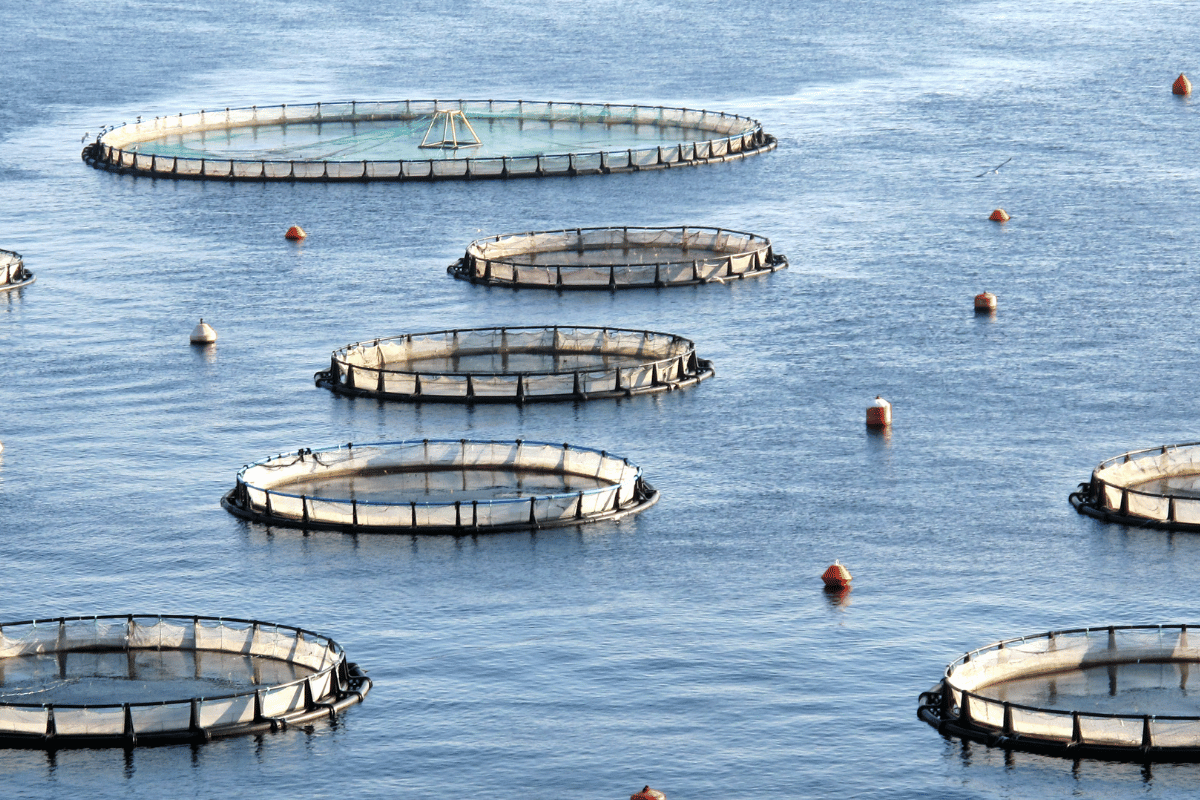
The shortfall is not for lack of growth. African aquaculture production of aquatic animals expanded more than sixfold, from just over 400,000 tonnes in 2000 to more than 2.4 million tonnes in 2024, with the fastest acceleration between 2005 and 2015. Measured against itself, the sector has grown quickly.
Measured against the world, it has barely moved the needle. Of the global increase in farmed aquatic animal production in 2024, Asia accounted for 97.7%. Sub-Saharan Africa contributed 1.3% and Northern Africa 0.6%. Production is also heavily concentrated within the continent, with Egypt alone responsible for 66.1% of African output, while Nigeria, Ghana and Uganda play smaller but growing roles. For a region of well over a billion people with extensive freshwater and coastal resources, that is a small base carrying a large nutritional load.
What holds production back
The report states plainly that in low-income countries, particularly in Africa, aquaculture production is constrained despite significant potential for development and its important role in food security and nutrition. The constraints cluster around four areas, and feed is the first.
Feed is the largest single cost in most fish farming, and it is where African producers are squeezed hardest. The sector worldwide uses several times more fishmeal to feed farmed species than the farmed product returns, which makes imported commercial feed expensive and ties farm economics to global feed-ingredient prices. FAO has run technical-assistance projects in more than 24 countries across Africa, Asia and Latin America specifically to promote locally sourced and affordable feed ingredients, an intervention that only makes sense because feed cost and quality are a binding limit on production. The same logic appears at farm level, where research on how feed materials affect the growth and economics of Nile tilapia points to local agricultural by-products as a way to cut costs without sacrificing growth.
Seed is the second constraint. A reliable supply of quality fingerlings, the juvenile fish that stock a pond, determines what a farm can produce, and hatchery capacity across much of the continent is thin. Where good seed is scarce or inconsistent, yields stay low regardless of how well the rest of the operation is run.
Finance and investment form the third. The report repeatedly ties realising Africa's potential to targeted investment, because ponds, hatcheries, feed mills and cold chains all require capital that smallholders and small enterprises struggle to access. Without it, farms remain small and informal, and the gains from intensification stay out of reach.
Policy and technical support are the fourth. The report links scaling up expansion and intensification to the FAO Guidelines for Sustainable Aquaculture, backed by targeted policies and technical support. Weak sectoral policy, limited extension services and gaps in data and stock knowledge leave producers without the support that helped Asian aquaculture scale.
The species Africa actually farms
Two freshwater species carry most of African aquaculture, and both are suited to low-input systems. Nile tilapia, sometimes called the aquatic chicken for its hardiness and fast growth, tolerates a range of conditions and feeds low on the food chain, which keeps feed costs comparatively manageable. African sharptooth catfish is the other mainstay, valued for its resilience in poor water quality and its strong domestic markets.
The two are often raised together. Work on controlling Nile tilapia populations with African sharptooth catfish in polyculture, drawn from farms in Ghana, shows how pairing the species manages tilapia's tendency to overbreed while keeping production costs low. Systems like these matter because they fit the resource base most African farmers actually have, rather than the capital-intensive model that scaled in parts of Asia.
Where the gains could come from
Restorative approaches that pay for themselves are already being piloted. In West Africa, an FAO project introduced improved mangrove oyster farming methods alongside water-quality and oyster-health monitoring, ecosystem management and marketing support, while creating alternative livelihoods. Seaweed initiatives elsewhere have opened employment for women and youth and improved access to technology and infrastructure. These are small projects, but they point to the kind of locally grounded model that suits African conditions.
Trade tells a more encouraging part of the story than the raw production figures suggest. Africa runs a negative trade balance in volume, importing about one million tonnes more aquatic product than it exports, yet it gains in two ways that matter. It earns a positive trade balance of USD 2 billion by exporting high-value species, and it adds 126,000 tonnes of protein by importing cheaper but nutrient-rich products. The continent is using trade to convert valuable exports into affordable nutrition, which softens the domestic supply gap even though production still has far to climb.
Why closing the gap is getting harder
FAO projections to 2034 contain a warning specific to Africa. The fastest growth in aquatic food availability over the next decade, at 18%, is forecast for Africa. Yet per capita availability on the continent is still projected to fall, because population growth is expected to outpace the gains in supply. Producing more fish will not be enough on its own if there are more people to feed each year than the extra production can cover.
That is the real shape of the challenge. Africa is not failing to grow its aquaculture; it is growing it too slowly to keep pace with its own population while depending on fish more heavily than almost any other region. Closing the gap rests on the four constraints the report identifies, namely affordable feed, reliable seed, accessible finance and supportive policy. Progress on production records alone, without progress on those four, leaves the continent that relies on fish the most with the least to put on the plate.