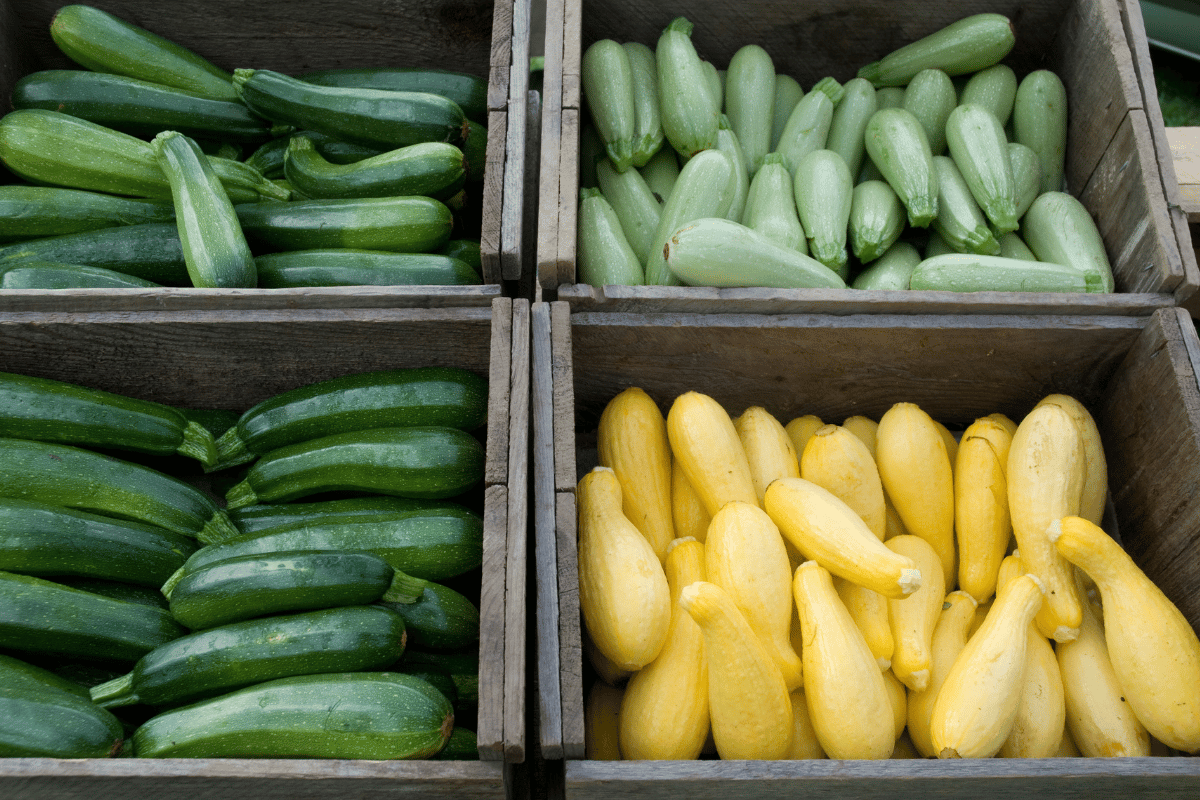
Zucchini rejection is a silent cost in the fresh produce supply chain. Every week, commercial farms discard multiple kilograms of zucchini, often for preventable reasons. For farmers and wholesale buyers, understanding the leading causes of rejection isn’t just about avoiding financial losses—it’s also key to reducing food waste and improving market efficiency.
This guide explains the top three reasons zucchini is rejected in commercial markets: (1) size and shape defects, (2) external imperfections, and (3) pest or disease damage. It also provides practical strategies for minimizing losses at both the farm and market levels.
1. Size and shape: The most common reason zucchini don't make the cut
When it comes to zucchini, size matters more than many realize. Commercial buyers, guided by USDA and UNECE standards, expect a narrow size range, usually between 4 and 10 inches (10 and 25 cm) in length. Fruits exceeding this size are often rejected, not because they are unsafe, but because they fall outside consumer expectations.
Larger zucchinis tend to develop tougher skin, enlarged seeds, and a spongier texture, which compromises their taste and shelf appeal. Once a zucchini exceeds the 8–10 inch mark, it quickly loses its market value for fresh sales.
Shape uniformity is another critical factor. Zucchinis that are curved, tapered, or oddly swollen, often due to poor pollination, nutrient imbalances, or heat stress, may still be edible, but they don't meet Class I standards. A pear-shaped or bent zucchini might be perfectly healthy, but in commercial settings, appearance directly influences price and consumer preference.
Reducing rejection due to size and shape starts with consistent, timely harvesting, especially during peak production periods when fruits grow rapidly. Balanced fertilization, stable irrigation, and active pollination support (e.g., maintaining bee habitats) can also make a visible difference in uniformity and marketability.
2. External defects
Unlike shape and size, external defects don't affect taste, safety, or nutrition, yet they still drive large volumes of waste. From skin scratches to minor bruises, visual defects are one of the most frustrating reasons for rejection. In fact, parliamentary research in Australia reported that up to 40% of zucchini production may be discarded simply for not being "perfect" enough.
Common cosmetic issues include:
- Scratches and abrasions are often caused by handling or contact with plant leaves and stems.
- Bruising, especially during rough harvesting or transport.
- Scarring, from early insect feeding or wind damage.
- Color inconsistencies, such as pale or yellow patches in green varieties.
While these issues are often superficial, they are commercially significant. Buyers reject produce that they believe won't meet consumer expectations on retail shelves.
Farmers should focus on gentle harvesting practices to reduce crop damage, using sharp tools instead of pulling fruits from plants. Providing windbreaks, adequate plant spacing, and careful packaging can further protect delicate zucchini skin. Additionally, maintaining cool and humid storage environments, ideally between 5–10°C with high humidity, helps preserve skin quality after harvest.
3. Pest and disease damage
Unlike cosmetic flaws, pest and disease issues can compromise food safety and crop viability, making them non-negotiable causes for rejection.
Among the most destructive pests are squash vine borers, whose larvae bore into stems and leave behind sawdust-like waste, often killing the plant entirely. Other threats include aphids, which spread viruses and excrete sticky honeydew that attracts fungal growth, and cucumber beetles, known for feeding on flowers and fruits.
Diseases such as bacterial soft rot, cucumber mosaic virus, and powdery mildew further compound the problem, leaving fruits malformed or decomposing. In rare cases, contamination with Salmonella or other pathogens has forced recalls, emphasizing the importance of both field hygiene and post-harvest handling.
Farmers should invest in integrated pest management (IPM) systems combining early detection, biological control agents, disease-resistant varieties, and smart crop rotation. Field sanitation and careful post-harvest practices also play a role in minimizing disease spread and protecting the quality of harvested fruits.
Economic losses and missed opportunities
The zucchini losses represent more than spoiled produce, highlighting systemic inefficiencies. Farmers lose income from discarded fruits, while buyers struggle with inconsistent supply and higher procurement costs.
To tackle this, both parties must consider alternative marketing channels. For example, oversized or misshapen zucchini can be sold to processing facilities where appearance isn’t a primary concern. Others may be marketed as “imperfect” or “cosmetically challenged" produce through niche retail channels prioritizing sustainability.
Educational campaigns can also help shift consumer perception, emphasizing that visual flaws do not affect nutritional value. At the same time, buyers and retailers can revisit their grading standards to balance appearance with food security goals.
Recommendations for Farmers and Buyers
For farmers
- Harvest frequently, especially during high-growth periods, to prevent oversizing.
- Use sharp tools and handle zucchini carefully during and after harvest.
- Monitor for early signs of pest or disease issues and apply IPM principles.
- Explore secondary markets for produce that falls outside standard specifications.
For buyers
- Reevaluate visual standards to minimize avoidable rejections.
- Partner with retailers who promote sustainable sourcing and “ugly produce” campaigns.
- Develop contracts that allow for flexible grading, especially when supply is tight.
- Support education efforts that help consumers make informed choices.
Final Thoughts
Zucchini rejection isn't just a farm-level issue; it reflects a broader disconnect between agricultural realities and market expectations. By understanding the root causes of rejection and working collaboratively, farmers and buyers can reduce waste, protect profits, and contribute to a more sustainable food system.
References
Harvesting and storing home garden vegetables
Further Reading
Post-Harvest Storage Solutions: Reduce Food Loss & Boost Farmer Incomes