

20 Agricultural Myths Every Farmer Should Know: Separating Fact from Fiction
Modern agriculture is surrounded by misconceptions that can cost farmers money, reduce yields, and lead to poor decision-making. From social media advice to well-meaning but outdated practices passed down through generations, agricultural myths persist and can seriously impact your bottom line. This comprehensive guide debunks the most common agricultural myths with practical, science-based advice you can implement on your farm today.
Why Agricultural Myths Matter to Your Operation
Agricultural myths aren't just harmless folklore – they can have real economic and environmental consequences. When farmers base decisions on misconceptions rather than facts, they may overapply inputs, waste resources, damage soil health, or miss opportunities to improve efficiency. Understanding the reality behind these myths helps you make informed decisions that benefit your operation and long-term sustainability.
Soil and Fertilizer Myths
Myth #1: More Fertilizer Always Equals Better Yields
The Reality: This is one of the most costly myths in agriculture. Over-fertilization can actually reduce yields by burning plant roots, disrupting soil chemistry, and creating nutrient imbalances. Research shows that crops typically absorb only about 50% of applied nitrogen, with the excess contributing to environmental problems like water pollution and greenhouse gas emissions.
What Actually Happens: When you apply too much fertilizer, several problems occur: nutrient runoff contaminates waterways, excess salts can damage plant roots, and soil pH may become imbalanced, making some nutrients unavailable to plants. Additionally, over-fertilization can lead to excessive vegetative growth at the expense of fruit or grain production.
Practical Application: Always conduct soil tests before fertilizing and follow recommended dosages based on actual plant needs and soil conditions. Consider slow-release fertilizers that provide nutrients gradually, and use precision application techniques to ensure fertilizer reaches the target area around plant roots.
Myth #2: Soil Will Hold Onto All Provided Nutrients
The Reality: Different nutrients behave very differently in soil. While some nutrients like phosphorus tend to bind to soil particles, others like nitrogen, magnesium, and potassium can leach away quickly, especially in sandy soils. The soil's ability to retain nutrients is directly related to its organic matter content and clay particles.
What Actually Happens: Nitrogen is particularly mobile and can be lost through leaching during winter months or heavy rains. In sandy soils, potassium and magnesium also rapidly move through the soil profile, making them unavailable for plant roots.
Practical Application: Time fertilizer applications to coincide with plant uptake periods, and consider split applications rather than one large dose. Build soil organic matter through compost and cover crops to improve nutrient-holding capacity.
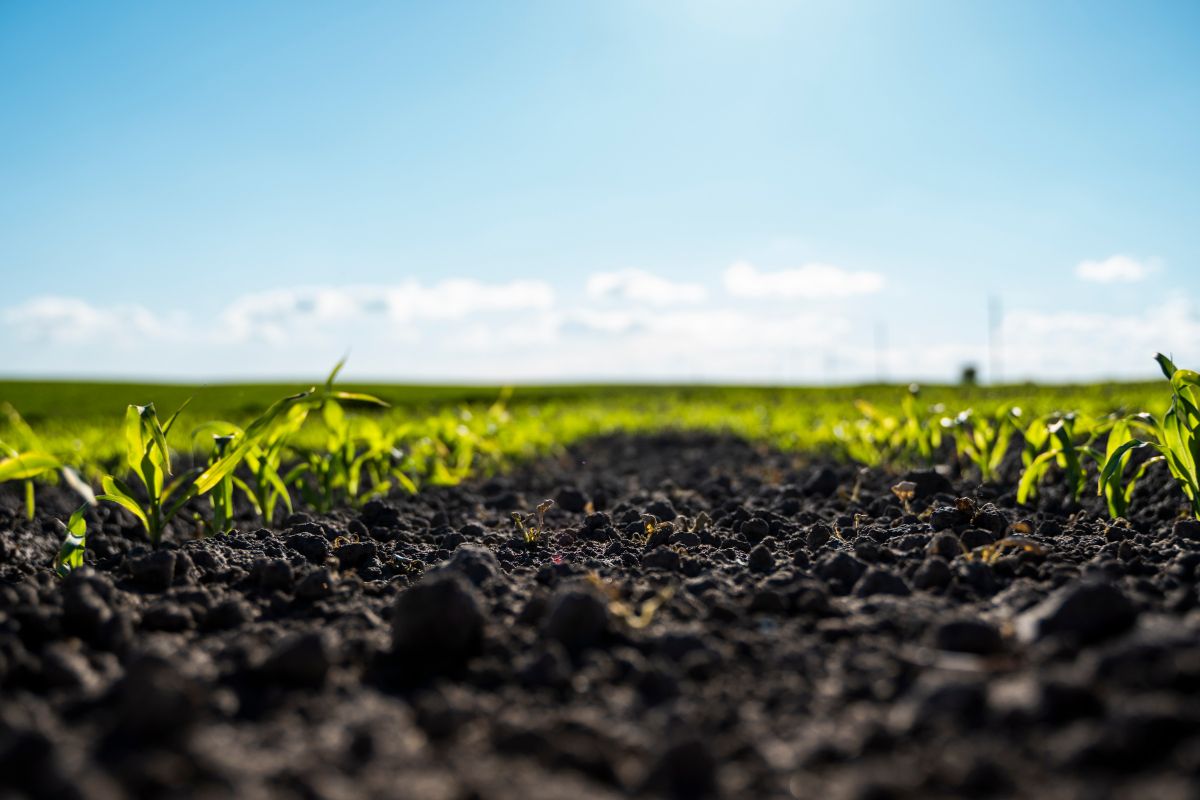
Myth #3: Organic Matter in Soil Isn't That Important
The Reality: Organic matter is the foundation of healthy soil, driving the biological, chemical, and physical processes that support plant growth. It improves water retention, nutrient availability, soil structure, and provides food for beneficial soil microorganisms that help plants access nutrients and resist diseases.
What Actually Happens: Soils low in organic matter have poor water-holding capacity, reduced nutrient availability, and increased susceptibility to compaction and erosion. They also support fewer beneficial soil organisms that contribute to plant health.
Practical Application: Incorporate compost, avoid burning crop residues, plant cover crops, and minimize excessive tillage to build and maintain soil organic matter. Aim for at least 3-4% organic matter in most agricultural soils.
Crop Management Myths
Myth #4: Complex Crop Rotation Systems Are Always Necessary - The More Complex the Better
The Reality: While crop rotation can provide benefits, the elaborate systems often promoted may be impractical and unnecessary for many farming operations. Simple rotations or even continuous cropping can work effectively with proper soil and nutrient management.
What Actually Happens: Many successful farmers grow the same crops on the same fields year after year while maintaining soil health through other practices like cover cropping, proper fertilization, and integrated pest management. The key is managing soil health and pest pressure through multiple strategies, not just rotation.
Practical Application: If complex rotations aren't practical for your operation, focus on soil health practices like cover crops, reduced tillage, and organic matter additions. Use integrated pest management and proper sanitation to control pest and disease cycles.
Myth #5: Plant Wilting Always Means Plants Need More Water
The Reality: Wilting can result from various problems including root damage, disease, nutrient deficiencies, or heat stress – not just water shortage. Plants may also wilt during hot days and recover in cooler evening temperatures due to temporary imbalances between water uptake and transpiration.
What Actually Happens: Root diseases, compacted soil, or damaged root systems can prevent water uptake even when soil moisture is adequate. Nutrient deficiencies or pest damage can also cause wilting symptoms.
Practical Application: Before adding water, check soil moisture levels and examine plant roots for signs of damage or disease. Look for other symptoms like leaf discoloration, unusual growth patterns, or pest damage that might indicate non-water-related problems.
Myth #6: The Denser the Planting, the Higher the Yields
The Reality: This is one of the most persistent and costly myths in agriculture. While increasing plant density initially improves yields up to an optimal point, planting too densely actually reduces total yields and individual plant performance. Research consistently shows that the relationship between plant density and yield follows a bell curve, not a straight line.
What Actually Happens: When plants are crowded too closely together, they compete intensely for light, water, nutrients, and space. This competition leads to several problems: individual plants become smaller and weaker, photosynthetic efficiency decreases due to shading, root systems cannot develop properly, and plants become more susceptible to diseases due to poor air circulation. The result is that while you have more plants per area, each plant produces significantly less, leading to lower total yields.
The Science Behind Optimal Density: Studies show that there's a specific density where plants just come into contact with each other without competing - this is typically where maximum yields occur. Beyond this point, research demonstrates that plant size decreases with a -4/3 power of density, while yields decline with a -1/3 power of density. For example, one comprehensive study found that increasing maize density beyond the optimal point reduced grain yields, increased yield variability, and decreased sustainability.
Real-World Examples: In maize, researchers found that moderate densities (67,500 plants/ha) produced higher yields than both lower densities (52,500 plants/ha) and higher densities (97,500 plants/ha). For vegetables like carrots, overcrowding leads to small, misshapen roots that don't meet market specifications, even though you may have more individual plants. In processing sweet corn, optimal plant density varies by variety and growing conditions, but exceeding it always reduces both individual plant performance and total yield.
Practical Application: Determine optimal density through soil testing, variety characteristics, and local growing conditions rather than assuming "more is better". Start with recommended spacing for your specific crop and variety, then adjust based on soil fertility, water availability, and management capabilities. Monitor individual plant size and health - if plants are smaller than expected or showing signs of stress, you may be planting too densely. Consider that optimal density may change with improved varieties, better fertility, or different growing conditions.
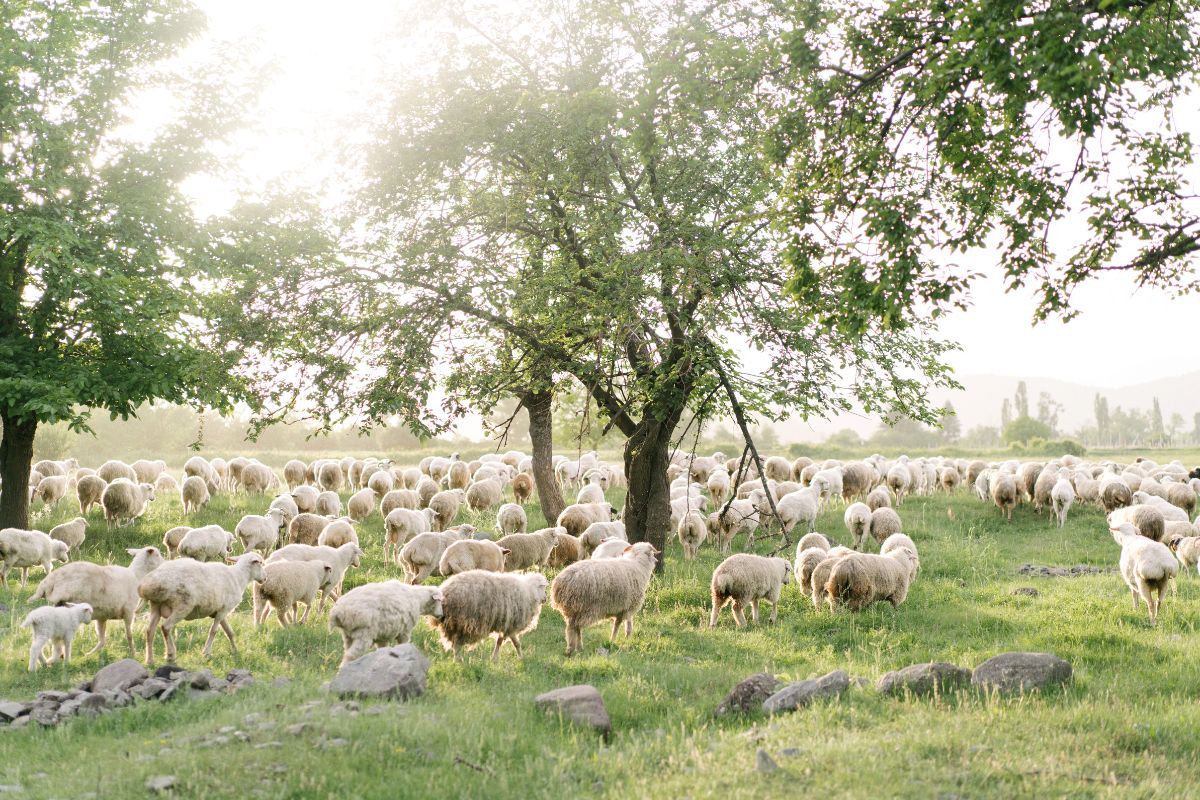
Myth #7: You Should Focus on Either Livestock or Crops, and Ideally Specialize in Only One Crop
The Reality: This myth promotes dangerous oversimplification and ignores the substantial benefits of diversified farming systems. Research consistently shows that diversified farms often achieve higher profitability, greater resilience, and better environmental outcomes than specialized monocultures. The most successful farming operations frequently integrate multiple enterprises that complement and support each other.
What Actually Happens with Extreme Specialization: While monoculture systems can initially appear more efficient, they create significant vulnerabilities. Specialized farms face higher risks from market volatility, weather events, pest outbreaks, and disease pressure. When problems occur, there are no backup income sources, leading to potential financial disaster. Monoculture systems also tend to degrade soil health over time, requiring increased external inputs and creating dependency on expensive fertilizers and pesticides.
The Science Behind Diversified Success: A landmark study analyzing 2,655 farms across five continents found that diversified agriculture delivers significant benefits for both the environment and people. Research shows that farms implementing multiple diversification strategies had more win-win outcomes, with environmental and social benefits increasing with every diversification measure added. The financial benefits are substantial: diversified farms showed 24% higher overall income compared to specialized operations.
Integrated Crop-Livestock Benefits: Integrated systems create powerful synergies where livestock and crops support each other. Animals convert crop residues into valuable manure, improving soil fertility and reducing fertilizer costs. Grazing livestock can control weeds and break pest cycles, reducing pesticide needs. Meanwhile, crops provide feed for livestock, creating efficient nutrient cycling. Studies show these integrated systems often produce higher yields while building soil organic matter and improving water retention.
Economic Advantages of Diversification: Research demonstrates that diversified farms consistently show higher profits and greater income stability. A global meta-analysis found that average profits are higher in diversified systems compared to simplified ones, particularly in developing countries. Diversification reduces economic risk by providing multiple income streams – if one enterprise fails, others can compensate. Australian data shows diversified farms had income 38,300 AUD higher than non-diversified operations.
Risk Management Through Diversification: Diversified systems provide natural insurance against various risks. Market price fluctuations affect different commodities differently, so income remains more stable. Weather events that devastate one crop may not affect others, maintaining cash flow. Pest outbreaks specific to one crop don't threaten the entire operation. Disease pressures are naturally broken when different crops and animals interrupt pathogen cycles.
Environmental and Sustainability Benefits: Diversified farms typically demonstrate better environmental performance. Studies show that implementing multiple diversification strategies simultaneously creates environmental and social benefits, especially for biodiversity. Diverse systems improve soil health, enhance water retention, reduce erosion, and support beneficial insects and pollinators. They require fewer external inputs while maintaining or improving productivity.
Practical Application: Start small with diversification – add one complementary enterprise rather than attempting major changes simultaneously. Consider integrated crop-livestock systems where animals can graze cover crops or crop residues, creating mutual benefits. Evaluate local markets to identify opportunities for value-added products or direct sales that can command premium prices. Focus on enterprises that utilize similar equipment, skills, or infrastructure to maximize efficiency. Plan diversification timing to spread labor requirements and cash flow throughout the year rather than having everything concentrated in short seasons.
Harvest Timing Myths
Myth #8: The Later the Harvest, the Higher the Yield
The Reality: This widespread myth causes significant economic losses across all crop types. Delaying harvest beyond optimal timing typically reduces both yield and quality while increasing losses to weather, pests, and diseases. The relationship between harvest timing and yield follows an inverted U-curve, with an optimal window that maximizes both quantity and quality.
What Actually Happens in Cereals: Research shows that nearly 90% of yield losses from delayed corn harvest occur when delays extend beyond mid-November. Extended delays increase lodging risk, with observed yield reductions of up to 42.5% in some seasons. Late harvest also increases susceptibility to ear rot, mycotoxin contamination, and test weight reduction. In wheat, late harvest combined with wet conditions leads to pre-harvest sprouting, test weight reduction, and quality deterioration.
What Actually Happens in Fruits and Vegetables: Delayed harvesting of fruits leads to over-ripening, increased susceptibility to decay organisms, and higher post-harvest losses. Studies show that "all crops are badly affected due to delayed harvesting," with losses occurring through spoilage, pest damage, and reduced shelf life. For processing crops, late harvest can result in tough textures, reduced sugar content, and unmarketable produce.
The Economic Impact: Post-harvest losses from delayed harvesting can range from 15-44% depending on crop type, with fruits and vegetables experiencing the highest losses. Late harvest also reduces the time available for proper drying and storage preparation, leading to additional quality deterioration and economic losses.
Practical Application: Monitor crops regularly for maturity indicators specific to each crop and variety. Use tools like Brix meters for sugar content and visual cues for optimal harvest timing. Harvest during cooler parts of the day to preserve quality and extend shelf life. Plan harvest schedules based on market requirements rather than assuming longer field time improves yields. For cereals, balance field drying costs against quality preservation and weather risks.
Technology and Scale Myths
Myth #9: Modern Farming Technology Is Only for Large Operations
The Reality: Precision agriculture tools, GPS guidance systems, soil testing equipment, and farm management software are now available and affordable for farms of all sizes. Many technologies offer scalable solutions that can provide return on investment even on smaller operations.
What Actually Happens: Small farms can benefit significantly from precision tools that help optimize inputs, reduce waste, and improve decision-making. Technologies like GPS guidance can reduce overlap and save fuel costs, while soil testing helps optimize fertilizer applications.
Practical Application: Start with basic precision tools that offer immediate benefits, such as GPS guidance systems or soil testing programs. Many technologies can be adopted gradually as your operation grows and cash flow improves.
Myth #10: Most Farms Are Corporate-Owned Factory Farms
The Reality: According to USDA data, 97-98% of farms are family-owned operations. Many large farms are family businesses that have incorporated for legal and tax reasons, not because they're controlled by outside corporations.
What Actually Happens: Family farms contribute approximately 88% of total U.S. agricultural production value. Even operations that appear large are typically multi-generational family businesses that have grown over time.
Practical Application: Don't let misconceptions about farm ownership affect your management decisions. Focus on adopting practices that work for your operation's size and resources, whether you're farming 50 acres or 5,000 acres.
Myth #11: Irrigation Systems Always Waste Water
The Reality: Modern irrigation systems, when properly designed and maintained, can be highly water-efficient. Technologies like drip irrigation and precision sprinklers often use significantly less water than traditional flood irrigation or even natural rainfall patterns.
What Actually Happens: Efficient irrigation systems deliver water directly to plant root zones with minimal evaporation or runoff. They can be programmed to apply water based on actual plant needs and soil conditions.
Practical Application: Invest in efficient irrigation technology appropriate for your crops and conditions. Perform regular maintenance, including checking for leaks and adjusting sprinkler heads, to maintain system efficiency.
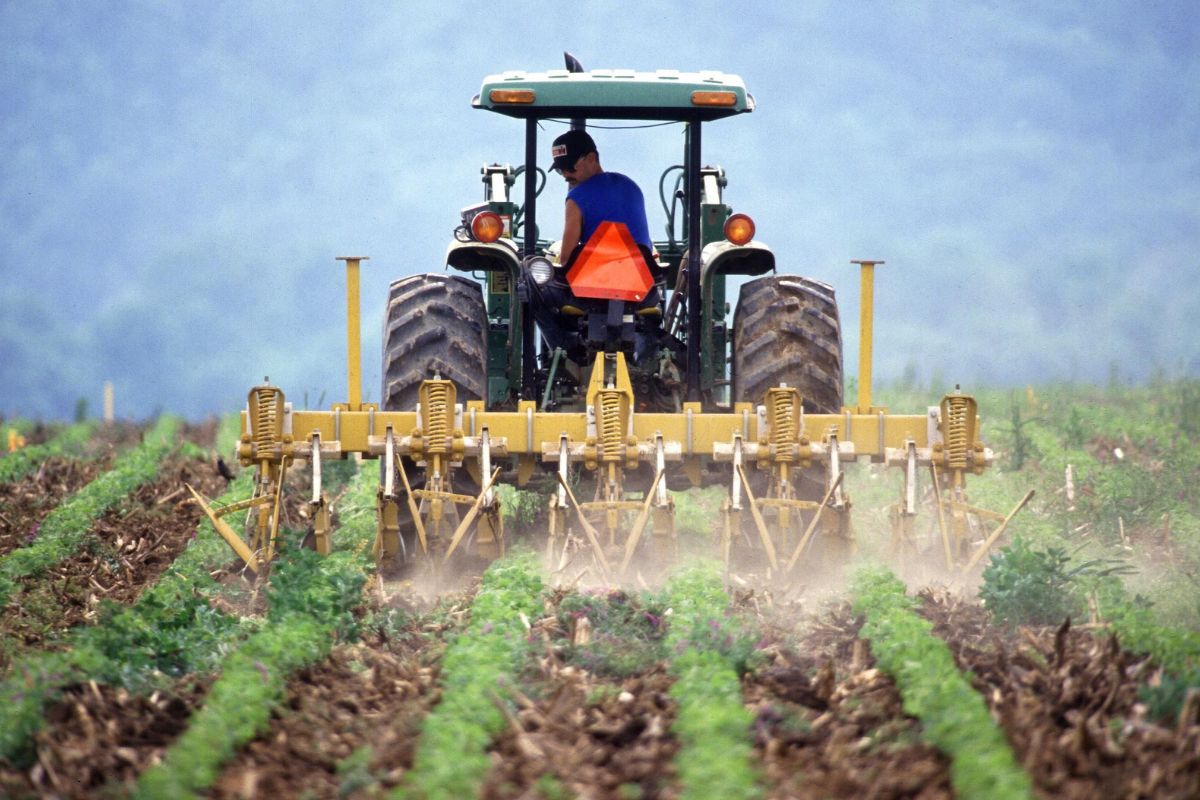
Myth #12: No-Till Can Only Be Applied to Arable Crops
The Reality: This misconception prevents many farmers from realizing the soil health and economic benefits of no-till systems across diverse agricultural operations. No-till methods can be successfully applied to vegetables, fruits, permanent crops, and even horticultural systems. Research demonstrates that no-till techniques work effectively across a wide range of crop types and farming systems.
What Actually Happens in Vegetable Production: Studies show that no-till vegetable systems can produce yields equal to or higher than conventional tillage while significantly improving soil health. Organic no-till vegetable trials have successfully grown 13 different vegetable crops, including garlic, potatoes, winter squash, tomatoes, peppers, and brassicas, using cover crop mulches and reduced tillage techniques. Research found that strip tillage and living mulch systems in vegetables significantly increased soil aggregate stability, active soil carbon, and microbial activity.
What Actually Happens in Permanent Crops: No-till systems are widely used in orchards and vineyards, where permanent bed systems with cover crops between rows improve soil structure, reduce compaction, and enhance water infiltration. These systems maintain or improve yields while building soil organic matter and supporting beneficial soil organisms.
Real-World Applications: Commercial vegetable growers report successful no-till production of tomatoes, melons, cucumbers, and other crops using permanent beds with organic mulches. Processing vegetable operations have found that no-till systems $600 per hectare cheaper than conventional plastic mulch systems while maintaining equivalent yields. Small-scale market gardens successfully use no-till methods for diverse crop production.
The Science Behind Success: No-till vegetable systems work by using cover crops as natural mulches, permanent bed systems that prevent soil compaction, and precision planting techniques that work through crop residues. These systems improve soil biological activity by 23-80% compared to conventional tillage.
Practical Application: Start with easier crops like winter squash, garlic, or potatoes that adapt well to no-till systems before expanding to more challenging vegetables. Use cover crops like hairy vetch, cereal rye, or sorghum-sudangrass as natural mulches. Establish permanent bed systems with controlled traffic patterns to prevent compaction. Strip-till is a transitional approach that provides some tillage benefits while maintaining soil structure.
Pesticide and Chemical Application Myths
Myth #13: If You Can Buy It, It Must Be Safe to Use Anywhere, Anytime
The Reality: Pesticide safety depends heavily on proper application timing, methods, and environmental conditions. Even legally available products can cause harm to crops, beneficial insects, or the environment if used incorrectly or at inappropriate times.
What Actually Happens: Pesticide effectiveness and safety depend on factors like temperature, humidity, wind conditions, and timing relative to pollinator activity. Applications made during inappropriate conditions can result in crop damage, reduced effectiveness, or environmental harm.
Practical Application: Always read and follow label instructions, consider weather conditions, and time applications to minimize risks to beneficial insects and maximize effectiveness. Consult with certified crop advisors when in doubt about application timing or methods.
Myth #14: Natural or Organic Pesticides Are Always Safe
The Reality: Natural doesn't automatically mean safe or harmless. Many organic pesticides can harm beneficial insects, including pollinators, and some can be toxic to humans if not handled properly. Organic pesticides still require careful application and timing.
What Actually Happens: Some organic pesticides are highly toxic to beneficial insects or can persist in the environment. Others may require more frequent applications or higher rates than synthetic alternatives to achieve the same level of control.
Practical Application: Use integrated pest management (IPM) approaches that combine biological, cultural, and chemical controls. Target specific pests rather than applying broad-spectrum treatments, and always consider the impact on beneficial insects and environmental conditions.
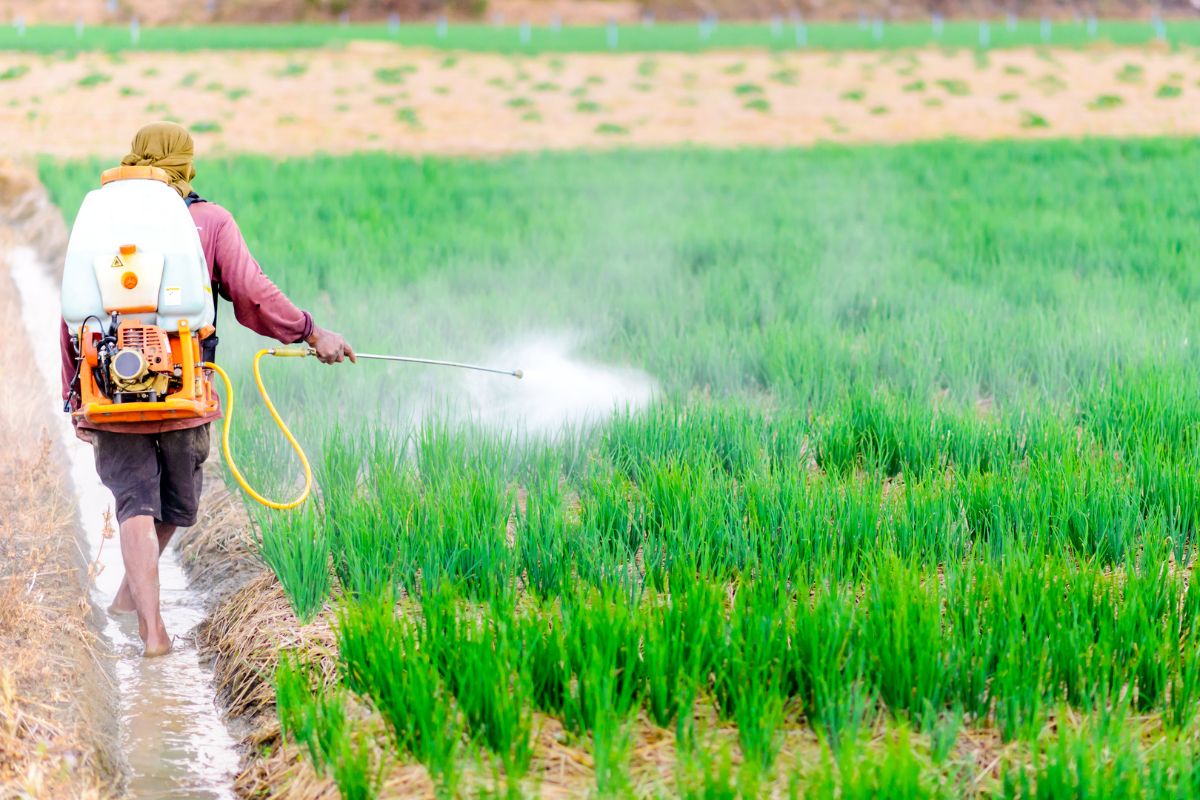
Myth #15: Preventive Spraying Is Always Necessary
The Reality: Excessive preventive applications can lead to pesticide resistance, harm beneficial insects, and waste money without providing additional crop protection. Many pest problems are seasonal or threshold-dependent, making routine preventive applications unnecessary.
What Actually Happens: Overuse of pesticides can select for resistant pest populations and reduce populations of beneficial insects that provide natural pest control. This can lead to increased pest problems and higher long-term costs.
Practical Application: Implement regular scouting programs to monitor pest levels and spray only when economic thresholds are reached. Use weather monitoring and disease forecasting models to time applications more precisely.
Environmental and Sustainability Myths
Myth #16: Organic Farming Is Always Better for the Environment
The Reality: While organic farming has environmental benefits, it's not universally superior. Organic systems often require more land to produce the same amount of food, may have higher greenhouse gas emissions per unit of production, and can still involve practices that cause soil erosion.
What Actually Happens: Organic farming typically has lower yields per acre, meaning more land is needed to produce the same amount of food. Some organic practices, like frequent tillage for weed control, can increase soil erosion and carbon loss.
Practical Application: Focus on sustainable practices like cover cropping, reduced tillage, and precision application of inputs regardless of whether you're pursuing organic certification. The most important factor is implementing practices that build soil health and minimize environmental impact.
Myth #17: Agriculture Is the Leading Cause of Climate Change
The Reality: In the United States, agriculture contributes approximately 10% of greenhouse gas emissions, compared to transportation (28%) and electricity generation (25%). Agriculture is unique because it can both emit and sequester greenhouse gases, making it part of the climate solution.
What Actually Happens: Agricultural practices like cover cropping, reduced tillage, and improved grazing management can sequester carbon in soil, potentially offsetting emissions from other sectors. U.S. agricultural soils can potentially remove 4-6% of total annual U.S. emissions.
Practical Application: Adopt carbon-sequestering practices like cover crops, no-till or reduced tillage, and rotational grazing. These practices often provide economic benefits while contributing to climate mitigation efforts.
Myth #18: Small Farms Are Always More Sustainable Than Large Farms
The Reality: Sustainability depends on management practices, not farm size. Large farms often have more resources to invest in efficient technology, conservation practices, and professional management that can reduce environmental impact per production unit.
What Actually Happens: Large operations may have economies of scale that allow them to afford precision application equipment, professional agronomic advice, and conservation technologies that smaller farms cannot justify economically.
Practical Application: Focus on implementing sustainable practices appropriate for your farm's scale and resources. Whether you're farming 50 acres or 5,000 acres, practices like soil testing, integrated pest management, and water conservation can improve both profitability and sustainability.
Myth #19: Only Organic Farmers Should Apply Crop Rotation and Cover Cropping
The Reality: This myth prevents many conventional farmers from adopting valuable soil health practices that can improve profitability and sustainability. Crop rotation and cover cropping provide significant benefits to all farming systems, regardless of organic certification status. In fact, many of the most successful cover crop and rotation systems are implemented on conventional farms using integrated approaches.
What Actually Happens in Conventional Systems: USDA data shows that crop rotation is practiced by many conventional farmers and is not unique to organic systems. Conventional farmers successfully use cover crops for nitrogen scavenging, soil erosion control, and weed suppression. Studies demonstrate that conventional farms using cover crops and rotation see improved yields, reduced input costs, and enhanced soil health.
The Widespread Benefits: Research shows that crop rotation increases resource use efficiency and breaks pest cycles regardless of farming system. Cover crops provide erosion control, improve soil structure, enhance water availability, and help control pests and diseases in any agricultural system. Conventional growers report that covering crops reduces machinery costs, decreases fertilizer needs, and improves long-term profitability.
Economic Advantages for All Systems: Cover crops help conventional farmers save money by reducing herbicide applications, decreasing synthetic fertilizer needs, and improving water use efficiency. They create new income streams through grazing opportunities and improve yield stability during variable weather conditions. Studies show that the nitrogen recovered by cover crops becomes available to subsequent crops over time, reducing fertilizer requirements.
Research Evidence: Large-scale studies comparing crop rotations between organic and conventional systems found that while organic rotations tend to be more diverse, both systems benefit significantly from rotation practices. Conservation tillage with cover crops works effectively in conventional systems, often showing 5% yield increases over traditional practices. The most successful sustainable agriculture systems often combine conventional production efficiency with organic soil health principles.
Practical Application: Implement cover crops during fallow periods to capture excess nutrients and prevent soil erosion, regardless of your certification status. Use simple rotations like corn-soybean or wheat-legume combinations to break pest cycles and improve soil fertility. Consider cover crop mixtures that include both legumes for nitrogen fixation and grasses for soil structure improvement. Start with winter cover crops that don't interfere with cash crop production schedules.
Organic Certification Myths
Myth #20: One Application of Synthetic Fertilizers or Pesticides Won't Affect Your Organic Certification
The Reality: This is one of the most dangerous myths in organic agriculture. Any application of prohibited substances to certified organic land, even a single accidental application, results in immediate loss of organic certification for that land for three full years. The USDA National Organic Program considers this an "uncorrectable noncompliance" that leads to automatically suspending the affected land.
What Actually Happens: When prohibited substances are applied to organic land, the "three-year clock" immediately resets. The land must remain free of all prohibited substances for 36 consecutive months before any crops harvested from that land can be sold as organic again. This applies whether the application was intentional or accidental.
The Financial Impact: Losing organic certification means losing the premium prices that organic products command – often 20-40% higher than conventional prices. A farm that accidentally applies prohibited fertilizer in year two of production faces five additional years before it can sell organic products again: three years to regain certification plus two years already invested.
What Triggers Certification Loss:
- Synthetic nitrogen fertilizers (including those labeled "organic" but containing prohibited substances)
- Prohibited pesticides or herbicides
- Sewage sludge-based fertilizers
- Non-approved synthetic micronutrients
- GMO seeds or treatments
Practical Application: Before applying any fertilizer or pest control product, verify its organic approval status through OMRI (Organic Materials Review Institute) listings or directly with your certifying agent. Never assume a product is organic-compliant just because it's labeled "organic" – the fertilizer industry uses this term differently than organic food standards. Keep detailed records of all inputs and their approval documentation as part of your Organic System Plan. When in doubt, contact your certifying agent before application – it's far better to delay treatment than lose three years of certification.
Implementing Evidence-Based Farming Practices
The key to successful farming in today's environment is basing decisions on sound science and economic analysis rather than myths or traditions. Here are practical steps you can take:
Start with Soil Testing: Regular soil analysis provides the foundation for informed fertilizer decisions and helps you avoid over-application while ensuring adequate nutrition.
Monitor and Record: Keep detailed records of inputs, yields, weather, and management decisions to identify what actually works on your farm.
Seek Professional Advice: Work with certified crop advisors, extension agents, and other professionals who stay current with research and can provide objective recommendations.
Adopt Gradually: You don't need to change everything at once. Start with practices that offer clear economic benefits and build from there.
Stay Informed: Agriculture is constantly evolving. Continue learning through reputable sources, research publications, and educational programs.
Moving Forward: Building a Myth-Resistant Operation
Creating a successful, sustainable farming operation requires critical thinking and evidence-based decision-making. Question claims that seem too good to be true, test new practices on small areas before full adoption, and always consider the economic impact of management changes.
Remember that every farm is different – what works on your neighbor's operation may not work on yours due to differences in soil, climate, crops, or management style. The most successful farmers are those who continuously learn, adapt, and base their decisions on sound science rather than agricultural myths.
By understanding these common myths and the realities behind them, you can make more informed decisions that improve your farm's profitability, sustainability, and long-term success. The goal isn't to adopt every new practice or technology, but to carefully evaluate options based on evidence and implement changes that make sense for your specific situation.
Agriculture will continue to evolve, and new challenges will emerge. Farmers who develop strong critical thinking skills and stay informed about current research will be best positioned to separate helpful innovations from harmful myths, ensuring their operations remain viable and productive for generations to come.
References
Four Soil Test Myths That Farmers – umn.edu
Synthetic Fertilizers – Organicwithoutboundaries
Eu Organic Certification – Controlunion
Organic Certification – tn.gov
Conservation tillage effects on European crop yields: A meta-analysis — Field Crops Research
Exploring the plant and soil mechanisms by which crop rotations benefit farming systems
Case Study a Vegetable and Fruit Calendar – Sare
Research and Technologies to Reduce Grain Postharvest Losses: A Review
Further reading
Common Agricultural Practices: From Sowing to Harvest
Empowering Farmers: The Importance of Agricultural Courses and Lifelong Learning
Understanding Agriculture: Its History, Importance, and Different Types
What is Green Revolution: History, Technologies, and Challenges
Boosting Youth Interest in Agriculture: The Impact of Education and Training