Olive oil is more than just a kitchen staple; it is a nutrient-dense "fruit juice" that serves as the backbone of the Mediterranean diet. However, with various grades and storage requirements, understanding how to use and preserve it is essential for both flavour and health.
Quick summary: Everything you need to know
- Healthiest type: Extra-virgin olive oil (EVOO) due to its high polyphenol content.
- Best for cooking: High-quality EVOO is stable up to 210°C (410°F).
- Shelf life: 18–24 months unopened; 3–6 months once opened.
- Storage: Keep in a cool, dark place (not above the stove).
What is olive oil, and how is it made?
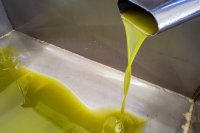
Olive oil is the natural oil extracted from the fruit of olive trees. Unlike seed oils (like canola or soybean), which require chemical solvents, high-quality olive oil is extracted by mechanical pressing.
Learn more about olive oil production
What is extra virgin olive oil (EVOO)?
Extra virgin olive oil is the highest quality grade of olive oil. To be certified as extra virgin, the oil must be unrefined, mechanically extracted without heat or chemicals, have a free acidity level below 0.8%, and possess no sensory defects. It is essentially the pure, cold-pressed juice of the olive.
What is cold-pressed olive oil?
Cold-pressed refers to the extraction process in which the temperature of the olives does not exceed 27°C (80.6°F). Maintaining this low temperature is essential because heat degrades the delicate antioxidants, polyphenols, and vitamins in the fruit that provide health benefits.
Cooking: Does olive oil have a high smoke point?
Yes. A common myth is that you cannot cook with olive oil. In reality, high-quality EVOO has a smoke point of approximately 210°C (410°F). Because of its high oxidative stability, it resists heat-induced breakdown better than most vegetable oils. This makes it the best olive oil for cooking, including sautéing, roasting, and even shallow frying.
Nutrition: Calories, Omega-3s, and weight loss
Olive oil is widely regarded as the healthiest fat on the planet.
- Does olive oil have Omega-3? Yes, but its primary benefit comes from Monounsaturated Fatty Acids (MUFAs), specifically Oleic Acid. It contains a balanced ratio of Omega-6 to Omega-3.
- What type of olive oil is healthiest? Extra virgin is the healthiest because it retains polyphenols—antioxidants that fight inflammation.
- Does olive oil help you lose weight? While it contains 120 calories per tablespoon, its healthy fats increase satiety (the feeling of fullness), which can prevent overeating when part of a balanced diet.
Learn more about the health benefits of olive oil
Shelf life: Does olive oil go bad?
Yes, olive oil does expire and does not improve with age. It is a fresh product that begins to oxidise as soon as it is bottled.
How long does olive oil last?
- Unopened: 18–24 months from the harvest date if stored correctly.
- Opened: 3–6 months for peak flavour and health benefits.
- How long does Za’atar in olive oil last? If using fresh herbs, a homemade Za’atar oil infusion must be refrigerated and consumed within 4 days to prevent the risk of botulism. If using properly dried Za'atar and oil, it can last in a cool, dark place for up to 3 months. Note: Refrigeration is recommended to prevent bacterial growth in herb-in-oil mixtures.
When does olive oil expire?
Check the "best before" date, but more importantly, look for a harvest date. If the oil smells like crayons or stale nuts, it has gone rancid and should be discarded.
Buyer’s guide: What is the best olive oil to buy?
To ensure you are getting quality olive oil, look for:
- Dark glass or tin: Light destroys olive oil; avoid clear bottles.
- Certification: Look for DOP/PDO (European) seals.
- Harvest date: Ensure the oil was harvested within the last 12–18 months or ideally, during the most recent season.