When people think of a remote tropical island, they usually imagine palm trees and white sandy beaches. One thing you probably would not think of is a hydroponic urban farm. But just like in the movies, it is not long before you go hungry. This far from mainland Australia, fresh produce is not just a luxury. It is a logistical challenge.
Sitting 1,500 km from the Australian coast in the middle of the Indian Ocean is Christmas Island. The island is inhabited by roughly 1,500 people, excessive amounts of phosphates, and tens of millions of crabs. Green Space Tech was started in 2022 to improve food security on the island and supplement the supply of fresh produce from mainland Australia.
Why farm on Christmas Island
How does $9.00 for a zucchini or $18.00 for a cauliflower sound? The availability of fresh produce on the island relies on fortnightly air freight from Perth at a significant cost. These prices make fresh produce unattainable for many, meaning locals are not only short on flavor but short on nutrition.
The environmental benefit is an added bonus. Reducing carbon emissions through reduced food miles is an easy win. A successful farming operation on a remote island creates massive community, economic, and environmental positives.
Why hydroponics
At first glance, the soil on the island looks volcanic, rich, and fertile. Unfortunately, that is where the good news ends. Several issues severely limit conventional farming on Christmas Island:
- High phosphate and iron content. The island's mining history makes for difficult soil chemistry
- High alkalinity. Soil pH sits anywhere from 7.5 to 8.5
- Parasitic nematodes. Significant populations of soil-borne pests
- Environmental obstacles. Poor drainage, low water retention, inconsistent rainfall, and a total lack of quality organic matter
Put simply, the island's rich history of phosphate mining is bad news for in-ground production. Phosphatic soil is a no-go, especially when combined with nematodes.
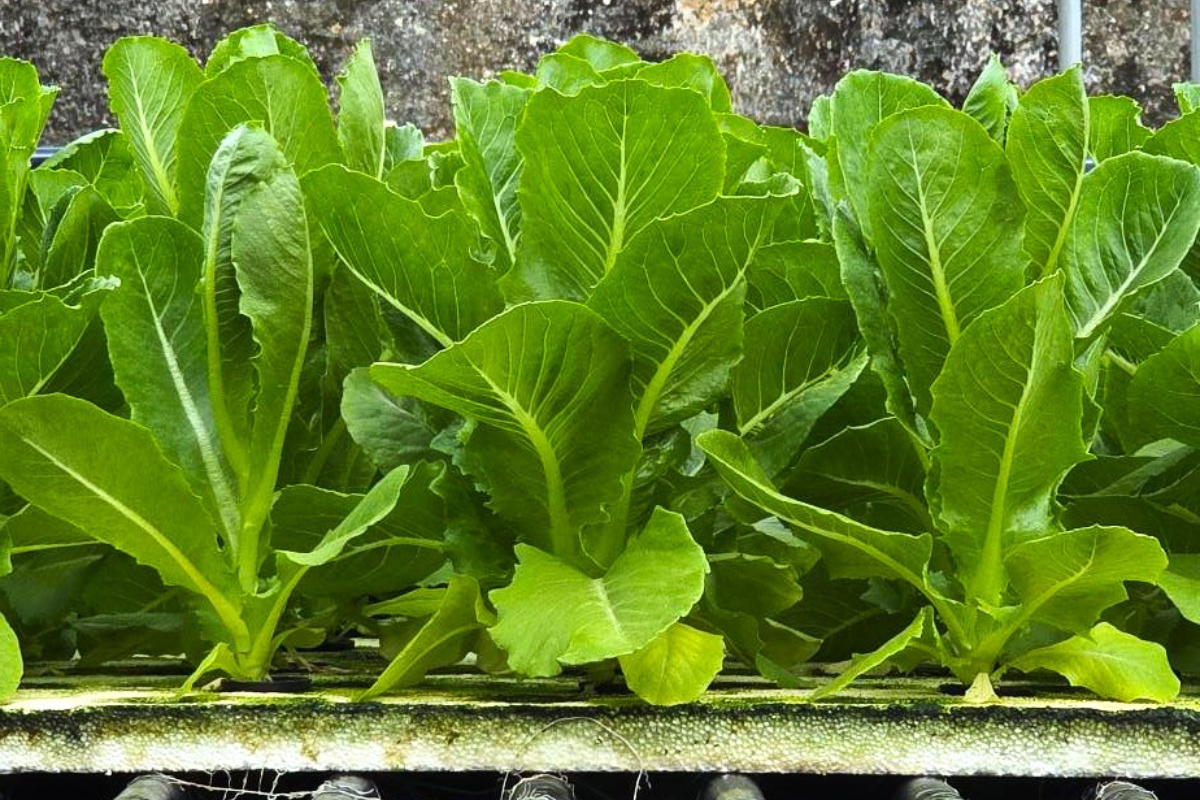
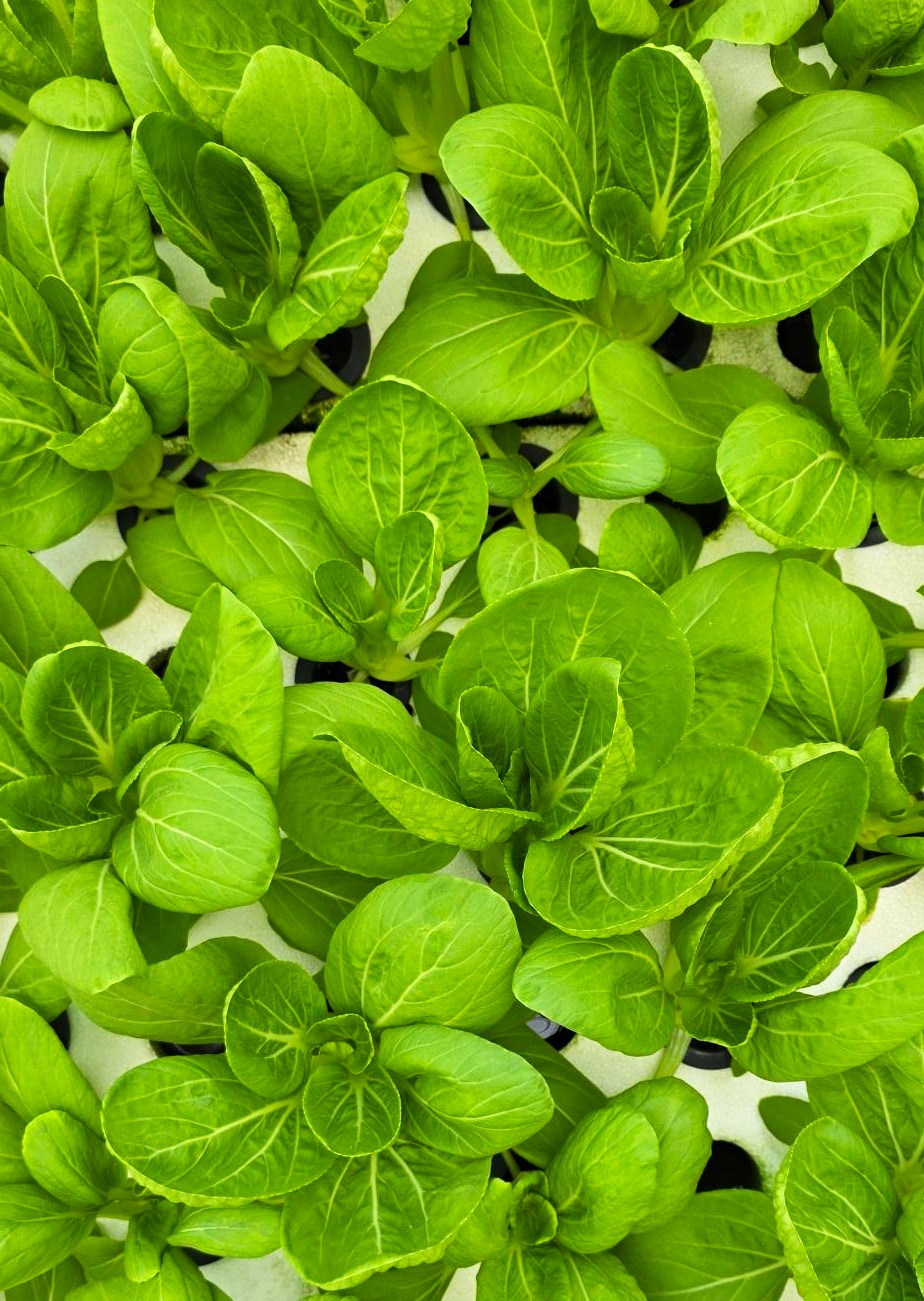
The hydroponic advantage comes down to control and efficiency. Instead of importing large volumes of organic matter and soil additives, small amounts of fertilizer can be added to water to create optimal growing environments. This gives total control over crop nutrition and provides a physical barrier between the plants and parasitic nematodes.
What crops work 350 km from the equator
The environment is exactly as you would expect: hot and wet, or hot and dry. Having two distinct seasons dictates crop selection throughout the year. Christmas Island also has a diverse population spanning Chinese, Indonesian, Malaysian, and Australian cultures. Ultimately, we have to grow what is in demand.
Our selection focuses on efficient crops with high output and fast turnover that are resilient against pests and disease while maintaining high quality:
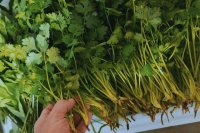
- Asian greens. Bok choy, choy sum, tatsoi, amaranth, kang kong (water spinach)
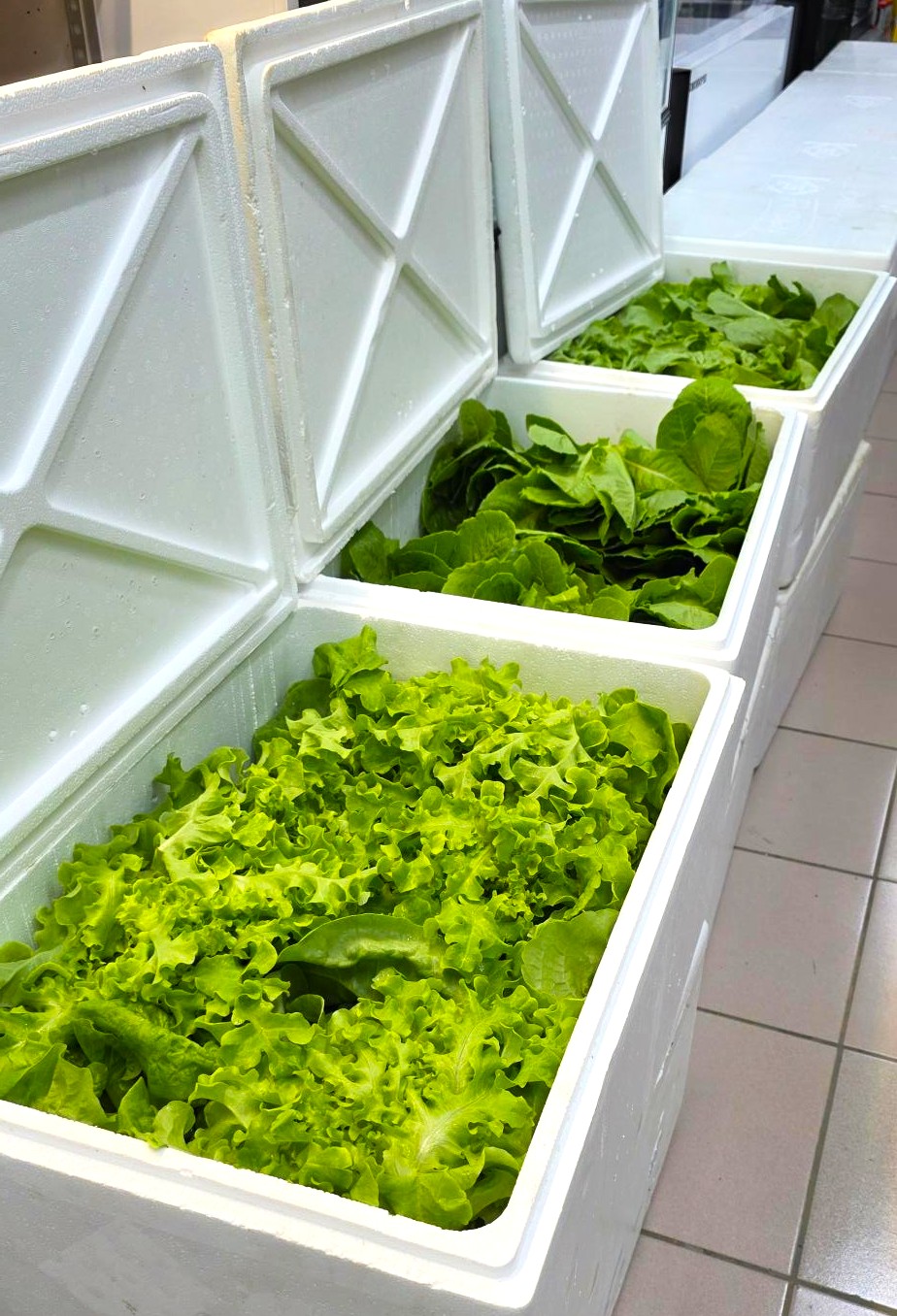
- Lettuce. Cos, green bowl, red bowl, romaine, iceberg, mignonette, rocket
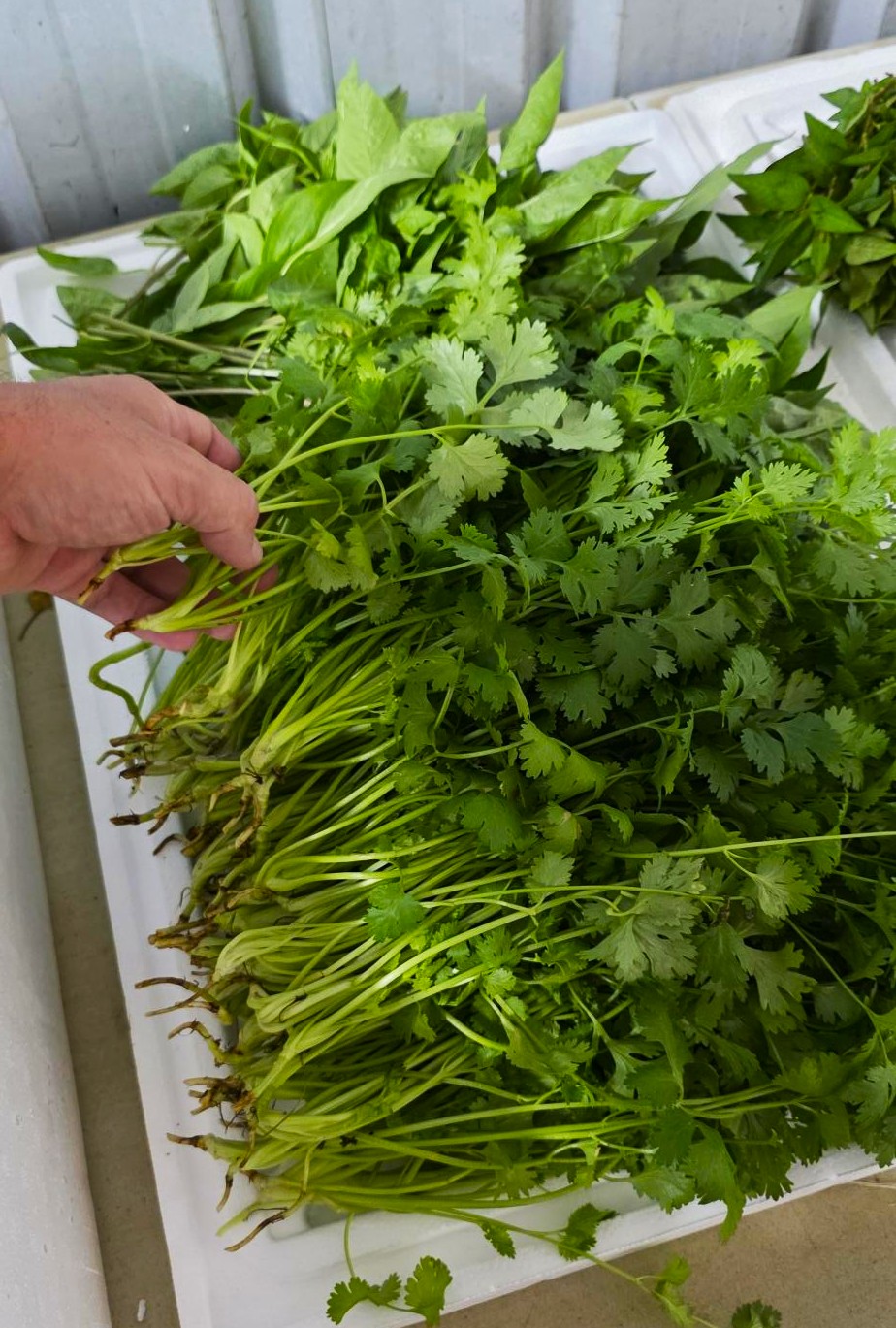
- Herbs. Coriander, mint, dill, parsley, Vietnamese mint
- Root crops. Ginger, turmeric
- Fruiting crops. Cucumber and tomato
The freight wait
On a remote island that only sees one to three flights per week, "same-day delivery" does not exist. Anything ordered via express delivery generally arrives within three weeks. Anything coming by sea takes closer to three months. During the November-to-March swell season, rough seas can stop ships from docking at Flying Fish Cove. This can further delay supply deliveries. A March 2025 emergency fuel surcharge from the island's sole freight carrier, Zentner Shipping, added further pressure to already elevated costs.
For this reason, you need to be flexible and inventive when building new systems or fixing old ones. Things might not look or feel exactly as you imagined. This challenge extends to the plants themselves. Just because you can identify a deficiency, pest, or disease does not mean you have the tools to treat it immediately.
A three-week wait for parts means you have to be an engineer, a chemist, and an inventor. If a pump fails, your "best" solution is often whatever is currently sitting in the shed. While it can be painful watching a problem escalate while waiting for the next plane, it is also a fantastic opportunity to experiment. More often than not, the improvised solution is better than the original plan.
What comes next
I have spent over a decade in ornamental production horticulture and indoor farming, but Christmas Island has a way of making a veteran feel like a novice. The challenges here are unique. There are bugs I do not know the names of (bugs maybe no one knows the name of) and violent swings in weather that knock you around as much as the crops.
But progress is cumulative. Small wins compound, and before you know it, the wet season ends and you have a new environment to conquer. In 2026, we are expanding crop trials for tropical varieties and improving organic pest controls. We are also looking to expand operations to a new site with a big vision for the future.
Lessons learned from remote island farming
- Critical redundancy. Identify vital components like pumps, nutrients, and testing equipment, and have backups. If your farm relies on a single EC pen, it will break eventually.
- Be flexible and creative. A solution today is always better than the perfect part in three weeks. A problem in the workshop is just an opportunity to learn.
- Grow what people want. Do not just flood the market with the easiest crops. Grow what people are missing out on. The diversity of your clients should be reflected in your greenhouse.
- Wins are cumulative. Every "failed" trial is just data for the next successful season.
- Hydrate along the way. You stop making good decisions when you are dehydrated.