Co-author: Ishaya Gadzama
Introduction
Biosecurity is crucial for maintaining both animal welfare and economic productivity in swine production. It is also essential for food safety and public health, especially with zoonotic pathogens. The concept of biosecurity encompasses all measures taken to prevent pathogens from entering and spreading within a group of animals. In recent years, the importance of biosecurity has been highlighted by the emergence of diseases like African swine fever and porcine epidemic diarrhea. Furthermore, some animal pathogens, such as the influenza A virus, have the potential to cause a pandemic event. Implementing strong biosecurity measures throughout the production chain is essential to reduce the risk of introducing new pathogens to farms and controlling their spread within them. However, developing and maintaining sustainable biosecurity programs remains a challenge for many pig farms.
What is Biosecurity?
Biosecurity involves applying measures designed to minimize the chance of pathogens being introduced and spreading. These measures are split into two categories: external and internal biosecurity. External biosecurity focuses on preventing the entry of pathogens onto the farm. Internal biosecurity focuses on controlling the spread of pathogens already present on the farm. A key concept in biosecurity is to prevent the transmission of pathogens either between farms or within a farm. Effective biosecurity measures must reduce the probability of pathogen transmission by understanding the epidemiology of the diseases to be avoided, their transmission routes, the stability of the agents in the environment, and the roles of fomites and vectors.
Biosecurity in Different Production Phases
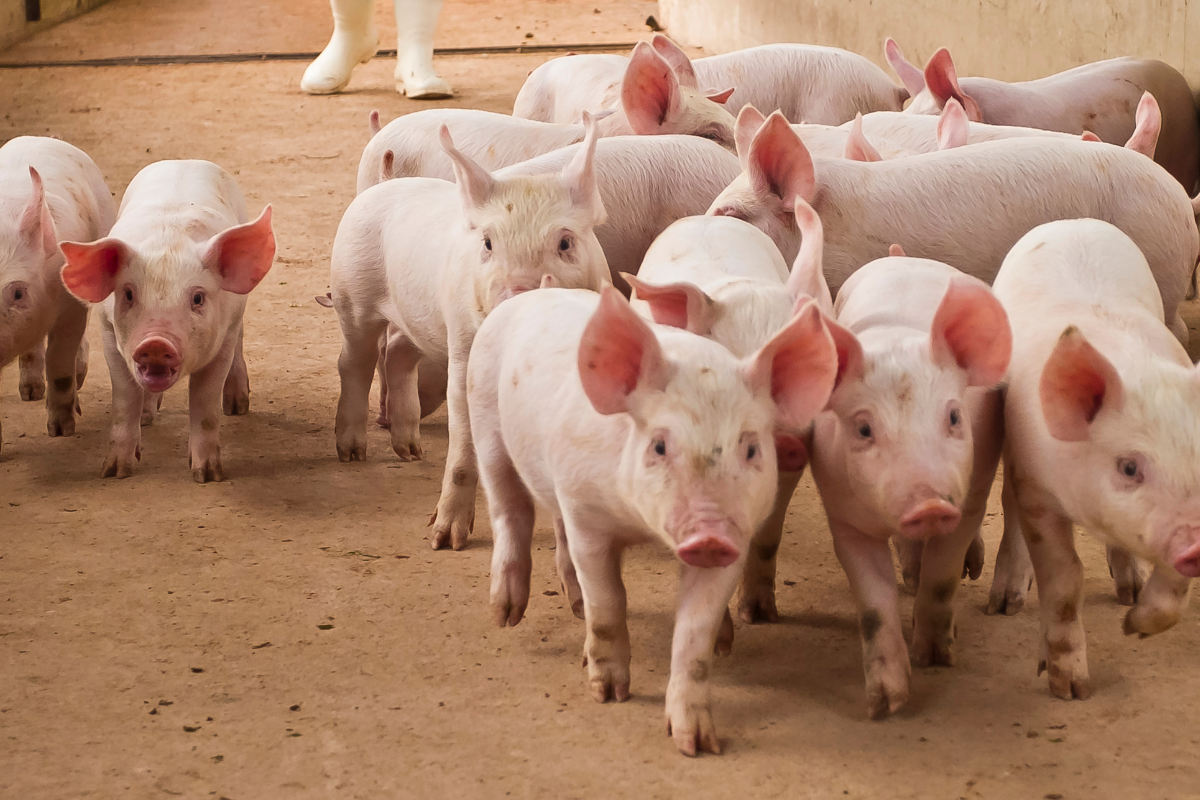
Piglet to Finisher Phase
- Creep Nest Area: Provide piglets with a warm, dry, and draft-free nest area. Use heat lamps and straw or rubber mats on the floor. Offer small, frequent amounts of creep feed to encourage intake and then feed ad libitum. Keep pens dry and use disinfectant powder to control the spread of diarrhea/scours. Ensure consistent access to clean water.
- Weaner, Grower, Finisher Pens: Weaners (up to 10 weeks old) need conditions similar to pre-weaning. Ensure a constant supply of fresh feed and cool, clean water. Test water at a laboratory at least twice a year for bacterial contamination and treat it with disinfectant when necessary. Ensure sufficient feeder and drinker space for all animals. Keep pens dry by limiting the use of water for cleaning. Separate sexes into different pens and provide shade in all pens. Use footbaths with disinfectants at the entrances of all houses.
Reproduction Phase: Gilt, Sow, and Boar
- Ensure a consistent supply of clean, cool water. Test water at a lab at least twice a year for bacterial contamination. Make sure all pigs have sufficient shade. Maintain good floors to prevent injury and foot problems. Always dry clean houses while occupied. Use footbaths with disinfectant at all entrances of the pig houses.
Once pens are empty, follow a strict cleaning routine:
- Remove and safely dispose of all manure and organic matter.
- Thoroughly wash roofs, walls, floors, and equipment with water followed by detergent and allow for maximum contact time.
- Disinfect houses and equipment.
- Allow the house to rest for 10-14 days after disinfection.
Key Biosecurity Practices
- Water Testing and Treatment: Regular water testing for bacterial contamination is important. Treating water with disinfectant helps maintain water hygiene.
- Dry Cleaning: Dry cleaning pens are preferable to using excessive water for cleaning to help reduce the spread of pathogens.
- Footbaths: Using footbaths at the entrances of pig houses is a crucial step in preventing the introduction of pathogens.
- Thorough Cleaning and Disinfection: A strict cleaning and disinfection program of empty pens, including proper resting time after disinfection, is vital.
- Environmental Controls: Keeping pigs dry, and with access to proper temperatures, and shade are important factors in pig health.
Feed Biosecurity in Swine Production
Feed biosecurity is a critical component of overall farm biosecurity. This focuses on preventing the introduction of pathogens through feed and it plays a vital role in maintaining the health and productivity of swine herds. Contaminated feed can be a significant source of disease transmission.
The Importance of Feed Biosecurity
Feed can be a vehicle for various pathogens, including bacteria, viruses, and toxins. These contaminants can lead to outbreaks of diseases that can devastate a swine herd, causing significant economic losses and negatively impacting animal welfare. Therefore, implementing a strong feed biosecurity program is crucial to protect the health of swine.
Sourcing Feed from Known Sources
One of the most critical steps in feed biosecurity is sourcing feed from reputable suppliers that adhere to stringent quality control measures. This means only purchasing feed from suppliers with a proven track record of safe production. Understanding where the feed comes from and how it is processed reduces the risk of contamination.
Feed should be stored in a clean, dry, pest-free environment. Sealed containers and elevated storage areas can prevent moisture, rodents, and other pests contamination. Bins or silos should be cleaned and disinfected regularly.
Practical Steps for Farmers
- Supplier Verification: Verify your feed supplier's biosecurity protocols. Ask about their quality control measures and ask for certificates of analysis.
- On-Farm Storage: Invest in proper feed storage solutions. Ensure that feed bins or silos are sealed, well-maintained, and regularly cleaned and disinfected.
- Pest Control: Implement a comprehensive pest control program to keep rodents and other animals away from feed storage areas. If the pest control system uses poison, place the containers strategically to prevent the pigs or other animals from accessing them.
- Employee Training: Train all farm employees on proper feed handling and storage procedures. Employees should be educated on what to look for and should report any feed abnormalities.
- Establish a Quarantine Protocol: When new feed is delivered to the farm, it should be placed in a quarantine storage area, if possible. The new feed should not come into contact with the existing feed and should be tested before being fully integrated into the operation.
- Regular Feed Testing: Sample the feed regularly for testing by a reputable lab for mycotoxins and pathogens. Regular testing feed for pathogens, toxins, and other contaminants can provide an early warning sign of potential problems and ensure that the quality and safety of the feed are consistent and that the feed meets the needs of the pigs.
- Record Keeping: Keep accurate records of all feed purchases and testing to help with traceability.
Integrating Feed Biosecurity with Other Biosecurity Practices
Feed biosecurity is just one aspect of a biosecurity program. It should be integrated with other biosecurity measures, such as controlling access to the farm, ensuring personal hygiene for workers, and maintaining a clean and disinfected environment for the animals. The external and internal biosecurity measures also apply to feed biosecurity and must be a part of a complete management plan to mitigate the introduction and spread of disease.
Pest and Rodent Control and Quarantine Protocols
External biosecurity focuses on preventing the introduction of pathogens into a farm. A crucial aspect of this involves controlling pests and rodents, as well as implementing effective quarantine protocols for new animals and vehicles. These measures are essential for maintaining the health and productivity of the swine herd.
The Significance of Pest and Rodent Control
Pests and rodents can act as vectors, carrying pathogens into farm facilities. Rodents, flies, and other insects can transmit diseases by contaminating feed, water, and surfaces. These unwanted guests can introduce a variety of diseases, putting your pigs at risk. Therefore, a robust pest and rodent control program is vital for swine operations.
The Importance of Quarantine Protocols
Quarantine is a crucial biosecurity measure that involves isolating new animals or vehicles before they are introduced into the main herd or farm area. This practice prevents the introduction of pathogens into the farm by allowing time to observe the animals or vehicles and prevent the introduction of disease into the herd or the farm environment.
Key Quarantine Protocols
- New Animal Quarantine: For some time, isolate new pigs in a designated quarantine area. The quarantine area should be separate from the main herd and biosecure and should prevent the spread of pathogens. Monitor new animals for signs of disease during the quarantine period and test the animals for diseases as necessary before they are integrated into the main herd.
- Vehicle Quarantine: All vehicles entering the farm should be thoroughly cleaned and disinfected. This applies to feed trucks, animal transport vehicles, and any other vehicles that might come into contact with the pigs or their environment. A designated cleaning and disinfection area should be implemented before vehicles are allowed access to the farm.
- Visitor Protocols: Restrict visitors' access to the farm and ensure that they follow strict biosecurity protocols, including wearing clean clothing and footwear. Provide visitor logs and require that each visitor clean and disinfect their shoes and hands.
- Time Separation: Establish clear protocols for the movement of people and vehicles and prioritize time separation between areas on the farm to prevent the transmission of pathogens on clothing, footwear, and equipment.
- Dedicated Equipment: If possible, use dedicated equipment for new animals and keep them separate from the equipment used for the existing herd. When this is not possible, ensure that all equipment used in the quarantine area is cleaned and disinfected before being used in other areas.
- Biosecurity Training: Train all staff on the procedures for managing quarantine areas and handling new animals and vehicles and the importance of following all of the protocols on the farm.
Conclusion
A comprehensive biosecurity program is essential for protecting swine herds from disease. Key elements include pest and rodent control, quarantine protocols, feed biosecurity, water testing, footbaths, and dry cleaning. By integrating these measures, farmers can create a robust defense against pathogens, ensuring the long-term health and productivity of their operations. Effective biosecurity practices not only improve animal health and farm productivity but also contribute to public health.
References
- Alarcón, L.V., Allepuz, A. & Mateu, E. (2021). Biosecurity in pig farms: a review. Porc Health Manag 7, 5. Biosecurity in pig farms: a review
- Huber, N., Andraud, M., Sassu, E. L., Prigge, C., Zoche-Golob, V., Käsbohrer, A., ... & Burow, E. (2022). What is a biosecurity measure? A definition proposal for animal production and linked processing operations. One Health, 15, 100433. What is a biosecurity measure? A definition proposal for animal production and linked processing operations
- Mutua, F., & Dione, M. (2021). The context of application of biosecurity for control of African swine fever in smallholder pig systems: Current gaps and recommendations. Frontiers in Veterinary Science, 8, 689811.
- Postma, M., Backhans, A., Collineau, L., Loesken, S., Sjölund, M., Belloc, C., ... & Dewulf, J. (2016). The biosecurity status and its associations with production and management characteristics in farrow-to-finish pig herds. Animal, 10(3), 478-489.
- Pudenz, C. C., Schulz, L. L., & Tonsor, G. T. (2019). Adoption of secure pork supply plan biosecurity by US swine producers. Frontiers in Veterinary Science, 6, 146.
- Sasaki, Y., Furutani, A., Furuichi, T., Hayakawa, Y., Ishizeki, S., Kano, R., ... & Otake, S. (2020). Development of a biosecurity assessment tool and the assessment of biosecurity levels by this tool on Japanese commercial swine farms. Preventive Veterinary Medicine, 175, 104848.
- Stewart, S. C., Dritz, S. S., Woodworth, J. C., Paulk, C., & Jones, C. K. (2020). A review of strategies to impact swine feed biosecurity. Animal Health Research Reviews, 21(1), 61-68.