


Ultra-processed foods (UPFs), foods characterized by extensive industrial processing and the use of multiple additives, dominate modern eating by offering convenience and affordability. In countries like the United States, the United Kingdom, and Canada, UPFs constitute more than 50% of all daily caloric intake. This dominance has real consequences for public health, with well-documented links between UPF consumption and obesity, chronic diseases, and shortened lifespans. This article explores how vertical farming, including controlled-environment agriculture (CEA), combined with zero-waste, circular economy approaches, could offer practical solutions for improving nutrition in the face of the widespread proliferation of UPFs.
Ultra-processed foods - What's the problem?
UPFs are extensively processed, stripping away essential nutrients and bioactive compounds. The result is food that is rich in sugars and unhealthy fats but low in vitamins, minerals, and fiber. Numerous studies have linked high UPF consumption to increased risks of obesity, cardiovascular disease, and metabolic disorders. In industrialized countries, the health dangers of UPFs are attracting increasing attention. California, for example, has signed legislation to phase out UPFs from school meals by 2035, and governments are looking at how to regulate access to UPFs as a public health intervention. As GLP-1 drugs for weight management become more widely used, we are also facing a growing risk of malnutrition due to a lack of essential nutrients in the limited, UPF-dominated diets of people using these medications.
Vertical farming as a potential source of nutrient-dense food
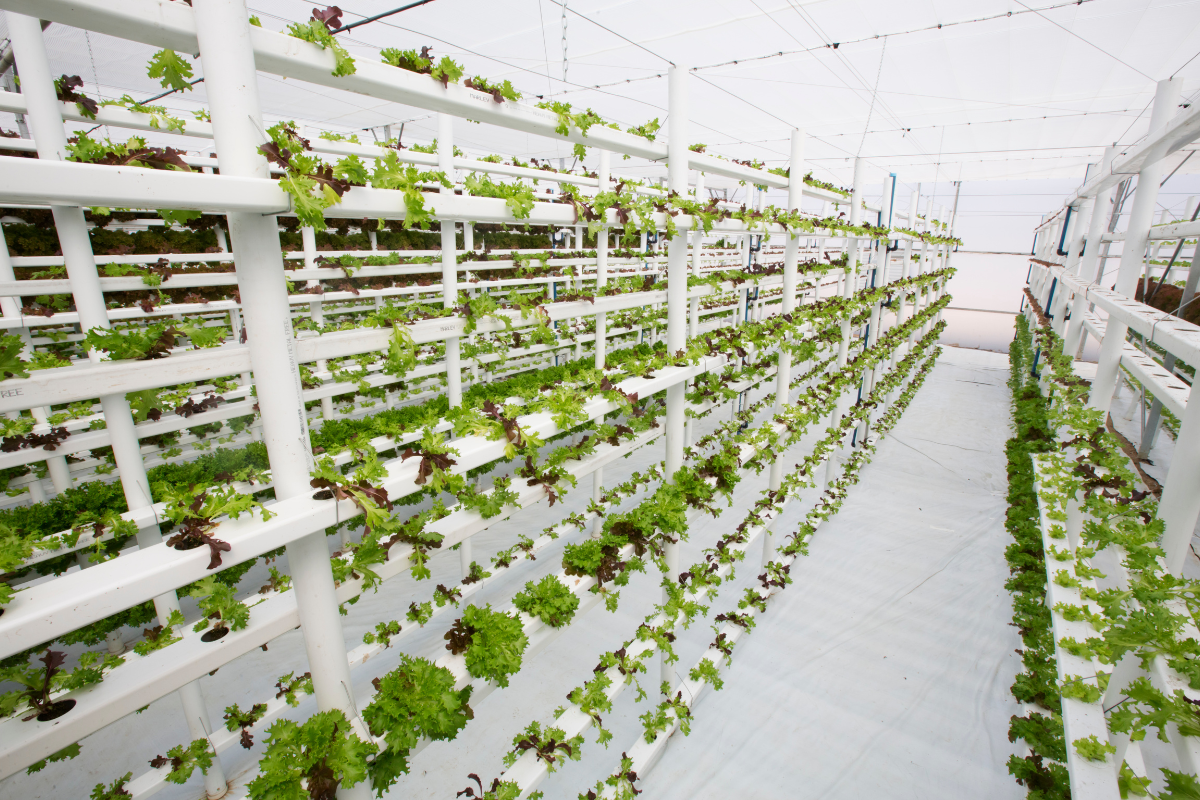
Vertical farming and CEA technologies have the potential, unlike conventional agriculture, to enable crop production "tuned" to be rich in the antioxidants and phytonutrients stripped from UPFs. For food manufacturers, this means access to plant ingredients that can be grown for maximum nutrient density and functional benefits. Such ingredients can be incorporated into UPFs to boost their nutritional value, drawing parallels to historical fortification efforts (for example, adding vitamins to breakfast cereals or iodine to salt). Because vertical farming can produce natural sources of food fortification, manufacturers can better formulate clean-label foods that meet consumer demand for health and wellness without sacrificing convenience or taste. Microgreens, herbs, and specialty vegetables are rich in bioactive compounds, and there is enormous potential to use them as sources of the micronutrients that are lacking in UPFs.
Circular economy integration - Making healthy food sustainable
Vertical farming should be a vital part of the food circular economy. Food waste, a persistent challenge in the industry, can be repurposed through processes like anaerobic digestion to recover nutrients. These recovered nutrients can then be cycled back into hydroponic vertical farming systems, creating a closed loop that minimizes waste and maximizes resource efficiency. This nutrient recovery model supports environmental sustainability while also ensuring a steady supply of essential minerals and growth factors for crops. By closing the nutrient loop, vertical farming positions itself as a sustainable solution for the food industry's most pressing challenges. We can even go one step further, using natural, safe solvents to extract food-fortification bioactives directly from vertical farming waste.
How does vertical farming enter the UPF supply chain?
We are still at an early stage in the fight against UPFs. Manufacturers remain skeptical about the economics of reformulating industrial foods and have adopted a defensive stance, for example, by removing chemical food colorants while still deploying a wide range of chemical additives. But the movement towards healthier industrial foods is gaining momentum, and inevitably food manufacturers will seek ingredients that support better health outcomes. We already see this trend in the case of GLP-1 specialist nutrition products, where the industry is seeking to profit from a major shift in dietary behavior.
As UPFs continue to dominate the global diet, the food industry faces mounting pressure to improve their health profile. Vertical farming combined with circular economy valorization of food waste can supply ingredient solutions for industrial food production that provide the micronutrients capable of turning UPFs from causes of malnutrition into vehicles for improved health.
References
Martini, D., Godos, J., Bonaccio, M., Visintin, E. P., & Grosso, G. (2021). A Systematic Review of Worldwide Consumption of Ultra-Processed Foods: Findings and Criticisms. Nutrients, 13(8), 2778.
Monteiro, C. A., Louzada, M. L. C., Steele-Martinez, E., et al. (2025). Ultra-processed foods and human health: the main thesis and the evidence. The Lancet (Series on Ultra-Processed Foods and Human Health).
Governor of California. (2025). Governor Newsom signs first-in-the-nation law to ban ultra-processed foods from school lunches. Office of Governor Gavin Newsom.
Butsch, W. S., Sulo, S., Chang, A. T., et al. (2025). Nutritional deficiencies and muscle loss in adults with type 2 diabetes using GLP-1 receptor agonists: A retrospective observational study. Obesity Pillars, 15, 100186.
Urbina, J., Salinas-Ruiz, L. E., Valenciano, C., & Clapp, B. (2026). Micronutrient and Nutritional Deficiencies Associated With GLP-1 Receptor Agonist Therapy: A Narrative Review. Clinical Obesity, 16(1), e70070.