Across this series I have come back to one idea again and again: the fruit is rarely the problem, the market is. This article takes that idea head on. A grower can produce one excellent crop, load it into two containers, send them to two countries, and watch one clear customs and sell while the other is rejected at the border or left unsold on the shelf. Same fruit, same farm, same day of harvest. The difference is the market.
Understanding why is one of the most important things an exporter can learn, because it changes how you plan a season, how you price and which orders you take. The product is the same, but the market defines the specification.
Why one product splits into many
No single reason stops the same produce from travelling everywhere. Several forces sit on top of each other, and any one of them can stop a shipment on its own. A fruit that satisfies all of them for Europe may fail two of them for the Middle East, and pass easily in India on a third while failing a fourth. The exporter who works on the assumption that a coconut is a coconut will pay for it eventually.
Four forces do most of the work: how the fruit is physically prepared, the grade and cosmetic standard it is held to, the variety and taste a market actually wants, and the regulations and perceptions that surround it.
Each market wants the fruit prepared its own way
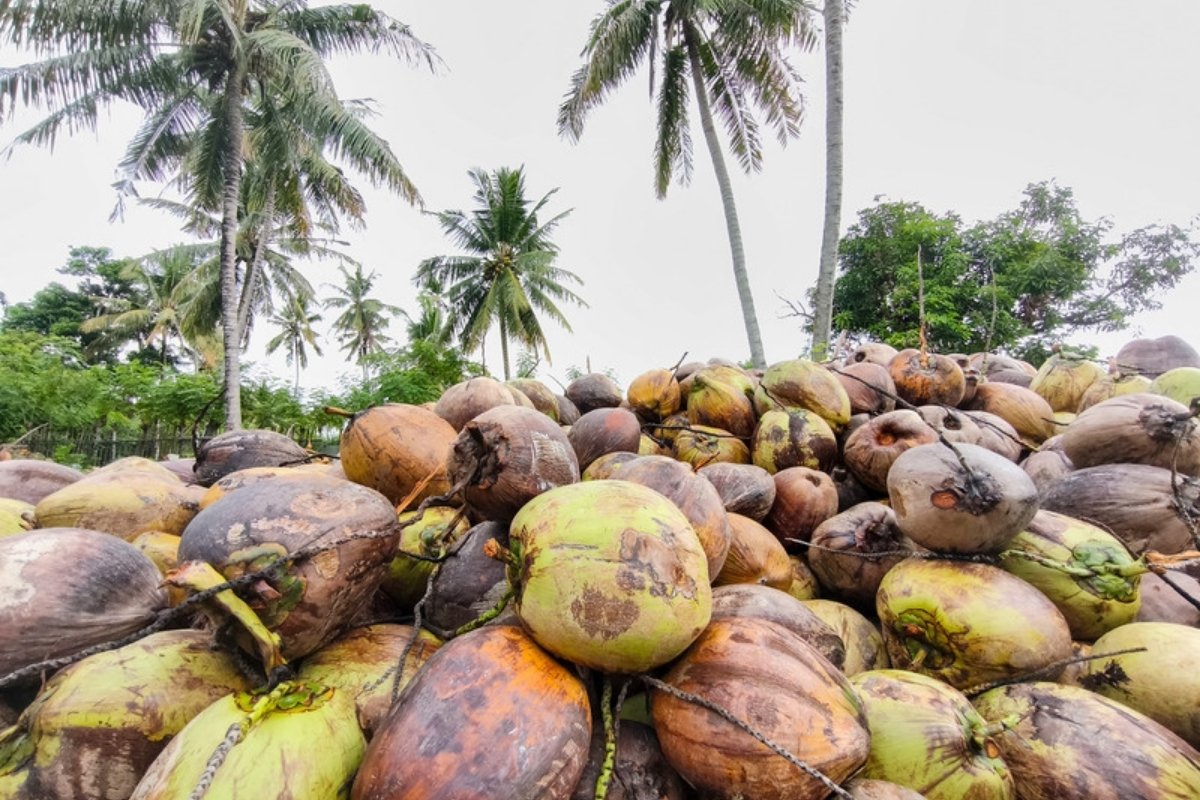
Coconuts show this most clearly. The same Indian coconut is exported to the Middle East, to several Asian markets, and to Europe and Russia, and each destination wants it prepared in a different way. Europe and Russia want coconuts de-husked, with the fibrous husk removed. The Middle East wants them with the husk left on.
A European buyer once received Indian coconuts, sourced through another supplier, that arrived with the husk on. The nuts themselves were perfectly good. They had simply been prepared for the wrong market, which made them hard to sell. Nothing was defective, but in fresh produce, preparation that does not match the destination amounts to a defect. "Coconut" is therefore at least two products, defined by what the destination expects done to the fruit before it arrives rather than by the fruit itself.
A grade that passes in one market can fail in another
The second force is appearance, and it cuts both ways depending on where you ship.
A market like Europe accepts that fruit is a natural product. For citrus, a reasonable degree of skin marking still falls within the top grade, because buyers understand that fruit grown outdoors carries some blemish. The same fruit shipped into India can be judged more harshly. Indian standards are not stricter in law, but the Indian buyer imports on the expectation that an imported fruit should look better than the local one. As I wrote in the first article in this series, imported produce in India often carries a premium, almost aspirational, perception, and near-perfect appearance is part of what the buyer is paying for.
The same box of citrus can therefore be a confident first grade in one market and a disappointment in another, purely on how each market reads a few marks on the skin. Lower grades, category-two fruit that sells perfectly well at home, often find no buyer at all in a demanding import market.
Markets want different varieties and sizes
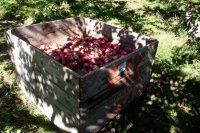
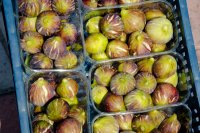
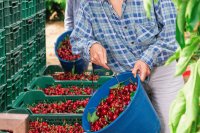
Preference is the third force. Markets do not all want the same variety, sweetness, size or colour of a given fruit. An apple size and variety that moves easily in one country can sit unsold in another that favours a different profile entirely. These preferences are real, specific and local, and no amount of argument from the supply side changes them. The exporter either matches what the market wants or does not sell.
This is why the same orchard often supplies several specifications in a single season, each cut to a different destination's taste, rather than one export grade sent everywhere.
Regulation and perception are the hardest walls
The fourth force is the one that stops a shipment completely, and the clearest case is Citrus Black Spot. It is a fungal disease that marks the rind. By the account of the exporters who deal with it, it is superficial and does not affect the fruit inside, the plant or human consumption, and Great Britain does not regulate it at all, since the fungus cannot establish in its climate.
The European Union, by contrast, classifies the fungus as a quarantine pest, and consignments found to carry it can be rejected, destroyed or re-exported, however good the fruit is otherwise. The EU has temporary measures in place on citrus from Argentina, Brazil, South Africa, Uruguay and Zimbabwe, with enhanced inspection, registration and pre-notification requirements, and in 2025 it extended them again. Argentine exporters have had orange shipments to Europe rejected over it, some destroyed or returned. The same oranges, sold into a market without that rule, would have moved without a second look.
That is the thesis of this whole article in a single regulation. A fungus that changes nothing about the fruit itself changes everything about where it can be sold, because one market decided it matters and another did not. On top of this sit the broader compliance differences every exporter knows, such as maximum residue limits and certification requirements that vary by market, which can make a legal, saleable product in one country an illegal, unsellable one in the next. No improvement to the fruit gets you over these walls. Only preparing for the specific market in advance does.
How to avoid the trap
The disciplined approach is simple to state and harder to practise. Never assume a product will travel as it is. Research the destination before you commit the crop, not after, and build a separate specification for each market, covering preparation, grade, variety and every regulatory and documentary requirement that market imposes. This is why the specification sheet, which I covered earlier in this series, matters so much, because it is where these market-by-market differences are written down and agreed before anything ships.
An exporter who sources first and finds a market afterwards is gambling. One who understands the destination's full requirements before a single carton is packed is trading.
The one thing to remember
If there is one idea to carry away, it is that the product is the same but the market defines the specification. A coconut, an orange or an apple has no single correct form. It has as many correct forms as the markets it is sold into, and the exporter's job is to understand which version of the fruit each market will accept, more than to grow one perfect fruit. Get that right and one crop opens many doors. Get it wrong and the same crop is turned away at all of them.