Introduction: Heat Stress and the Search for Solutions
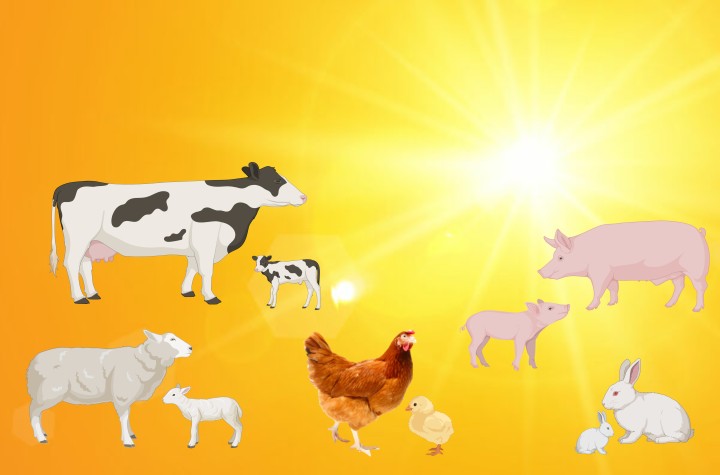
Climate change is increasing heat waves' intensity, frequency, and duration, posing significant challenges for livestock production worldwide (Ratriyanto et al., 2009; Gadzama, 2025). Heat stress in animals leads to reduced feed intake, compromised gut integrity, increased oxidative stress, and impaired performance, including lower milk yield, decreased growth rates, and even increased morbidity and mortality (Burhans et al., 2022). Ruminants like dairy cows and sheep, as well as monogastric species such as pigs, poultry, and rabbits, are all negatively impacted by elevated temperatures (Attia et al., 2016; Shah et al., 2020). Finding effective and economical strategies to mitigate these adverse effects is crucial for maintaining animal health, welfare, and productivity (DiGiacomo et al., 2016).
What Is Betaine and How Does It Help?
Betaine, also known as trimethylglycine, is a natural compound found widely in nature. It serves mammals in two primary ways: as a methyl donor involved in protein and lipid metabolism, and as an organic osmoprotectant (Ratriyanto & Mosenthin, 2018). As an osmoprotectant, betaine helps cells maintain their water balance and integrity during periods of osmotic stress, such as dehydration caused by heat (Li et al., 2019). A meta-analysis by Malik et al. (2024), including several experiments, revealed that betaine supplementation significantly improved milk yield and dry matter intake in lactating ruminants under both thermoneutral and heat-stress conditions. Additionally, betaine supplementation has shown variable effects in mitigating heat stress across animal species, reflecting differences in physiological responses and environmental conditions.
Dairy Cattle
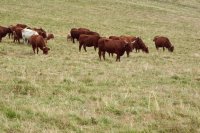
In dairy cows, betaine supplementation enhances productivity under heat stress. Hall et al. (2016) reported that 15 g/day of betaine increased milk yield by 1.0 kg/day and dry matter intake (DMI) by 0.21 kg/day during summer grazing, while Malik et al. (2024) confirmed these benefits in a meta-analysis. Betaine likely reduces the energy required for osmoregulation, allowing cows to allocate more resources to milk synthesis. However, higher doses (30–60 g/day) did not improve performance, suggesting a threshold effect (Hall et al., 2016). Notably, betaine stabilizes milk components like lactose but may slightly reduce milk fat percentage under HS (Zhang et al., 2014). For farmers, betaine offers a cost-effective solution to maintain milk production during heatwaves, though economic viability depends on milk price fluctuations (Lewis et al., 2021). Future studies should refine dosing protocols and evaluate long-term effects on cow health and reproduction.
Sheep
Betaine’s effects in sheep under HS are dose-dependent. DiGiacomo et al. (2016) reported that 2 g/day improved respiration rate and rectal temperature, while higher doses disrupted insulin sensitivity. Similarly, DiGiacomo et al. (2023) found betaine altered lipid metabolism, reducing non-esterified fatty acids (NEFA) but impairing insulin signaling. These metabolic shifts may help sheep prioritize energy conservation during HS but could limit productivity in the long term. For farmers, low-dose betaine may enhance resilience in grazing systems, but further work is needed to balance metabolic trade-offs.
Broiler Chickens
Betaine supplementation has shown promise in alleviating heat stress (HS) in broiler chickens. Shakeri et al. (2019a,b) demonstrated that adding 1 g/kg of betaine to the diet improved final body weight, breast weight, and feed efficiency under cyclic HS (33°C daytime, 25°C nighttime). Betaine also reduced physiological stress markers, such as rectal temperature and respiration rate, by enhancing thermoregulation and acid-base balance. These improvements are linked to betaine’s role as an osmolyte, which helps cells retain water and stabilize metabolic processes during dehydration caused by HS.
Additionally, betaine improved meat quality by reducing lipid oxidation (TBARS) and drip loss, likely due to its antioxidant properties. These findings are critical for poultry farmers in hot climates, as HS reduces growth rates and meat yield, leading to economic losses. However, the efficacy of betaine may depend on dosage and environmental severity. Future research should explore interactions between betaine and other antioxidants to optimize HS mitigation strategies.
Laying Hens
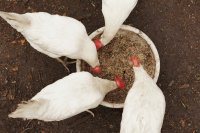
Heat stress poses significant challenges to laying hens, reducing egg production, impairing shell quality, and increasing mortality. De Baets et al. (2024) investigated betaine supplementation (0.55 g/L in drinking water) in ISA Brown and Lohmann LSL hens under cyclic heat stress (32°C for 6 h/day). While betaine reduced blood carbon dioxide (pCO₂) and bicarbonate (HCO₃⁻) levels—indicating improved acid-base balance—it did not enhance laying performance, egg quality, or body temperature regulation. Oxidative stress (measured via malondialdehyde, MDA) increased in brown hens during acute heat exposure, suggesting breed-specific vulnerabilities.
White hens experienced greater declines in laying rate (-2.78%) and egg mass (-1.57%) compared to brown hens, highlighting genetic differences in heat tolerance. Contrasting results exist in other poultry studies. For instance, Ebeid et al. (2012) reported that 1 g/kg dietary betaine improved eggshell quality under high temperatures, likely by supporting calcium metabolism. Similarly, Attia et al. (2016) found that combining betaine with vitamin C enhanced laying performance during chronic heat stress.
The lack of improvement in De Baets et al. (2024) may relate to dosage, administration method (water vs. feed), or environmental factors like elevated CO₂ levels (2,198 ppm during heat exposure), which could exacerbate respiratory stress. These findings imply that betaine’s efficacy in laying hens depends on breed, dosage, and environmental context. While it may stabilize metabolic parameters, its standalone use might not suffice to counteract heat stress impacts on productivity. Future research should explore higher doses, synergistic combinations (e.g., with antioxidants or electrolytes), and breed-specific strategies to optimize outcomes.
Pigs/Swine
For pigs, betaine’s primary value may lie in hydration management rather than productivity enhancement. Unlike poultry and ruminants, where betaine directly improved growth or milk metrics, pigs showed no significant changes in respiration rate or feed efficiency (De Prekel et al., 2024). This contrasts with findings in rabbits, where 1.5 g/kg betaine enhanced nutrient absorption and antioxidant capacity (Chen et al., 2023). The disparity highlights the need for tailored strategies: while betaine benefits poultry and ruminants by alleviating oxidative stress, its role in pigs may focus on mitigating secondary heat stress effects like dehydration. Future research should explore betaine’s interactions with other supplements (e.g., electrolytes) and optimal dosing schedules for pigs. Additionally, cost-benefit analyses are critical, as economic thresholds for betaine efficacy remain undefined (Lewis et al., 2021).
Rabbits
Heat stress severely impacts rabbit growth and intestinal health, but betaine supplementation can mitigate these effects. Chen et al. (2023) found that 1.5 g/kg of dietary betaine improved average daily gain, nutrient digestibility, and antioxidant capacity (e.g., increased SOD and GSH-Px activity) in heat-stressed rabbits (30°C, 71% humidity). Betaine also reduced intestinal permeability by lowering serum d-lactate, a marker of gut barrier dysfunction. These benefits are vital for rabbit farming in tropical regions, where HS causes mortality and poor growth. However, higher doses (2.0 g/kg) showed diminishing returns, emphasizing the need for precise dosing. Future research should investigate betaine’s role in immune function and its synergy with probiotics.
Conclusion
Betaine supplementation demonstrates variable efficacy in mitigating heat stress across livestock species, influenced by dosage, environmental conditions, and physiological differences. In dairy cattle, low doses (15 g/day) enhance milk yield and dry matter intake by reducing osmoregulatory energy demands, though higher doses yield diminishing returns and may affect milk fat content. Similarly, sheep benefit from low-dose betaine (2 g/day), which improves thermoregulation but disrupts insulin signaling at elevated doses. Broilers show improved growth, feed efficiency, and meat quality under heat stress with 1 g/kg dietary betaine, attributed to its osmoprotective and antioxidant roles. However, laying hens exhibit breed-specific responses, with betaine stabilizing metabolic parameters but failing to enhance egg production. In pigs, betaine’s utility lies in hydration management rather than productivity gains. At the same time, rabbits experience enhanced growth, gut integrity, and antioxidant capacity at optimal doses (1.5 g/kg), though higher doses reduce efficacy.
These findings underscore betaine’s potential as a cost-effective, species-specific mitigator of heat stress, contingent on precise dosing and environmental context. Economic viability remains variable, particularly in dairy systems where milk price fluctuations influence feasibility. Future research should prioritize refining dosage protocols, exploring synergistic combinations with antioxidants or electrolytes, and evaluating long-term metabolic and reproductive impacts. Breed-specific strategies and standardized administration methods are critical to optimize betaine’s role in sustaining livestock productivity amid rising global temperatures.
References
- Attia, Y. A., Abd El-Hamid, A. E., Abedalla, A. A., Berika, M. A., Al-Harthi, M. A., Kucuk, O., Sahin, K., & Abou-Shehema, B. M. (2016). Laying performance, digestibility and plasma hormones in laying hens exposed to chronic heat stress as affected by betaine, vitamin C, and/or vitamin E supplementation. SpringerPlus, 5, 1619.
- Burhans, W. S., Burhans, C. R., & Baumgard, L. H. (2022). Invited review: Lethal heat stress: The putative pathophysiology of a deadly disorder in dairy cattle. Journal of Dairy Science, 105(5), 3716-3735.
- Chen, X., Li, Z., Pu, J., Cai, J., Zhao, H., Jia, G., Liu, G., & Tian, G. (2023). Dietary Betaine improves the intestinal health and growth performance of heat-stressed growing rabbits in summer. Journal of Animal Science, 101, skad363.
- De Baets, R., Buyse, K., Antonissen, G., & Delezie, E. (2024). Betaine and feed restriction as potential mitigation strategies against heat stress in two strains of laying hens. Poultry Science, 103(10), 104104.
- De Prekel, L., Maes, D., Van den Broeke, A., Ampe, B., & Aluwé, M. (2024). Effect of simultaneous dietary supplementation of betaine, selenomethionine, and vitamins E and C under summer conditions in growing–finishing pigs. Veterinary Sciences, 11(3), 110.
- DiGiacomo, K., Simpson, S., Leury, B. J., & Dunshea, F. R. (2016). Dietary betaine impacts the physiological responses to moderate heat conditions in a dose-dependent manner in sheep. Animals, 6(9), 51.
- DiGiacomo, K., Simpson, S., Leury, B. J., & Dunshea, F. R. (2023). Dietary Betaine Impacts Metabolic Responses to Moderate Heat Exposure in Sheep. Animals, 13(10), 1691. https://doi.org/10.3390/ani13101691
- Ebeid, T. A., Suzuki, T., & Sugiyama, T. (2012). High ambient temperature influences eggshell quality and calbindin-D28k localization of eggshell gland and all intestinal segments of laying hens. Poultry Science, 91(9), 2282-2287.
- Gadzama, I.U. (2025). Heat Stress in Dairy Cows: A Growing Concern. Wikifarmer. Available online: https://www.researchgate.net/publication/388038453
- Hall, L. W., Dunshea, F. R., Allen, J. D., Rungruang, S., Collier, J. L., Long, N. M., & Collier, R. J. (2016). Evaluation of dietary betaine in lactating Holstein cows subjected to heat stress. Journal of Dairy Science, 99(12), 9745–9753.
- Malik, M. I., Bilal, M., Anwar, M. Z., Hassan, T., Rashid, M. A., Tarla, D., ... & Cheng, L. (2024). Effects of betaine supplementation on dry matter intake, milk characteristics, plasma non-esterified fatty acids, and β-hydroxybutyric acid in dairy cattle: a meta-analysis. Journal of Animal Science, 102, skae241.
- Lewis, C. D., Marett, L. C., Malcolm, B., Williams, S. R. O., Milner, T. C., Moate, P. J., & Ho, C. K. M. (2021). Economic threshold analysis of supplementing dairy cow diets with betaine and fat during a heat challenge: A pre- and post-experimental comparison. Animals, 12(1), 92.
- Li, C., Wang, Y., Li, L., Han, Z., Mao, S., & Wang, G. (2019). Betaine protects against heat exposure–induced oxidative stress and apoptosis in bovine mammary epithelial cells via regulation of ROS production. Cell Stress & Chaperones, 24(2), 453–460.
- Ratriyanto, A., Mosenthin, R., Bauer, E., & Eklund, M. (2009). Metabolic, osmoregulatory and nutritional functions of betaine in monogastric animals. *Asian-Australasian Journal of Animal Sciences, 22*(11), 1461–1476.
- Shah, A. M., Ma, J., Wang, Z., Zou, H., Hu, R., & Peng, Q. (2020). Betaine supplementation improves the production performance, rumen fermentation, and antioxidant profile of dairy cows in heat stress. Animals, 10(4), 634.
- Shakeri, M., Cottrell, J. J., Wilkinson, S., Le, H. H., Suleria, H. A. R., Warner, R. D., & Dunshea, F. R. (2019a). Growth performance and characterization of meat quality of broiler chickens supplemented with betaine and antioxidants under cyclic heat stress. Antioxidants, *8*(9), 336.
- Shakeri, M., Cottrell, J. J., Wilkinson, S., Zhao, W., Le, H. H., McQuade, R., ... & Dunshea, F. R. (2019b). Dietary betaine improves intestinal barrier function and ameliorates the impact of heat stress in multiple vital organs as measured by evans blue dye in broiler chickens. Animals, 10(1), 38.
- Zhang, L., Ying, S. J., An, W. J., Lian, H., Zhou, G. B., & Han, Z. Y. (2014). Effects of dietary betaine supplementation subjected to heat stress on milk performances and physiology indices in dairy cow. Genet. Mol. Res, 13(3), 7577-7586.