The evolution from group to individual management
Livestock production has always relied on principles set for the whole herd. Whether in extensive grazing systems or intensive feedlots, animals are usually grouped for management efficiency. Feed is provided in amounts calculated for groups, veterinary care is given on a herd or pen basis, and productivity is measured in terms of kilograms of milk or beef produced per unit of feed supplied to the collective. This herd-focused approach has influenced both the science and practice of animal agriculture for over a century, providing practical simplicity and economies of scale.
At its biological foundation, a herd consists of a group of individuals, each possessing distinct genetic, physiological, and behavioral characteristics. Even among the same breed, age group, or management system, no two animals are alike. Some cows yield more milk from the same feed, some steers exhibit more efficient weight gain, certain sheep are more resistant to parasites, and particular heifers conceive with greater ease. These variations are not just interesting observations—they reflect measurable differences in performance, efficiency, resilience, and profitability. Historically, the challenge has been that identifying and managing such differences on a large scale was difficult. Farmers and veterinarians understood that "each cow is unique," but effective tools for monitoring and addressing these differences were limited.
In recent years, a technological revolution has started to transform individualized management into a viable option. Precision livestock farming technologies, including wearable devices, automated weighing systems, genomic tools, and machine learning algorithms, now facilitate the continuous observation of animals at an unprecedented resolution. These advancements are promoting a shift from managing the herd as a collective to treating every animal as a distinct entity. Rather than averaging across groups, producers can customize feeding, health, and breeding strategies for each cow or steer, tailoring interventions that optimize lifetime productivity while enhancing animal welfare standards and minimizing environmental effects (Figure 1).
This shift is not merely a technical change—it represents a fundamental rethinking of what efficiency entails in animal agriculture. It allows us to consider whether herds should be managed as uniform entities or as intricate networks of individual contributors. This evolution prompts new inquiries about data ownership, ethical implications, and the balance between technological automation and human oversight. Most importantly, it presents the opportunity to achieve greater output with less resource use, not by treating animals as interchangeable units, but by acknowledging and utilizing their individuality.
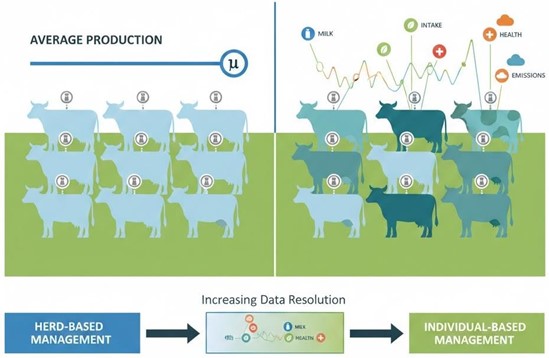
Figure 1. From Herd Averages to Individual Animals: Illustrating the transition from group-based management to individual-level decision-making in ruminant production systems.
This article investigates the scientific, technological, and practical aspects of transitioning from herd-oriented to individual-focused management in ruminant production systems. It starts by analyzing the biological foundation of within-herd variability, then shifts to the new tools available for farmers and veterinarians to observe and address this variability. It examines nutrition, health, reproduction, and genetics through the lens of individualized approaches, before discussing the challenges and opportunities this paradigm shift brings. The objective is to equip researchers, veterinarians, nutritionists, farm managers, and agritech innovators with a thorough understanding of this transformation—one that could very well shape the future of ruminant production.
The biological basis of individual variation
The scientific justification for transitioning to individual-level management starts with the biology of the animals. Ruminants, like other species, show intrinsic variability in how they transform feed into body tissue, their capacity to resist illness, reproductive abilities, and their reactions to environmental stressors. These variations stem from a complex interaction among genetics, physiology, microbiome characteristics, and behaviour.
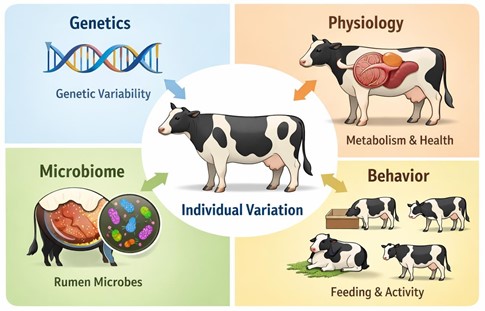
Figure 2. Biological Sources of Variation Within a Herd: Genetic, physiological, microbial, and behavioural factors driving differences among individual ruminants.
Genetic diversity within herds
Genetic diversity is one of the clearest factors contributing to individuality within herds. Even among animals of the same breed and lineage, there are differences in traits like growth rate, milk production, feed efficiency, and reproductive success. Research involving genomics has revealed that single-nucleotide polymorphisms (SNPs) and gene networks play a role in crucial metabolic, immune, and fertility pathways (Berry & Crowley, 2013). While these variations might go unnoticed at the herd average level, examining them at the individual scale uncovers significant disparities in how resources are utilised.
Physiological and metabolic differences
Physiological differences add further complexity to this scenario. Metabolic rates, digestive abilities, and how nutrients are distributed can vary significantly from one cow to another, even when they are provided with the same diet and living conditions. These metabolic variations directly impact production efficiency and profitability across the herd.
Rumen microbiome variability
The composition of the rumen microbiome introduces another dimension of individuality, as variations in microbial community structures influence feed digestion and methane emissions from livestock (Difford et al., 2016). For example, two cows on the same diet may have more than a 30% difference in methane emissions due to their distinct microbial populations rather than just differences in host genetics. Understanding rumen health and digestive function at the individual level enables targeted interventions for both productivity and environmental sustainability.
Collectively, these various layers of variability emphasise that relying solely on herd-level averages as a management approach is inadequate. While metrics at the herd level offer a broad overview, they obscure the biological uniqueness present in each animal. The movement towards individual-level management is thus not only made possible by advancements in technology but is also backed by the fundamental biological characteristics of ruminants.
Behavioral patterns and social dynamics
Behavioral differences also significantly impact this dynamic. Some animals take a dominant position at feeding areas, while others are more submissive, leading to unequal access to food despite identical rations. Patterns of resting, rumination, and social interactions vary greatly and correlate with productivity and health results. These behavioral intricacies, once thought to be mere noise in herd management, are now appreciated as important indicators of individual performance and welfare.
Collectively, these various layers of variability emphasize that relying solely on herd-level averages as a management approach is inadequate. While metrics at the herd level offer a broad overview, they obscure the biological uniqueness present in each animal. The movement towards individual-level management is thus not only made possible by advancements in technology but is also backed by the fundamental biological characteristics of ruminants.
Precision livestock farming technologies
The emergence of precision livestock farming technologies has enabled the monitoring of individual animals on a large scale. Wearable sensors have become one of the most commonly used tools, especially in dairy operations (Figure 3).
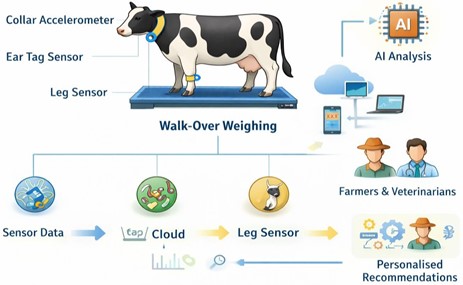
Figure 3. Precision Livestock Farming Technologies for Individual Monitoring: Overview of sensor-based and digital tools enabling continuous, animal-level data collection.
Wearable sensors and monitoring devices
Wearable sensors have become one of the most commonly used tools, especially in dairy cattle management systems. Accelerometers mounted on collars or ear tags consistently monitor behavior such as rumination, activity, and lying down. The data collected can indicate early signs of sickness, heat, or lameness, often prior to any visible symptoms (Rutten et al., 2013). These sensors provide 24/7 monitoring that would be impossible through manual observation alone.
Automated weighing and body condition scoring
Automated weighing systems and body condition scoring tools have contributed additional insights. Walk-over weighing platforms enable daily weighing of cattle without causing handling stress, allowing for detailed growth tracking for each animal. Computer vision technology employing cameras and artificial intelligence provides non-invasive body condition assessments and lameness identification, minimizing subjectivity and labor needs (Siachos et al., 2024).
GPS and drone technologies for pasture systems
In pasture-based systems, drones and GPS collars monitor movement, grazing habits, and resource utilization, facilitating individualized management even in extensive farming environments. These technologies empower farmers to discern which animals roam extensively versus those that prefer limited areas, which can guide grazing approaches and supplementation strategies.
Cloud-based platforms and AI integration
The integration of these technologies into cloud-based platforms allows for real-time observation and decision-making support. Artificial intelligence models can analyze genetic, environmental, nutritional, and health information to generate personalized recommendations. For instance, an algorithm could identify cows at risk of ketosis based on their activity levels, milk production, and feeding habits, allowing for targeted nutritional interventions. Thus, precision technologies render individual-level management not only practical but also scalable.
Nutrition at the individual scale
Historically, feeding has been optimized at the group level, with rations created for the average animal within a pen or herd. Nevertheless, individual animals frequently differ greatly from these averages. Precision feeding seeks to customize nutrient provision to meet individual needs, minimizing waste and enhancing efficiency.
Precision feeding systems in dairy production
In dairy cattle, automated milking systems combined with computerized feeders now enable concentrate supplementation to be aligned with individual milk production, lactation stage, and metabolic conditions. This approach mitigates the risk of overfeeding high-yielding cows while ensuring those with greater-than-average needs receive adequate nutrition (Halachmi et al., 2019).
Individualized beef cattle nutrition
In beef cattle nutrition and feeding, automated feeding stations and RFID-enabled feeders are being explored to provide personalized diets that enhance feed efficiency and promote growth (Figure 4). These systems track individual consumption patterns and adjust rations accordingly, maximizing genetic potential while minimizing feed waste.
Nutrigenomics and metabolic health
In addition to macronutrients, precision nutrition encompasses metabolic well-being as well. Blood and milk biomarkers can be incorporated into feeding algorithms to modify rations based on energy balance, trace minerals, or rumen health. The possibility of "nutrigenomics"—customizing diets according to individual genetic profiles—is an emerging area of interest, indicating that cows may eventually receive diets optimized not only for their production stage but also for their specific genetic characteristics (Mǎdescu et al., 2019).
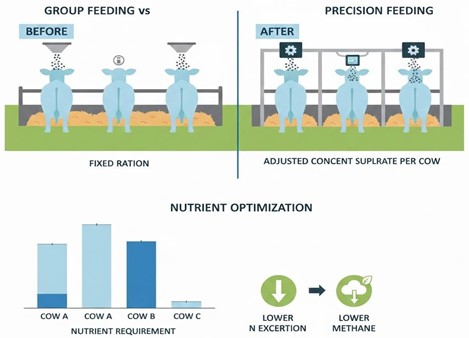
Figure 4. Herd-Based Feeding Versus Individualized Precision Nutrition: Comparison of conventional group feeding strategies with animal-specific nutrient allocation.
Environmental benefits of targeted feeding
From an environmental perspective, individualized feeding methods can lessen the variability in nitrogen and methane emissions among herds. By tailoring diets for animals that exhibit higher emission levels or poorer feed usage, producers can attain considerable environmental benefits without compromising productivity. This represents a significant synergy between economic and sustainability objectives through sustainable livestock production, achievable only through individualized nutritional management.
Veterinary medicine and health monitoring
The field of health management is being transformed by individualization. Historical herd health initiatives have depended on standardized vaccinations, blanket treatments, and overall population surveillance. While these methods have been successful in controlling major diseases, they typically overlook early, subclinical issues at the individual level.
Early disease detection through sensor data
Thanks to sensors, we can now continuously track vital signs and behaviors, enabling early disease detection before the appearance of clinical symptoms. Variations in rumination duration, activity levels, or feeding habits can indicate the beginning stages of conditions such as mastitis detection and prevention, metritis, or respiratory illnesses several days in advance of traditional detection methods (Stangaferro et al., 2016). Individualized monitoring facilitates focused interventions that can lower treatment expenses, minimize the use of antimicrobials, and enhance recovery outcomes (Figure 5).
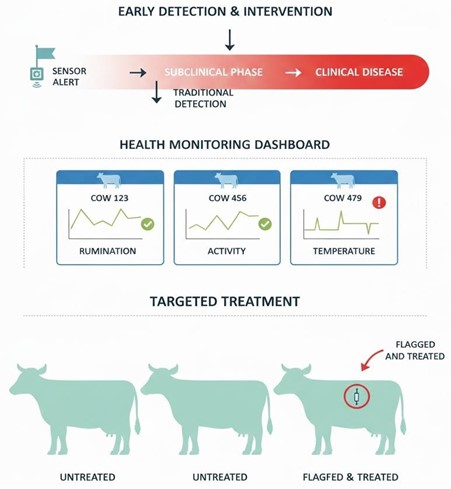
Figure 5. Sensor-Based Health Monitoring and Early Disease Detection: Using behavioral and physiological data to identify subclinical health disorders at the individual level.
Personalized treatment protocols
Additionally, the practice of veterinary medicine is shifting toward personalized therapeutic approaches. Tailoring the dosing of antimicrobials and anthelmintics according to each animal's weight and health condition increases effectiveness while decreasing the likelihood of resistance. The idea of creating "individualized health plans" is becoming more popular, taking into account the ongoing health progress of each animal throughout its life.
The evolving role of farm veterinarians
This change requires veterinarians to develop new competencies in interpreting data and providing decision support. Rather than relying exclusively on routine farm visits and clinical examinations, veterinarians are now engaging with continuous streams of digital health information, functioning as advisors who assist farmers in translating data into practical measures. This progression aligns animal health with the broad objectives of efficiency, welfare, and sustainability.
Reproductive management and genetics
Reproduction is crucial for the productivity of ruminants, and tailored management offers significant advantages in this area. The traditionally labor-intensive and error-prone process of estrus detection has been transformed by activity monitors and automated milking systems, which observe subtle behavioral changes.
Automated estrus detection systems
Figure 6 shows that these innovations enhance the precision of estrus detection and forecast optimal insemination periods, leading to improved conception rates and shorter calving intervals (Valenza et al., 2012). Modern cattle reproduction management systems can detect heat with over 90% accuracy, significantly improving breeding efficiency.
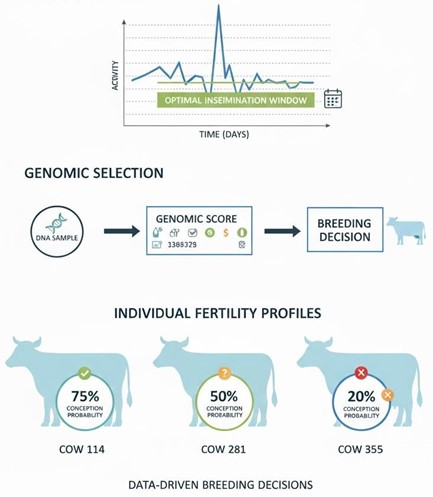
Figure 6. Individualized Reproductive Monitoring and Genomic Selection: Precision tools supporting animal-specific fertility management and genetic improvement.
Pregnancy monitoring technologies
Pregnancy monitoring is also becoming more personalized through the implementation of milk progesterone sensors, portable ultrasound technology, and metabolic profiling. These instruments enable the early identification of pregnancy loss or reproductive issues, allowing for timely responses. In small ruminants, electronic identification systems support the monitoring of fertility and lambing results at the individual ewe level, even within large flocks.
Genomic selection for individual animals
From a genetic perspective, genomic selection has allowed for the determination of breeding values with remarkable accuracy. By genotyping individual animals, breeders can select for not only traditional production traits but also for feed efficiency, disease resistance, and environmental sustainability. Utilizing genomic data on an individual basis speeds up genetic advancement and aligns breeding initiatives with the evolving understanding of efficiency in livestock production (Pryce & Daetwyler, 2012). Therefore, reproduction and genetics serve as potent areas where individualization boosts both short-term productivity and long-term herd enhancement.
Challenges of individualisation
Although it holds great potential, managing at the individual level encounters notable obstacles. Understanding and addressing these challenges is essential for widespread adoption across the livestock industry.
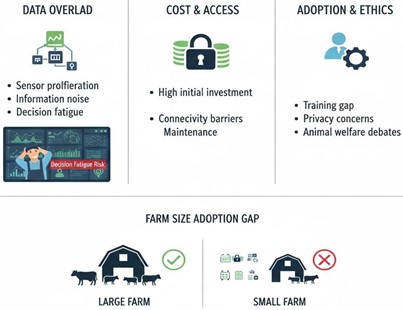
Figure 7. Practical and Ethical Challenges of Individual-Level Management: Key barriers related to data volume, cost, adoption, and ethical considerations.
Data overload and management
The first issue is data overload. Sensors and automated systems produce vast amounts of data, often at a rapid pace. Converting this raw information into useful insights demands advanced algorithms, robust data infrastructure, and intuitive user interfaces. For many farmers, navigating and interpreting these data flows can feel overwhelming without proper training and support systems.
Economic barriers to adoption
Economic challenges are also a significant concern. Precision technologies often require substantial initial investment, which can be a barrier for small and medium-sized producers. It is crucial to ensure that individual-level management remains accessible across various production systems to prevent increasing the technological gap between large operations and smaller farms.
Farmer training and mindset shifts
Another challenge is farmer adoption. Individualized management necessitates a change in mindset from focusing on averages to dealing with variability. Some producers may hesitate to embrace this transition, favoring traditional practices over innovative, data-driven methods. Education, demonstration projects, and extension services will be vital in fostering trust in these technologies.
Ethical considerations in animal monitoring
Ethical issues also come into play. The ongoing monitoring of animals raises concerns regarding privacy, autonomy, and the extent of automation in animal welfare. While there is consensus that these technologies can enhance welfare outcomes, it is essential to find the right balance between human oversight and digital monitoring.
System-level implications
Individualization does not abolish the herd—rather, it transforms it. By treating each cow, steer, or ewe as a distinct contributor, producers can create herds that are more robust, efficient, and sustainable. On a system level, this enables more accurate resource allocation, improved disease management, and enhanced genetic advancement (Figure 8).
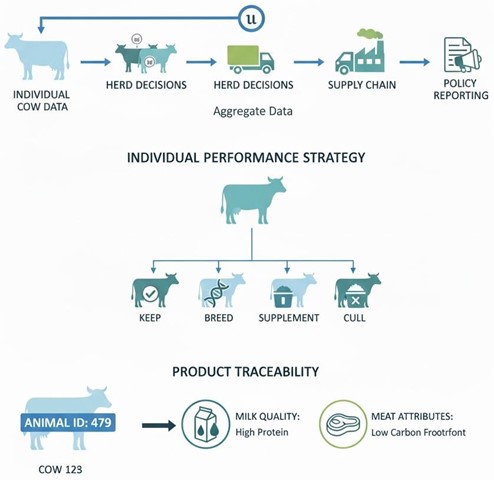
Figure 8. System-Level Impacts of Individualized Livestock Management: How animal-level data improves herd performance, supply-chain transparency, and sustainability reporting.
Herd optimization through individual data
For instance, culling decisions can be based on individualized lifetime productivity data instead of simple averages, ensuring that only the least productive animals are retired. Strategies for herd replacement can be refined by choosing heifers not only for their lineage but also for their proven efficiency and resilience characteristics. Likewise, environmental oversight can be improved by pinpointing high-emission individuals for specific dietary modifications.
Supply chain traceability
The effects also ripple through the supply chain. Milk processors and beef packers are increasingly investigating traceability systems that connect product quality to individual animals, creating fresh opportunities for transparency and value generation. This animal-to-product tracking enhances food safety and consumer confidence in livestock products.
Environmental sustainability reporting
At the policy level, data at the individual level could facilitate more precise sustainability reporting and adherence to environmental regulations. Therefore, although individualization starts with the animal, its consequences reverberate throughout herds, farms, supply chains, and entire agricultural systems.
Future outlook
Looking forward, the integration of genomics, precision nutrition, digital health, and artificial intelligence is advancing livestock production towards the notion of the "digital twin." This concept represents the next frontier in precision agriculture and individual animal management.
The digital twin concept
In this framework, each animal is depicted by a dynamic, data-oriented model that combines genetic, physiological, and environmental data (Figure 9). The digital twin can simulate responses to various interventions, enabling farmers to virtually assess management choices before implementing them in practice (Papakonstantinou et al., 2024).
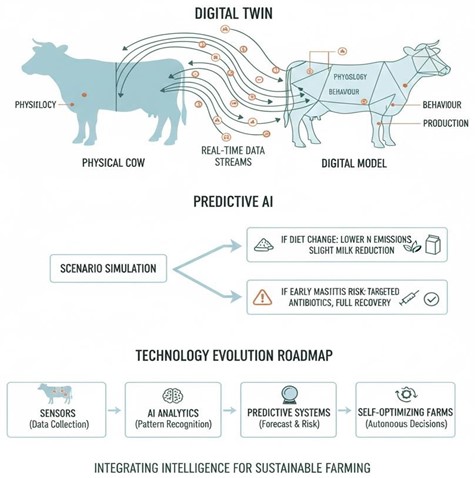
Figure 9. The Digital Twin Concept in Future Ruminant Production: Integrating genetics, nutrition, health, and environment into predictive animal-level models.
Artificial intelligence and predictive analytics
Artificial intelligence is set to become increasingly pivotal in converting raw sensor data into predictive insights. Machine learning algorithms can identify subtle patterns that may go unnoticed by humans, providing tailored recommendations for feeding, health, and reproduction. As these models improve, they will facilitate not just real-time monitoring but also proactive management by predicting issues before they arise.
Cultural transformation in livestock production
The ultimate goal is to create a livestock production system that treats each animal as a distinctive biological entity, optimized for both performance and well-being within sustainable food systems. Achieving this future necessitates not only technological advancements but also a cultural shift within the industry, as producers, veterinarians, and policymakers adapt to the transition from average herd metrics to the recognition of individual uniqueness.
Conclusion
The shift from managing livestock as a herd to focusing on individual animals signifies one of the most significant changes in the evolution of livestock production. Based on the biological differences within herds and supported by developments in precision livestock farming, genomics, and artificial intelligence, this change presents new possibilities for enhancing productivity, sustainability, and animal welfare.
In the context of ruminant production systems, the effects are especially profound. Tailored nutrition can minimize waste and emissions, individualized health monitoring can improve disease management, and bespoke reproduction and genetics can speed up herd advancement. However, it is essential to tackle challenges related to data management, economics, and adoption to guarantee that these advantages are available to all producers.
Ultimately, the shift from herd management to individual management is not about disregarding the herd but about enhancing it. By acknowledging and utilizing the distinctiveness of each animal, the industry can create systems that are more efficient, resilient, and better suited to meet societal and environmental demands. In this way, livestock production can take a significant leap toward a future where individuality is not a challenge to manage but a valuable resource to be utilized.
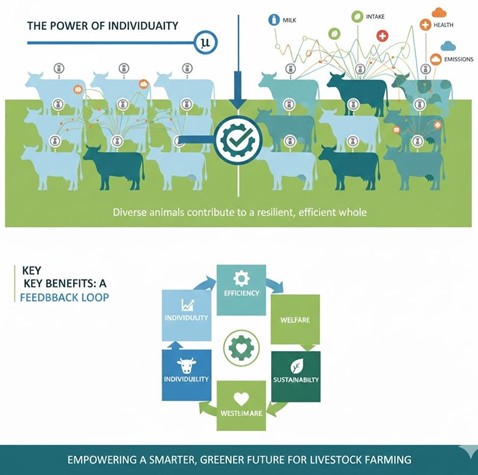
Figure 10. Individual Animals as Building Blocks of Sustainable Herds: Conceptual synthesis showing how individual optimisation strengthens overall system performance.
References
- Berry, D. P., & Crowley, J. J. (2013). Cell Biology Symposium: Genetics of feed efficiency in dairy and beef cattle. Journal of Animal Science.
- Difford, G. F., et al. (2018). Host genetics and the rumen microbiome jointly associate with methane emissions in dairy cows. PLOS Genetics.
- Halachmi, I., et al. (2019). Smart animal agriculture: Application of real-time sensors to improve animal well-being and production. Annual Review of Animal Biosciences.
- Mǎdescu, B. M., et al. (2019). Nutrigenomics, a new direction for dairy cows: a review. Scientific Papers: Animal Science Series (Lucrări Ştiinţifice – Seria Zootehnie).
- Papakonstantinou, G. I., et al. (2024). Precision livestock farming technology: Applications and challenges of animal welfare and climate change. Agriculture (MDPI).
- Pryce, J. E., & Daetwyler, H. D. (2012). Designing dairy cattle breeding schemes under genomic selection: a review of international research. Animal Production Science.
- Rutten, C. J., et al. (2013). Invited review: Sensors to support health management on dairy farms. Journal of Dairy Science.
- Siachos, N., et al. (2024). Automated dairy cattle lameness detection utilizing the power of artificial intelligence: current status quo and future research opportunities. The Veterinary Journal.
- Stangaferro, M. L., et al. (2016). Use of rumination and activity monitoring for the identification of dairy cows with health disorders: Part I. Metabolic and digestive disorders. Journal of Dairy Science.
- Valenza, A., et al. (2012). Assessment of an accelerometer system for detection of estrus and treatment with gonadotropin-releasing hormone at the time of insemination in lactating dairy cows. Journal of Dairy Science.