Introduction
The poultry industry plays a vital role in global food security, providing a cost-effective source of high-quality protein. However, challenges such as disease outbreaks, antibiotic resistance, and the need for sustainable growth promoters have driven research toward alternative strategies to enhance poultry health and productivity (Cao et al., 2024). Among these, in ovo intervention, administering bioactive compounds directly into developing embryos (Figure 1), has emerged as a promising approach to improve hatchability, growth performance, and gut health while reducing reliance on antibiotics (Saeed et al., 2019; Arain et al., 2022).
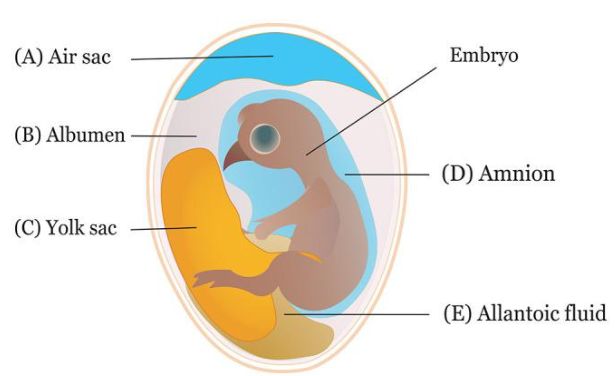
Figure 1. The sites for in ovo inoculation include the following: (A) air sac, (B) albumen, (C) yolk sac, (D) amnion, and (E) allantoic fluid. Adapted from Das et al. (2021)
Plant extracts and probiotics have gained attention for their natural growth-promoting, immunostimulatory, and antioxidant properties (Figure 2). Studies have demonstrated that in ovo delivery of plant extracts, such as soursop leaf, cinnamon, and garlic, enhances chick weight, feed efficiency, and intestinal development without compromising hatchability (El-Kholy et al., 2021; Mahjar & Al-Salhie, 2022). Similarly, probiotics administered in ovo promote early gut microbiota colonization, improving nutrient absorption and immune function (Abdel-Moneim et al., 2020; Castañeda et al., 2020). These interventions align with the growing demand for antibiotic-free poultry production while addressing post-hatch stressors that impair growth and survival (Hofacre et al., 2018).
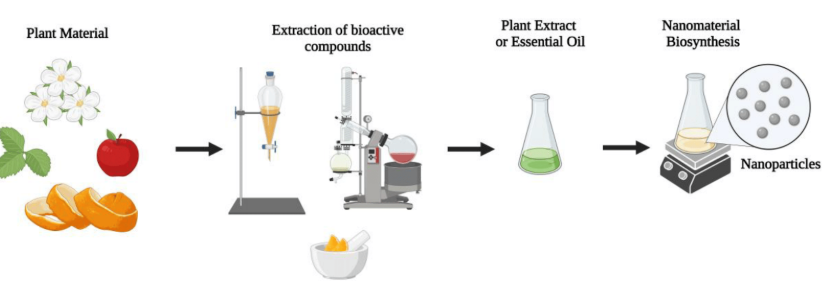
Figure 2. Plant parts like flowers, fruits, and leaves can be used to prepare extracts or oils, which contain beneficial compounds for herbal remedies, cosmetics, and aromatherapy. Adapted from Antunes Filho et al. (2023)
Despite these advances, variability in outcomes due to differences in injection timing, dosage, and compound interactions highlights the need for optimized protocols (Kadam et al., 2013; Das et al., 2021). This revew evaluates the effects of in ovo treatment with selected plant extracts and probiotics on hatchability, growth performance, and gut health in broilers.
Plant Extracts: A Natural Boost for Poultry Performance
Plant-derived bioactive compounds have shown promising results when administered in ovo (Figure 3). For instance, soursop leaf extract (SLE) improved chick weight, feed conversion ratio (FCR), and intestinal villi development without affecting hatchability. Similarly, cinnamon, thyme, and clove extracts enhanced body weight, immunoglobulin levels (IgG, IgM), and antioxidant activity in broilers (El-Kholy et al., 2021).
Aloe vera and garlic extracts also demonstrated benefits, with aloe vera improving hatchability and reducing embryonic deformities (Sulaiman & Al-Gharawi, 2025), while garlic enhanced hatchability without adverse effects on liver enzymes (Mahjar & Al-Salhie, 2022). These findings suggest that plant extracts can serve as safe, natural alternatives to synthetic growth promoters.
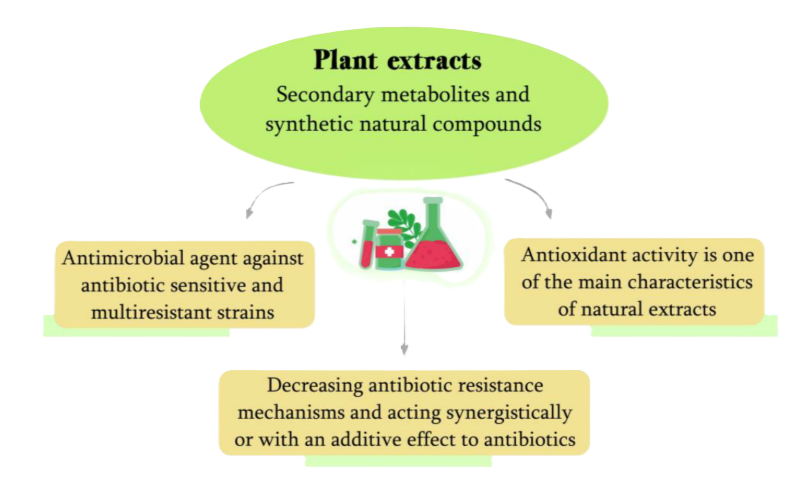
Figure 3. Plant extracts exhibit a wide range of biological activities due to their rich composition of bioactive compounds. Adapted from Antunes Filho et al. (2023)
Effects of Probiotics on Gut Health and Immunity
In ovo probiotic administration promotes early colonization of beneficial gut bacteria, improving nutrient absorption and immune function (Figure 4). Studies show that Enterococcus faecium and Bifidobacterium strains enhance growth performance and FCR (Abdel-Moneim et al., 2020; Castañeda et al., 2020). Probiotics also improve gut morphology by increasing villus height and reducing harmful bacteria like E. coli (Wishna-Kadawarage et al., 2024). Additionally, probiotics such as Lactiplantibacillus plantarum upregulate immune-related genes and antioxidant defenses (Mangan et al., 2025), providing long-term health benefits without compromising hatchability (Oladokun et al., 2021).
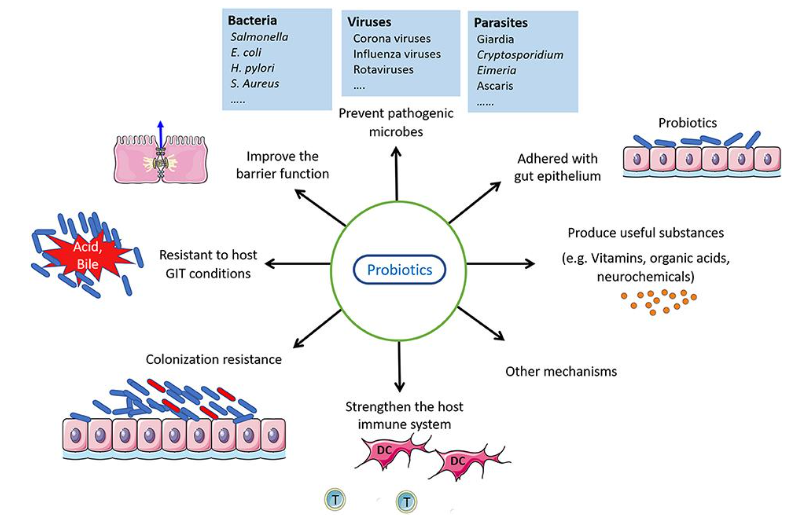
Figure 4. Probiotics are live microorganisms, primarily bacteria and yeasts, that confer health benefits when administered in adequate amounts. Adapted from Raheem et al. (2021)
Nutritional Enhancements Through In Ovo Feeding
Beyond probiotics and phytogenics, in ovo delivery of nutrients like threonine and glutamine enhances growth, carcass quality, and gut development (Salmanzadeh et al., 2016). This method also improves intestinal barrier function by modulating mucin and tight junction protein expression (Gao et al., 2018). In ovo vaccination, another key application, ensures early immune protection against pathogens like Marek’s disease, reducing labor costs compared to post-hatch vaccination (Sharma & Burmester, 1982).
Productivity and Hatchability
In ovo probiotic treatments generally do not negatively impact hatchability. Studies have shown that hatchability remains unaffected by probiotic injections, while some concentrations of probiotics can improve live performance and intestinal morphology (Castañeda et al., 2020; Oladokun et al., 2021). Probiotic treatments have been associated with increased productivity indices, such as higher body weight gain and improved feed efficiency, without compromising hatch performance (Oladokun et al., 2021).
In ovo feeding has the potential to improve post-hatch growth, immune responses, and antioxidant defense, as well as the development of the gastrointestinal tract, thereby enhancing the productive performance of poultry birds (Ebeid et al., 2023). The poultry industry has witnessed substantial achievements in breeding, precision feeding, and welfare farming, but challenges such as antibiotic alternatives, feed safety management, and environmental pollution remain pressing concerns (Cao et al., 2024). Despite its advantages, in ovo intervention efficacy depends on precise dosing, injection timing, and compound combinations (Kadam et al., 2013).
Challenges and Limitations Associated with In Ovo Feeding in Poultry
The route, dose, method, and time of in ovo injection, as well as host factors, can cause variation and inconsistencies in results, highlighting the need for precise knowledge of the proper injection parameters and effective combination of different compounds (Kadam et al., 2013). The limitations associated with embryo development and nutrient metabolism are important considerations for the future role of in ovo feeding in the poultry industry (Das et al., 2021). Research is ongoing to determine the most effective combinations of nutrients and bioactive compounds for maximizing benefits (Saeed et al., 2019; Wishna-Kadawarage et al., 2024).
Conclusion
In ovo treatments—whether using plant extracts, probiotics, or nutrients—offer a sustainable way to enhance poultry health, growth, and productivity. In ovo treatment with plant extracts such as soursop leaf, cinnamon, thyme, clove, aloe vera, garlic, Manihot esculenta, and grape pomace has demonstrated significant benefits in improving growth performance, hatchability, physiological responses, and overall health of chickens (El-Kholy et al., 2021; Madkour et al., 2024). These treatments are generally safe and can enhance poultry's productivity and health status, making them a promising alternative to synthetic additives and antibiotics in poultry production. By improving gut health, immunity, and feed efficiency, these methods may reduce reliance on antibiotics while supporting animal welfare and economic viability. Further refinement of administration techniques will maximize their potential, benefiting both farmers and the poultry industry at large.
References
- Abdel-Moneim, A.-M. E., Elbaz, A. M., Khidr, R. E.-S., & Badri, F. B. (2020). Effect of in ovo inoculation of Bifidobacterium spp. on growth performance, thyroid activity, ileum histomorphometry, and microbial enumeration of broilers. Probiotics and Antimicrobial Proteins, 12(3), 873-882.
- Arain, M. A., Nabi, F., Marghazani, I. B., Hassan, F. U., Soomro, H., Kalhoro, H., Soomro, F., & Buzdar, J. A. (2022). In ovo delivery of nutraceuticals improves health status and production performance of poultry birds: a review. World's Poultry Science Journal, 78(3), 765-788.
- Castañeda, C. D., Dittoe, D. K., Wamsley, K. G. S., McDaniel, C. D., Blanch, A., Sandvang, D., & Kiess, A. S. (2020). In ovo inoculation of an Enterococcus faecium–based product to enhance broiler hatchability, live performance, and intestinal morphology. Poultry Science, 99(11), 6163-6172.
- Cao, K.-X., Deng, Z.-C., Li, S.-J., Yi, D., He, X., Yang, X.-J., Guo, Y.-M., & Sun, L.-H. (2024). Poultry nutrition: Achievement, challenge, and strategy. Journal of Nutrition, 154(12), 3554-3565.
- Das, R., Mishra, P., & Jha, R. (2021). In ovo feeding as a tool for improving performance and gut health of poultry: A review. Frontiers in Veterinary Science, 8, Article 754246.
- El-Kholy, K. H., Sarhan, D. M., & El-Said, E. A. (2021). Effect of in-ovo Injection of herbal extracts on post-hatch performance, immunological, and physiological responses of broiler chickens. Journal of World's Poultry Research, 11(2), 183-192.
- Ebeid, T. A., Ketta, M., Al-Homidan, I. H., Barakat, H., & Abdel-Moneim, A.-M. E. (2023). In ovo feeding of nutraceuticals and its role in adjusting the gastrointestinal tract, antioxidative properties, immunological response, and performance in poultry: An updated review. Czech Journal of Animal Science, 68(1), 1-16.
- Gao, C. Q., Shi, H. Q., Xie, W. Y., Zhao, L. H., Zhang, J. Y., Ji, C., & Ma, Q. G. (2021). Dietary supplementation with acidifiers improves the growth performance, meat quality and intestinal health of broiler chickens. Animal Nutrition, 7(3), 762-769.
- Hofacre, C. L., Smith, J. A., & Mathis, G. F. (2018). An optimist's view on limiting necrotic enteritis and maintaining broiler gut health and performance in today's marketing, food safety, and regulatory climate. Poultry Science, 97(6), 1929-1933.
- Kadam, M. M., Barekatain, M. R., K Bhanja, S., & Iji, P. A. (2013). Prospects of in ovo feeding and nutrient supplementation for poultry: The science and commercial applications-a review. Journal of the Science of Food and Agriculture, 93(15), 3654-3661.
- Mahjar, N. T., & Al-Salhie, K. C. (2022). The effects of In ovo injection of Garlic (Allium sativum L.) extract on hatchability, liver enzymes and antioxidant status of broiler chickens. Basrah Journal of Agricultural Sciences, 35(1), 61-70.
- Madkour, M., Abdel-Fattah, S. A., Ali, S. I., Ali, N. G., Shourrap, M., Hosny, M., & Elolimy, A. A. (2024). Impact of in ovo feeding of grape pomace extract on the growth performance, antioxidant status, and immune response of hatched broilers. Poultry Science, 103(8), 103914.
- Oladokun, S., Koehler, A., MacIsaac, J., Ibeagha-Awemu, E. M., & Adewole, D. I. (2021). Bacillus subtilis delivery route: effect on growth performance, intestinal morphology, cecal short-chain fatty acid concentration, and cecal microbiota in broiler chickens. Poultry Science, 100(3), Article 100809.
- Saeed, M., Babazadeh, D., Naveed, M., Alagawany, M., Abd El-Hack, M. E., Arain, M. A., Tiwari, R., Sachan, S., Karthik, K., Dhama, K., Elnesr, S. S., & Chao, S. (2019). In ovo delivery of various biological supplements, vaccines and drugs in poultry: current knowledge. Journal of the Science of Food and Agriculture, 99(8), 3727-3739.
- Salmanzadeh, M., Ebrahimnezhad, Y., Aghdam Shahryar, H., & Ghiasi Ghaleh-Kandi, J. (2016). The effects of in ovo feeding of glutamine in broiler breeder eggs on hatchability, development of the gastrointestinal tract, growth performance and carcass characteristics of broiler chickens. Archives Animal Breeding, 59(2), 235-242.
- Sharma, J. M., & Burmester, B. R. (1982). Resistance of Marek's disease at hatching in chickens vaccinated as embryos with the turkey herpesvirus. Avian diseases, 134-149.
- Wishna-Kadawarage, R. N., Połtowicz, K., Dankowiakowska, A., Hickey, R. M., & Siwek, M. (2024). Prophybiotics for in-ovo stimulation; validation of effects on gut health and production of broiler chickens. Poultry Science, 103(4), Article 103512.