
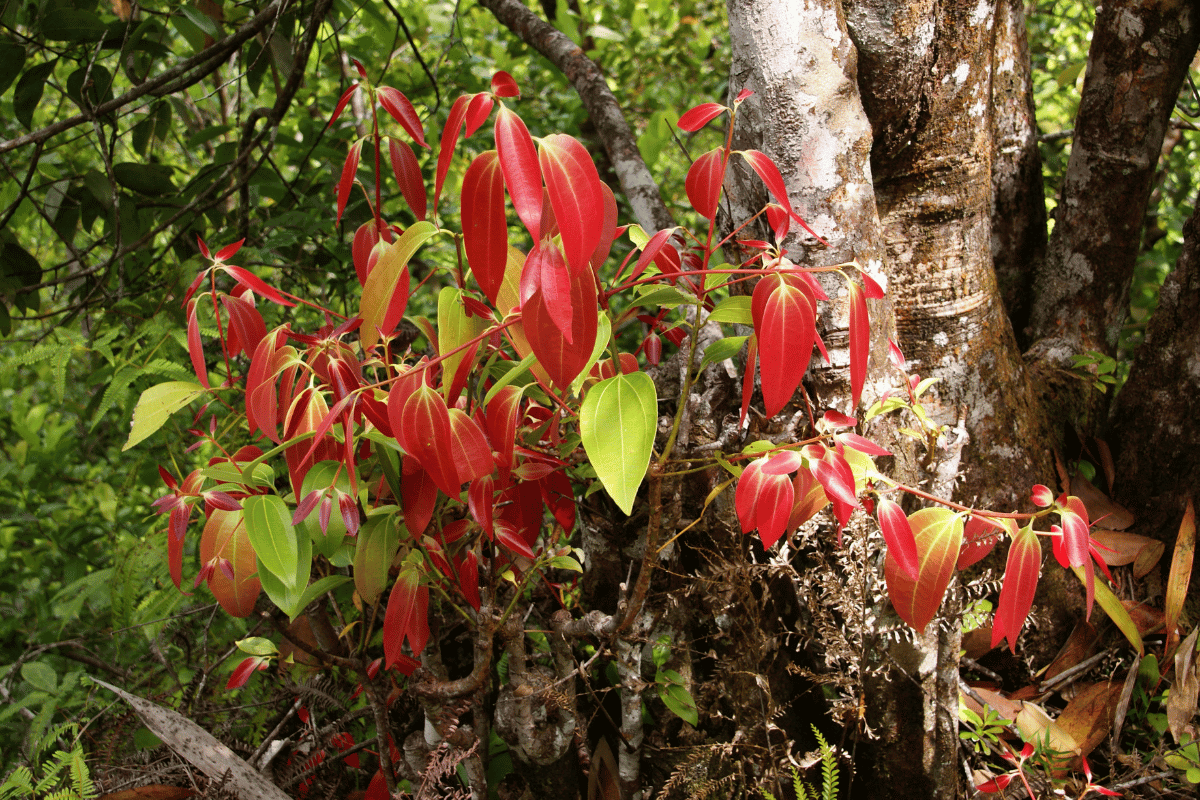
Introduction to Cinnamon Cultivation
Cinnamon, a member of the Lauraceae family, is a tropical evergreen tree cultivated for its aromatic bark. It ranks as the second most important spice in European and North American markets after black pepper, holding significant economic and cultural value. Major producers include Indonesia, China, Vietnam, and Sri Lanka, with the latter being the sole producer of Cinnamomum zeylanicum (true cinnamon). Madagascar and Seychelles also contribute to true cinnamon production.
True cinnamon is lighter in color, softer, and sweeter compared to cassia, which is coarser and has a stronger flavor. Various parts of the cinnamon tree are valued for culinary, medicinal, and aromatic uses.
Types and Importance
The global cinnamon market is dominated by two types:
-
True Cinnamon (Ceylon Cinnamon)
Derived from Cinnamomum zeylanicum Blume (syn. C. verum) which is primarily grown in Sri Lanka, Madagascar, and Seychelles. Besides cinnamaldehyde (50–75%), the main compounds (with 4–9% abundance) in C. zeylanicum bark oil are linalool, β-caryophyllene, 1,8-cineole and cinnamyl acetate. It features thin, papery bark that rolls into multiple layers when dried, making it easy to grind and renowned for its mild, sweet flavor, ideal for desserts and spice blends.
- Cassia Cinnamon
Sourced mainly from C. cassia (China and Vietnam) and C. burmannii (Indonesia), which is characterized by dark brown-red, thicker bark with a rough texture and rich in cinnamaldehyde (50–75%), imparting a strong, spicy flavor, preferred for robust dishes. Other compounds like linalool, cinnamyl acetate, and benzaldehyde enhance its medicinal and aromatic properties.
Cassia and Ceylon cinnamon are processed differently, with distinct differences in the final product: cassia delivers a more intense flavor, while Ceylon cinnamon offers a delicate, refined profile, making it highly prized in gourmet markets.
Cinnamon Climatic and Soil Requirements
Cinnamon thrives in tropical climates with:
- Rainfall: 1750–3500 mm (68-138 inches)annually.
- Temperature: 25–32°C (77-89.6°F), with reduced growth at higher altitudes due to frequent cloud cover.
- Sunlight: Bright sunlight is essential for healthy growth, though seedlings require temporary shade to avoid scorching of tender leaves, particularly when they are purple in color.
Prolonged dry periods are unsuitable; supplementary irrigation can enable cultivation in drier zones. Wind generally does not hinder growth; however, strong gusts in high-altitude areas may damage branches, necessitating the establishment of windbreaks.
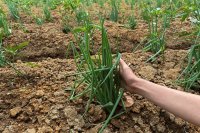
- Optimal Soil Types: Red Yellow Podzolic (RYP), Reddish Brown Latosols (RBL), and Immature Brown Loam (IBL) are the most suitable.
- pH: 5.5–6.5. In acidic soils, dolomite application corrects pH levels.
- Depth: Cinnamon requires well-drained soils with a depth of at least 1 m (39.55 inches) to support its deep-root system.
- Texture: White sandy soils produce premium-quality cinnamon.
Shallow, rocky, or ill-drained soils hinder root development and bark quality, making them unsuitable for commercial cultivation.
Planting Cinnamon
Cinnamon can be propagated by both seeds and cuttings.
Propagation by Seeds:
- Seed Selection: Use seeds from healthy mother plants with traits like erect growth, high yield, and pest resistance.
- Seed preparation: Ripe fruits should be kept under shade for 1–2 days to soften the pericarp. Pulp is removed, and seeds are washed thoroughly. Fresh seeds must be sown immediately, as viability decreases by 40–60% within 4 weeks and completely deteriorates in 6–8 weeks.
- Seed Treatment: You may need to treat seeds with a fungicide solution and air-dry them for 5–7 days. When stored in sealed cellophane bags at 80% relative humidity, seed viability can be extended up to 4–6 months. Always follow the manufacturer's instructions, safety guidelines, and local regulations when using fungicides, and wear appropriate personal protective equipment (PPE) to ensure safe handling.
Propagation by Cuttings and Air-Layering:
Semi-hardwood cuttings treated with IBA (2000 ppm) or IAA (2000 ppm) achieve rooting success rates of over 65%. Cuttings should be planted in polythene bags with a potting mix and covered with transparent polythene to create a propagator. Plants are ready for field transfer after 6–8 months.
Field Planting
Transplant seedlings aged 6–8 months into 30 cm³ planting holes enriched with rock phosphate for strong root development. For high bark yields, plant densely (17,500 plants/ha or 7085 plants/ac, with each bush occupying around 0.57 square meters) or intercrop with rubber for better soil retention and organic matter buildup.
Cinnamon Crop Management
Nurseries should be prepared before the fruiting season to mitigate rapid seed viability loss. Throughout early nursery time, there should be enough sunlight and space for shade. Additionally, elements like clean water availability, proper drainage, site hygiene, and convenient access for logistics and after-care operations are crucial. Use potting mixtures of topsoil, sand, coir dust, and cow dung for optimal growth.
Maintain plants at a height of 2.5–3.0 m (98-118 inches) to optimize bark thickness and peeling quality. Side branches should be removed in the lower half of bushes to enhance straight growth and cinnamaldehyde concentration in bark oil. Regular watering during dry spells ensures sustained growth and bark quality, especially during harvest.
Harvesting and Processing
Begin harvesting after three years when stems reach 3–5 cm (1.18 - 1.96 inches) in diameter. Cut stems at a 45° angle near the base to allow regrowth, with two yearly harvests. Peak yield is attained between 8–10 years and sustained up to 50 years under good management.
Peeling involves removing the outer bark and detaching the inner bark to form quills. Before harvesting cinnamon, peelers randomly select a few bushes and open a slit in the bark to see if the bark is peelable. This labor-intensive process requires skilled workers and specific tools like brass rods to loosen the bark. Evaluating the physical quality of the stems (roughness and maturity) is important for proper scraping. The hardest part of processing cinnamon is rubbing, which makes the bark more pliable so it can separate from the stem's core. Proper drying (4–7 days) enhances quill quality. Quills are graded based on diameter, uniformity, and appearance, with defects like "foxing" (reddish-brown patches) affecting market value.
Cinnamon Market Insights
Cinnamon is a versatile spice used in food, pharmaceuticals, nutraceuticals, and cosmetics. True cinnamon's mild flavor and anti-microbial properties make it desirable in high-end markets. Cassia oils, rich in cinnamaldehyde and eugenol, are valued for their medicinal and insecticidal properties.
Sustainability
Composting cinnamon leaves enhances soil potassium levels, benefiting other crops like coconut. The development of natural pesticides and medicinal products using cinnamon compounds ensures environmental sustainability.
References
- Pathirana, R.; Senaratne, R. An introduction to Sri Lanka and its cinnamon industry. In Springer eBooks; 2020; pp 1–38. An Introduction to Sri Lanka and Its Cinnamon Industry.
- Suriyagoda, L.; Mohotti, A. J.; Vidanarachchi, J. K.; Kodithuwakku, S. P.; Chathurika, M.; Bandaranayake, P. C. G.; Hetherington, A. M.; Beneragama, C. K. “Ceylon cinnamon”: Much more than just a spice. Plants People Planet 2021, 3 (4), 319–336. “Ceylon cinnamon”: Much more than just a spice.
- Cinnamon Cultivation – gov.lk