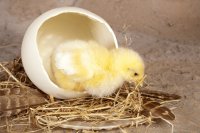
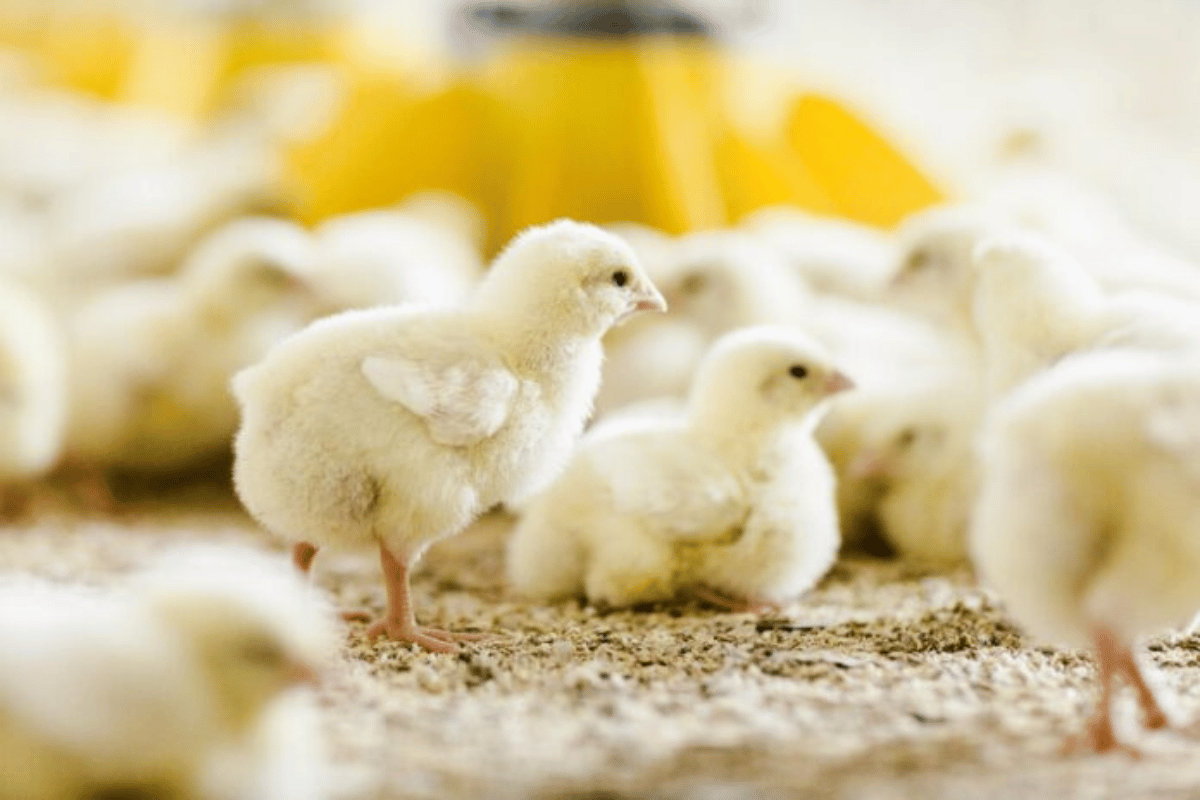
The Critical Role of Fertility and Hatchability in Poultry Production
The poultry industry relies on the consistent production of day-old chicks to sustain commercial egg and meat supplies. Fertility (the proportion of eggs capable of developing embryos) and hatchability (the percentage of fertile eggs that successfully hatch) are pivotal for maintaining efficient hatchery operations. These metrics are influenced by genetic factors, storage conditions, and breeder management. For ISA Brown grandparent stock, which supplies parent stock (PS) for commercial layers, even minor declines in fertility or hatchability can disrupt the entire supply chain.
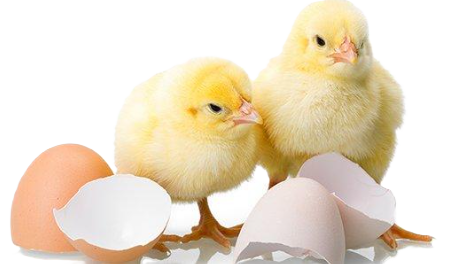
Source: Considerations Better Hatchability
Genetic Line Differences: Female-Line vs. Male-Line Performance
In poultry breeding, female lines are selected for reproductive efficiency, while male lines prioritize growth and feed conversion. This genetic divergence impacts egg quality and embryo viability. Studies report that eggs from male-line hens exhibit lower fertility and hatchability under stress, such as prolonged storage (Allanah et al., 2014; Islam et al., 2010). For example, Islam et al. (2010) found that broiler parent stocks selected for growth traits had 5–10% lower hatchability than female lines optimized for reproduction. This disparity arises from differences in egg composition, such as yolk nutrient density and shell integrity, which affect embryonic survival (Brillard, 2003). Female-line eggs often have thicker shells and higher albumen viscosity, protecting embryos during storage (Nasri et al., 2020).
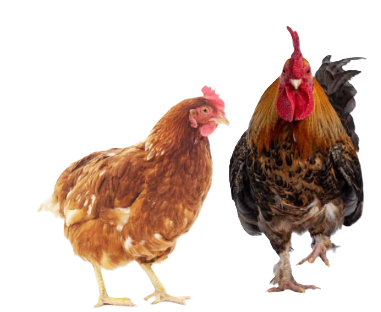
Source: Chicken vs Hen Whats the Difference
Egg Storage Duration: Balancing Logistics and Embryo Health
Egg storage is unavoidable in hatcheries but poses risks when extended beyond 7 days. Prolonged storage increases albumen pH, weakens the vitelline membrane, and accelerates water loss, leading to early embryo mortality (Brake et al., 1997; Adriaensen et al., 2022). For instance, eggs stored for 14 days showed a 15% decline in hatchability compared to those stored for 3–5 days (Tona et al., 2003). The degradation of ovomucin-lysozyme complexes in the albumen further reduces its antimicrobial properties, leaving embryos vulnerable to bacterial contamination (Hurnik et al., 1978). Male-line eggs are disproportionately affected, as their thinner shells and larger pores exacerbate moisture loss (Nasri et al., 2020).
Physiological Impacts of Storage on Embryos
Extended storage delays the onset of incubation and prolongs the hatch window. Abioja et al. (2021) observed that eggs stored for 16 days required 65 additional minutes to achieve 95% hatch compared to those stored for 4 days. This delay correlates with reduced chick quality, including weaker legs and smaller organ sizes (Abioja et al., 2022). Male-line embryos, already compromised by genetic selection for growth, show higher mortality rates during the critical first 48 hours of incubation.
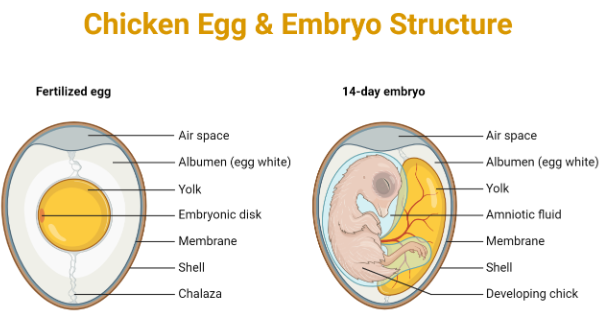
Source: Chicken Egg and Embryo Structure
Practical Strategies to Mitigate Storage-Related Losses
- Optimal Storage Conditions: Maintain temperatures at 15–18°C and relative humidity at 70–75% to slow metabolic changes (Meijerhof, 1992).
- Limit Storage Duration: Aim to incubate eggs within 7 days of laying, as hatchability declines by 0.5–1.5% per additional day (Abioja et al., 2021).
- Gradual Prewarming: Gradually raise egg temperatures to 25°C before incubation to reactivate dormant embryos and synchronize hatching (Okur & Eratalar, 2021).
- Nutritional Interventions: Supplement breeder diets with antioxidants like vitamin E and selenium to enhance sperm quality and embryo resilience (Ahmad, 2019).
Future Research Directions
While current studies highlight the vulnerability of male-line eggs, future research should:
- Identify genetic markers linked to storage resilience.
- Develop line-specific storage protocols for grandparent stock.
- Explore novel egg coatings or storage technologies to prolong viability.
Conclusion
Genetic line and storage practices profoundly influence hatchability in ISA Brown grandparent stock. Female-line eggs outperform male-line eggs under stress, emphasizing the need for tailored management. Hatcheries can mitigate losses and ensure sustainable chick production by optimizing storage conditions and prioritizing female-line reproduction.
References
- Abioja, M. O., Abiona, J. A., Akinjute, O. F., & Ojoawo, H. T. (2021). Effect of storage duration on egg quality, embryo mortality and hatchability in FUNAAB-ɑ chickens. Journal of animal physiology and animal nutrition, 105(4), 715–724.
- Abioja, M. O., Abiona, J. A., Akinjute, O. F., Ojoawo, H. T., Adebowale, V. A., Oni, B., & Omotara, P. O. (2022). Research Note: Effect of egg storage length on spread of hatch window, chick quality, and organ development in Transylvanian naked neck chickens. Poultry science, 101(6), 101834.
- Adriaensen, H., Parasote, V., Castilla, I., Bernardet, N., Halgrain, M., Lecompte, F., & Réhault-Godbert, S. (2022). How Egg Storage Duration Prior to Incubation Impairs Egg Quality and Chicken Embryonic Development: Contribution of Imaging Technologies. Frontiers in physiology, 13, 902154.
- Ahmad, M. (2019). Management factors for breeding stock. The Poultry Punch.
- Allanah, T. O., Okonkwo, J. C., & Omeje, S. I. (2014). Fertility and hatchability characterization of three strains of egg type chickens.
- Brake, J., Walsh, T. J., Benton Jr, C. E., Petitte, J. N., Meijerhof, R., & Penalva, G. (1997). Egg handling and storage. Poultry Science, 76(1), 144-151.
- Brillard, J. P. (2003). Practical aspects of fertility in poultry. World's Poultry Science Journal, 59(4), 441-446.
- Hurnik, G. I., Reinhart, B. S., & Hurnik, J. F. (1978). Relationship between albumen quality and hatchability in fresh and stored hatching eggs. Poultry science, 57(4), 854-857. Relationship between Albumen Quality and Hatchability in Fresh and Stored Hatching Eggs — Poultry Science
- Islam, F., Bulbul, S. M., & Islam, M. A. (2007). Comparative egg production, fertility and hatchability of Cobb-500, Ross and Hubbard-Hi-Yield broiler parent stock in Bangladesh. The Agriculturists, 131-140.
- Meijerhof, R. (1992). Pre-incubation holding of hatching eggs. World’s Poultry Science Journal, 48(1), 57-68.
- Nasri, H., van den Brand, H., Najjar, T., & Bouzouaia, M. (2020). Egg storage and breeder age impact on egg quality and embryo development. Journal of animal physiology and animal nutrition, 104(1), 257–268.
- Okur, N., & Eratalar, S. A. (2021). Effects of ventilation programme and eggshell thickness on hatchability rate and hatching time of broiler eggs. South African Journal of Animal Science, 51(2), 205-211.
- Tona, K., Bamelis, F., De Ketelaere, B., Bruggeman, V., Moraes, V. M., Buyse, J., Onagbesan, O., & Decuypere, E. (2003). Effects of egg storage time on spread of hatch, chick quality, and chick juvenile growth. Poultry science, 82(5), 736–741.