Introduction
The Sustainability Challenge in Livestock Feeding
Global agricultural systems face the challenge of sustainably feeding growing populations while minimizing environmental impact and reducing production costs (Blasi et al., 2024). A significant opportunity lies in valorizing agro-industrial by-products, transforming waste materials into valuable resources for livestock (Mena et al., 2025; Horodincu et al., 2025).
What is Grape Pomace?
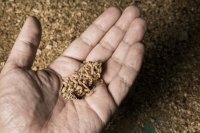
Grape pomace (GP), the primary residue from winemaking consisting of skins, seeds, and pulp, is produced in large quantities worldwide (Yu et al., 2013; Vieira et al., 2022), often posing environmental disposal problems (Vieira et al., 2022; Hasanzadeh et al., 2023; Blasi et al., 2024). Utilizing GP in animal feed offers a promising solution to these challenges (Vieira et al., 2022; Blasi et al., 2024; Horodincu et al., 2025), promoting a circular economy and reducing waste management expenses (Blasi et al., 2024). Grape pomace is rich in various bioactive compounds, including polyphenols (such as tannins and anthocyanins), dietary fibers, and fatty acids, which possess natural antioxidant, anti-inflammatory, and antimicrobial properties (Vieira et al., 2022; Horodincu et al., 2025, Mena et al., 2025).
Research Highlights and Applications in Sheep Diets
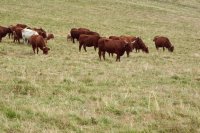
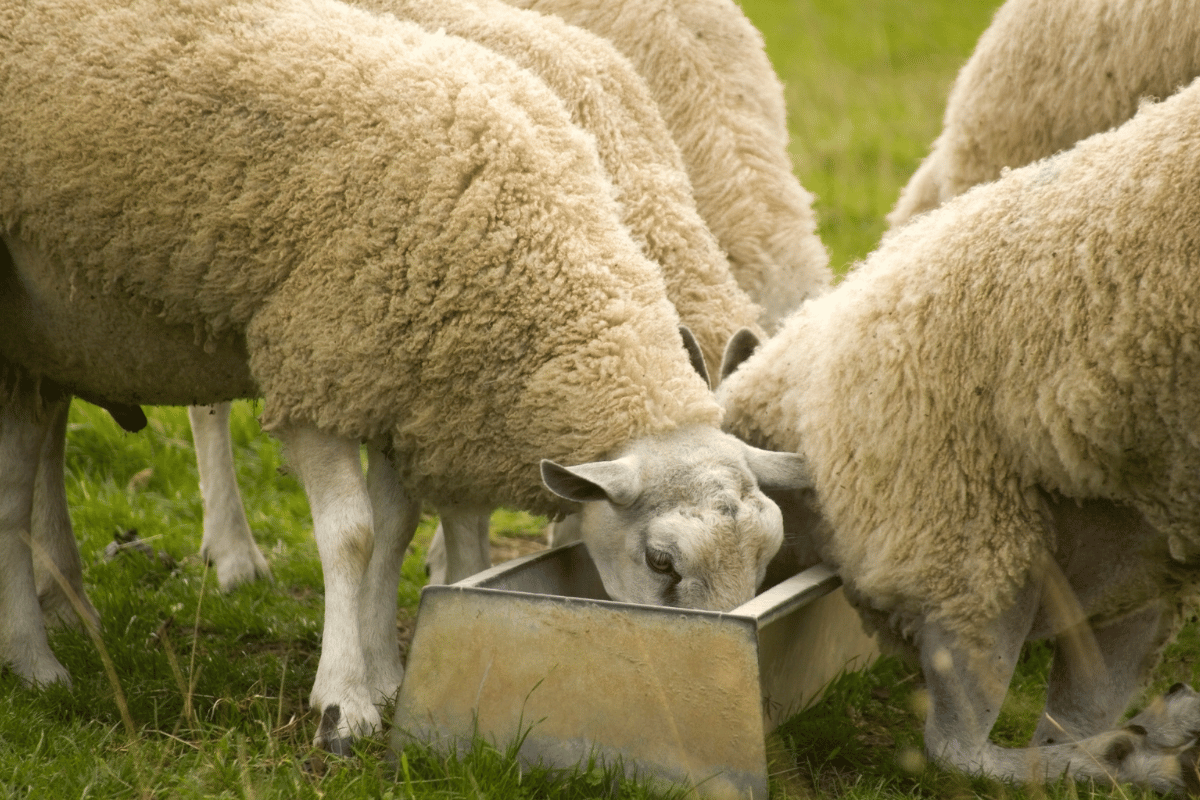
Consequently, there is growing interest in incorporating this readily available and cost-effective by-product into livestock diets, particularly for ruminants like sheep, which can effectively utilize high-fiber feeds (Abarghuei et al., 2010, Chikwanha et al., 2019). Research on feeding GP to sheep has explored its influence on ruminal fermentation (Abarghuei et al., 2010, Guerra-Rivas et al., 2017, Zhao et al., 2018; Hasanzadeh et al., 2023; Khiaosa-ard et al., 2023), nutrient digestibility and utilization (Chikwanha et al., 2019, Hasanzadeh et al., 2023), growth performance (Zhao et al., 2018; Chikwanha et al., 2019), meat quality (Chikwanha et al., 2019), antioxidant status and gut health (Kafantaris et al., 2017, Hasanzadeh et al., 2023), and even mitigation of internal parasites (Mena et al., 2025).
While some studies indicate that high levels of certain GP components, like tannins and fiber, can potentially negatively impact nutrient digestion and intake (Abarghuei et al., 2010, Hasanzadeh et al., 2023), overall findings suggest that strategic inclusion of GP in sheep diets, sometimes coupled with processing methods like drying or fermentation (Chikwanha et al., 2018, Hasanzadeh et al., 2023), can offer significant benefits, including improved nitrogen utilization (Khiaosa-ard et al., 2023), enhanced antioxidant status (Kafantaris et al., 2017), and potential reductions in parasite burden (Mena et al., 2025) and methane emissions (Moate et al., 2014, Hasanzadeh et al., 2023). This body of work highlights GP as a viable and beneficial feedstuff, contributing to more sustainable and potentially profitable sheep production.
This review aims to synthesize key findings from existing studies concerning the impact of including grape pomace (GP) in the diets of different categories of sheep, including lambs, rams, and ewes. It also compiles results on areas such as nutrient digestibility and utilization, ruminal fermentation characteristics, growth performance, carcass and meat quality traits, and oxidative stability. Furthermore. The review also points out the current state of research, including reported contradictions and areas requiring further investigation.
Growth Performance and Feed Efficiency
The inclusion of grape pomace in sheep and lamb diets has demonstrated variable impacts on growth performance, with outcomes dependent on inclusion levels and dietary composition. Studies indicate that moderate incorporation can enhance productivity without compromising animal health. For instance, Chikwanha et al. (2018) found that Dohne Merino lambs fed finisher diets containing up to 20% grape pomace maintained comparable growth performance, feed intake, and average daily gain (ADG) to control groups, suggesting its viability as a feed ingredient at higher inclusion rates.
Similarly, Zhao et al. (2018) observed that ram lambs supplemented with 5–10% dried red grape pomace exhibited higher final body weights and improved feed efficiency, potentially due to the fiber content stimulating rumen microbial activity. These benefits were further supported by Hassan et al. (2020), who reported a 12% increase in ADG and a 9% improvement in feed efficiency in lambs fed 5% dried grape pomace. The authors attributed these enhancements to the synergistic effects of grape pomace’s high fiber content, which promotes rumen fermentation, and its polyphenolic compounds, which may improve nutrient absorption and metabolic efficiency.
Nutrient Utilization and Digestibility
Grape pomace supplementation influences nutrient intake and digestion in ruminants. Vinyard et al. (2018) found that beef heifers fed 15–30% grape pomace (DM basis) had increased dry matter intake (DMI) but reduced digestibility of fiber and protein, likely due to its high lignin content. Similarly, Hasanzadeh et al. (2023) observed reduced dry matter and fiber digestibility in rams fed 20% untreated grape pomace. However, treating pomace with Neurospora sitophila improved crude protein digestibility, suggesting that processing methods matter. Despite mixed digestibility outcomes, grape pomace did not negatively affect nitrogen retention in lambs (Ream et al., 2021), indicating its potential as a partial forage replacement.

Reproductive Health in Rams
In rams, grape pomace supplementation improved reproductive outcomes. Zhao et al. (2017) demonstrated that rams fed 10% wine grape pomace had higher testes weight, sperm concentration, and motility, alongside reduced testicular oxidative stress markers like reactive oxygen species (ROS) and malondialdehyde (MDA). These effects were linked to enhanced antioxidant enzyme activity (e.g., superoxide dismutase and glutathione peroxidase), which protect sperm cells from oxidative damage.
Impact on Meat Quality and Antioxidant Status of Sheep
Feeding sheep grape pomace improves meat antioxidant stability and fatty acid composition. It reduces spoilage and enhances omega-3 content, making it a functional feed that benefits both meat quality and shelf life.
Recent studies highlight the ability of grape pomace to enhance fatty acid profiles and oxidative stability in meat products. Lambs supplemented with 10% grape pomace silage exhibited reduced pathogenic bacterial populations, such as E. coli, alongside heightened antioxidant enzyme activity (Kafantaris et al., 2017). These findings align with research by Martins et al. (2019), who observed that incorporating 15% dried grape pomace into sheep diets not only improved meat oxidative stability but also lowered the omgae-6/omega-3 fatty acid ratio—a modification associated with reduced cardiovascular risks in humans (Gadzama et al., 2025). Further supporting these benefits, Resconi et al. (2018) demonstrated that 10% grape pomace inclusion in ewe diets elevated linoleic acid content in lamb meat, though no significant changes were detected in milk fatty acid profiles.
Dose-Dependent Benefits and Drawbacks
The observed improvements are largely attributed to the polyphenol-rich composition of grape pomace, which inhibits lipid oxidation and modulates gut microbial activity. By mitigating oxidative damage, these bioactive compounds enhance meat preservation, thereby reducing spoilage and improving product marketability (Kafantaris et al., 2017; Martins et al., 2019). Beyond its antioxidant properties, grape pomace has been linked to broader meat quality enhancements. Flores et al. (2020) reported that replacing corn silage with grape pomace silage in lamb diets resulted in meat with superior oxidative stability, highlighting its dual role in supporting animal health and product value.
However, the efficacy of grape pomace is dose-dependent, with higher inclusion levels yielding inconsistent outcomes. Studies utilizing 10–15% dietary grape pomace reported variable effects, including reduced palatability and impaired nutrient utilization in some cases (Van Niekerk et al., 2020). These discrepancies may stem from excessive tannin content, which can exert anti-nutritional effects by interfering with digestion and metabolic pathways (Van Niekerk et al., 2020). Such findings emphasize the necessity of balanced formulation strategies to optimize polyphenol benefits while minimizing potential drawbacks.
Antioxidant Benefits
Grape pomace plays a critical role in mitigating lipid oxidation, a primary driver of meat spoilage. Hassan et al. (2020) demonstrated that lambs fed a 5% grape pomace diet exhibited significantly reduced thiobarbituric acid reactive substances (TBARS), a key marker of lipid oxidation during storage. Similarly, Vieira et al. (2022) reported that suckling lambs from ewes supplemented with 5% fresh grape pomace achieved meat shelf-life comparable to those receiving vitamin E, underscoring its viability as a natural antioxidant alternative. The underlying mechanism involves polyphenols neutralizing free radicals and chelating pro-oxidant metals, thereby preserving meat quality (Brenes et al., 2016).
Further studies highlight grape pomace’s dual antioxidant and antimicrobial effects. Chikwanha et al. (2019) observed that 20% grape pomace inclusion in lamb diets reduced lipid and protein oxidation, extending retail display shelf life. Guerra-Rivas et al. (2016) noted that 5% grape pomace delayed meat discoloration and lipid oxidation in lambs, and vitamin E remained marginally more effective. These benefits are attributed to polyphenols binding to free radicals, thereby slowing oxidative spoilage (Kafantaris et al., 2018). Beyond meat preservation, grape pomace enhances systemic antioxidant capacity in livestock. Zhao et al. (2017) reported that 5% grape pomace increased testicular antioxidant enzymes (e.g., SOD, GPx) in ram lambs, improving sperm quality. Kafantaris et al. (2017) similarly observed elevated catalase activity and reduced oxidative stress markers in supplemented lambs. By neutralizing reactive oxygen species (ROS), these compounds protect cells from oxidative damage, supporting overall animal health (Chedea et al., 2018).
Gut Health and Microbiota Modulation
Grape pomace significantly influences gastrointestinal microbiota, which are critical for nutrient absorption and immune function. Cheng et al. (2023) observed that lambs fed 8% grape pomace exhibited increased abundance of Prevotella—a fiber-degrading bacterium—in the rumen, alongside reduced methanogenic pathways. This shift suggests improved feed efficiency and reduced reliance on synthetic additives. Furthermore, Hasanzadeh et al. (2023) found that treated pomace enhanced rumen-degradable protein, promoting microbial protein synthesis. Such modifications in microbial communities highlight grape pomace’s potential to optimize gut health and metabolic efficiency.
Rumen Fermentation, Nitrogen Management, and Environmental Impact
Grape pomace reduces methane emissions in sheep by inhibiting methanogenic microbes, thanks to its tannin content. It also supports better nitrogen utilization, lowering environmental nitrogen losses.
Beyond productivity, grape pomace contributes to environmental sustainability by altering nitrogen excretion patterns and reducing greenhouse gas emissions. Vasta et al. (2016) reported that lambs fed 15% grape pomace produced 14% less methane, likely due to tannins inhibiting methanogenic microbes in the rumen (Foiklang et al., 2016). Similarly, Biscarini et al. (2018) found that 10% grape pomace in calf diets increased microbial diversity and reduced lipopolysaccharide biosynthesis, promoting gut health. However, high inclusion levels (30%) may impair microbial protein synthesis (Vinyard et al., 2021). These findings align with efforts to mitigate livestock’s environmental footprint through strategic feed interventions.
Economic Considerations
Replacing conventional feeds with grape pomace offers economic advantages. Chikwanha et al. (2018) calculated that a 12.2% inclusion in lamb diets maximized profit margins by substituting costly bran and soybean hulls. Additionally, its use aligns with circular economy principles by valorizing winery waste (Kokkinomagoulos & Kandylis, 2023), reducing both feed costs and agricultural waste.
Practical Considerations
While grape pomace shows promise, outcomes depend on dosage, form, and species. For instance, 5% inclusion improved lamb growth, but 10% reduced feed intake in some trials (Vieira et al., 2022). Fermented pomace may enhance nutrient availability compared to raw forms (Gungor et al., 2021), while antioxidant capacity varies with grape type (Turcu et al., 2020). Farmers should prioritize moderate inclusion (5–7.5%) and consider processing methods to balance benefits and digestibility.
Future Research Directions
Future studies should optimize inclusion levels for different breeds and production stages, evaluate long-term effects on reproductive health, and assess synergies with additives like probiotics. Standardizing processing methods to minimize tannin-related anti-nutritional effects is critical (Ream et al., 2021). Additionally, quantifying methane reduction and nutrient recycling potential will strengthen its environmental credentials.
Conclusion
Collectively, grape pomace emerges as a sustainable feed additive capable of enhancing meat quality, gut health, and antioxidant status while reducing environmental impacts. Its polyphenols offer natural alternatives to synthetic additives, aligning with consumer demand for sustainable practices. However, tailored inclusion strategies are essential to maximize benefits. Future research should refine processing methods, explore breed-specific responses, and evaluate economic feasibility to support broader adoption in livestock systems.
References
- Abarghuei, M. J., Rouzbehan, Y., & Alipour, D. (2010). The influence of the grape pomace on the ruminal parameters of sheep. Livestock Science, 132(1–3), 73–79.
- Biscarini, F., Palazzo, F., Castellani, F., Masetti, G., Grotta, L., Cichelli, A., & Martino, G. (2018). Rumen microbiome in dairy calves fed copper and grape-pomace dietary supplementations: Composition and predicted functional profile. PLOS ONE, 13(11), e0205670.
- Blasi, F., Trovarelli, V., Mangiapelo, L., Ianni, F., & Cossignani, L. (2024). Grape pomace for feed enrichment to improve the quality of animal-based foods. Foods, 13(22), 3541.PubMed Central+1MDPI+1
- Brenes, A., Viveros, A., Goñi, I., Centeno, C., Saura-Calixto, F., & Arija, I. (2008). Effect of grape pomace concentrate and vitamin E on digestibility of polyphenols and antioxidant activity in chickens. Poultry Science, 87(2), 307–316.
- Chedea, V. S., Palade, L. M., Marin, D. E., Pelmus, R. S., Habeanu, M., Rotar, M. C., Gras, M. A., Pistol, G. C., & Taranu, I. (2018). Intestinal absorption and antioxidant activity of grape pomace polyphenols. Nutrients, 10(5), 588.
- Cheng, X., Du, X., Liang, Y., Degen, A. A., Wu, X., Ji, K., Gao, Q., Xin, G., Cong, H., & Yang, G. (2023). Effect of grape pomace supplement on growth performance, gastrointestinal microbiota, and methane production in Tan lambs. Frontiers in Microbiology, 14, 1264840.
- Chikwanha, O. C., Raffrenato, E., Muchenje, V., Nolte, J. van E., & Mapiye, C. (2019). Effect of grape (Vitis vinifera L. cv. Pinotage) pomace supplementation on nutrient utilization in finisher lambs. Small Ruminant Research, 179, 48–55.
- Chikwanha, O. C., Raffrenato, E., Muchenje, V., Musarurwa, H. T., & Mapiye, C. (2018). Varietal differences in nutrient, amino acid and mineral composition and in vitro rumen digestibility of grape (Vitis vinifera) pomace from the Cape Winelands vineyards in South Africa and impact of preservation techniques. Industrial Crops and Products, 118, 30–37.
- Flores, D. R. M., da Fonseca, A. F. P., Schmitt, J., Tonetto, C. J., Rosado Junior, A. G., Hammerschmitt, R. K., Facco, D. B., Brunetto, G., & Nornberg, J. L. (2020). Lambs fed with increasing levels of grape pomace silage: Effects on meat quality. Small Ruminant Research, 195, 106234.
- Foiklang, S., Wanapat, M., & Norrapoke, T. (2016). Effect of grape pomace powder, mangosteen peel powder and monensin on nutrient digestibility, rumen fermentation, nitrogen balance and microbial protein synthesis in dairy steers. Asian-Australasian Journal of Animal Sciences, 29(10), 1416–1423.
- Gadzama, I. U., Ray, S., Méité, R., Mugweru, I. M., Gondo, T., Rahman, M. A., Redoy, M. R. A., Rohani, M. F., Kholif, A. E., Salahuddin, M., & Brito, A. F. (2025). Chlorella vulgaris as a Livestock Supplement and Animal Feed: A Comprehensive Review. Animals, 15(6), 879.
- Guerra-Rivas, C., Gallardo, B., Mantecón, Á. R., del Álamo-Sanza, M., & Manso, T. (2017). Evaluation of grape pomace from red wine by-product as feed for sheep. Journal of the Science of Food and Agriculture, 97(6), 1885–1893.
- Guerra-Rivas, C., Vieira, C., Rubio, B., Martínez, B., Gallardo, B., Mantecón, A. R., Lavín, P., & Manso, T. (2016). Effects of grape pomace in growing lamb diets compared with vitamin E and grape seed extract on meat shelf life. Meat Science, 116, 221–229.
- Gungor, E., Altop, A., & Erener, G. (2021). Effect of raw and fermented grape pomace on the growth performance, antioxidant status, intestinal morphology, and selected bacterial species in broiler chicks. Animals, 11(2), 364.
- Hasanzadeh, M., Dayani, O., Tahmasbi, R., Khezri, A., & Dadvar, P. (2023). Nutrients digestibility, microbial protein synthesis and rumen and blood parameters in sheep feeding grape pomace treated with Neurospora sitophila. Animal Production Science, 63(6), 570–578.
- Hassan, F., Arshad, M., Li, M., Rehman, M., Loor, J., & Huang, J. (2020). Potential of grape byproducts as functional feed ingredients in livestock production. Animals, 10(10), 1878.
- Horodincu, L., Proca, A. C., Șlencu, B. G., Trifan, A., Pavel, G., Solcan, G., & Solcan, C. (2025). Modulating effects of grape pomace on the intestinal antioxidative and inflammatory status in fattening pigs. Agriculture, 15(7), 740.
- Kafantaris, I., Stagos, D., Kotsampasi, B., Hatzis, A., Kypriotakis, A., Gerasopoulos, K., Makri, S., Goutzourelas, N., Mitsagga, C., Giavasis, I., Petrotos, K., Kokkas, S., Goulas, P., Christodoulou, V., & Kouretas, D. (2018). Grape pomace improves performance, antioxidant status, fecal microbiota and meat quality of piglets. Animal, 12(2), 246–255. Grape pomace improves performance, antioxidant status, fecal microbiota and meat quality of piglets — Animal
- Kafantaris, I., Kotsampasi, B., Christodoulou, V., Kokka, E., Kouka, P., Terzopoulou, Z., Gerasopoulos, K., Stagos, D., Mitsagga, C., Giavasis, I., Makri, S., Petrotos, K., & Kouretas, D. (2017). Grape pomace improves antioxidant capacity and faecal microflora of lambs. Journal of Animal Physiology and Animal Nutrition, 101(5), e108–e121.
- Khiaosa-ard, R., Ket-ngam, P., Udchachon, S., & Phowchinda, O. (2023). Effects of grape pomace powder, mangosteen peel powder and monensin supplementation on feed intake, nutrients digestibility, microorganisms, rumen fermentation characteristic, microbial protein synthesis and nitrogen balance in dairy steers. Asian-Australasian Journal of Animal Sciences, 36(10), 1416–1427.
- Kokkinomagoulos, E., & Kandylis, P. (2023). Grape pomace, an undervalued by-product: Industrial reutilization within a circular economy vision. Reviews in Environmental Science and Biotechnology, 22, 739–773.
- Martins Flores, D. R., Fonseca, P. A., & Nörnberg, J. L. (2019). Effect of grape pomace inclusion on the production and quality of sheep meat. Trends in Applied Sciences Research, 14(4), 226–232.
- Mena, M. O., Trevise, G. G. O., Silva, T. N. R., Moellmann, V. M., Bassetto, C. C., Gatti, B. S., Louvandini, H., Soutello, R. V. G., Albuquerque, A. C. A., & Amarante, A. F. T. (2025). Evaluation of grape pomace supplementation in lamb diets to mitigate Haemonchus contortus infection. Agriculture, 15(3), 341.
- Moate, P. J., Williams, S. R. O., Torok, V. A., Hannah, M. C., Ribaux, B. E., Tavendale, M. H., & Eckard, R. J. (2014). Grape marc reduces methane emissions when fed to dairy cows. Journal of Dairy Science, 97(8), 5073–5087.
- Ream, C. A., Stevens, A. V., Myers, C., & Chibisa, G. E. (2021). Effect of feeding ensiled or dried grape pomace on nitrogen utilization in backgrounding cattle. Translational Animal Science, 5(Suppl. 1), S120–S124.
- Resconi, V. C., Pascual-Alonso, M., Aguayo-Ulloa, L., Miranda-de la Lama, G. C., Alierta, S., Campo, M. M., Olleta, J. L., Villarroel, M., & María, G. A. (2018). Effect of dietary grape pomace and seed on ewe milk and meat quality of their suckling lambs. Journal of Food Quality, *2018*, Article 2371754.
- Turcu, R. P., Panaite, T. D., Untea, A. E., Șoica, C., Iuga, M., & Mironeasa, S. (2020). Effects of supplementing grape pomace to broilers fed polyunsaturated fatty acids enriched diets on meat quality. Animals, *10*(6), 947.
- Van Niekerk, R. F., Mnisi, C. M., & Mlambo, V. (2020). Polyethylene glycol inactivates red grape pomace condensed tannins for broiler chickens. British Poultry Science, 61(5), 566–573.
- Vasta, V., Luciano, G., Priolo, A., Pennisi, P., Bella, M., & Ben Salem, H. (2016). Effect of dietary grape pomace on meat quality and methane production in lambs. Animal, 10(11), 1795–1802.
- Vieira, C., Guerra-Rivas, C., Martínez, B., Rubio, B., & Manso, T. (2022). Effects of grape pomace supplementation on the diet of lactating ewes as compared to vitamin E on the meat shelf life of suckling lambs. Meat Science, 184, 108666.
- Vinyard, J., Myers, C., & Chibisa, G. (2018). Nutrient intake, apparent total tract nutrient digestion and N excretion in backgrounding cattle fed increasing amounts of grape pomace. Journal of Animal Science, 96(Suppl. S3), 399–400.
- Vinyard, J. R., Myers, C. A., Murdoch, G. K., Rezamand, P., & Chibisa, G. E. (2021). Optimum grape pomace proportion in feedlot cattle diets: Ruminal fermentation, total tract nutrient digestibility, nitrogen utilization, and blood metabolites. Journal of Animal Science, 99(2), 1–11.
- Yu, J., & Ahmedna, M. (2013). Functional components of grape pomace: Their composition, biological properties and potential applications. International Journal of Food Science and Technology, 48(2), 221-237.
- Zhao, J., Jin, Y., Du, M., Liu, W., Ren, Y., Zhang, C., & Zhang, J. (2017). The effect of dietary grape pomace supplementation on epididymal sperm quality and testicular antioxidant ability in ram lambs. Theriogenology, 97, 50–56.
- Zhao, J. X., Li, Q., Zhang, R. X., Liu, W. Z., Ren, Y. S., Zhang, C. X., & Zhang, J. X. (2018). Effect of dietary grape pomace on growth performance, meat quality and antioxidant activity in ram lambs. Animal Feed Science and Technology, 236, 76–85.