Introduction
The rapidly growing global demand for animal protein necessitates exploring sustainable feed resources and alternatives to conventional additives like antibiotics (Yashim et al., 2017; Hassan et al., 2019; Gadzama et al., 2025). Agro-industrial by-products, such as grape pomace (GP), offer a promising avenue for achieving this goal by reducing feed costs, minimizing environmental pollution associated with waste disposal, and potentially enhancing animal health and product quality (Ream et al., 2021; Vinyard et al., 2021).
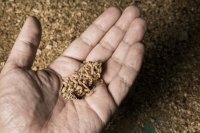
Grape pomace is the main residue from wine and juice production and is rich in beneficial compounds like polyphenols, fiber, and fatty acids, known for their antioxidant, antimicrobial, and anti-inflammatory properties (Viveros et al., 2011; Aditya et al., 2018). Numerous studies have investigated the dietary inclusion of GP in poultry diets and demonstrate that GP has potential benefits on growth performance, gut health, antioxidant status, and meat quality (Selim et al., 2023).
However, challenges exist, including the presence of fiber and tannins, which can reduce nutrient digestibility, especially in monogastric animals, though strategies like polyethylene glycol (PEG) treatment have shown promise in mitigating these effects (Van Niekerk et al., 2020; Mnisi et al., 2021). The collective aim of this review is to evaluate the effectiveness of incorporating GP into poultry diets and to highlight its significance as a natural feed additive that supports animal welfare, productivity, and environmental sustainability.
Impact of Grape Pomace on the Growth Performance of Poultry
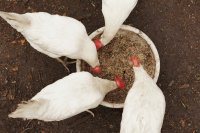
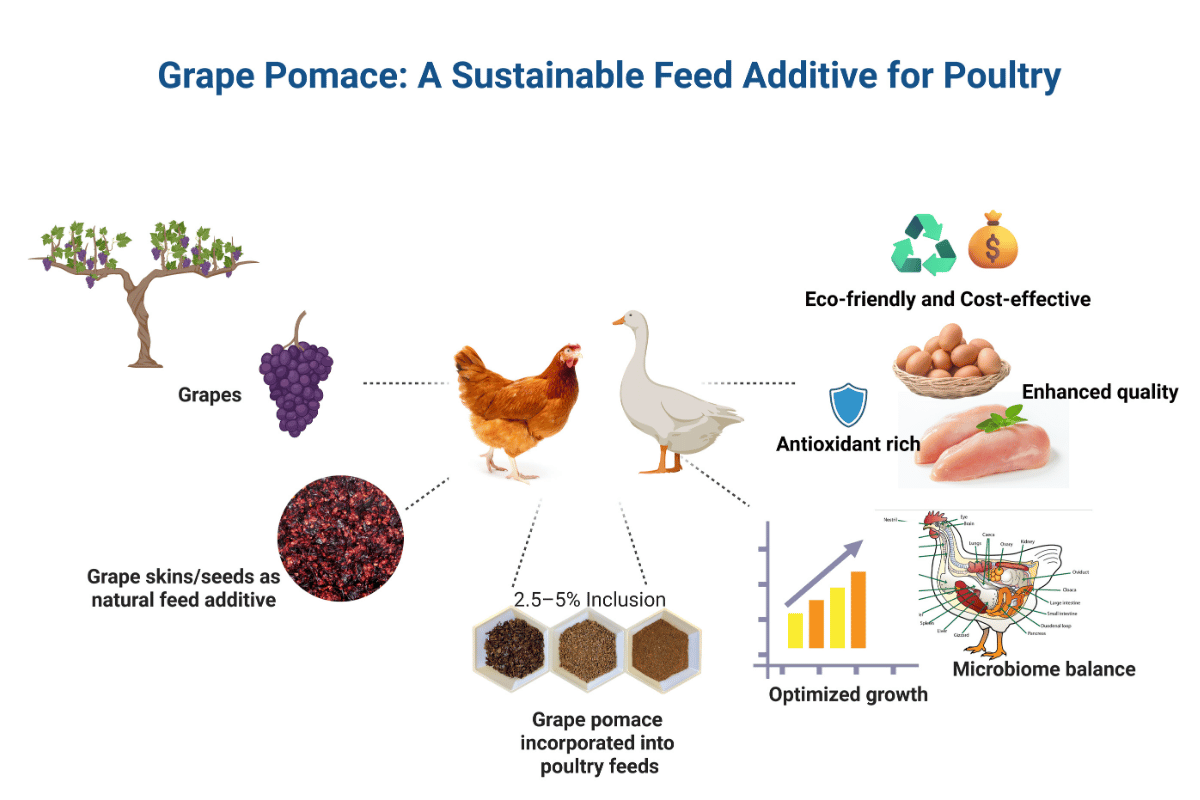
Grape pomace supplementation has shown dose-dependent effects on poultry growth. Broilers fed 2.5% grape pomace-maintained feed conversion ratios while improving breast muscle integrity (Erinle et al., 2022). The study by ELnaggar & Abd El-khalek (2024) reported that Muscovy ducks fed 2.5–5.0% grape pomace exhibited improved weight gain and feed conversion ratios, likely due to enhanced nutrient digestibility. Similarly, in Pekin ducks, grape seed extract (GSE) at 0.01–0.02% increased body weight gain and feed efficiency, attributed to bioactive compounds like proanthocyanidins that stimulate metabolic pathways (Ao & Kim, 2020). However, excessive inclusion (e.g., 7.5% in ducks or 150 mL/L aqueous extract in turkeys) reduced growth rates, emphasizing the need for moderation (ELnaggar & Abd El-khalek, 2024; Rezvani & Zare, 2022). These findings suggest that low-to-moderate grape pomace levels optimize growth without overloading digestive systems. Optimal doses (2.5–5.0% for ducks, 0.01–0.02% GSE) could enhance growth, but higher amounts may hinder performance.
Boosting Antioxidant and Immune Function
Grape pomace contains bioactive compounds like proanthocyanidins and resveratrol, which have demonstrated antioxidant and anti-inflammatory effects in poultry. Selim et al. (2023) found that Lohman Brown Lite hens fed 90 g/kg grape pomace had elevated glutathione peroxidase (GPx) activity and reduced lipid oxidation markers (MDA) in eggs and blood. Similarly, Muscovy ducks showed improved immune responses, including higher immunoglobulins and lysozyme activity, when fed 2.5–5.0% grape pomace (ELnaggar & Abd El-khalek, 2024). These effects are linked to polyphenols like resveratrol, which neutralize free radicals and modulate immune cell activity by upregulating endogenous antioxidant defenses (Brenes et al., 2016; Baldissera et al., 2019).
Chickens may benefit from reduced oxidative damage to tissues, potentially improving overall health and longevity. For example, dietary inclusion of grape pomace improved plasma antioxidant capacity, reduced lipid oxidation in meat, and enhanced intestinal villus height in broiler chickens (Erinle et al., 2022). Such benefits are critical for reducing oxidative stress in intensive farming systems. Future research should validate safe inclusion levels and measure biomarkers like malondialdehyde (MDA) in ducks.
Impact of Grape Pomace on Meat and Egg Quality
Incorporating grape pomace positively influences meat and egg quality. In laying hens, 90 g/kg grape pomace increased eggshell thickness, yolk color, and beneficial fatty acids (PUFA, n-3) while reducing cholesterol (Selim et al., 2023). For meat production, Muscovy ducks fed 5.0% grape pomace had lower lipid oxidation in meat, extending shelf life (ELnaggar & Abd El-khalek, 2024). Conversely, high doses (7.5%) in ducks and aqueous extracts in turkeys reduced digestibility and meat quality, highlighting the importance of balanced formulations (Rezvani & Zare, 2022). Polyphenols inhibit lipid peroxidation and microbial growth in meat (Tayengwa et al., 2020). These improvements align with consumer demand for nutrient-dense, sustainable products, offering market advantages for farmers. However, more trials are critical to identify ideal inclusion rates.
Gut Health and Microbiota Modulation
Grape pomace has prebiotic properties that support beneficial gut bacteria and gut health by modulating microbial communities. In broilers, 2.5% grape pomace increased Lactobacillus populations and reduced pathogenic Enterobacteriaceae (Erinle et al., 2022). In turkeys, 3% dietary grape pomace increased Lactobacillus populations while suppressing E. coli, promoting a balanced gut environment (Rezvani & Zare, 2022). For ducks, which are prone to gut dysbiosis in crowded environments, grape pomace could enhance microbial diversity and resilience against pathogens.
For instance, Pekin ducks fed GSE exhibited improved jejunum morphology (higher villus height) and enriched Lactobacilli, enhancing nutrient absorption (Ao & Kim, 2020). These changes are driven by grape pomace’s prebiotic fibers and antimicrobial polyphenols, which inhibit pathogens and foster beneficial bacteria, thus supporting digestion and overall health. Furthermore, the fiber and polyphenols in grape pomace selectively promote microbial taxa that ferment fiber into short-chain fatty acids (SCFAs), improving gut barrier function (Tayengwa et al., 2020). However, excessive fiber may reduce nutrient digestibility. Trials measuring SCFA production and ileal morphology in ducks are needed.
Economic and Sustainability Considerations
Using grape pomace reduces feed costs and waste. ELnaggar & Abd El-khalek (2024) reported that 2.5–5.0% inclusion in duck diets improved economic efficiency by lowering feed expenses without compromising growth. Similarly, Selim et al. (2023) highlighted that hens fed grape pomace produced higher-quality eggs with longer shelf life, potentially increasing profitability. However, farmers must balance inclusion levels to avoid diminishing returns, as seen in turkeys, where excessive grape pomace increased feed conversion ratios (Rezvani & Zare, 2022).
Conclusion and Future Directions
Grape pomace is a promising feed additive that enhances poultry productivity, product quality, and sustainability. Current research supports its use at 2.5–5.0% in ducks and 0.01–0.02% GSE in Pekin ducks, though optimal doses may vary by species. Future studies should explore long-term effects, breed-specific responses, and mechanisms behind polyphenol bioavailability. Integrating grape pomace into poultry diets aligns with circular economy principles, turning waste into value while meeting consumer demands for natural products.
References
- Aditya, S., Ohh, S. J., Ahammed, M., & Lohakare, J. (2018). Animal Nutrition, 4(2), 210–214. Influence of dietary carbohydrases, individually or in combination with phytase or an acidifier, on performance, gut morphology and microbial population in broiler chickens fed a wheat-based diet — Animal Nutrition
- Ao, X., & Kim, I. H. (2020). Effects of grape seed extract on performance, immunity, antioxidant capacity, and meat quality in Pekin ducks. Poultry Science, 99(4), 2078-2086.
- Baldissera, M. D., Souza, C. F., Descovi, S. N., Verdi, C. M., Zeppenfeld, C. C., da Silva, A. S., & Baldisserotto, B. (2019). Effects of dietary grape pomace flour on the purinergic signaling and inflammatory response of grass carp experimentally infected with Pseudomonas aeruginosa. Aquaculture, 503, 217–224.
- Brenes, A., Viveros, A., Chamorro, S., & Arija, I. (2016). Use of polyphenol-rich grape by-products in monogastric nutrition. A review. Animal Feed Science and Technology, 211, 1–17.
- ELnaggar, A. S., & Abd El-khalek, E. (2024). Effect of including different dietary levels of grape pomace on performance, blood biochemical parameters, and immune response of Muscovy ducks. Egyptian Poultry Science Journal, 44(III), 353–368.
- Erinle, T. J., Oladokun, S., MacIsaac, J., Rathgeber, B., & Adewole, D. (2022). Dietary grape pomace − effects on growth performance, intestinal health, blood parameters, and breast muscle myopathies of broiler chickens. Poultry Science, 101, 101519.
- Gadzama, I. U., Mugweru, I. M., Makombe, W. S., Madungwe, C., Hina, Q., Omofunmilola, E. O., Panuel, P., Olanrewaju, T. J., & Ray, S. (2025). Improving poultry production with black soldier fly larvae. Acta Scientific Agriculture, 9(1), 60–77. Available online: https://www.researchgate.net/publication/387579596 (accessed on 05 May 2025).
- Hassan, Y. I., Kosir, V., Yin, X., Ross, K., & Diarra, M. S. (2019). Grape pomace as a promising antimicrobial alternative in feed: A critical review. Journal of Agricultural and Food Chemistry, 67(35), 9705-9718.
- Mnisi, C. M., Mlambo, V., Kumanda, C., & Crafford, A. (2021). Effect of graded levels of red grape pomace (Vitis vinifera L.) powder on physiological and meat quality responses of Japanese quail. Acta Agriculturae Scandinavica, Section A — Animal Science, 70(2), 100–106.
- Ream, C. A., Stevens, A. V., Myers, C., & Chibisa, G. E. (2021). Effect of feeding ensiled or dried grape pomace on nitrogen utilization in backgrounding cattle. Translational Animal Science, 5(Suppl. 1), S120–S124.
- Rezvani, M. R., & Zare, E. (2022). Effect of adding grape pomace into the diet, grape pomace extract and vitamin E-selenium into the drinking water on growth performance, internal organs' weight, cecum bacterial population and prececal nutrient digestibility in British United Turkeys. Poultry Science Journal, 10(2), 149–158.
- Selim, S., Abdel-Megeid, N. S., Alhotan, R. A., Ebrahim, A., & Hussein, E. (2023). Grape pomace: Agrifood by-product with potential to enhance performance, yolk quality, antioxidant capacity, and eggshell ultrastructure in laying hens. Veterinary Sciences, 10(7), 461.
- Tayengwa, T., Chikwanha, O. C., Raffrenato, E., Dugan, M. E. R., Mutsvangwa, T., & Mapiye, C. (2020). Comparative effects of feeding citrus pulp and grape pomace on nutrient digestibility and utilization in steers. Animal, 15(12), 100020.
- Van Niekerk, R. F., Mnisi, C. M., & Mlambo, V. (2020). Polyethylene glycol inactivates red grape pomace condensed tannins for broiler chickens. British Poultry Science, 61(5), 566–573.
- Vinyard, J. R., Myers, C. A., Murdoch, G. K., Rezamand, P., & Chibisa, G. E. (2021). Optimum grape pomace proportion in feedlot cattle diets: Ruminal fermentation, total tract nutrient digestibility, nitrogen utilization, and blood metabolites. Journal of Animal Science, 99(2), 1–11.
- Viveros, A., Chamorro, S., Pizarro, M., Arija, I., Centeno, C., & Brenes, A. (2011). Effects of dietary polyphenol-rich grape products on intestinal microflora and gut morphology in broiler chicks. Poultry Science, 90(3), 566–578.
- Yashim, S. M., Gadzama, I. U., & Anene, D. O. (2017). Nutrient utilization and carcass characteristics of weaner rabbits as influenced by differently processed rattle box (Crotalaria retusa) leaf meal. Journal Animal Production Research, 29(1), 210-218.