
By Dr. Katerina Konstantinou, Project Manager, European R&D Department, REZOS BRANDS S.A.
A changing landscape for agrifood SMEs
Agriculture is moving fast. Farmers and agrifood businesses face growing pressure to produce more with fewer resources, address climate challenges, and adopt sustainable practices. This pressure weighs particularly heavily on small and medium-sized agrifood enterprises (SMEs), where limited budgets, restricted access to innovation, and uncertainty around new technologies often slow down change. New opportunities are also emerging. Digital agriculture is opening up smarter and more efficient ways of working, and SMEs that engage with these tools can not only adapt but build genuine competitive advantage.
Understanding the benefits of digital agriculture
Digital agriculture can sound complex, but at its core the idea is simple. It is about integrating digital tools that generate data, then using that data to support better decisions through dedicated software and applications. Common building blocks include IoT sensors, weather stations, drones, and farm management apps. Together, these technologies improve resource management, productivity, competitiveness, and sustainability, while supporting rural communities in making better-informed decisions on the farm.
In practical terms, digital tools give farmers a clearer picture of their fields. Instead of relying solely on experience, farmers can act on real-time information. They know when crops actually need irrigation, where nutrient deficiencies are appearing, and how forecast weather conditions are likely to affect production. Farming becomes a more precise and informed practice rather than a calendar-driven one.
Turning data into real benefits
For agrifood SMEs, the value of digital agriculture lies in its practical impact. Data is not just information. It becomes a tool for improving everyday operations. By applying inputs such as water, fertilisers, or pesticides only where and when they are truly needed, farmers can significantly reduce waste, lower costs, and use resources more efficiently. Better monitoring and data-driven decision-making improve crop yields and product quality, which in turn support both profitability and more sustainable farming practices. The main benefit of digital agriculture for SMEs is exactly this. It helps the business find a workable balance between economic performance and environmental responsibility.
As more data is generated and shared, data security and trust become essential. Farmers and SMEs need to be confident that their data is protected and used fairly and transparently. This is where emerging technologies such as blockchain play an important role. Blockchain systems allow data to be stored securely and tamper-proof, so information about product origin, farming practices, or quality standards can be tracked reliably across the entire supply chain. For SMEs, this strengthens traceability, enhances consumer trust, and adds value to products, especially in markets where transparency and quality assurance are decisive.
Smart contracts (automated agreements executed on the blockchain) can simplify secure transactions among actors in the agrifood value chain. Payments can be triggered automatically once predefined conditions are met, reducing delays, administrative load, and the need for intermediaries. Together, these tools help build a more secure, transparent, and efficient agrifood ecosystem, in which data is used not only to inform production decisions but also as a strategic asset for trust, competitiveness, and food safety.
From knowledge to practice
Despite the benefits, many SMEs hesitate to adopt digital agriculture, often assuming it is too expensive or too complicated to use. In reality, the transition can begin gradually and very practically. Simple technologies such as soil moisture sensors or a basic weather station already make a significant difference. We have seen this directly at REZOS BRANDS S.A.'s organic farm in Meteora (Hippocrates Farm), where these starting tools have been combined over time with more advanced systems, including a blockchain infrastructure. The result is a step-by-step transition toward more digital and effective farming, rather than a single high-cost leap.
Multi-actor initiatives play a key role in this kind of transition. The TALLHEDA project, a Horizon Europe WIDERA Excellence Initiative bringing together agricultural higher education institutions in Greece and Serbia with leading universities in Belgium, gives SMEs the opportunity to see innovative technologies in action, visit farms and companies, and understand how digital tools work in real production environments. Its Virtual Innovation Hub creates a permanent space where stakeholders from education and the agricultural sector can share success stories, exchange best practices, and network with agri-tech innovators. This hands-on approach helps bridge the gap between theory and practice and makes innovation more accessible and relevant for SMEs, including REZOS BRANDS S.A.
Overcoming barriers to adoption
Adopting new technologies always raises questions about investment cost and return. For many SMEs, the main concerns are upfront costs, the technical knowledge required, and uncertainty about pay-back. The most effective way to address these concerns is to start with small, affordable solutions that demonstrate tangible benefits and build confidence step by step. Starting small lets agribusinesses test technologies without significant risk and gain knowledge over time.
Access to training and support is just as important. By developing digital skills and gaining practical experience, farmers and SME professionals can better evaluate which tools fit their operations. Collaboration also matters. Working with researchers, advisors, and other businesses provides valuable insights and reduces the perceived risk of innovation.
The role of collaboration and learning
A core lesson from TALLHEDA is that technology alone is not enough to digitalise agriculture. Successful digital transformation depends on people, knowledge, and collaboration. By bringing together universities, industry experts, SMEs, and other stakeholders, initiatives like this create a dynamic environment where knowledge is shared and innovation is co-created across multiple actors. This approach ensures that solutions are not only technologically advanced but also practical and grounded in real needs. For SMEs, being part of such networks means gaining access to expertise, new ideas, and partnerships that strengthen sustainability and long-term development.
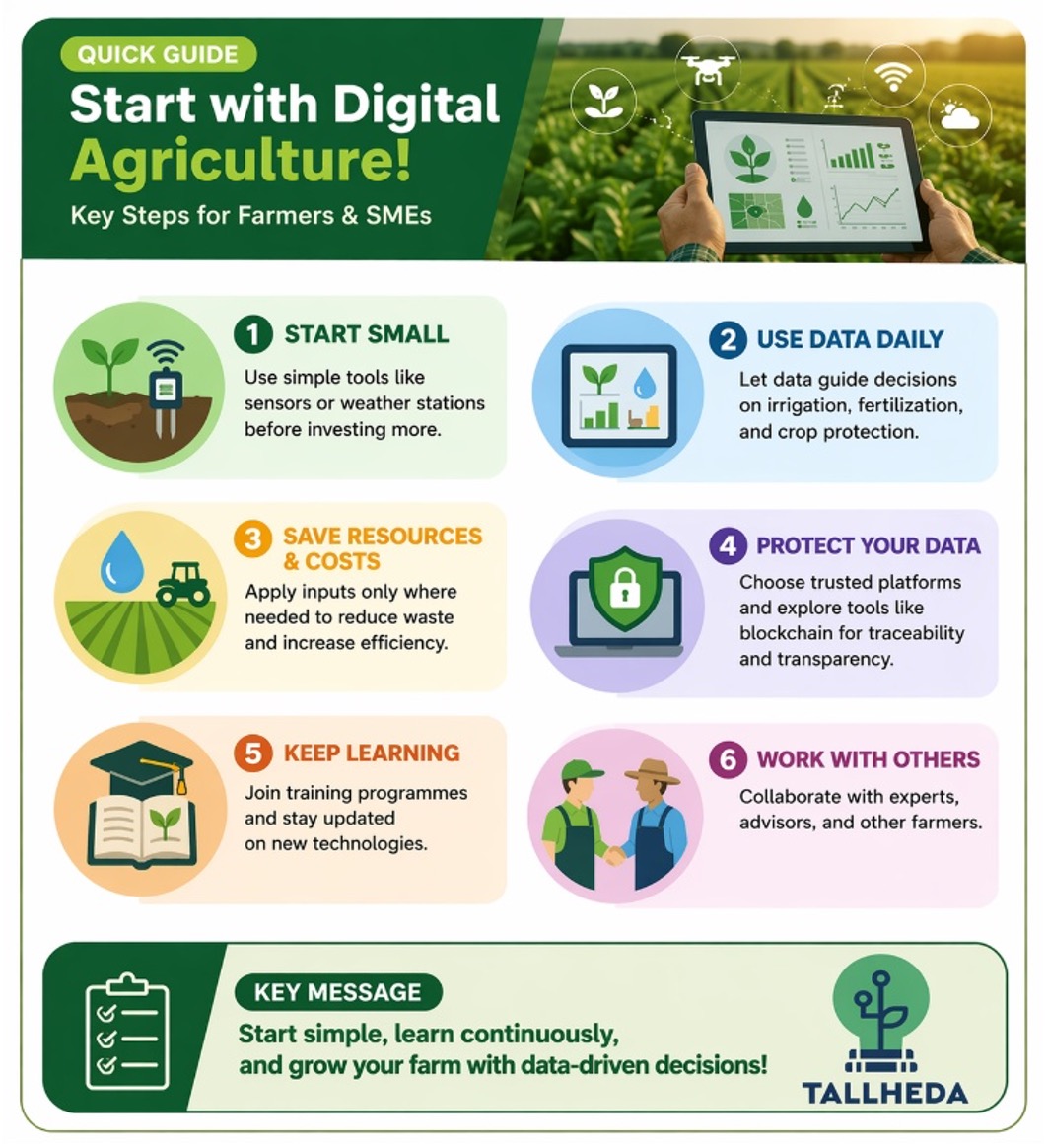
Figure 1: A practical roadmap towards digital transformation of agrifood SMEs
A practical roadmap for the future
Digital agriculture is no longer a concept of the future. It is part of everyday farming, and it is certainly not limited to large-scale operations. SMEs can also benefit by adopting technologies that suit their size and capabilities. By starting small, investing in knowledge and innovation, and engaging in collaborative initiatives, agrifood SMEs can gradually transform their operations.
At the centre of this transformation is a new generation of agronomists who, through EU initiatives such as TALLHEDA, can build their knowledge and practical skills in digital agriculture and strengthen farmers' and SMEs' trust in innovative technologies. This transition also requires the continuous evolution of agricultural education. Universities have a key role to play in integrating digital agriculture into their teaching and research, preparing future professionals to support farmers in adopting and operating innovative solutions.
Taking the first step
The transition to digital agriculture does not require immediate large investments or complex systems. It begins with a first step. Understand the potential, explore simple solutions, and build from there. For agrifood SMEs, the opportunity is clear. By turning data into actionable insights, they can improve performance, strengthen resilience, and contribute to a more sustainable agricultural sector. In a fast-evolving landscape, those who engage with innovation at their own pace will be best positioned to succeed.
About the project
This article was developed in the context of the TALLHEDA project (Transforming Access to Excellence with Successful Alliances of Higher Education in Digital Agriculture), a Horizon Europe WIDERA Excellence Initiative.
Project website: www.tallheda.eu CORDIS record: cordis.europa.eu/project/id/101136578 Author affiliation: REZOS BRANDS S.A.
Funded by the European Union under Grant Agreement No 101136578 (HORIZON-WIDERA-2023-ACCESS-03). Views and opinions expressed are however those of the author only and do not necessarily reflect those of the European Union or the granting authority. Neither the European Union nor the granting authority can be held responsible for them.