


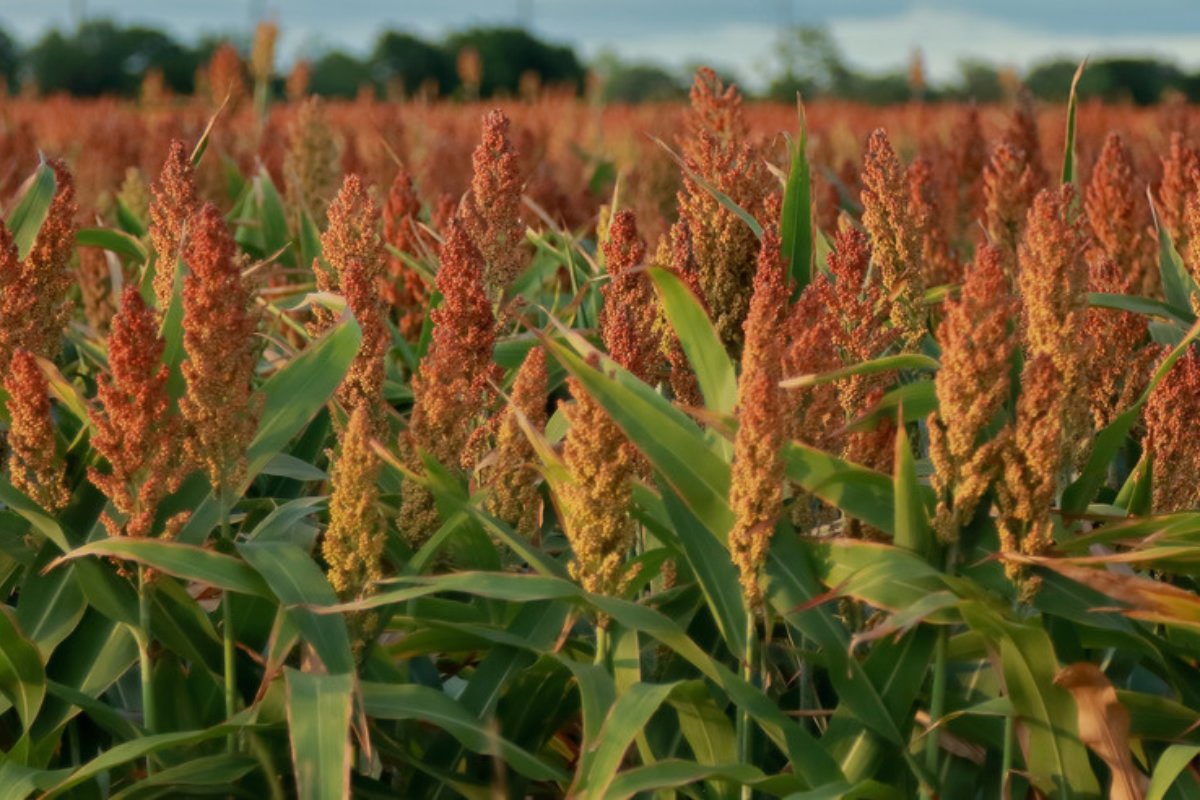
Before you prepare the land, buy fertiliser or hire labour, one decision shapes everything that follows: which seed you plant. The wrong variety can fail even with perfect care, while the right one can give a good harvest in a difficult season. In dry, unpredictable climates such as Botswana's, that choice matters more than almost anything else a farmer does.
Why variety matters so much
A seed carries the plant's potential. It decides how long the crop takes to mature, how much water it needs, how well it resists disease, how much it can yield and how well it stores after harvest. Good management helps a plant reach that potential, but it cannot give a plant something its seed never had. A variety bred for high rainfall will struggle in dry conditions however well you weed.
Choose the crop before the variety
Variety choice starts one step earlier, with the crop. Botswana shows why. The country's average rainfall is about 460 mm a year, ranging from 250 mm in the southwest to 650 mm in the northeast, and it falls in a single, erratic season, roughly November to May. Sorghum needs around 450 to 600 mm for good production, while maize needs 500 to 800 mm.
Between 2013 and 2017, average grain yields on Botswana's farms were about 206 kg per hectare for maize and 560 kg for sorghum, and researchers have linked the gradual shift from sorghum to maize to heavier losses in dry years, because maize copes less well with drought. No maize variety, however good, can fully make up for growing a crop that needs more rain than the field receives. Where rainfall is low and unreliable, a well-chosen sorghum or millet may beat the best maize.
Start with your own conditions
Before looking at any seed catalogue, write down what you know about your farm.
Rainfall and water: how much rain do you usually get, and when? Is it reliable or erratic, and do you have irrigation? A farm with unpredictable rain needs a different variety from one with a borehole and drip lines.
Soil: is it sandy, loamy or clay? Is it acidic, salty or poor in nutrients? Some varieties tolerate poor soils better than others.
Temperature: check for heat stress in mid-season and for frost risk early or late. A variety that flowers during your hottest weeks may drop its flowers or fail to set grain.
Length of the growing season: this is often overlooked. If your rains last 90 days, a variety that needs 130 days to mature will not finish.
Understand the key traits
Seed packets and supplier descriptions use a few terms worth knowing.
Maturity group: early varieties mature quickly and suit short or unreliable seasons, though they often yield a little less. Late varieties can yield more but need a long, reliable season, and medium varieties sit in between.
Yield potential: this is the maximum under good conditions, not a guarantee. A variety with slightly lower potential but better stress tolerance often does better in a poor year.
Drought tolerance: look for varieties tested under dry conditions, not just labelled as tolerant. The benefit is largest exactly when conditions are worst. In trials across southern Africa, maize bred under managed drought showed a yield advantage of about 40% where yields were around 1 tonne per hectare, shrinking to 2.5% at 10 tonnes. Across sub-Saharan Africa, drought-tolerant maize varieties have shown at least a 25 to 30% yield advantage under drought at flowering. For a farmer whose yields are usually low, tolerance is worth far more than a high figure for yield potential.
Disease and pest resistance: if a disease such as rust, blight or wilt is common in your area, choose a variety resistant to it. It saves money on chemicals and protects the crop.
Market and use: plant what you can sell or eat. White maize may sell better locally than yellow, and some beans cook faster or fetch higher prices, so ask buyers what they want before you choose.
Three kinds of seed to choose from
Hybrids usually give higher yields and more uniform crops, but you need to buy new seed every season, because saved seed will not perform the same. They suit farmers who can afford good inputs and want maximum output.
Open-pollinated varieties can be saved and replanted for several seasons without losing much quality, as long as they are kept apart from other varieties. They cost less over time and suit farmers with limited cash.
Local or traditional varieties are often well adapted to local weather and pests, and they may store and taste well. Their yields may be lower, but they are often more dependable in hard years.
None of these is always best, and many farmers plant a mix to spread their risk.
Where to get reliable advice
You do not have to decide alone. Extension officers know which varieties have performed well in your district, and neighbouring farmers can tell you what worked, and what failed, in the last few seasons. Agricultural research stations and demonstration plots show varieties growing side by side under local conditions, and certified seed dealers can explain traits and provide documentation. Ask several of them the same question: which variety has performed best here over several seasons, not just one?
Buy quality seed
Even the right variety fails if the seed is poor. Buy certified seed from a trusted supplier where possible, and check the packaging for the variety name, batch number, germination rate and expiry date. Avoid seed that looks damaged, mouldy or old, and store it dry and cool until planting. If you save your own seed, choose it from your healthiest plants and test germination on a small sample before planting a full field.
Test before you commit
If you are trying a new variety, plant it on a small area next to the variety you already know, in a part of the field where conditions are similar for both, and treat them the same. Compare emergence, vigour, disease, drought stress and final yield. One season gives you a first impression, and two or three seasons give you evidence. Keep simple records of planting dates, rainfall, problems and harvest, because memory fades and notes do not.
A simple checklist
Before buying seed, ask yourself:
- Will this variety mature within my growing season?
- Can it handle my rainfall, soil and temperatures?
- Is it resistant to the pests and diseases common in my area?
- Do I have a market, or a household use, for what it produces?
- Can I afford the seed and the inputs it needs?
- Is the seed certified, fresh and from a trusted source?
If you grow maize, our guide on how to choose the right hybrid maize variety takes the decision further.
Choosing a seed variety is a decision made with information rather than guesswork. Know your conditions, choose the crop that suits your rainfall, understand the traits, ask people with local experience and test on a small scale before committing the whole farm. The time spent on this decision costs little, and it can protect the whole season.
Sources
Bänziger, M., et al. Breeding for improved drought tolerance in maize adapted to southern Africa.
CIMMYT. A decade of improved and climate-smart maize through collaborative research and innovation.
Opportunities and challenges for conservation agriculture in Botswana (2023). International Journal of Agricultural Sustainability.
Agriculture on the brink, climate change, labor and smallholder farming in Botswana (2016). Land, 5(3), 21.