

The life-or-death role of colostrum in newborn piglets
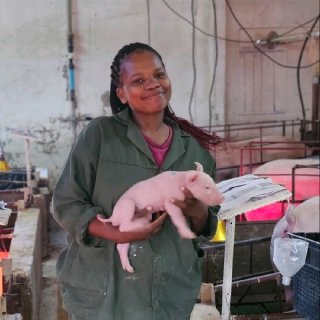
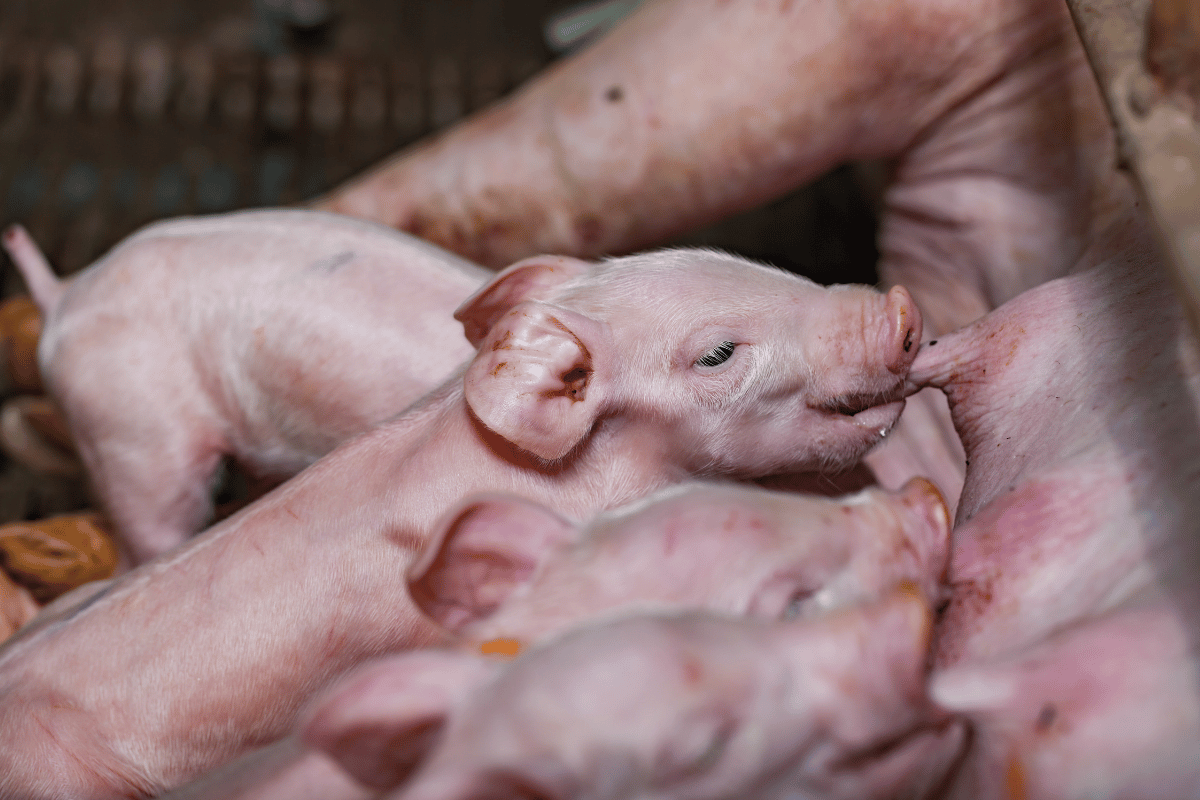
When a piglet is born, the clock starts ticking. It comes into the world from a very warm womb to a cold farrowing pen, shivering and wet, leaving behind the safe haven of the mother's womb. Eventually, the temperature shock outside its warm home for the past three months hits the piglet. Despite its fragility and the unfamiliar environment, an instinctual drive pushes it forward. "I have to survive", it thinks. Shivering, it stumbles, guided only by the warm scent of its mother, looking for that golden first drop of milk: colostrum.
As AHDB (2025) reported, the first drop of colostrum is crucial for developing the piglets' immune system and optimal lifetime performance. Experts suggest that the piglet must get at least 200 ml of colostrum per kilogram of birth weight to ensure passive immunity and increased chances of survival (Devillers et al., 2011). In essence, colostrum can be viewed as nature's own natural vaccine. Yet many farmers underestimate how powerful this golden milk is. Colostrum can be viewed as a piglet's "ultimate survival kit" delivered straight from mom's factory. In this article, I dig into why this golden liquid is key, how to ensure every piglet gets it, and how it may save farmers problems in the long run.
Why piglets need colostrum: immunity, energy, and warmth
Piglets that start feeding soon after birth, especially from the front teats, have stronger immunity and are more likely to survive (Jenkins and Flowers, 2023). During this time, what the piglet drinks can make a huge difference between a thriving and struggling piglet.
This highlights how important colostrum is in the first hours of life. Colostrum is important for piglets as it provides essential immunoglobulins, especially IgG, which are crucial for passive immunity as its own is still immature (Quesnel, 2012). Piglets must get access to colostrum in the first 12 to 24 hours as their ability to absorb immunoglobulins rapidly decreases, marking the end of the transfer of passive immunity (Rooke and Bland, 2002). Therefore, piglets must ingest colostrum as early as possible to defend themselves against pathogens in the early stages of life. Additionally, colostrum provides energy-rich nutrients that regulate body temperature and support its bodily activities, preventing hypothermia and starvation (Devillers et al., 2011). Delayed colostrum ingestion increases the risk of preweaning mortality and poor growth
The challenge of large litters and low birth weights
Breeding efforts aimed at increasing productivity have significantly increased litter sizes in recent years. However, this rise in litter sizes is associated with lower birth weights and greater within-litter variation (Yuan et al., 2015). Without extra care, the smaller piglets, normally called runts, have little chance of surviving and are vulnerable to death around the time of birth (Nam and Sukon, 2022).
Piglets born with extremely low birth weights and poor vitality may fail to ingest enough colostrum to support their immediate survival or long-term development. The smaller piglets face several challenges immediately after birth, including weak mobility and limited competitiveness at the udder. This often compromises their ability to access and consume a sufficient amount of colostrum. Therefore, early and sufficient colostrum intake is a key strategy for improving their survival and long-term productivity.
Helping the underdogs: ensuring colostrum for every piglet
Since colostrum is only available for a short period of time, farmers must act quickly and wisely. The good news is that with the right tools, simple tricks, and a bit of extra attention, it’s possible to give to give even the weaklings a good strong start. Below are some practical and effective ways farmers can help ensure every piglet gets a full belly of colostrum in the first critical hours.
Practical tips to ensure every piglet gets enough colostrum
Colostrum is only available for a limited time after birth, so timely and attentive management can make a significant difference, especially for weaker piglets. Below are practical, effective strategies farmers can adopt:
1. Supervise Farrowing Closely
Be present during farrowing to assist weaker or less active piglets. Early intervention helps guide them to the udder and ensures they get their first dose of colostrum.
2. Apply Split Suckling
Temporarily remove stronger, well-fed piglets to allow the smaller or weaker ones uninterrupted access to the udder. This technique ensures fairer colostrum distribution within large litters.
3. Use Supplementary Colostrum
Collect excess colostrum from high-producing sows and store it properly for later use. This reserve can be life-saving for piglets born weak or in litters with limited colostrum availability.
4. Provide Extra Heat
Ensure a warm and comfortable environment with heated mats or lamps. A stable temperature helps piglets warm up quickly, maintain energy, and move more effectively toward the udder.
5. Keep the Sow Comfortable
A calm, well-hydrated sow is more likely to nurse effectively. Provide her proper bedding, nutrition, and a low-stress environment to support optimal milk let-down.
How to tell if a piglet has received enough colostrum
Identifying whether a piglet has successfully fed in the first hours is crucial. Look for the following signs:
- A full, rounded belly (not sunken or flat)
- Warm body temperature, indicating adequate energy intake
- Lively behavior – the piglet is active, alert, and moving well
- Yellow stool (meconium) – evidence of digestion and nutrient absorption
Colostrum is a lifeline, not just a meal
Colostrum is more than just milk, it's protection, warmth, and energy in a single drop. Especially for small or weak piglets, colostrum can mean the difference between life and death. By understanding its importance and using simple tools and tricks to ensure every piglet gets enough, farmers can boost survival rates and set up the entire litter for a healthy future. Colostrum is not just feed but a shield against diseases. Farmers who prioritize colostrum give their piglets a head start. Because in the farrowing house, colostrum truly wears the crown as it is not just the start, it’s a lifeline.
References
- AHDB. (2025). Colostrum management for pigs. AHDB.
- Devillers, N., Dividich, J. Le, & Prunier, A. (2011). Influence of colostrum intake on piglet survival and immunity. Animal, The International Journal of Animal Biosciences, 5(10), 1605–1612.
- Hélène Quesnel, C. F. N. D. (2012). Colostrum intake: Influence on piglet performance and factors of variation. Livestock Science, 146(2–3), 105–114.
- Jenkins, A.K & Flowers, W. . (2023). Nursing Frequency ,dyuration and teat location affect immunoglobulin concerntration in piglets.
- Nam, N. H., & Sukon, P. (2022). Factors influencing within-litter variation of birth weight and the incidence of runt piglets. 52(1), 2–8.
- Rooke, J.A and Bland, I. . (2002). The acquisition of passive immunity in the new-born piglet. 78(1), 13–23.
- Yuan, T., Zhu, Y., Shi, M., Li, T., Li, N., & Wu, G. (2015). Within-litter variation in birth weight : impact of nutritional status in the sow *. 16(6), 417–435.