


Declining soil fertility, erratic rainfall, deforestation, a growing population and fewer pollinators all put pressure on farming to produce more food while doing less harm. For decades the answer has been more synthetic fertiliser and pesticide, which are costly for smallholders and carry real risks for the environment and for people's health.
Agroforestry, growing trees and crops on the same land, is often presented as the alternative, usually with a long list of benefits. The list is broadly true, but it hides the interesting part. Trees do not help every crop, in every place, from the first season. The right tree in the right place can transform a field, while the wrong one competes with the crop for water and light. Three examples show how trees actually earn their place, and what each one asks of the farmer.
A shrub that feeds next season's maize
In KwaZulu-Natal in South Africa, researchers compared maize grown alone with maize grown alongside pigeonpea, a woody legume that fixes nitrogen and gives grain, fodder and firewood. In the first season, maize grown alone gave the most maize. The mixed plots, however, produced more food per hectare overall, because the pigeonpea harvest more than made up for the smaller maize crop, and the researchers recommended pigeonpea with maize for exactly that reason.
When the same team later grew maize after a two-year pigeonpea fallow, maize yields were 3.2 times higher than in fields that had grown maize continuously without fertiliser, thanks to better soil structure, more soil life and the nitrogen left behind. The lesson for farmers is patience. Agroforestry often looks like a loss in the first season and pays back in the seasons that follow.
A tree that drops its leaves when the rains come
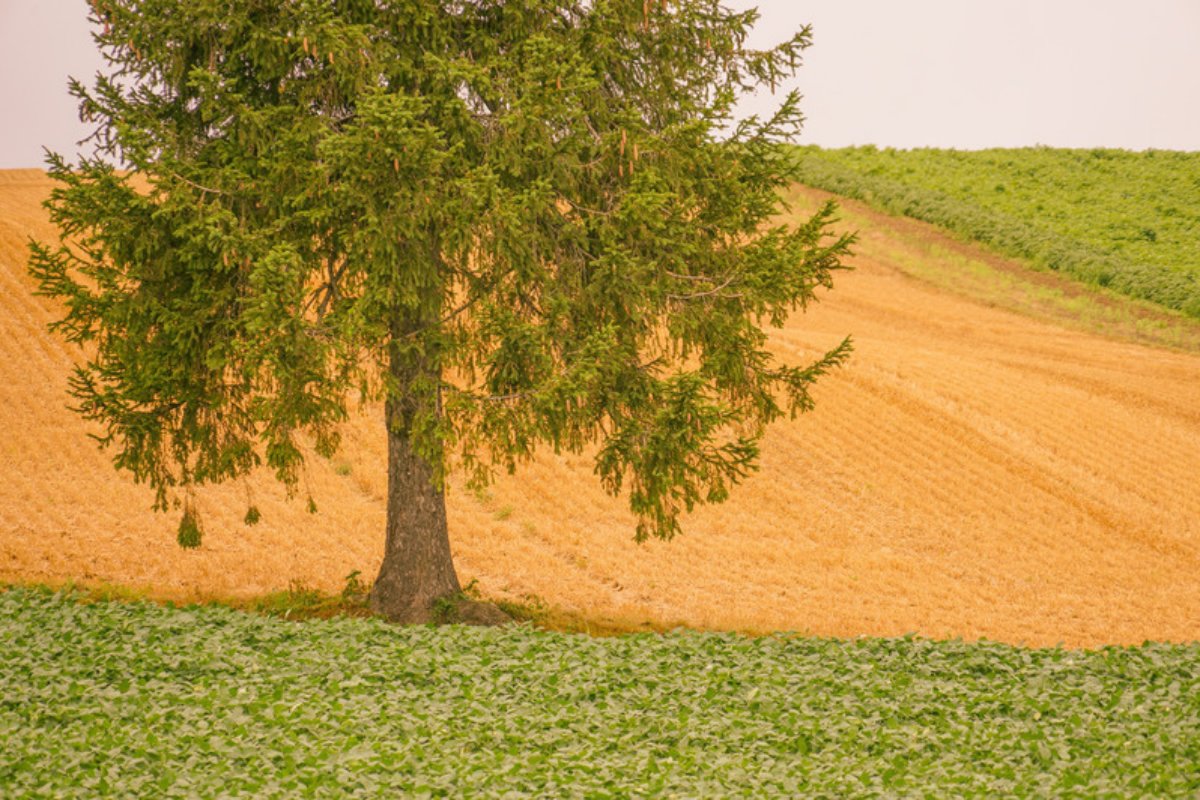
Faidherbia albida, sometimes called the apple-ring acacia or winterthorn, does something almost no other tree does. It sheds its leaves at the start of the rainy season, roughly November to March in much of southern Africa, and grows them back in the dry season. While the crop is growing, the tree stands bare, so it barely competes for light or water, and its falling, nitrogen-rich leaves fertilise the soil underneath.
In Zambia, unfertilised maize near Faidherbia trees averaged 4.1 tonnes per hectare, against 1.3 tonnes beyond the canopy, and some 500,000 farmers in Malawi, Tanzania and Zambia now grow crops among these trees. In the dry season the tree gives shade and pods for livestock just when fodder is scarce.
Cereals respond best to Faidherbia, while groundnut yields can fall under the canopy, where too much nitrogen relative to phosphorus and potassium pushes leafy growth at the expense of pods. Matching the tree to the crop matters as much as planting the tree.
A timber tree that grows better with crops around it
Mahogany is valued for its timber, but a timber tree takes many years to pay, which is the main reason small farmers hesitate to plant one. In Brazil, researchers tested the Taungya system, in which food crops are grown between young African mahogany (Khaya ivorensis) trees for the first years. The mahogany grew better alongside beans and maize than in a plantation on its own, the soil held more bacteria, and the crops brought in income while the trees were still years from harvest.
The weeding, soil care and fertilising that the crops receive also benefit the young trees, so the farmer is effectively paying for one job and getting two results. For a smallholder, that turns a long-term investment into something the farm can carry.
Trees change the conditions crops grow in
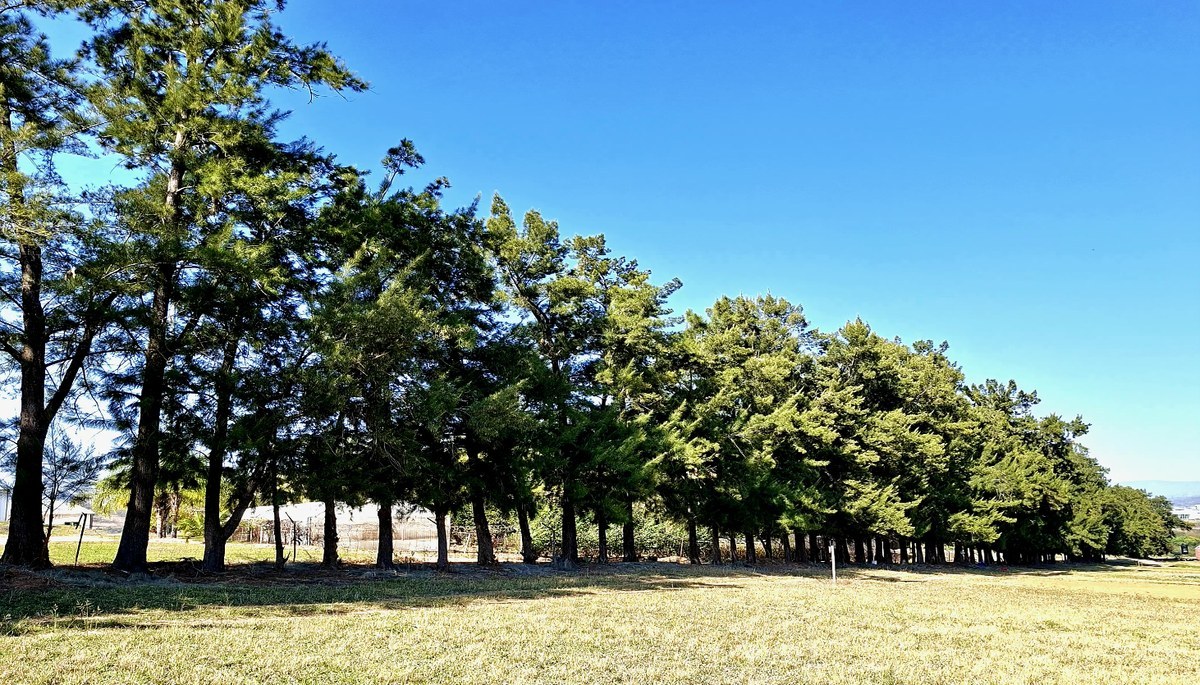
A row of trees acting as a windbreak beside open land. Photo: Vinolia Mnisi
Rows of trees work as windbreaks, reducing wind damage and soil erosion on exposed fields, and the shade of a canopy can protect sensitive crops from heat stress, as long as it is managed so that it does not take too much light. Trees and crops together also help conserve soil and water.
Trees also shelter the predatory insects and birds that keep crop pests in check, which is one reason farms with trees can rely less on pesticides. Flowering trees feed bees and other pollinators, which is especially valuable when they flower at times when crops do not.
Trees can also pay in carbon
There is one benefit that a list of ecosystem services rarely turns into money. Trees on farms store carbon in their wood and in the soil, and some programmes now pay farmers for it. Our article on how agroforestry generates carbon credits and farm income explains how this works, and what farmers need to record to be paid.
Choosing the right trees
None of these benefits arrives automatically. Trees compete with crops for water and light, especially in dry years and when they are planted too close. Before planting, think about what the farm needs most, whether that is soil fertility, fodder, timber, shelter or income, and choose species that deliver it without crowding the crop. Leguminous trees and shrubs such as pigeonpea and Faidherbia improve fertility, while timber trees need planning over many years. Our overview of agroforestry systems describes the main designs, from alley cropping to scattered parkland trees.
Diversifying with trees is one of the most practical ways to protect soil, food production and income at the same time, particularly as the climate becomes less predictable. The trees that do it best are the ones chosen for a clear job on a specific farm, and given the time to do it.
Sources
- Lucena, F. R., de Andrade, J. R., Santos, C. F., et al. (2024). Agroforestry systems with Khaya ivorensis provide improved tree growth and economic benefits to rural producers. Agroforestry Systems, 98, 1211-1224.
- Musokwa, M., Mafongoya, P., and Lorentz, S. (2019). Evaluation of agroforestry systems for maize (Zea mays) productivity in South Africa. South African Journal of Plant and Soil, 36(1), 65-67.
- Musokwa, M., and Mafongoya, P. L. (2021). Effects of improved pigeonpea fallows on biological and physical soil properties and their relationship with maize yield. Agroforestry Systems.
- Winrock International. Faidherbia albida, inverted phenology supports dryzone agroforestry.
- World Agroforestry. Unique acacia tree could nourish soils and life in Africa.