


Introduction
Bees are vital to ecosystems and global food production. As primary pollinators of more than 35% of food crops, they are essential for supporting biodiversity, food security, and rural economies. However, worldwide bee populations face increasing threats from habitat destruction, chemical exposure, pests, diseases, and climate change. These challenges underscore the importance of beekeeping practices that safeguard pollinators while encouraging ecological restoration and community resilience.
Sustainable apiculture is a beekeeping approach that focuses on environmental health, social fairness, and economic viability, offering a hopeful path forward. By integrating agroecological and regenerative agricultural principles into hive management, beekeepers can enhance ecosystem services, improve pollinator health, and promote sustainable livelihoods.
Agroecological and regenerative practices in beekeeping
Agroecology emphasizes working with nature to create biodiverse, resilient farming systems. Regenerative agriculture goes further, aiming to restore degraded ecosystems, rebuild soil health, and improve biodiversity. When applied to apiculture, these approaches create landscapes where bees can thrive.
Promoting floral diversity
A key part of sustainable apiculture is ensuring bees have access to diverse nectar and pollen sources throughout the year. Beekeepers and farmers can plant native flowering species, establish hedgerows, and integrate cover crops or flowering trees. These measures support pollinator nutrition and health while enhancing biodiversity on farms.
Minimizing chemical use
Regenerative apiculture reduces or eliminates synthetic chemicals that harm pollinators. Instead, it promotes integrated pest management (IPM) on farms, avoiding harmful pesticides and herbicides. This protects bee colonies from toxic exposures while improving environmental quality.
Integrating beekeeping with diverse farming systems
Bees thrive in diversified landscapes. Sustainable beekeeping fits well into mixed farming systems, where bees support crop pollination and gain access to multiple forage sources. In drylands and rangelands, bees can contribute to landscape restoration efforts through the pollination of native vegetation.
Restoring ecosystem functions
Practices like minimal tillage, mulching, and agroforestry restore soil health, improve water retention, and enhance plant diversity. These improvements create better habitats for pollinators and other wildlife, contributing to resilient agroecosystems.
Sustainable hive management
Hive management is central to sustainable apiculture. The aim is to support natural bee behavior, minimize stress, and maintain colony health without over-reliance on synthetic treatments.
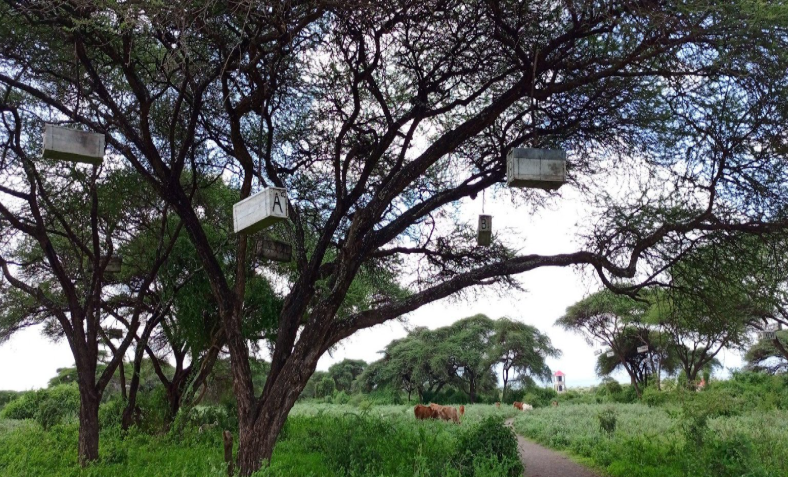
Fig 1. Sustainable apiculture integrated into diversified food systems for ecological and economic resilience.
Natural pest and disease management
Sustainable beekeepers select bee strains with natural resistance traits, such as hygienic behavior that limits mite infestations. Physical tools like screened bottom boards help control pests such as the Varroa mite. When treatments are necessary, organic options like essential oils or formic acid are preferred over synthetic chemicals.
Local adaptation
Using locally adapted bee species enhances resilience to local climate and disease pressures. These bees often require fewer interventions, reducing management costs and environmental impacts.
Ethical harvesting
Sustainable apiculture involves harvesting honey, pollen, or wax in ways that ensure the colony retains sufficient food stores, particularly in dry seasons or during dearth periods. This reduces the need for artificial feeding and supports colony health.
Thoughtful apiary placement
Hives are sited in locations with good wind protection, shade, clean water, and access to diverse forage. Some beekeepers use mobile apiaries to follow seasonal blooms, allowing landscapes to recover while maintaining bee nutrition.
Benefits of Sustainable Apiculture
- Healthier colonies: Access to diverse forage and reduced chemical exposure support stronger, more resilient bee populations.
- Enhanced biodiversity: Pollinator-friendly practices restore habitats and support other wildlife.
- Climate resilience: Regenerative systems improve soil health and water cycles, buffering against droughts and extreme weather.
- Economic opportunities: Sustainably produced honey, wax, and propolis can attract premium markets and certifications.
Challenges and Opportunities
Sustainable apiculture faces challenges, including limited training on regenerative methods, insufficient policy support, and the need for greater collaboration between farmers and beekeepers. However, these challenges present opportunities for innovation, education, and the development of value-added markets for sustainable bee products.
Conclusion
Sustainable apiculture, grounded in agroecological and regenerative principles, is essential for protecting pollinators and restoring ecosystems. Through thoughtful hive management and integration with biodiversity-friendly farming systems, beekeepers can contribute to healthier environments, resilient food systems, and thriving rural economies.
Learn the art and science of beekeeping
At Wikifarmer, we believe that knowledge pollinates minds just as bees pollinate crops. That’s why we’ve developed a comprehensive beekeeping course through our Academy for farmers, beekeepers, and enthusiasts eager to understand both the ancient art and modern science of beekeeping.
👉 Explore “The Art & Science of Apiculture” Course
References
- Food and Agriculture Organization (FAO). (2018). The Impact of Pollinators on Food Production.
- IPBES. (2016). Assessment Report on Pollinators, Pollination and Food Production.