



How responsible beekeeping bridges tradition, sustainability, and ethical living.
Introduction
The world of bees is a finely tuned masterpiece of nature, where every action serves a purpose in the survival of the colony. Among their many remarkable behaviors, swarming is one of the most fascinating. Often seen as an alarming event, it is a natural and essential process by which colonies reproduce and expand. However, while swarming helps bee populations thrive, it can also put both the mother colony and the departing swarm at risk. Responsible beekeeping, including mindful honey harvesting, helps mitigate these risks while benefiting both the bees and the environment.
Understanding Bee Swarming
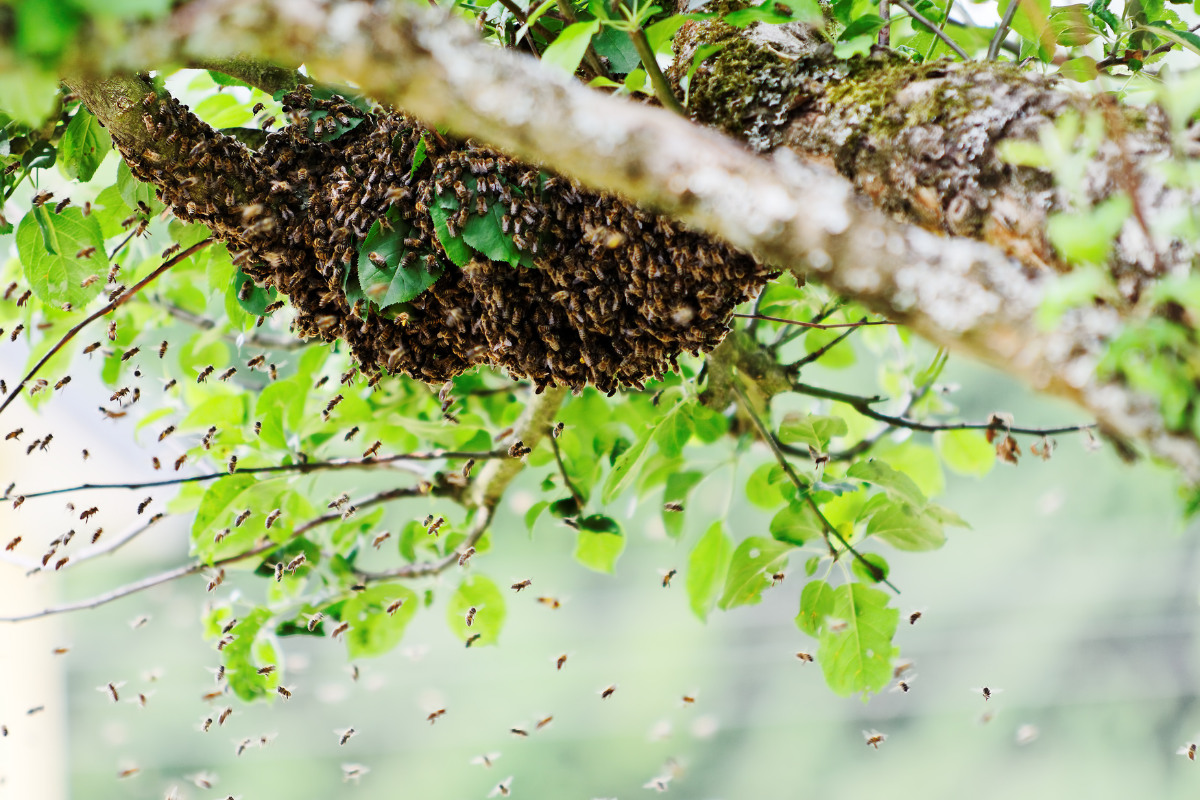
Swarming occurs when a honeybee colony divides to form a new colony. It typically happens in spring when the hive has grown strong, resources are abundant, and space is limited. When overcrowding sets in, the colony raises new queens, and the reigning queen departs with thousands of worker bees to seek a new home.
For a moment, this swarm is a breathtaking sight. A cloud of bees moving in unison, bound by an ancient instinct. But their journey is fraught with danger. Without the protection of a hive, the bees are vulnerable to predatory insects, birds, harsh weather, and food shortages. Many swarms do not survive, and those that do often struggle to establish a new colony.
The Aftermath of Swarming
The hive left behind faces its own struggles. The remaining bees must care for the newly emerging queen, whose survival is uncertain. If she successfully mates and begins laying eggs, the colony can rebuild. But if she fails or falls prey to predators, the hive may collapse.
Swarming is nature's way of ensuring bee populations expand. Still, in a world where natural habitats are declining, and environmental stressors are increasing, swarming often leads to colony loss rather than growth, which is where beekeepers play a crucial role.
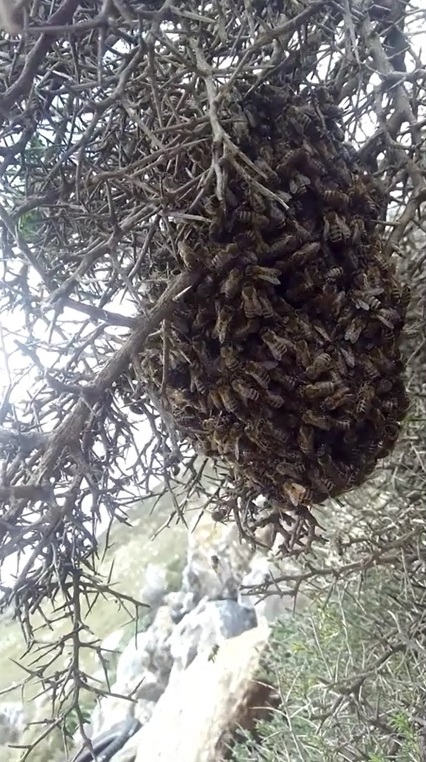
A bee swarm, one hour after leaving the mother colony, exposed to the elements of nature and predators
The Role of the Beekeeper in Colony Management
Beekeepers serve as stewards of their colonies, recognizing the early signs of swarming and intervening when needed. By managing hive space, providing additional frames for egg-laying, and creating controlled splits (artificial swarms), they help prevent unnecessary swarming and maintain colony strength.
One of the most effective methods of preventing swarming is honey harvesting. By removing excess honey, beekeepers reduce hive congestion and eliminate a primary trigger for swarming. This practice prevents colony division, strengthens the hive, and makes it more resilient to disease and harsh weather.
Honey Harvesting: A Benefit for Bees and Beekeepers
Many assume honey harvesting benefits only humans but also plays a crucial role in colony management. When beekeepers remove excess honey at the right time, they prevent overcrowding, reducing the bees' instinct to swarm. This supports colony stability and leads to healthier, more sustainable hives.
Responsible honey harvesting aligns with environmental conservation. It keeps bees productive within a structured habitat while allowing them to continue their essential work as pollinators.
The Environmental and Ethical Perspective
In nature, everything is interconnected. Bees do not function in isolation; they are vital to the delicate balance that sustains life.
Humans, too, are part of this intricate system, relying on bees far more than we often realize. As the most important pollinators, bees are essential for human staple crops and wildflowers, herbs, and trees. They play a crucial role in maintaining the food chain and supporting biodiversity. The well-being of both flora and fauna is directly tied to the survival of bee populations.
Ensuring the survival of colonies is not just about ethical beekeeping—it is a global environmental responsibility. If bee populations continue to decline, the consequences for food production and ecosystems could be catastrophic. Supporting sustainable beekeeping practices, where honey harvesting is carefully managed, helps maintain strong colonies and allows bees to continue their essential work.
Honey production is part of an ecological cycle in which plants, bees, and humans all play a role. Bees collect nectar from flowers, pollinating plants in the process. In return, they store honey as food. By harvesting excess honey, humans prevent swarming and colony loss, indirectly promoting bees.
Can Ethical Beekeeping Be Considered Vegan-Friendly?
It is important to distinguish between industrial-scale honey production and small-scale, ethical beekeeping. Sustainable beekeeping prioritizes natural colony development, respects bee instincts, and ensures hive well-being.
Choosing honey from ethical beekeepers supports pollinator populations and ecological balance and pressures the honey industry to adopt more responsible methods. The real issue is not honey consumption itself but the way it is harvested.
Understanding the positive impact of responsible beekeeping may offer a new perspective for those who avoid honey due to ethical concerns. Rather than seeing honey as something taken from bees, it can be recognized as a natural byproduct of a mutually beneficial relationship. Supporting ethical beekeepers helps maintain healthy bee populations, which in turn benefits agriculture and the environment.
Conclusion
Honey is a nutritional treasure, rich in beneficial compounds that have nourished humans for centuries. Unfortunately, it is often avoided due to misconceptions, especially when no artificial substitute can truly replicate its complexity and value. Choosing ethically sourced honey not only supports pollinators but also ensures we continue to benefit from one of nature's most remarkable gifts.