In project management, stakeholder buy-in is widely recognised as a condition for success. A project can be technically sound and still deliver nothing if the people expected to use its outputs do not trust, understand or accept them. That applies directly to drone technology in agriculture, where new data has to inform decisions about field operations, resources and yields.
Research on technology acceptance points to two things in particular: whether people see a technology as useful, and whether they find it easy to use, a finding first set out in Fred Davis's work on technology acceptance. Everett Rogers' work on the diffusion of innovations adds that communication and trusted experiences shape how quickly a technology spreads. My experience introducing drone-based crop monitoring bore out both.
Maps that nobody used
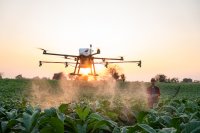
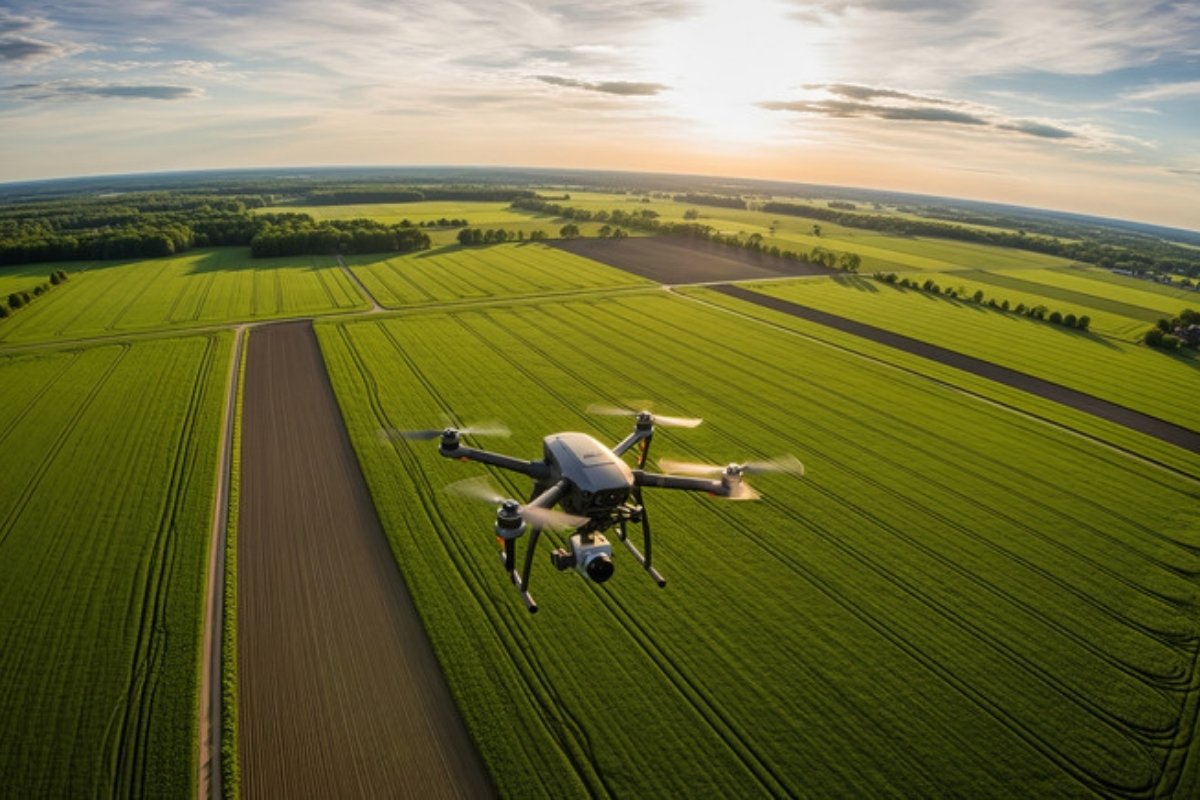
We had started flying drones at least twice a week, and up to three times when needed, to cover critical areas of the farm and follow changes after field applications. The images were processed into Normalised Difference Vegetation Index (NDVI) maps, which helped Area Managers see crop conditions and variations that were not always visible to the naked eye. The maps added another layer of evidence for timely decisions.
To support adoption, I organised discussions about the maps and ran training sessions on reading and interpreting them. I shared updates consistently, yet the insights were often overlooked because their value was not immediately obvious. Rather than treat that as resistance that could not change, I kept communicating the findings and looked for chances to show their practical relevance.
The turning point
The breakthrough came when a field that had received an application showed little visible change, and the Area Manager questioned whether the application had made any difference. We went back through the earlier NDVI maps, compared the field's previous condition with the latest observations, and looked at how it had changed over time. The historical maps showed that the field had been in worse condition before the application.
That comparison explained what a single observation could not, and gave the Area Manager confidence in the maps. The same colleague went on to become an advocate for the technology. It reminded me that trust grows fastest when people see information resolve a real operational question.
Three things that made the difference
Consistency matters, but on its own it does not secure adoption. People need to understand the technology, see how it relates to their responsibilities and feel confident using what it produces. After that experience, I focused on three practical actions.
Engage people individually: one-to-one conversations with Area Managers gave me room to understand their concerns and explain the technology in plain terms. Instead of assuming everyone had the same technical knowledge, I adapted each explanation to the person's experience and needs.
Manage expectations and tie the technology to shared goals: the point of the flights was better field decisions, stronger yields and better operational performance, never the flights themselves. Where assumptions or misunderstandings came up, I explained what the maps could reasonably show, what they could not establish on their own, and how they should be read alongside field observations and other evidence. That kept conversations practical and expectations realistic.
Keep people involved: I shared weekly updates on what the maps revealed and why it mattered, and followed up personally to discuss what the findings meant for each area. Over time, colleagues began to look forward to the reports because they found insights they could use. That fits the broader principle that adoption strengthens when people recognise an innovation's usefulness and can learn from credible examples.
Six principles for introducing a new technology
Any approach to winning buy-in has to be adapted to the organisation, the location, the users and the problem being solved, and no single model fits every team. Six principles can still guide the process.
Believe in the technology: while staying open to what the evidence shows.
Make it affordable: or find a model that reduces the initial cost burden.
Solve a real need: the technology has to address a problem people actually have.
Demonstrate its value clearly: one convincing example does more than many claims.
Connect it to people's work: help stakeholders see the benefits in their own tasks and in practice.
Plan for continuity: including support and the ability to scale.
One well-explained result
Buying equipment or distributing reports does not, by itself, lead to adoption. That takes patient communication, practical training, credible evidence and sustained engagement. The lesson from our drone and NDVI work is that a single well-explained result can build more confidence than many reports shared without context. When stakeholders understand the information, trust how it is produced and see how it supports their goals, a new technology stops being just a tool and becomes part of how the team makes decisions.
Sources
Davis, F. D. (1989). Perceived usefulness, perceived ease of use, and user acceptance of information technology. MIS Quarterly, 13(3), 319-340.