European agriculture stands at a critical crossroads. Climate change, biodiversity loss, soil degradation, and increasing pressure on food systems are reshaping how food is produced, distributed, and consumed. Farmers face more frequent droughts, heatwaves, and unpredictable weather patterns, while consumers are increasingly concerned about food quality, sustainability, and long-term food security. In this context, crop diversification and resilience are essential and no longer just optional.
PROSPER (Promoting Resilient Orphan Legumes for Sustainable Agriculture and Food Security) is a Horizon Europe project that has received funding from the European Union's Horizon Europe research and innovation programme under Grant Agreement No. 101181400. The project is designed to respond to these challenges by bringing together 27 partners from across Europe and the Mediterranean, including universities, research institutes, SMEs, innovation hubs, and farmers' organizations. The project's overarching goal is to unlock the potential of orphan legumes as a key driver of sustainable, resilient, and diversified agricultural and food systems.
Why orphan legumes matter for modern agriculture
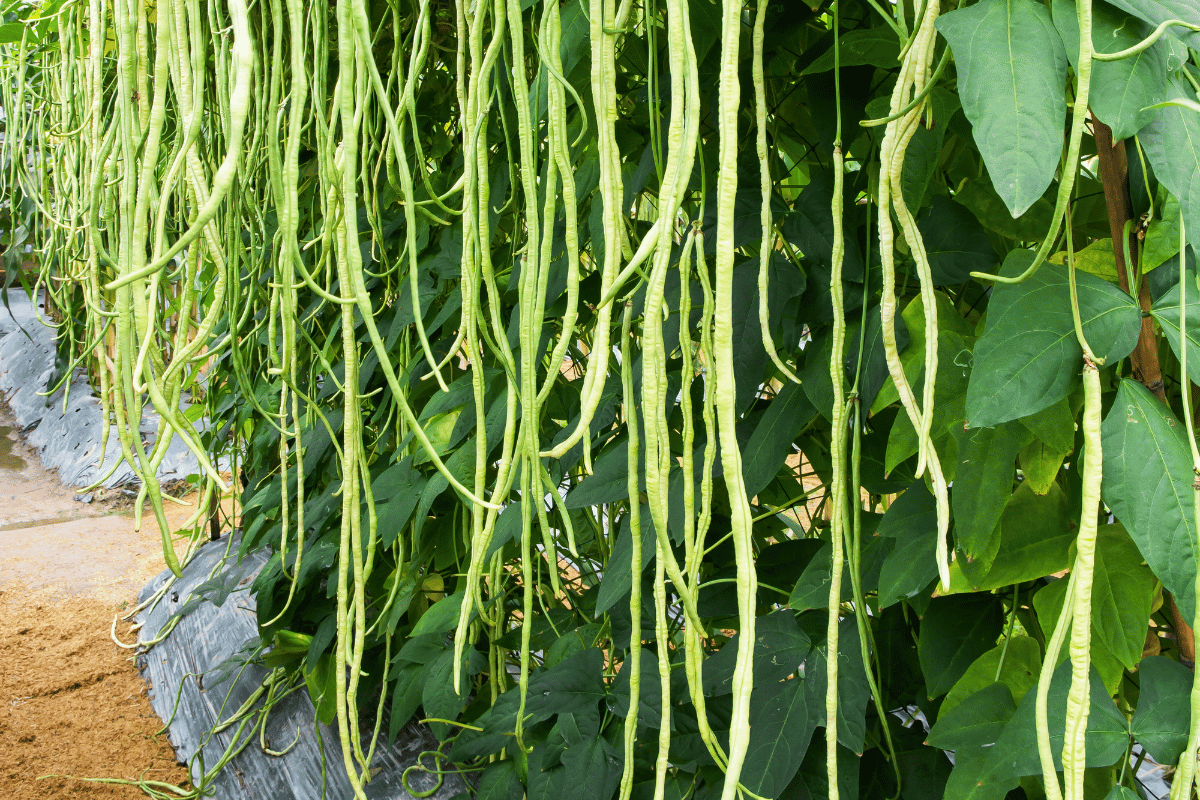
Modern European agriculture relies heavily on a limited number of crops, which increases vulnerability to climate shocks and market disruptions. Orphan legumes (OLs), traditional and underutilized legume species that have received limited attention from breeding and industrial agriculture, offer a powerful alternative. These crops are often highly adapted to local conditions, resilient to environmental stress, and nutritionally rich.
Improved soil fertility through nitrogen fixation
Orphan legumes contribute significantly to improved soil fertility through natural nitrogen fixation. This biological process reduces dependency on synthetic fertilizers, lowering both production costs and environmental impact. By fixing atmospheric nitrogen into forms that plants can use, legumes enrich the soil for subsequent crops while minimizing the carbon footprint associated with synthetic fertilizer production and application.
Enhanced resilience to environmental stress
These underutilized species demonstrate higher resilience to drought and poor soils, especially in marginal areas where conventional crops struggle. Their adaptation to local environmental conditions makes them particularly valuable as farmers face increasingly unpredictable weather patterns driven by climate change. Additionally, orphan legumes enhance agrobiodiversity, reducing risks associated with monocultures and creating more stable agricultural systems.
Despite these substantial benefits, many orphan legumes remain underexploited due to limited agronomic knowledge, lack of improved cultivars, and weak integration into modern value chains. PROSPER aims to change this by addressing these barriers systematically.
The purpose and scope of PROSPER
PROSPER will develop and deliver sustainable technical solutions based on highly resilient orphan legumes, supporting both agricultural diversification and value chain innovation.
Three dimensions of diversification
The project focuses on three interconnected dimensions:
- Diversification in agriculture: Expanding farmers' access to a wider range of resilient legume cultivars adapted to different pedoclimatic conditions allows for more flexible and resilient farming systems.
- Diversification of value chains: Promoting new food and bio-based products derived from orphan legumes creates economic opportunities and market incentives for farmers to adopt these crops.
- Integration of biodiversity and ecosystem services: Incorporating biodiversity considerations and ecosystem service valuation into agricultural practices and decision-making ensures that environmental benefits are recognized and rewarded.
Geographic reach across Europe
By operating across the Mediterranean, Central, and Northern Europe, PROSPER accounts for diverse farming systems, climates, and socio-economic contexts, ensuring that its results are broadly applicable and scalable. This geographic diversity enables the project to develop solutions adaptable to diverse European agricultural contexts while maintaining local relevance.
Benefits for farmers
For farmers, PROSPER provides practical tools and knowledge to adapt to climate change while maintaining productivity and profitability. Through field trials, participatory research, and demonstration activities, the project will evaluate novel legume accessions under real farming conditions, focusing on yield stability, resilience to stress, and nutritional value.
Participatory spatial information services
A key innovation of PROSPER is the development of Participatory Spatial Explicit Information Services, which will offer on-demand, location-specific guidance. These services will help farmers select the most suitable orphan legume varieties for their region, integrate legumes effectively into crop rotation systems, and improve resource efficiency while reducing input costs.
Real-world field trials and demonstrations
By involving farmers and other stakeholders directly in the co-creation of solutions, PROSPER ensures that innovations are grounded in real needs and practical constraints. This participatory approach reduces the gap between research and practice and increases adoption potential. Farmers gain hands-on experience with orphan legumes through demonstration plots and guided trials, building confidence in these alternative crops.
Benefits for consumers and food systems
Consumers also stand to gain significantly from PROSPER's outcomes. Orphan legumes are rich in protein, fiber, vitamins, and minerals, making them valuable components of healthy and sustainable diets. As interest in plant-based foods continues to grow, PROSPER supports the development of diverse, nutritious, and environmentally friendly food products.
The project promotes the use of orphan legumes in:
- Food processing and plant-based products
- Innovative ingredients for sustainable diets
- Biocircular economy applications
By strengthening legume-based value chains, PROSPER helps make sustainable food choices more accessible and affordable, while reducing the environmental footprint of food production. This alignment with consumer demand for healthier, more sustainable food options creates market opportunities that benefit both producers and consumers.
Environmental and biodiversity impact
Environmental sustainability is central to PROSPER. The project directly addresses key drivers of biodiversity loss by promoting crop diversification and improving agricultural practices. Legume-based cropping systems enhance soil health, support beneficial organisms, and reduce greenhouse gas emissions associated with fertilizer use through improved carbon sequestration.
PROSPER also contributes to the conservation and valorization of agrobiodiversity. By identifying, studying, and promoting resilient orphan legume accessions, the project helps safeguard critical genetic resources for future food security. These efforts strengthen ecosystem resilience and support the long-term sustainability of agricultural landscapes across diverse European regions.
Connecting science, innovation, and policy
PROSPER builds on the expertise and achievements of its partners from previous and ongoing research initiatives. The project will generate new knowledge on the performance of orphan legumes under environmental constraints, nutritional and functional properties of legume-based products, and integration of legumes into sustainable cropping systems.
This knowledge will be translated into practical guidelines, tools, and technologies to support evidence-based decision-making at farm, regional, and policy levels. PROSPER also aims to strengthen links between biodiversity research, agricultural practice, and policy processes at both EU and global scales, ensuring that research outcomes inform policy development and implementation.
A pathway toward resilient food systems
By promoting orphan legumes, PROSPER contributes directly to European priorities such as the European Green Deal, the Farm to Fork Strategy, and the EU Biodiversity Strategy. The project supports the transition toward farming systems that are productive, resilient, and environmentally responsible, while creating new economic opportunities for rural communities.
The integration of sustainable agriculture practices through orphan legume cultivation demonstrates that sustainability, innovation, and food security can advance together rather than competing for resources or attention.
Conclusion
Ultimately, PROSPER demonstrates that sustainability, innovation, and food security can go hand in hand. Through crop diversification, stakeholder engagement, and value chain development, the project lays the foundation for agricultural systems that are better equipped to face future challenges—benefiting farmers, consumers, and the environment alike.
The success of PROSPER will depend on continued collaboration among researchers, farmers, policymakers, and value chain actors. By working together to unlock the potential of orphan legumes, European agriculture can become more resilient, diverse, and sustainable, providing a model for agricultural transformation that addresses both current challenges and future uncertainties.