


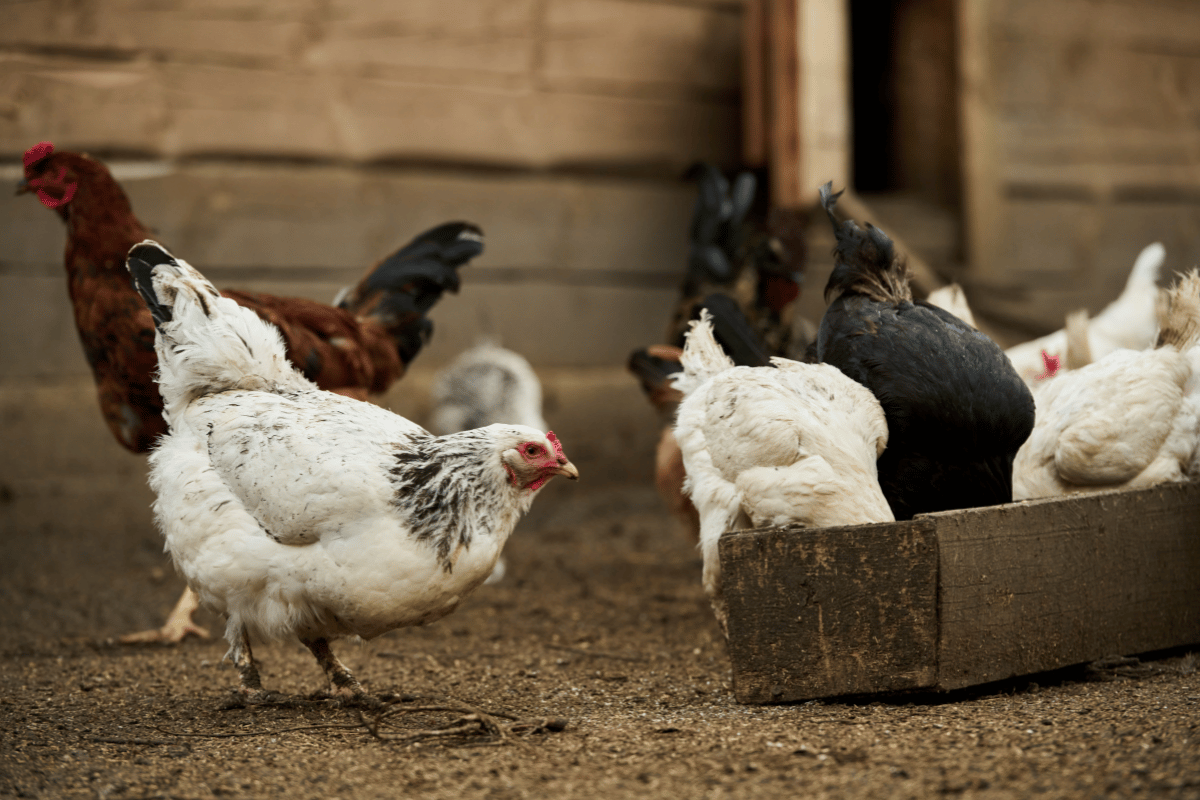
Poultry farming remains one of Zambia's fastest-growing agricultural sub-sectors, driven by urbanisation, rising incomes, and growing demand for affordable protein. Feed accounts for 60 to 70 percent of total poultry production costs, which makes nutritional decisions central to profitability, flock health, and national food security. Zambia's evolving feeding strategy increasingly emphasises phase-feeding, the use of local ingredients, and resilience against input cost fluctuations and climate shocks.
Both the National Agriculture Policy (2012-2030) and the Ministry of Agriculture Strategic Plan (2022-2026) prioritise sustainable food and nutrition security. Farmers, meanwhile, contend with elevated feed costs driven mainly by raw material scarcity and reliance on dollar-denominated additives. More than 78.5 percent of Zambian small-scale farmers have now adopted locally formulated feeds, a clear shift away from sole reliance on maize and soybean meal.
Phase feeding for broilers and layers
In Zambian commercial practice, a three-stage broiler system and a two-stage layer system align nutrient requirements with the birds' age.
For broilers, the typical phases are starter (1 to 21 days, 24 percent protein, around 0.8 kg per bird), grower (22 to 35 days, 20 percent protein, around 1.5 kg per bird), and finisher (36 to 42 days, 18 percent protein, around 1.2 kg per bird). For layers, the target intake during the laying period is around 120 g per bird per day. Rearing diets are formulated high in protein, while layer diets are enriched with calcium to support eggshell formation.
For laying hens, the AM and PM feeding regimen is attracting growing interest. A high-energy, high-protein, low-calcium diet is given in the morning (8 am to 4 pm) to support yolk and albumin formation, while a lower-energy, lower-protein, high-calcium diet is offered from 4 pm to 8 am for shell formation. This split-feeding approach reduces excess nutrient excretion and improves both feed efficiency and eggshell quality.
Working with local ingredients
Given the volatile prices of maize and soybean, Zambia's strategy actively promotes the integration of alternative local ingredients across energy, protein, and micronutrient sources.
Maize remains the primary energy source, but sorghum, cassava, and millet are increasingly used. Soybean meal still dominates the protein side, yet groundnut cake, sunflower meal, wheat bran, and rice bran offer viable alternatives. Peas can substitute up to 48 percent of soybean meal without compromising growth performance, a finding now supported by recent Australian research that also shows field peas matching or improving feed conversion ratios when phased into the diet.
On the micronutrient side, natural sunlight contributes to vitamin D synthesis, while alfalfa, fish oil, and various leafy plants supply vitamins A and D. Commercial premixes typically provide manganese at 85 to 100 mg, zinc at 80 mg, and selenium at 0.3 to 0.4 mg per kilogram of feed.
A significant 15 to 25 percent of feed often remains undigested in poultry fed on locally formulated rations, primarily due to the absence of specific enzymes required to break down complex local ingredients. Strategic inclusion of enzymes such as protease and phytase is therefore important, since they unlock vital nutrients and improve digestibility, which is one of the most direct ways to reduce feed cost per bird.
Integrating crops, livestock, and forage
Zambia's commitment to crop-livestock integration supports food-feed-fertility systems. Forages such as Brachiaria mulato, velvet beans, and lablab provide useful dry-season biomass and contribute to balanced rations. Strip cropping grains alongside fodder crops supports both household food security and poultry feed needs at the same time.
Bioactive compounds from indigenous plants also offer real potential to enhance product quality. Walnut meal supplementation, for instance, can almost double the n-3 polyunsaturated fatty acid content in breast meat, while agro-industrial by-products such as carrot, paprika, and berry waste enrich poultry products with carotenoids and antioxidants. These approaches give Zambian producers a way to differentiate their products in higher-value market segments.
Where farmers still need to step up
Two challenges stand out across the sector. The first is the limit of least-cost formulation. Relying solely on the cheapest available formulation proves inadequate amid market volatility. Continuous monitoring of live bird performance is essential to manage feeding precisely and prevent both over- and under-nutrition.
The second is hygiene at feed processing. A study among small-scale farmers in Lusaka found that 66.4 percent had good food safety knowledge, yet significant gaps persist in actual hygiene practices during feed processing and storage. Training in feed handling hygiene, alongside the nutritional improvements above, is needed to translate knowledge into safer feed and healthier flocks.
What this means for the sector
Phase feeding, locally adapted ingredient strategies, the use of enzymes, and integration with crop and forage systems are changing the economics of Zambian poultry production. The combination of policy support through the National Agriculture Policy, the strong uptake of locally formulated feeds among small-scale farmers, and the growing evidence base on alternative ingredients points toward a more resilient sector, one less exposed to international feed price shocks and better positioned to meet domestic protein demand.
For both small-scale and commercial producers, the next step is matching these strategies to the realities of farm-level management, with continuous performance monitoring, improved feed hygiene, and access to quality enzyme additives that unlock the full nutritional value of local ingredients.