Introduction
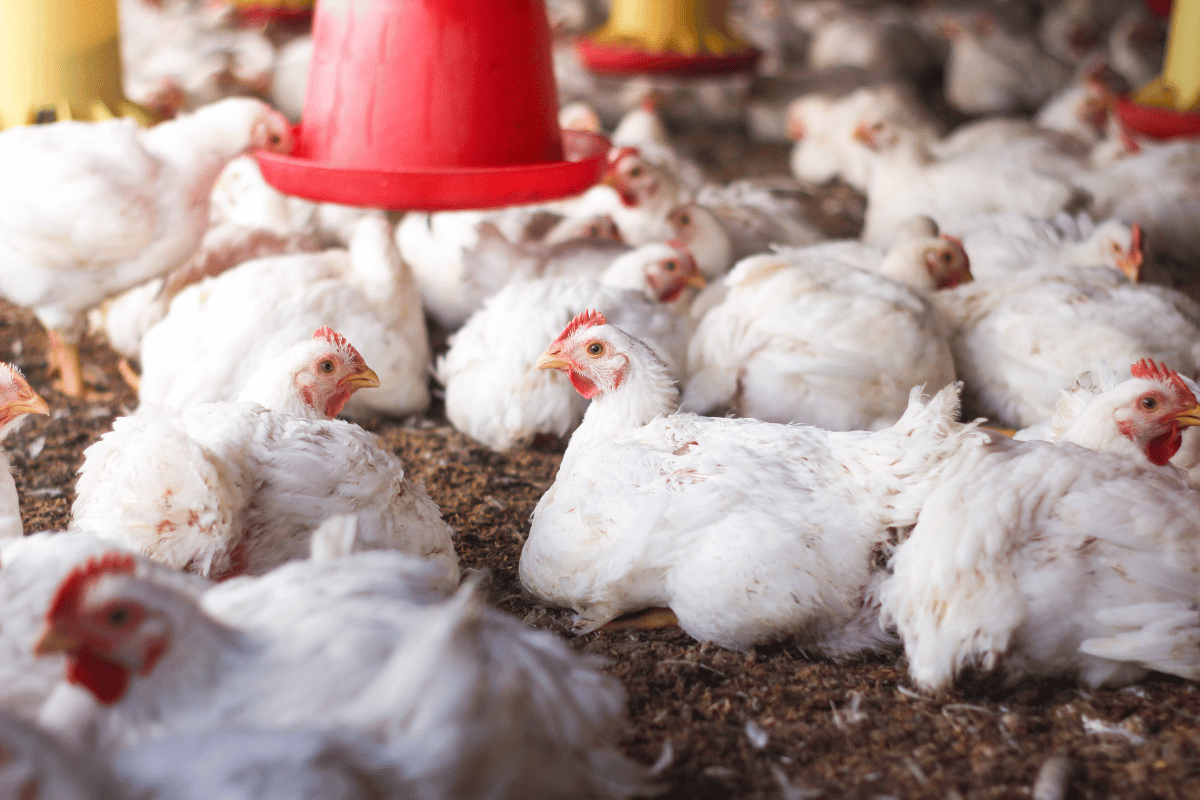
The global demand for poultry meat, particularly broilers, has surged due to their high feed conversion efficiency, rapid growth rate, and cost-effective production. The poultry sector plays a vital role in food security and nutritional supply, especially in developing nations. However, achieving optimal growth performance and productivity necessitates efficient nutritional strategies that balance growth potential, carcass quality, gut health, and sustainability. Advances in poultry nutrition, particularly in precision feeding, feed additives, and amino acid balancing, have opened pathways to minimize feed cost while maintaining high performance.
Modern broiler strains require highly digestible nutrients to express their genetic potential. Nutritional inadequacies can limit growth, compromise immune functions, and increase mortality. Studies have shown that optimal nutrient density, especially in starter and grower phases, directly affects final body weight and feed conversion ratio (FCR). For instance, increased digestible lysine levels enhance breast muscle deposition and improve protein utilization efficiency. Conversely, excessive nutrient inclusion without synchronizing with age-specific requirements leads to wastage and increased ammonia emissions from nitrogen excretion.
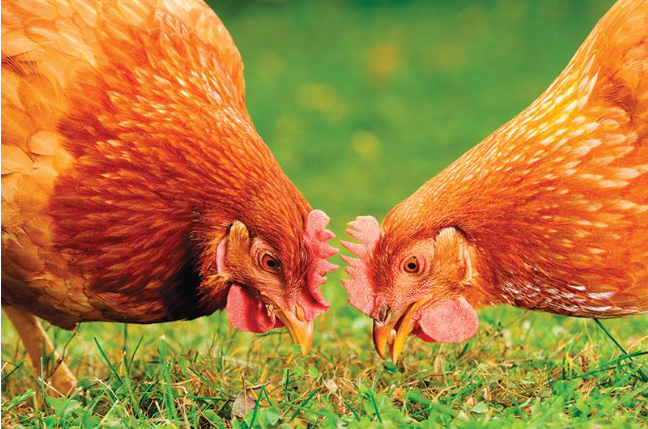
Recent literature also highlights the importance of non-conventional feed ingredients such as hemp seed cake, black soldier fly larvae, and algae, which provide sustainable alternatives to soybean meal and fishmeal while supporting growth and health (Gadzama et al., 2024; He et al., 2025).
Feed Additives and Gut Health
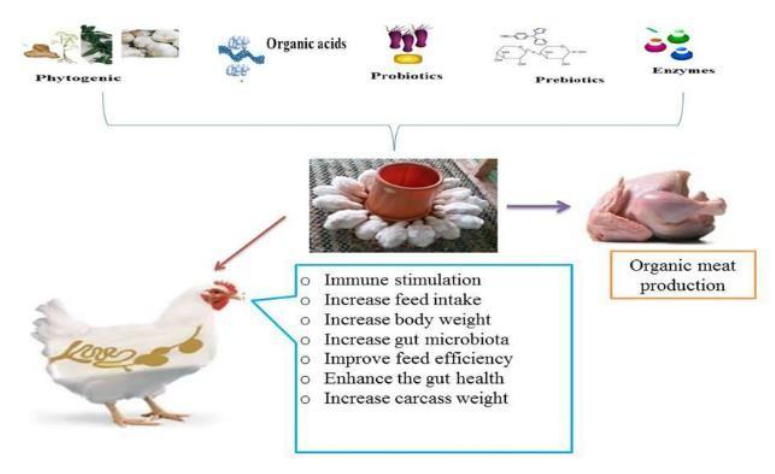
Gut health plays a central role in nutrient absorption and disease resistance. The use of feed additives such as probiotics, prebiotics, phytobiotics, enzymes, and organic acids has shown promising effects in modulating the gut microbiota, enhancing nutrient digestibility, and improving immune responses (Shini et al., 2020). Supplementing broiler diets with Bacillus subtilis, Saccharomyces cerevisiae, or essential oils has been linked to better gut morphology and reduced incidence of enteric pathogens (Kheravii et al., 2017).
Exogenous enzymes such as xylanase, phytase, and protease are now widely used to degrade anti-nutritional factors in feed ingredients, releasing encapsulated nutrients and enhancing performance while lowering feed costs (Adeola & Cowieson, 2011).
Crude Protein Reduction and Amino Acid Supplementation
Reducing crude protein (CP) levels in broiler diets while supplementing with synthetic amino acids like lysine, methionine, threonine, and valine can maintain growth and improve nitrogen utilization. Modern broilers exhibit a high efficiency in utilizing crystalline amino acids due to improved digestibility and minimal catabolism.
Low-CP diets supplemented with essential amino acids reduce nitrogen excretion, minimize environmental impact, and lower production costs. For example, broilers fed a diet with 18% CP supplemented with DL-methionine and L-lysine showed no difference in performance compared to those on a 21% CP diet.
 levels in broiler diets.PNG)
Phase Feeding and Growth Synchronization
Phase feeding refers to adjusting the nutrient density of the diet according to the bird's age and physiological needs. It helps prevent nutrient oversupply, reduces feed cost, and improves nutrient utilization. Typically, broilers are fed in three to five phases (starter, grower, finisher, and withdrawal), each tailored to specific nutrient demands.
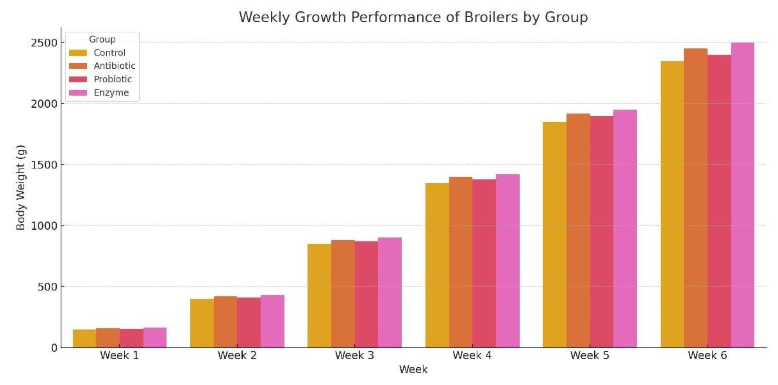
Synchronizing dietary energy and amino acid availability with growth patterns enhances muscle accretion and minimizes fat deposition. This nutritional programming ensures better carcass quality and improved economic returns.
Carcass Traits and Nutrition Interaction
Nutritional strategies significantly impact carcass traits such as breast meat yield, abdominal fat, and meat quality. Adequate dietary lysine and arginine levels are positively correlated with breast muscle development. On the other hand, excessive dietary energy can lead to increased fat deposition and reduced feed efficiency.
The balance between digestible protein and energy is critical to achieving optimal carcass yield. Feed formulation that includes balanced amino acid profiles enhances protein deposition in muscles rather than fat, improving dressing percentage and market value (Abdollahi et al., 2020).
Sustainability and Economic Impact
The poultry industry is moving towards sustainable practices by incorporating locally available alternative feed resources. Ingredients such as hemp seed cake, black soldier fly larvae, and algae not only reduce feed cost but also lower the carbon footprint of poultry production (Gadzama, 2024b). Hemp cake, for instance, provides up to 32% protein and beneficial polyunsaturated fatty acids, making it a sustainable protein source with health-promoting attributes (Callaway, 2004; He et al., 2025).
Economic sustainability also involves precision nutrition to avoid nutrient wastage, reduce mortality, and improve overall flock health. Implementing cost-effective feed formulation software and real-time nutrient monitoring can help achieve these objectives.
Conclusion
Optimizing nutritional strategies in broilers is a multifaceted approach involving feed formulation precision, gut health management, amino acid balancing, and sustainable ingredient usage. Modern advances in poultry nutrition have made it possible to improve growth rates, FCR, carcass yield, and overall profitability while reducing environmental impact. Tailored nutritional interventions, when properly implemented, can unlock the genetic potential of broilers and address the global need for sustainable animal protein.
Recommendations
- Adopt precision feeding practices through phase feeding and age-specific nutrient adjustments.
- Incorporate novel feed additives like enzymes and probiotics to enhance gut health and nutrient utilization.
- Implement low-CP diets supplemented with essential amino acids to reduce nitrogen excretion and improve efficiency.
- Explore alternative feed ingredients such as hemp cake, insect meal, and algae to diversify protein sources and enhance sustainability.
- Use nutritional programming to align dietary inputs with growth stages for optimized carcass yield and profitability.
- Promote research and policy support for feed innovation and safe adoption of unconventional feed resources.
References
- Abdollahi, M. R., Zaefarian, F., & Ravindran, V. (2020). Feed processing and its impact on poultry nutrition and gut health. Animal Feed Science and Technology, 268, 114610.
- Adeola, O., & Cowieson, A. J. (2011). Board-invited review: Opportunities and challenges in using exogenous enzymes to improve nonruminant animal production. Journal of Animal Science, 89(10), 3189–3218.
- Callaway, J. C. (2004). Hempseed as a nutritional resource: An overview. Euphytica, 140(1-2), 65–72.
- Gadzama, I. U. (2024a). Influence of Rearing Substrate on Black Soldier Fly Larvae Nutritional Value for Animal Feed. Wikifarmer.
- Gadzama, I. U. (2024b). Evaluation of fresh microalgae in ruminant nutrition: impact on rumen fermentation, productive performance and meat quality. MPhil Thesis, School of Agriculture and Food Sustainability, The University of Queensland.
- He, Q., Zhang, Z., Tian, H., Wang, H., Lu, X., Deng, H., ... & Huang, J. (2025). Effects of partial replacement of soybean meal with hemp seed (Cannabis sativa L.) cake on the growth and meat quality in female three-yellow chickens. Poultry Science, 104(1), 104466.