Summary
The poultry industry faces challenges like antibiotic resistance, environmental issues, and the need for sustainable feed. Algae, including microalgae (like spirulina and chlorella) and seaweed, offer a promising solution as a nutrient-rich alternative to traditional feeds. Algae are packed with protein, vitamins, omega-3 fatty acids, and antioxidants, which can improve poultry health, boost egg and meat quality, and reduce the need for antibiotics. Adding algae to chicken diets, for example, enhances muscle growth, eggshell strength, and gut health, while enriching meat and eggs with heart-healthy omega-3s. Although costs are still a challenge, advances in production are making algae more affordable. With benefits for farmers, consumers, and the environment, algae could transform poultry farming, supporting sustainable food systems and meeting the demand for healthier, eco-friendly products.
Introduction
The poultry industry faces mounting challenges, including antibiotic resistance, environmental sustainability, and the need for high-quality, cost-effective feed sources (Liu et al., 2020). As global demand for poultry products rises, alternative protein sources such as microalgae (Spirulina platensis, Chlorella vulgaris, Schizochytrium sp.) and macroalgae (Ulva lactuca, Laminaria digitata) have emerged as promising solutions (Sarker et al., 2022; Gadzama et al., 2025). Algae offer a rich nutritional profile, containing high-quality proteins, essential amino acids, omega-3 fatty acids, vitamins, and bioactive compounds that enhance poultry health and productivity (Magnuson et al., 2020; Gadzama et al., 2024). Beyond their nutritional benefits, algae cultivation has a lower environmental footprint compared to conventional feed crops, supporting sustainable agricultural practices (Gadzama, 2024).
Recent research highlights algae's potential to improve feed efficiency, gut health, and disease resistance in poultry while reducing reliance on antibiotics (Feng et al., 2019; Gadzama et al., 2025) (Figure 1). Additionally, algae supplementation enhances egg and meat quality, meeting consumer demand for functional, nutrient-enriched products (Abdel-Wareth et al., 2024). Despite these advantages, challenges such as production costs and variability in nutrient composition must be addressed to facilitate widespread adoption (Gadzama et al., 2025). The primary aim of this review is to assess the feasibility of algae integration into poultry diets and highlight its role in advancing sustainable poultry production.
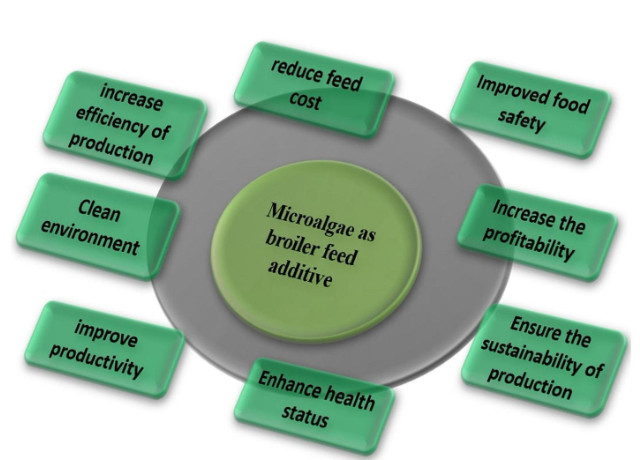
Figure 1. Algae as an alternative feed source in poultry. Adapted from Mohamed et al. (2023).
Nutritional Advantages of Algae
Algae, particularly microalgae such as Spirulina platensis and Chlorella vulgaris, have gained attention for their high-quality protein content, which is rich in essential amino acids like lysine and methionine (Holman & Malau‐Aduli, 2013; Gadzama et al., 2025). These nutrients are crucial for muscle development in broilers, as reported by Sarker et al. (2022). Moreover, Chlorella vulgaris contains approximately 50–60% protein and high chlorophyll levels, which support liver function and detoxification, making it particularly beneficial for laying hens (Liu et al., 2020; Gadzama, 2024).
Beyond protein, algae are a valuable source of omega-3 fatty acids, particularly docosahexaenoic acid (DHA). Magnuson et al. (2020) found that supplementing poultry diets with 1–3% Schizochytrium sp. oil increased DHA levels in eggs and meat by up to 300%, meeting consumer demand for functional, heart-healthy foods. Additionally, algae naturally contain essential vitamins such as A, B12, and E, which enhance immune function, feather integrity, and eggshell strength (Liu et al., 2020). Carotenoids like lutein and astaxanthin further improve yolk and meat pigmentation, reducing reliance on synthetic colorants.
Algae also contribute to gut health and immune modulation (Figure 2). Feng et al. (2019) demonstrated that algal polysaccharides, particularly β-glucans, promote a balanced gut microbiota while reducing pathogenic bacteria such as E. coli and Salmonella. Furthermore, the anti-inflammatory properties of certain algae align with antibiotic-free production trends by minimizing the need for growth-promoting antibiotics.
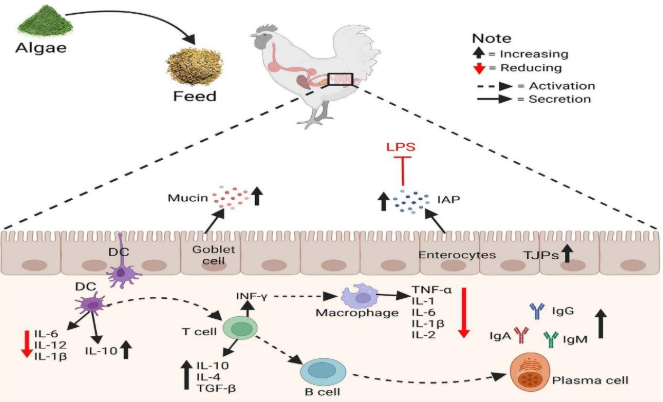
Figure 2. The effects of algae on gut immunity and integrity involve tight junctions, intestinal alkaline phosphatase, lipopolysaccharides, and dendritic cells. Adapted from Feng et al. (2019).
Algae in Sustainable Egg Production
The benefits of algae extend to egg production, where microalgae supplementation has been shown to enhance both egg quality and yield (Figure 3). Abdel-Wareth et al. (2024) reported that microalgae improve hens' nutritional intake, leading to better egg production due to their high protein, vitamin, and mineral content. This makes them a cost-effective and sustainable alternative to conventional feed ingredients.
Figure 3. The bioactive effects of algae on egg production. Adapted from Abdel-Wareth et al. (2024).
Commercially Relevant Algal Species
Among microalgae, Spirulina platensis is widely used at inclusion rates of 5–8% to improve feed conversion ratio (FCR), growth rate, and carcass yield (Sarker et al., 2022). Meanwhile, Chlorella vulgaris, typically incorporated at 3–5%, enhances egg quality, immunity, and liver function (Figure 4), though its higher production costs remain a limiting factor. Schizochytrium sp., a key source of DHA, is primarily utilized in omega-3 enriched poultry products (Magnuson et al., 2020).
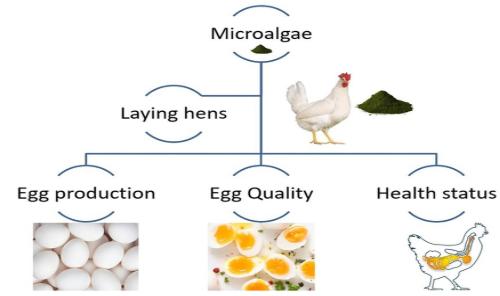
Figure 4. Microalgae is an eco-friendly supplement that improves the production performance of broiler chickens. Adapted from Abdel-Wareth et al. (2024).
Macroalgae such as Ulva lactuca and Laminaria digitata also offer nutritional benefits. Ulva lactuca is rich in dietary fiber and minerals, supporting intestinal motility and nutrient absorption, while Laminaria digitata provides iodine and zinc, which are essential for thyroid function and feather development (Ribeiro et al., 2021).
Applications in Poultry Feeding Systems
In broilers, a 5–8% inclusion of Spirulina platensis has been shown to improve FCR by 10–12% and increase breast meat yield (Sarker et al., 2022). For layers, 10% Chlorella supplementation enhances eggshell thickness and yolk color (Abdel-Wareth et al., 2024). Additionally, organic and free-range poultry systems increasingly incorporate algae like Ulva to enhance gut health and reduce dependence on synthetic additives.
Economic Feasibility and Market Impact
The economic viability of algae-based feeds has improved significantly, with production costs decreasing by over 50% since 2020 due to advancements in fermentation and wastewater culture techniques (Zhou et al., 2024). Farmers using algae-based feeds report 12–15% higher profits, driven by value-added products such as DHA-enriched eggs and antibiotic-free meat. Policy support, including subsidies in the EU and US, further encourages adoption (FAO, 2024).
Recent Innovations and Future Perspectives
Recent developments include CRISPR-engineered Chlorella strains that produce 20% more protein (Dhokane et al., 2023) and wastewater-grown Spirulina, which reduces production costs by 30% (Zhou et al., 2024). Future prospects include on-farm microalgae reactors and AI-driven feed formulations tailored to specific poultry needs.
Challenges and Mitigation Strategies
Despite their benefits, algal feeds face challenges such as high initial costs and nutrient variability. However, standardized cultivation practices and farmer education programs can mitigate these issues (FAO, 2024).
Conclusion
Algae are a proven, eco-friendly alternative in poultry nutrition. Their high protein, omega-3 fatty acids, and immune-boosting properties could meet consumer demand for healthier, antibiotic-free poultry products. As production costs drop and policy support increases, algae are set to become a common feed ingredient, transforming poultry farming and addressing global sustainability issues.
References
- Abdel-Wareth, A. A., Williams, A. N., Salahuddin, M., Gadekar, S., & Lohakare, J. (2024). Algae as an alternative source of protein in poultry diets for sustainable production and disease resistance: Present status and future considerations. Frontiers in Veterinary Science, 11, 1382163.
- Bai, J., Wang, R., Yan, L., & Feng, J. (2019). Co-supplementation of dietary seaweed powder and antibacterial peptides improves broiler growth performance and immune function. Brazilian Journal of Poultry Science, 21(02), eRBCA-2018.
- Costa, M. M., Spínola, M. P., & Prates, J. A. (2024). Microalgae as an alternative mineral source in poultry nutrition. Veterinary Sciences, 11(1), 44.
- Dhokane, D., Shaikh, A., Yadav, A., Giri, N., Bandyopadhyay, A., Dasgupta, S., & Bhadra, B. (2023). CRISPR-based bioengineering in microalgae for production of industrially important biomolecules. Frontiers in bioengineering and biotechnology, 11, 1267826.
- Evans, A., Smith, D., & Moritz, J. (2015). Effects of algae incorporation into broiler starter diet formulations on nutrient digestibility and 3 to 21 d bird performance. Journal of Applied Poultry Research, 24, 206–214.
- Gadzama, I. U., Ray, S., Méité, R., Mugweru, I. M., Gondo, T., Rahman, M. A., Redoy, M. R. A., Rohani, M. F., Kholif, A. E., Salahuddin, M., & Brito, A. F. (2025). Chlorella vulgaris as a Livestock Supplement and Animal Feed: A Comprehensive Review. Animals, 15(6), 879.
- Gadzama, I. U., Hoffman, L. C., Holman, B. W. B., Chaves, A. V., & Meale, S. J. (2024). Effects of supplementing a feedlot diet with microalgae (Chlorella vulgaris) on the performance, carcass traits and meat quality of lambs. Livestock Science, 288, 105552.
- Gadzama, I. U. (2024). Evaluation of fresh microalgae in ruminant nutrition: impact on rumen fermentation, productive performance and meat quality. MPhil Thesis, School of Agriculture and Food Sustainability, The University of Queensland.
- Holman, B. W. B., & Malau‐Aduli, A. E. O. (2013). Spirulina as a livestock supplement and animal feed. Journal of animal physiology and animal nutrition, 97(4), 615-623.
- Kaur, P. (2020). Microalgae as nutraceutical for achieving sustainable food solution in future. Microbial Biotechnology: Basic Research and Applications, 91-125.
- Lestingi, A., Alagawany, M., Di Cerbo, A., Crescenzo, G., & Zizzadoro, C. (2024). Spirulina (Arthrospira platensis) used as functional feed supplement or alternative protein source: A review of the effects of different dietary inclusion levels on production performance, health status, and meat quality of broiler chickens. Life, 14(12), 1537.
- Liu, W. C., Guo, Y., Zhao, Z. H., Jha, R., & Balasubramanian, B. (2020). Algae-derived polysaccharides promote growth performance by improving antioxidant capacity and intestinal barrier function in broiler chickens. Frontiers in Veterinary Science, 7, 601336.
- Madacussengua, O., Mendes, A. R., Almeida, A. M., & Lordelo, M. (2025). Effects of using microalgae in poultry diets on the production and quality of meat and eggs: A review. British Poultry Science, 1-17.
- Magnuson, A. D. (2020). Enriching eggs of laying hens with multiple bioactive nutrients for improving human health. Cornell University.
- Mota, C. S., Pinto, O., Sá, T., Ferreira, M., Delerue-Matos, C., Cabrita, A. R., ... & Maia, M. R. (2023). A commercial blend of macroalgae and microalgae promotes digestibility, growth performance, and muscle nutritional value of European seabass (Dicentrarchus labrax L.) juveniles. Frontiers in Nutrition, 10, 1165343.
- Ribeiro, D. M., Martins, C. F., Costa, M., Coelho, D., Pestana, J., Alfaia, C., ... & Prates, J. A. M. (2021). Quality traits and nutritional value of pork and poultry meat from animals fed with seaweeds. Foods, 10(12), 2961.