


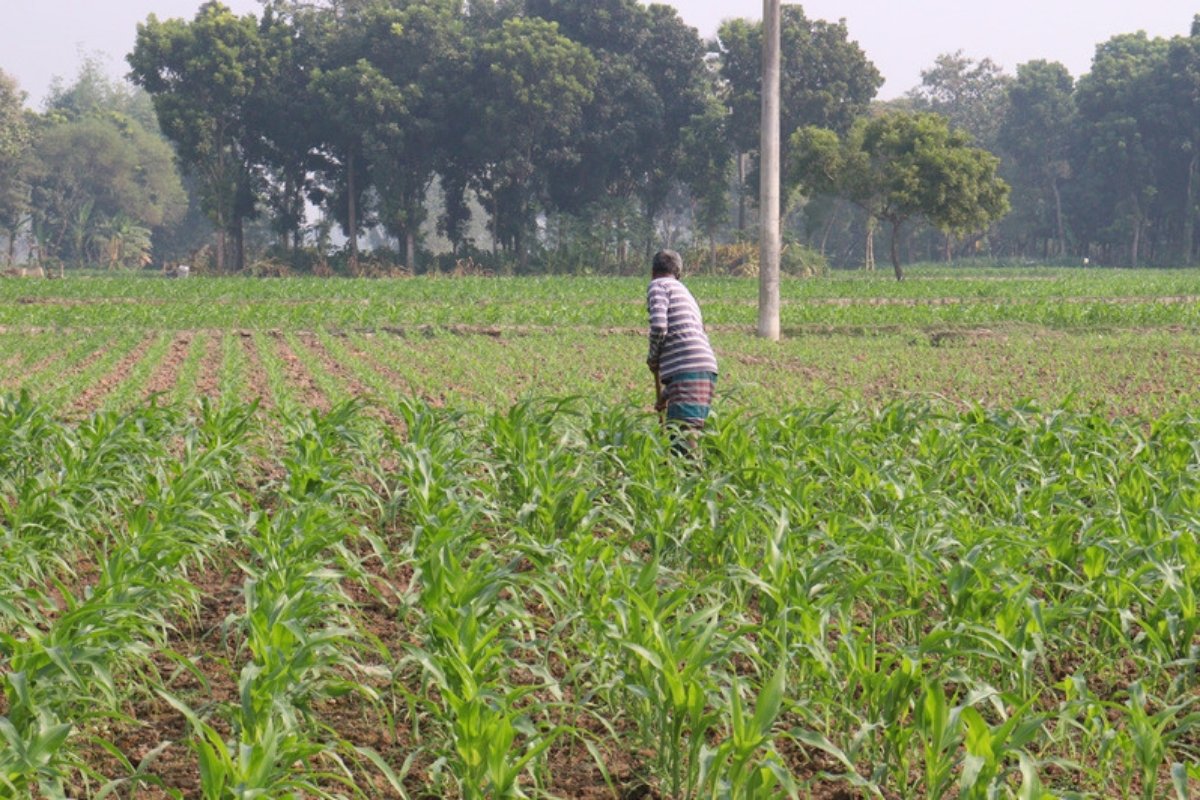
International observers looking at West African agriculture see huge untapped potential: large areas of arable land, a young workforce and fast-growing regional markets. Yet applying Western or Asian farming textbooks directly to countries like Ghana often leads to expensive failures.
Success in West African agriculture depends less on fixed formulas than on practical, flexible day-to-day operations. My experience in crop production and in managing agricultural investments in the region has taught me several lessons, and they all point the same way. Running a farm here means constantly adjusting, rather than following a fixed calendar.
Rainfall no longer follows the calendar
Most farming models rely on a predictable calendar. In West Africa, rainfall has become increasingly erratic. Waiting for the traditional planting date can mean planting too late and running short of moisture at critical stages of growth, while planting too early can mean losing the crop if a dry spell hits just after germination.
Build local partnerships: move to a planting decision based on community knowledge of past seasons, real-time soil moisture checks and local weather forecasts. Good relationships with the local community are the way into that unwritten knowledge.
Keep the water in the ground: irrigation is limited and expensive, so field preparation should focus on conserving moisture. Disturb the soil as little as possible, get plant spacing right, and manage crop residues and, where it pays, biochar as insurance against dry spells.
Soil structure before synthetic fixes
A common mistake among new project managers is assuming that fertiliser and herbicide can make up for poor soil. Many fields receive the recommended NPK rates and still give disappointing yields, and others get the exact herbicide doses and still lose the fight against weeds.
Decades of intensive land preparation, bush burning and hot sun on bare ground have depleted the organic matter in West African topsoils, and a soil low in organic matter struggles to hold on to the nutrients applied to it.
Rebuild the soil: long-term productivity needs crop residue management, cover crops, compost and biochar wherever they are economically viable.
Get more from every input: a biologically healthy soil helps expensive fertiliser feed the crop instead of leaching away.
Certified seed versus the planting window
High-yielding certified varieties are widely promoted in development circles, but local supply and market prices tell a different story. Certified seed is often unavailable at local outlets when the rains start, or too expensive for a farm's seasonal cash flow. And local markets rarely pay more for a crop grown from certified seed than from a local variety, so farmers often have to choose between waiting weeks for certified seed and planting now.
Protect the planting window: in West Africa, missing the right planting window usually does more damage than using less than ideal seed.
Accept practical compromises: a reasonably good, clean and affordable local seed planted on time will often outperform premium certified seed planted late. Where the market does not pay extra for a specially bred variety, volume can matter more than variety. Whichever seed you use, check its quality before you plant.
Labour runs short exactly when it is needed
Outsiders often assume that high rural unemployment means plenty of cheap farm labour. It is a costly misconception. Labour shortages peak exactly when work is most urgent, during land preparation, weeding and harvest. Tractors, planters and combines are scarce and prone to breakdowns because spare parts are hard to get, so a labour delay of just a few days can cut yields sharply.
Book labour early: secure and contract workers weeks before critical field operations begin.
Stagger production: spread planting dates across different blocks to even out the demand for labour during maintenance and harvest, while making sure the last block is still harvested before the weather turns.
Plan for the market before the harvest
Most agricultural programmes focus on maximising yield in tonnes per hectare. In West Africa, production is only half the battle, and the real hurdle is the market. A bumper crop means little if local prices collapse because every farmer in the region is selling the same commodity at the same time. Without cold storage and proper warehousing, many producers end up in distress sales to informal middlemen.
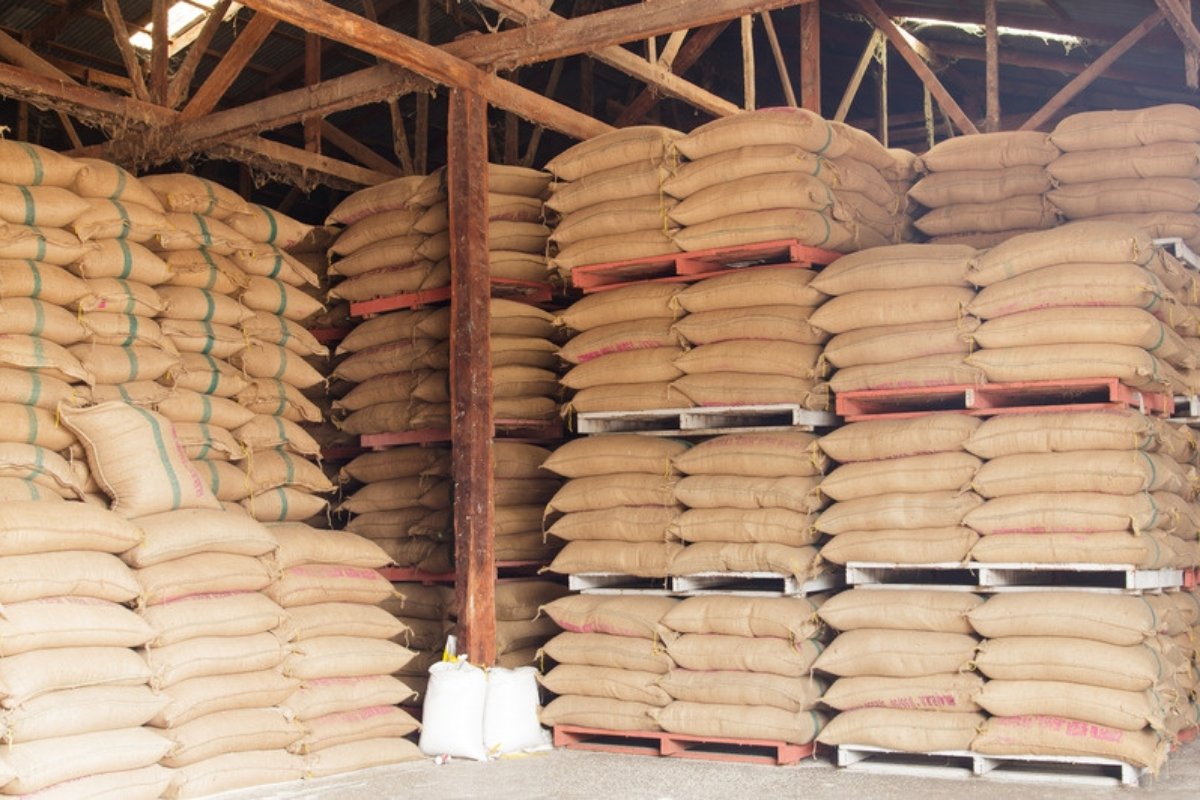
Storage lets a farm hold its grain and sell once prices recover after the peak harvest.
The usual sequence runs from planting to a high yield to a glut and low prices. The better sequence starts with a market and a storage plan, puts the effort into soil and moisture, and ends with a controlled, staggered sale.
Plan the season backwards: do not plant a crop without a clear, agreed market or a defined storage strategy.
Ride out price swings: use grain warehousing, simple processing to add value, or staggered harvesting to delay sales until prices recover after the peak harvest.
Tell investors the truth early
As agricultural technology and crowd-farming platforms open African farming to international investors, managing expectations has become as important as managing the fields. Investors often expect steady, factory-like returns from biological systems working in a volatile environment, and that puts heavy pressure on farm managers and field staff.
Be open about setbacks: trust comes from sharing the setbacks as well as the successes. Speculators look for perfect promises, while long-term investors look for resilient management.
Report early: when an armyworm outbreak, a mid-season drought or a cash shortfall hits, give investors honest figures quickly, together with a clear plan for dealing with it. That is how long-term partnerships are built.
Keep spending flexible
Long-term finance for agriculture in the region is scarce, so agricultural ventures have to manage their spending differently. Instead of locking limited capital into heavy upfront infrastructure, successful managers keep more of it in flexible operating budgets that let the farm adapt to each season's needs.
Resilience over perfection
The future of agriculture in Ghana and West Africa does not belong to those who copy systems from America or Europe unchanged. It belongs to operators who combine modern agricultural science with local knowledge.
No solution is fixed. Every strategy has to adapt to the resources available, the local climate and the realities of the place. Digital tools, satellite weather data and fintech platforms can speed things up, but they only deliver real value when they are backed by disciplined, flexible work on the ground, patient capital and real respect for local expertise. To succeed in West African agriculture, expect the unexpected and build farming systems that can withstand it.