

When we decided to plant watermelon, we had a clear plan. We were going to plant about 10,000 stands, but not all at once. The idea was to stagger the planting so that the harvest would not arrive in one big wave and we could manage supply better.
We thought it through. We thought about production, harvest, customers and logistics. For deliveries, we planned loads of fewer than 300 watermelons at a time, because that was about what we could conveniently move with our Hilux. We did not want hundreds of watermelons sitting on the farm with no clear way to move them.
On paper, the problem was solved. Then the farm happened.
Where the plan slipped
Staggering the planting was meant to spread out the harvest. What we did not fully account for was what it did to the calendar. Production stretched into the rainy season, and the watermelon we planted does not do well in it.
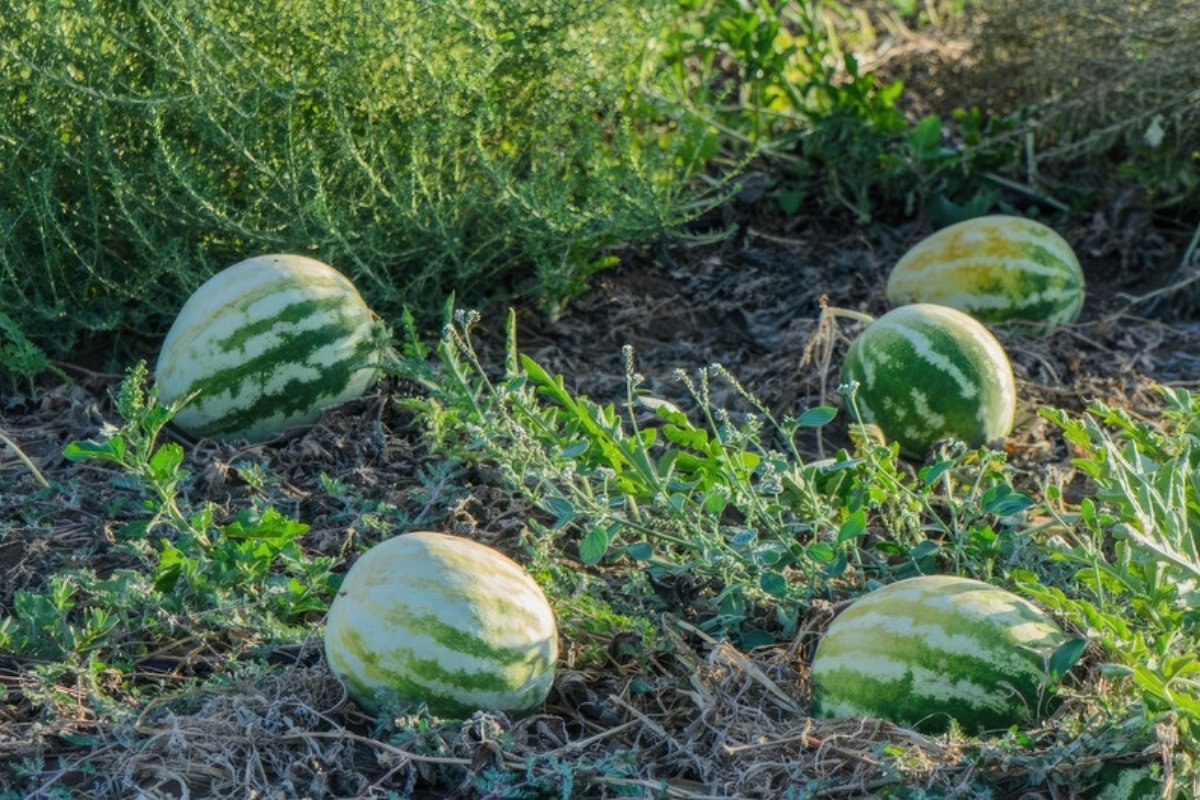
The early batches did fine, and we harvested them successfully. The later ones were not so lucky. Too much water affected the fruits still in the field, and some rotted before we could harvest them at all. In the end, we harvested fewer than 4,000 watermelons from the roughly 10,000 stands we had planned for.
The fruits that did make it were affected too. Excess water reduced their shelf life and their sugar content, and some began to deteriorate faster than they should have. So the problem was not only quantity. Even part of what we harvested did not have the quality we wanted.
At the time, I was focused on the immediate questions. How much can we harvest? What can we deliver? Who gets what? How do we explain the shortage to customers? How quickly can we move what is ready? Those questions were urgent, but they all came after a decision made weeks earlier, when we set the planting schedule.
What it meant for the business
With fresh produce, the gap between what you planned to harvest and what you actually harvest is more than a number on a spreadsheet. It changes your sales plan and your delivery plan. It changes your relationship with customers too, because the people you prepared to supply are suddenly asking for produce you do not have.
We spent a lot of time apologising to customers and working out who could get what from the batches that were ready. We were disappointed, and we had to think about how to move quickly whatever could still be moved.
Why staggering felt safe
Staggering felt like the cautious choice. Planting everything at once would have meant a flood of watermelons and a single pickup truck to move them. Spreading the planting looked like the responsible answer to that risk, and it solved the supply problem it was designed for.
The mistake was treating the schedule as only a supply tool. It was also a weather decision, and we did not weigh it that way.
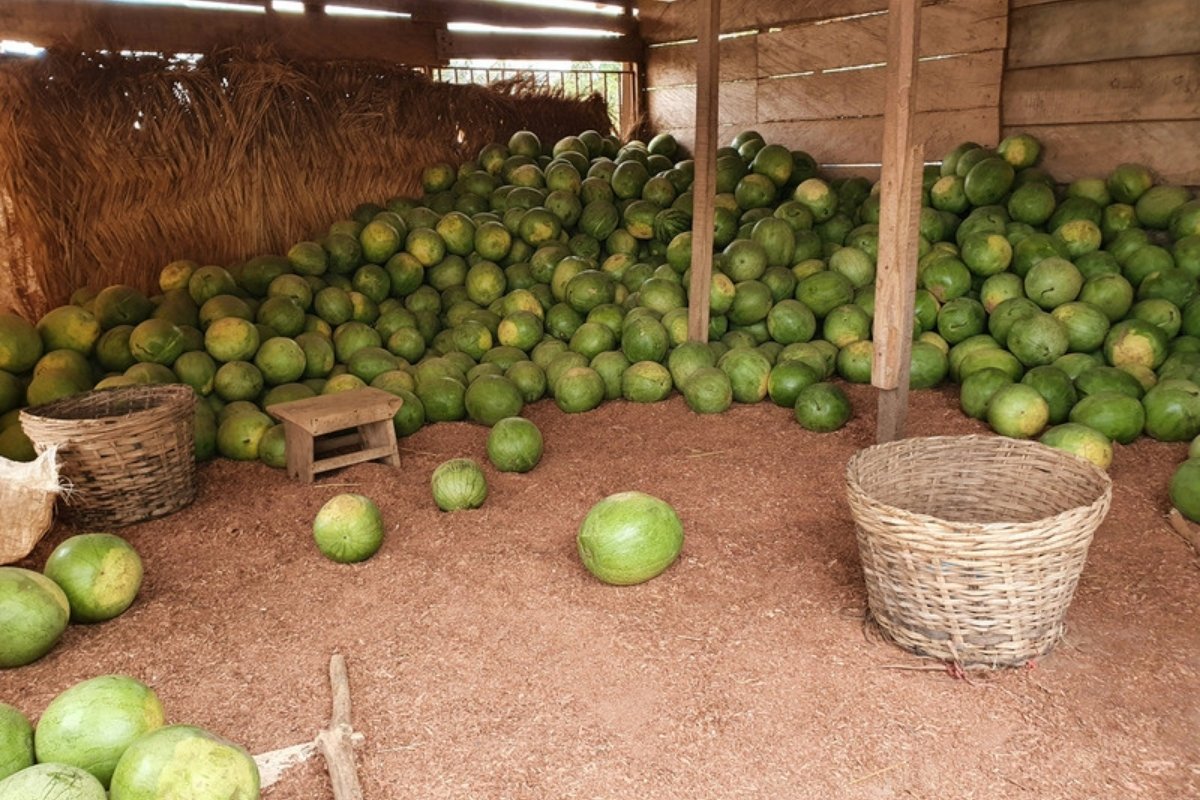
Harvested watermelons waiting under cover. Every load still has to be matched to transport and to buyers.
Timing is part of the plan
For a long time I thought of planning as a question of numbers: how many stands, how many fruits, how many trips. This season showed me that the calendar matters just as much as the numbers.
Staggering is a good way to manage supply. But every later batch is exposed to whatever weather comes later, and with a crop that does not tolerate heavy rain, staggering without a firm end date can quietly push the last batches into the worst part of the year.
For anyone planning a staggered planting of a perishable crop, I would suggest fixing the end date first. Decide when your last batch must be out of the field, then count backwards to your first planting date. If the numbers do not fit, plant fewer batches rather than push the last ones into bad weather.
If I were doing it again, I would work backwards from the rainy season. I would plant early, so that every batch is harvested and cleared before the heavy rains arrive, rather than treating the rains as something to deal with later.
Questions I now ask before planting
Production planning cannot be separated from market and logistics planning, or from the weather. Before planting anything perishable, I now ask:
- When do the heavy rains usually start, and will my last batch be harvested well before then?
- How many can we consistently produce, and at what quality?
- How quickly can we harvest and move what is ready?
- How much can our customers actually take?
- What happens if part of the plan does not work out?
That last question is the one I think every farmer should ask. A plan that only works when everything goes perfectly is not much of a plan. The goal is a plan that still functions when something goes wrong.
Plant early
Farming does not always reward effort the way you expect. You can have a planting schedule, customers waiting and transport arranged, and still find that the crop humbles you. But a season like this teaches things a perfect harvest never would.
You plan. You plant. You monitor. You adjust. You learn. Then you go again, and this time, you plant early.