


Indigenous beekeeping in Kenya: A sustainable path forward for modern apiculture
A living tradition rooted in the land
For centuries, communities across Kenya have kept bees. Long before modern hives and bee suits arrived, our ancestors were already harvesting honey, caring for wild colonies, and living in harmony with these vital pollinators. Today, many people still use these indigenous beekeeping practices, especially in rural areas.
But some may ask: Are these old ways still useful in a modern world?
The answer is yes — and now more than ever. Our indigenous knowledge holds valuable solutions as we look for sustainable, affordable, and climate-friendly ways to care for bees. The key is not to choose between traditional and modern, but to combine the best of both.
What Are Indigenous Beekeeping Techniques?
Indigenous beekeeping refers to traditional, locally developed ways of managing bees that have been passed down through generations. These practices often use materials from the environment, require little cash input, and are guided by close observation of nature.
Different communities in Kenya have different styles:
Western and Nyanza Regions
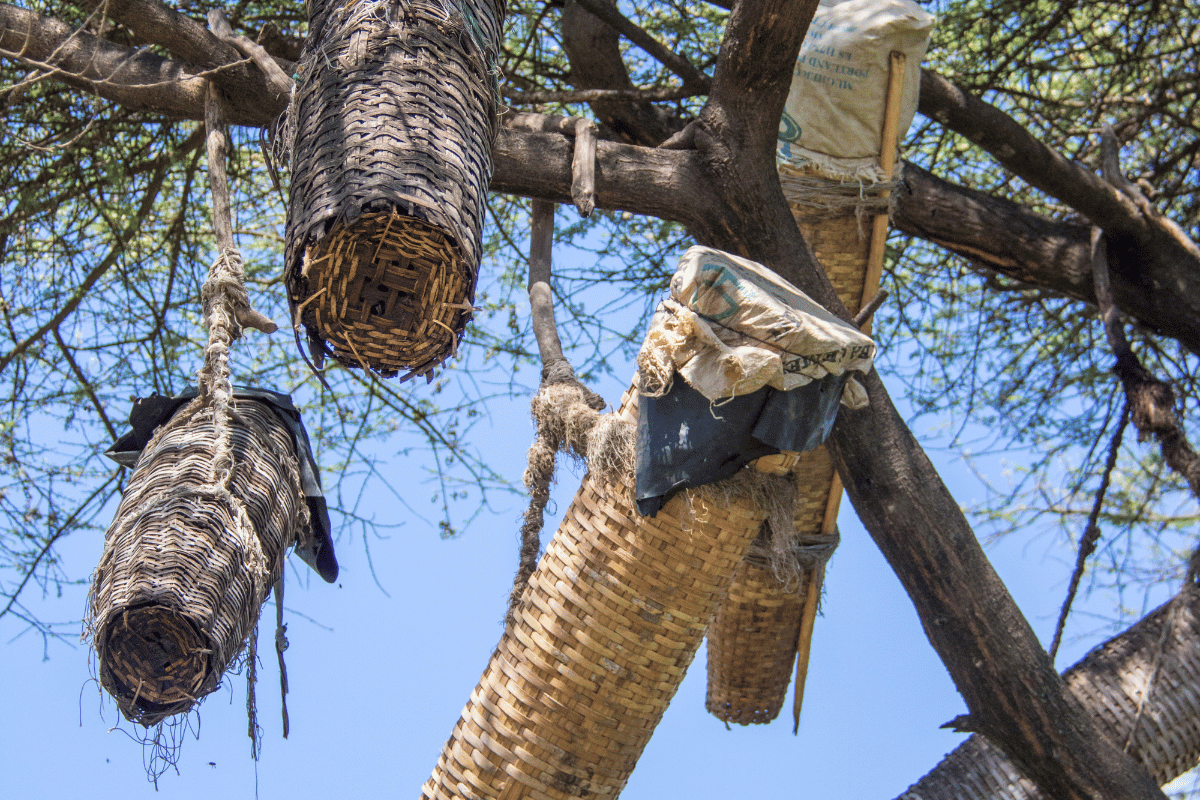
- Log hives made from split tree trunks are hung high in trees.
- Nighttime harvesting is done with smoke from cow dung or dried herbs.
- Colonies are populated naturally through swarm attraction.
Coastal Kenya
- Beekeepers use hollowed coconut logs or woven basket hives.
- Honey harvesting is synchronized with moon cycles or flowering seasons.
Eastern and Northern Kenya
- Bark or clay hives are placed under acacia trees, which provide shade and nectar.
- Harvesting occurs seasonally and follows local ecological patterns.
Why indigenous beekeeping matters today
Indigenous techniques may seem "low-tech," but they have many benefits:
1. Affordable and accessible for rural beekeepers
One of the greatest strengths of indigenous beekeeping is its low cost. Hives can be made from materials like bark, gourds, wood, or clay, reducing reliance on imported products. This makes it ideal for small-scale farmers and youth entering apiculture.
2. Eco-friendly and climate-resilient
Unlike plastic or chemically treated commercial hives, indigenous hives are biodegradable and integrate seamlessly into the environment. Traditional harvesting methods often avoid overextraction, allowing bee colonies to remain healthy and productive year-round.
3. Deep ecological knowledge
Traditional beekeepers often have an intimate understanding of bee behavior, flowering calendars, and swarm patterns, knowledge gained through generations of close observation. Herbal remedies such as mteta or mwarubaini (neem) are sometimes used to calm bees or deter pests without synthetic chemicals.
4. Community-based and culturally significant
In many Kenyan communities, beekeeping is part of cultural identity and social cohesion. Honey is used as food and in medicine, ceremonies, bartering, and spiritual practices. The sharing of beekeeping knowledge reinforces family bonds and community resilience.
Challenges Facing Indigenous Beekeeping in Kenya
- Deforestation reduces forage availability and hive-making materials.
- Land use changes and modern development restrict hive placement and migration routes.
- Safety concerns arise with tree-mounted hives, especially for elderly or disabled keepers.
- Lack of policy support or technical training leaves indigenous beekeepers underserved.
- Youth disengagement from traditional knowledge as they migrate to urban areas or adopt solely modern methods.
Combining indigenous wisdom with modern beekeeping tools
Rather than replacing indigenous practices, we can blend them with modern tools:
- Use traditional hive shapes (like logs or bark) but add removable bars to inspect without destroying the brood.
- Apply modern knowledge on hive hygiene, queen health, and pest control to traditional systems.
- Encourage group training that values local stories, language, and seasonal knowledge alongside technical skills.
- Support local innovations, like making transitional hives from recycled materials or combining top-bar designs with local timber.
Honour the wisdom, embrace the future
Indigenous beekeeping is not outdated. It is resilient, rooted, and resourceful. As climate change, market pressures, and food insecurity increase, these old ways may help show us a path forward that respects nature, builds community, and protects bees.
By honoring our elders' knowledge and giving it space to grow with new ideas, Kenya's beekeeping future can be truly rich, both in honey and in wisdom.
Let's not lose what we've always known.